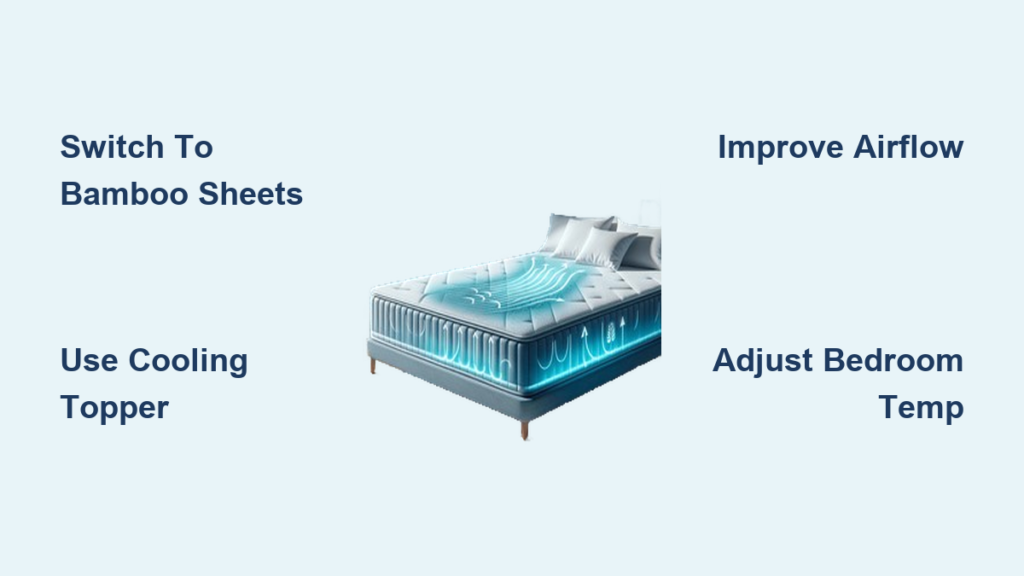
Waking up sweaty and overheated is more than uncomfortable. It can ruin your sleep quality and leave you groggy the next day. If your mattress feels like a heat trap, especially if it is memory foam, you are not alone. Many people struggle with how to cool down a mattress, particularly when their bed absorbs body heat and restricts airflow. The good news: you do not need to replace your mattress right away. With the right strategies, like upgrading your bedding, improving airflow, or adding a cooling topper, you can transform a hot sleeping surface into a cool, restful haven. This guide reveals proven methods to beat the heat and sleep cooler tonight.
Upgrade to Cooling Bedding
The fastest way to feel cooler is switching your sheets and blankets. Most overheating starts not from the mattress itself, but from bedding that traps heat and sweat.
Choose Breathable Sheet Materials
Not all fabrics are created equal. Some actively pull moisture away and allow air to flow, while others act like plastic wrap.
• Bamboo: Naturally cool to the touch, wicks moisture, and resists odors.
• TENCEL™ Lyocell: Made from eucalyptus, it absorbs 50% more moisture than cotton and dries fast.
• Percale cotton: Crisp, lightweight, and highly breathable, ideal for hot sleepers.
• Moisture-wicking polyester blends: Engineered for athletes, these keep you dry all night.
Avoid flannel, thick microfiber, or non-breathable synthetics. These materials hold heat and increase night sweats.
Pro Tip: Look for Oeko-Tex or GOTS certification to ensure your sheets are free from harmful chemicals and truly eco-friendly.
Use a Lighter Duvet
Your comforter can be a major heat source. In summer, switch to a 4.5 tog duvet for maximum airflow. In winter, layer a light blanket over a low-tog duvet instead of using one thick comforter year-round. Opt for down-alternative fills with moisture-wicking properties or natural wool, which regulates temperature dynamically.
Add a Cooling Mattress Topper

If your mattress runs hot, a cooling topper is a budget-friendly fix that adds breathability without replacement.
Pick the Right Cooling Technology
Not all toppers are equal. Focus on materials that actively manage heat.
• Gel-infused foam: Draws heat away through conductive gel beads.
• Open-cell foam: Allows air to move freely, unlike traditional memory foam.
• Phase Change Materials (PCMs): Absorb excess heat when you are warm and release it when you are cool, keeping surface temperatures stable.
• AirScape® foam: Structured design with ventilation channels for constant airflow.
Expert Note: Casper’s Comfy Mattress Topper uses AirScape® technology to reduce heat buildup by up to 30% compared to standard memory foam.
Avoid thick, solid foam toppers with no ventilation and non-breathable covers. Always choose a topper with a removable, washable, cooling fabric cover.
Switch to a Cooling Mattress
If DIY fixes do not work, it is time to upgrade. Modern cooling mattresses are designed to solve heat retention at the source.
Top Cooling Technologies
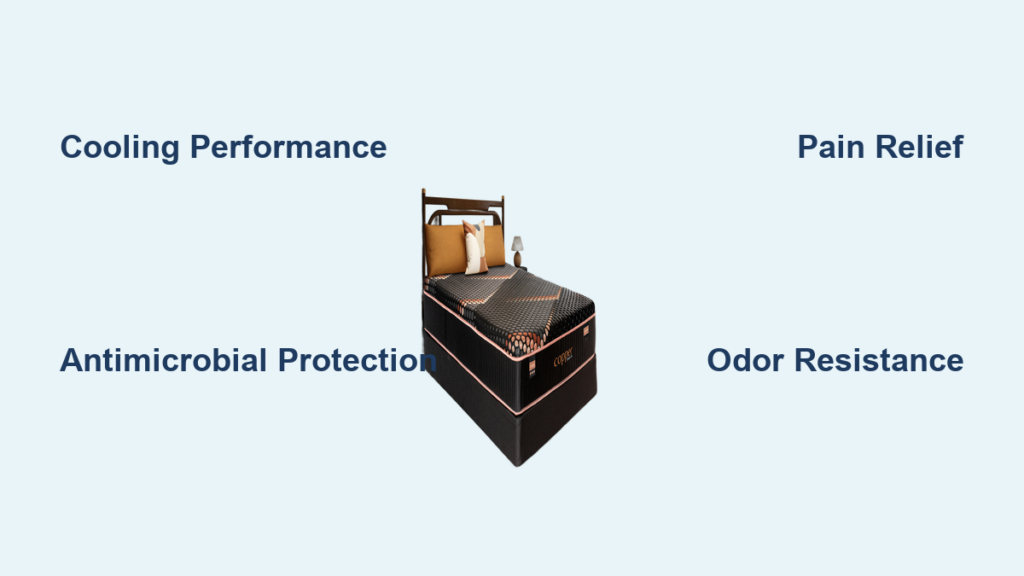
• Snow Technology (Casper): Cool-to-the-touch fabric with PCMs in the cover that actively absorb body heat. Heat Delete Bands pull warm air away for 12 or more hours.
• Graphite or copper infusions: Highly conductive materials that move heat away from your body.
• Hybrid designs: Combine coils for airflow with cooling foams for pressure relief.
| Model | Key Cooling Features |
|---|---|
| Casper Snow Max | Snow Technology, PCM, Heat Delete Bands, breathable cover |
| Casper Dream Max | Ergonomic support plus advanced cooling foams |
| Casper One | Affordable entry with improved breathability |
Real-World Result: Users report falling asleep 15 to 20 minutes faster and waking up less from overheating after switching to a Snow Max.
Improve Mattress Airflow

Even the best mattress cannot breathe if it is suffocated by a solid base.
Use a Slatted Foundation
Airflow under your mattress is critical. Solid platforms trap heat and moisture.
• Wooden slats (spaced): Allow maximum ventilation, ideal for memory foam.
• Hybrid slat systems: Combine strength with airflow gaps.
• Avoid box springs: They are enclosed and block under-mattress cooling.
Visual Cue: If you cannot see light through the base when looking from the side, it is not breathable.
For two-sided mattresses, rotate every 3 to 6 months to prevent heat and moisture from pooling in one area. Most modern mattresses are one-sided, but check your warranty.
Cool the Bedroom Environment
A cool room means a cool mattress. Your sleep space should feel like a sanctuary, not a sauna.
Set the Ideal Sleep Temperature
60 to 67°F (15.6 to 19.4°C) is the optimal range for falling and staying asleep. Use a smart thermostat to auto-cool the room before bedtime.
Use Fans Strategically
• Ceiling fans: Create a wind-chill effect. Set to rotate counterclockwise in summer.
• Box fans: Place near a window to draw in cool night air.
• Tower fans with timers: Run for 1 to 2 hours to cool the room, then shut off automatically.
Pro Tip: Put a bowl of ice in front of a fan for a DIY air cooler. Just do not let water drip on electrical devices.
Switch to LED lighting. Incandescent bulbs waste 90% of energy as heat. LEDs stay cool and cut room temperature slightly.
Position Bed Near Cooling Sources
Where you place your bed affects how cool you sleep. Place your bed under a ceiling fan for constant airflow over the mattress. Position it near AC vents for direct cool air circulation, but avoid drafts on your face. Keep the bed clear of radiators, TVs, computers, and sun-facing windows.
Summer Hack: Close blinds during the day to block solar heat, then open windows at night for cross-ventilation.
Wear Cooling Sleepwear
What you wear to bed impacts your core temperature more than you think.
Best Sleepwear Choices
• Lightweight cotton or bamboo pajamas
• Loose-fitting tank tops and shorts
• Sleeping nude: Maximizes skin exposure for natural heat release
Avoid tight synthetic fabrics like polyester and nylon that trap sweat. Avoid socks unless your feet are cold, because your feet help regulate body temperature.
Bonus Tip: Tie back long hair to keep your neck and head cooler.
Adjust Your Sleep Routine
Your habits before bed can make or break your ability to stay cool.
Take a Warm Shower Before Bed
Yes, warm, not cold. A 2019 meta-analysis found that a warm shower or bath 1 to 2 hours before bed triggers a rapid drop in core body temperature, speeding up sleep onset by up to 10 minutes. Ideal water temperature is 104 to 109°F (40 to 43°C) for 10 to 15 minutes.
Stay Hydrated
Drink cool, not icy, water before bed to help regulate internal temperature. Avoid alcohol, as it dehydrates you and disrupts thermoregulation, leading to night sweats.
Avoid Caffeine and Late Workouts
Caffeine can raise skin temperature and delay sleep. Cut off after 2 PM. Intense workouts within 2 hours of bedtime increase core heat. Opt for light stretching or yoga instead.
Choose a Cooler Mattress Type
If heat is a chronic issue, consider switching from traditional memory foam to more breathable materials.
Best Mattress Types for Hot Sleepers
• Innerspring or hybrid: Coils allow air to flow through the core.
• Talalay latex: More open-cell structure than memory foam, naturally cooler.
• Natural fiber mattresses: Wool, silk, and bamboo regulate temperature and wick moisture.
Upgrade Your Pillow Too
Foam pillows trap head and neck heat. Switch to gel-infused memory foam, bamboo or TENCEL™-covered pillows, or hollow fiber or ventilated down-alternative fills.
Avoid Risky Hacks
Some viral tips do more harm than good.
Never Freeze Your Bedding
Putting sheets or pillows in the freezer damages fabric fibers, leading to tears and pilling. It creates condensation that can grow mold inside your mattress. It is also impractical, because you would need to do it nightly.
Expert Warning: Sleep professionals strongly advise against freezing bedding due to hygiene and durability risks.
Skip Ice Packs on the Mattress
Direct cold can cause discomfort or skin irritation and introduce moisture, risking mold in foam layers. Use a cooling pad or gel pillow instead.
Handle Couples Temperature Conflicts
It is common for one partner to sleep hot while the other feels cold.
Solutions for Mixed Preferences
• Dual-tog duvets: Each person uses a comforter suited to their needs.
• Split-cooling mattresses: High-end models let you set different temperatures on each side.
• Personalized bedding layers: Use different sheets, toppers, or blankets per side.
Tip: Layer a light throw over a low-tog duvet for adjustable warmth without overheating.
Manage Heat Anxiety
Your mind can make heat feel worse. Focusing on being hot increases stress, which raises your body temperature. It becomes a cycle.
Break the Cycle
• Practice mindfulness or deep breathing before bed.
• Accept mild warmth instead of fighting it. Resistance increases tension.
• Use white noise or calming music to distract from discomfort.
Result: Even if the room is warm, relaxation techniques can improve sleep resilience.
Make Seasonal Adjustments
Your sleep setup should change with the weather.
Summer Prep
• Use 4.5 tog duvet.
• Switch to bamboo sheets.
• Run fans or AC at night.
• Remove mattress protector if it is non-breathable.
Winter Transition
• Layer blankets instead of switching to a heavy duvet.
• Use a heated blanket for 30 minutes before bed, then turn it off.
• Keep feet warm with socks. This helps lower core temperature.
Frequently Asked Questions About Cooling a Mattress
Why does my memory foam mattress sleep hot?
Memory foam has a closed-cell structure that compresses under body weight, restricting airflow. This traps body heat instead of allowing it to dissipate. Modern memory foam with open-cell technology, gel infusions, or phase change materials significantly reduces this issue.
What is the best sheets material for hot sleepers?
Bamboo, TENCEL™ Lyocell, and percale cotton are the top choices. Bamboo feels cool to the touch and wicks moisture effectively. TENCEL™ absorbs 50% more moisture than cotton. Percale cotton is lightweight and highly breathable.
Does a cooling mattress topper really work?
Yes, cooling toppers with gel-infused foam, open-cell construction, or phase change materials actively manage heat transfer. They add a breathable layer between you and the mattress without requiring a full replacement.
How often should I rotate my mattress?
Rotate your mattress every 3 to 6 months if it is two-sided. This prevents heat and moisture from pooling in one area. Most modern mattresses are one-sided, so check your warranty for specific guidelines.
Can I put my mattress in the freezer to cool it down?
No. Freezing bedding damages fabric fibers, creates condensation that promotes mold growth, and is impractical for nightly use. It also poses hygiene risks. Use proper cooling methods instead, like fans, cooling toppers, or breathable sheets.
Key Takeaways for Cooling Down Your Mattress

Cooling down a mattress is not about one magic fix. It is about layering smart changes that address heat from multiple angles. Start with low-cost swaps like switching to bamboo or TENCEL™ sheets, running fans, and wearing breathable sleepwear. These changes deliver immediate results without spending much money.
Next, address airflow under your mattress by replacing box springs with a slatted foundation. This simple change allows air to circulate and prevents heat from building up beneath your mattress. If you still struggle with overheating, add a cooling topper with gel-infused foam, open-cell construction, or phase change materials.
For a permanent solution, consider upgrading to a purpose-built cooling mattress like Casper Snow Max, which uses Snow Technology, PCMs, and Heat Delete Bands to actively pull heat away from your body. With modern cooling technologies, even memory foam sleepers can enjoy a cool, comfortable night.
Follow these steps, and you will stop fighting your bed and start sleeping better. The combination of the right bedding, proper airflow, cooling accessories, and smart sleep habits will transform your sleep experience. You do not have to endure hot nights anymore. Take action tonight, and enjoy the cool, restful sleep you deserve.