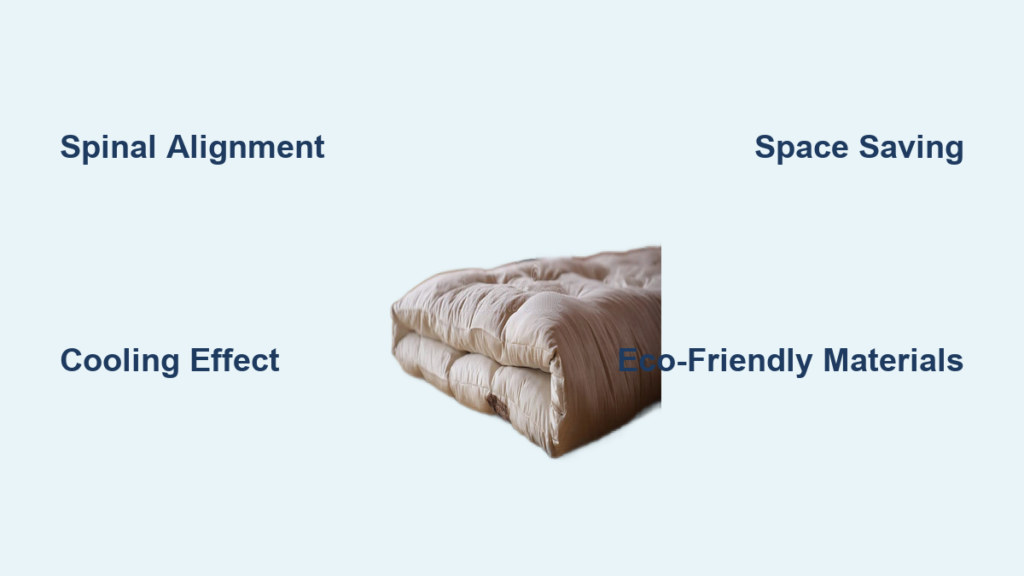
Sleeping on a Japanese floor mattress, known as a shikibuton, is more than a minimalist design choice. It is a centuries-old practice rooted in health, simplicity, and mindful living that has gained significant attention among those seeking natural sleep solutions. From improved spinal alignment to space-saving design, the benefits of Japanese floor mattress use extend far beyond what most Western sleepers expect.
If you struggle with back pain, poor sleep quality, or cluttered living spaces, a shikibuton might transform your nights. Backed by both user experiences and expert insights, sleeping close to the ground promotes better posture, cooler rest, and mental clarity. This guide breaks down every real advantage of floor sleeping, identifies who benefits most, and shows you how to adopt the practice correctly.
Spinal Alignment and Posture Improvement

A Japanese floor mattress provides consistent, firm support that keeps your spine in a neutral position throughout the night. Unlike soft mattresses that let your hips and shoulders sink deep into the surface, a shikibuton prevents unnatural curvature and reduces strain on spinal muscles and ligaments.
Natural Spine Support on Firm Surfaces
The flat, firm surface of a shikibuton maintains the natural S-curve of your spine, which is especially beneficial for back sleepers. Neurosurgeon Ali Mesiwala notes that a firm futon “allows the intrinsic muscles of the spine to perform necessary functions during sleep,” promoting stabilization and pain reduction over time. This support helps correct poor posture developed from sitting all day.
Reduced Back and Muscle Pain
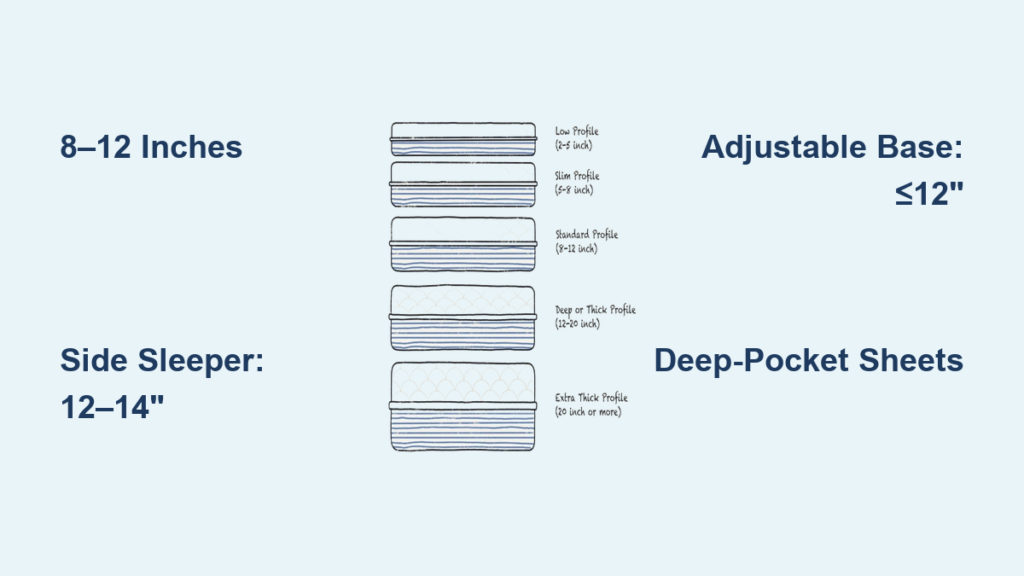
Chronic low back pain often stems from poor sleep surfaces. A shikibuton eliminates pressure points by distributing body weight evenly across its surface. Users transitioning from plush beds report significant relief within weeks, with one long-term user sharing: “By week three, stiffness vanished and back pain disappeared entirely.” Medium-firm surfaces between 2 to 5 inches thick are clinically linked to reduced back pain.
Ideal for Back Sleepers, Cautious for Side Sleepers
While back sleepers thrive on the firmness, side sleepers may experience hip and shoulder pressure from the lack of give. Without enough cushioning for bony areas, excessive load can cause discomfort. Chiropractor Steven Knauf advises side sleepers to consider added cushioning or hybrid setups, such as a 3 to 4 inch shikibuton with wool or latex layers.
Pain Relief and Musculoskeletal Health
Even weight distribution on a firm surface minimizes stress on joints throughout the night. When hips and shoulders do not sink unevenly, inflammation and morning soreness decrease significantly. Pairing the mattress with a low buckwheat pillow further aligns the neck and upper spine.
Alleviates Hip and Shoulder Strain
The firm, flat surface reduces pressure on hips, shoulders, and heels, which is crucial for preventing numbness and tingling, especially in side sleepers who adjust positions frequently. For those recovering from physical strain or prolonged sitting, this setup acts like passive physical therapy. Chiropractor Brett Edmunds confirms it “helps ease muscle aches and stiffness caused by too much time sitting during the day or an active lifestyle.”
Supports Natural Movement Lifestyle
Floor sleeping encourages floor-sitting, squatting, and natural mobility movements often missing in modern life. People who adopt shikibutons frequently report improved flexibility and strength from daily floor transitions. One user noted: “The practice reshaped my lifestyle. I now squat more, sit on the floor, and move naturally.” This functional movement enhances joint health and reduces reliance on chairs.
Enhanced Blood Circulation and Reduced Fatigue
Firm support prevents blood vessel compression, especially in the lower back and hips, allowing unrestricted circulation and enhanced oxygen delivery to muscles and organs throughout the night.
Improved Oxygen Flow During Sleep
Better blood flow means faster recovery, reduced inflammation, and less morning fatigue. Unlike memory foam that restricts movement and circulation, a breathable shikibuton promotes dynamic micro-movements during sleep, keeping circulation active throughout the night.
Low-Pressure Surface for Bony Prominences
Hips, shoulders, and heels experience less pressure on a flat, firm surface. This is crucial for preventing numbness and tingling. The even surface also benefits those with circulation issues or diabetes, though medical consultation is advised before making changes to your sleep setup.
Temperature Regulation and Cooling Effect

Traditional shikibutons use cotton, wool, bamboo, silk, or Tencel, materials that wick moisture and resist heat buildup. Unlike synthetic foams that trap body heat, natural fibers allow air to circulate freely.
Breathable Natural Materials
Cotton and Tencel are especially effective for hot sleepers. Modern versions may include charcoal-infused cotton or bamboo blends for enhanced cooling and odor control. These materials create a dry, cool sleep environment without the heat retention common in memory foam mattresses.
Cooler Sleep Close to the Ground
Heat rises, so sleeping near the floor means you are in a naturally cooler zone. This is ideal for summer months or homes without air conditioning. Yuko Kaifu of JAPAN HOUSE Los Angeles explains: “You can change the material depending on the season. Add warmer materials like fleece and wool when winter rolls around.”
Avoids Memory Foam Heat Traps
Memory foam mattresses are notorious for retaining heat. A Japanese floor mattress eliminates this issue entirely. No chemical off-gassing, no overheating. For sensitive sleepers, OEKO-TEX or GOTS-certified models ensure no toxic dyes or VOCs are present.
Reduced Allergen Exposure and Hypoallergenic Benefits
Dust mites thrive in warm, undisturbed bedding. The daily ritual of folding and airing out a shikibuton exposes it to sunlight and airflow, disrupting mite colonies naturally.
Daily Airing Disrupts Dust Mites
UV rays naturally disinfect the fabric, while drying prevents moisture buildup key for mold and bacteria prevention. This makes the futon inherently cleaner than a permanent mattress that sits undisturbed for years.
Natural Fillings Resist Microbial Growth
Organic cotton, silk, and wool are naturally hypoallergenic. Wool regulates humidity and resists dust mites. Buckwheat hull pillows add another layer of allergen resistance. For chemical-sensitive individuals, look for GREENGUARD, GOTS, or OEKO-TEX Standard 100 certifications.
Washable Covers Minimize Buildup
Use a removable, machine-washable cover to protect the core. Shake or beat the mattress outdoors monthly, and spot clean stains with mild detergent. Avoid machine washing unless specified, as most natural-fiber futons degrade in water.
Psychological and Behavioral Benefits
Sleeping close to the earth creates a grounding sensation that many users describe as calming and centering. This connection to the floor mimics walking barefoot on soil, a practice linked to reduced stress in research studies.
Grounding Effect for Mental Calm
The simplicity of the setup reduces sensory overload. No bulky frames, no clutter. Just a clean, open room that promotes mental clarity and reduces the visual noise of traditional bedroom furniture.
Ritualistic Routine Enhances Sleep Hygiene
The daily act of unfolding the futon at night and folding it in the morning becomes a sleep signal. This ritual replaces screen time with mindfulness, helping the brain wind down naturally. One user said: “Sweeping the floor and setting up the shikibuton is a meditative ritual. I no longer toss and turn.”
Encourages Digital Detox Before Bed
Because the bed is not always “ready,” you are less likely to lie in bed scrolling. The setup process creates a buffer between daily chaos and rest, reducing blue light exposure and mental stimulation before sleep.
Space Efficiency and Minimalist Living
No bed frame, no box spring, just a rollable mattress stored in a closet. This transforms a bedroom into a multi-functional room: living area by day, sleep space by night.
Frees Up Floor Space Daily
This approach is ideal for studio apartments, tiny homes, loft spaces, and guest rooms. A washitsu, or traditional tatami room, exemplifies this dual-purpose design where you eat, meditate, and host guests in the same space, maximizing utility in small footprints.
Perfect for Small and Multi-Use Rooms
If you live in a city apartment or work from home, a shikibuton eliminates furniture congestion. During the day, the room serves as an office or lounge. At night, it becomes a serene sleep sanctuary. Minimalists and digital nomads love this flexibility.
Portability and Functional Flexibility
Weighing just 15 to 20 pounds, a traditional shikibuton is easy to roll, fold, or carry. Unlike heavy Western mattresses, it is ideal for travel, guest setups, temporary housing, and meditation corners.
Easy to Store and Transport
Use it as a floor couch, reading mat, or yoga surface during the day. Its versatility extends far beyond sleep, doubling as lounge seating or meditation padding.
Doubles as Lounge or Meditation Mat
Layer two futons for a low seating area. Add cushions and a table for a Japanese-style living room. Folded versions can serve as meditation benches, daybeds, kids play mats, or emergency bedding.
No Bed Frame Needed
Shikibutons are designed for direct floor use, eliminating the need to buy a $200 or more frame or box spring. This cuts setup costs significantly.
Saves Money and Reduces Clutter
Even in modern homes, people skip frames entirely. Some use a low slatted base for airflow, but it is optional. The savings can be reinvested in a higher-quality futon or other bedding accessories.
Works on Hard, Flat Surfaces
Best used on hardwood, tile, vinyl, or tatami. Avoid carpet, as it traps moisture and reduces breathability. If you must use carpet, place a breathable underlay like a coconut coir rug or jute mat underneath.
Sustainable and Eco-Friendly Materials
Traditional futons use cotton batting, wool filling, rice straw, bamboo, or jute layers. These materials are renewable, compostable, and free from plastics, flame retardants, and VOCs.
Made from Biodegradable Natural Fibers
They appeal to eco-conscious buyers and those with chemical sensitivities. At end-of-life, natural fibers break down safely, unlike synthetic foams that persist for decades in landfills.
Lower Environmental Impact
Compared to polyurethane foam mattresses, shikibutons generate less waste. Most components are repairable. You can replace the cover or refill the core rather than discarding the entire mattress.
Modern Eco-Innovations
Brands now use Tencel from sustainably harvested eucalyptus, charcoal-infused cotton for odor control, and low-impact dyes that reduce water pollution. These upgrades enhance performance without sacrificing sustainability.
Cost-Effective and Durable
Budget shikibutons start under $100. High-quality organic models range from $200 to $600, still cheaper than most hybrid mattresses that cost $1,500 or more.
Affordable Entry Point
No need for a frame or foundation. Even with a tatami base, total cost remains low. This makes Japanese floor mattresses accessible to a wide range of budgets.
Long Lifespan with Proper Care
With regular airing, flipping, and storage, a shikibuton lasts 5 to 10 years. Rotate it 180 degrees weekly and flip monthly to prevent body impressions. Store in a breathable bag, not plastic, in a dry, ventilated closet.
Adaptation and Real-World Results
Your body needs time to adjust to a firmer surface. Initial soreness is common as unused muscles engage. One user reported: “First three nights were uncomfortable. Regret gave way on night four when I woke energized.”
First 3 to 4 Nights May Be Uncomfortable
Keep your old mattress nearby and transition over a long weekend. The adjustment period is short, and the benefits often outweigh the initial discomfort.
Long-Term Health Improvements
After one year, users report eliminated chronic back pain, better sleep quality, increased energy, improved mental clarity, and greater mobility. One longtime sleeper said: “Would I return to a conventional bed? No. Even hotel mattresses feel uncomfortable now.”
Who Should Avoid Floor Sleeping
If you struggle to rise from the floor due to arthritis, joint pain, injuries, or pregnancy, a floor mattress may not be practical. Consider a low platform bed, 6 to 8 inches high, as a compromise.
Mobility and Joint Issues
Those with kyphosis or excessive lumbar curve may find the firm surface flattens their spine too much, causing discomfort. Chiropractor Jordan Duncan warns: “It may allow your lower back to flatten during sleep.” Consult a healthcare provider before switching if you have spinal issues.
Humid Climates and Poor Floor Hygiene
In damp environments, mold and mildew risk increases. If you cannot air the futon daily, consider a moisture-resistant base. Dirty floors increase allergen exposure, so sweep and clean the surface weekly.
Maintenance and Care Tips
Sunlight kills bacteria and dries moisture. Place the futon near a window or outside for 1 to 2 hours daily. Yuko Kaifu says: “It feels so good at night to lie down on a shikibuton that was dried in the sunlight.”
Daily Airing Is Essential
This simple practice extends the life of your futon and maintains a healthy sleep surface. It also prevents the buildup of allergens and odors.
Weekly Flipping and Monthly Vacuuming
Flip the mattress monthly to prevent sagging. Vacuum every 4 weeks to remove dust and allergens. Spot clean with mild soap and water. Never soak, as wet cotton takes days to dry and can mildew.
Proper Storage Extends Lifespan
Fold in thirds or roll tightly with a strap. Store in a cotton bag, not plastic. Keep off the floor in a dry closet. Avoid sealed containers, as they trap moisture and promote mold growth.
Final Thoughts: Is a Japanese Floor Mattress Right for You?
Before committing, ask yourself these seven questions. Do you prefer a firm sleep surface? Can you commit to daily rolling and airing? Are you a back sleeper? Do you value space-saving design? Do you like natural materials? Is your floor clean and flat? Are you open to lifestyle change?
Ask Yourself These Key Questions
If most answers are yes, a Japanese floor mattress could be transformative. Remember: “What if better sleep is not about adding more, but simplifying?” A shikibuton is not just a mattress. It is a return to mindful, intentional living with proven benefits for body, mind, and space.
Frequently Asked Questions About Japanese Floor Mattresses
Do Japanese floor mattresses help with back pain?
Yes, the firm, supportive surface promotes natural spinal alignment and reduces pressure points that contribute to back pain. Users frequently report significant relief within weeks of switching to a shikibuton.
How long does it take to adjust to sleeping on a floor mattress?
Most people need 3 to 7 nights to adapt. Initial discomfort is normal as your body adjusts to the firmer surface. Keeping your old mattress nearby during transition is recommended.
Are Japanese floor mattresses good for side sleepers?
Side sleepers may need additional cushioning, such as a 3 to 4 inch shikibuton with wool or latex layers. Without enough give, bony areas like hips and shoulders can experience excessive pressure.
How do you maintain a shikibuton?
Air it daily in sunlight, flip it monthly, and vacuum every 4 weeks. Use a removable, washable cover and store in a breathable cotton bag in a dry location.
What materials are Japanese floor mattresses made from?
Traditional shikibutons use cotton, wool, bamboo, silk, or Tencel. Modern versions may include charcoal-infused cotton or latex for enhanced support and durability.
Can I use a Japanese floor mattress on carpet?
It is not recommended, as carpet traps moisture and reduces breathability. If necessary, place a breathable underlay like a coconut coir rug underneath to protect the mattress.
Key Takeaways for Enjoying Japanese Floor Mattress Benefits
The benefits of Japanese floor mattress use span physical health, mental wellbeing, and practical living. From improved spinal alignment and reduced back pain to space efficiency and eco-friendly materials, a shikibuton offers a compelling alternative to conventional Western beds. The daily ritual of airing and folding promotes mindfulness and better sleep hygiene, while natural materials regulate temperature and resist allergens. If you value simplicity, sustainability, and intentional living, transitioning to a Japanese floor mattress could transform both your sleep quality and your relationship with your living space. Start with a quality shikibuton on a tatami or breathable base, commit to daily maintenance, and give yourself at least two weeks to experience the full range of benefits.