You spend a third of your life in bed, yet most people never think about what is living in their mattress. Sweat, dead skin, bodily fluids, and allergens build up over time, creating a breeding ground for bacteria, mold, and dust mites. If your mattress smells musty, triggers allergies, or has seen a spill, it is time to disinfect. This step-by-step guide shows you how to safely and effectively sanitize your mattress using proven methods and the right tools.
We will cover everything from spot-cleaning blood and urine to deep deodorizing with baking soda, plus what not to do. Whether you have a memory foam, innerspring, or zippered washable mattress, this guide gives you a complete hygiene protocol.
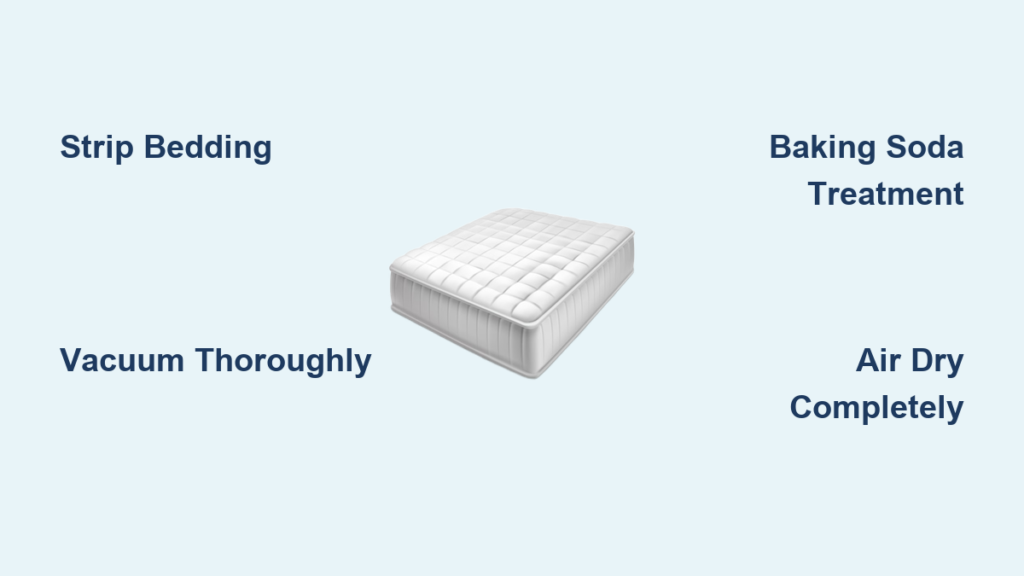
Strip and Wash Bedding First
Before touching the mattress, remove all bedding. This includes sheets, pillowcases, comforters, and especially the mattress protector. Washing these items is critical, otherwise contaminants will transfer back onto the freshly cleaned surface.
Wash Bedding in Hot Water
Use hot water at least 130°F to kill dust mites, bacteria, and fungi. Check care labels first, but most cotton and synthetic fabrics can handle warm or hot cycles. Use a mild detergent and avoid fabric softeners, which can leave residues that trap odors.
For specialty bedding like zipper sheets, separate components before washing. Use a gentle cycle with cold water and air dry to prevent shrinkage or damage.
• Wash bedding weekly to reduce recontamination
• Allergy sufferers should wash without exception
• Hot water is your best defense against dust mites
Air Out the Mattress Properly
Once stripped, leave the mattress bare. Open windows or place a fan nearby to circulate air across the surface. Let it breathe for 2 to 4 hours.
This step evaporates trapped moisture from sweat and respiration, reducing the risk of mold and mildew during cleaning. In humid climates, use a dehumidifier to speed up drying.
• Moisture control is the first line of defense against microbial growth
• Airing prevents musty smells before you even start cleaning
• A bare mattress dries faster than one covered in sheets
Vacuum Thoroughly for Deep Cleaning
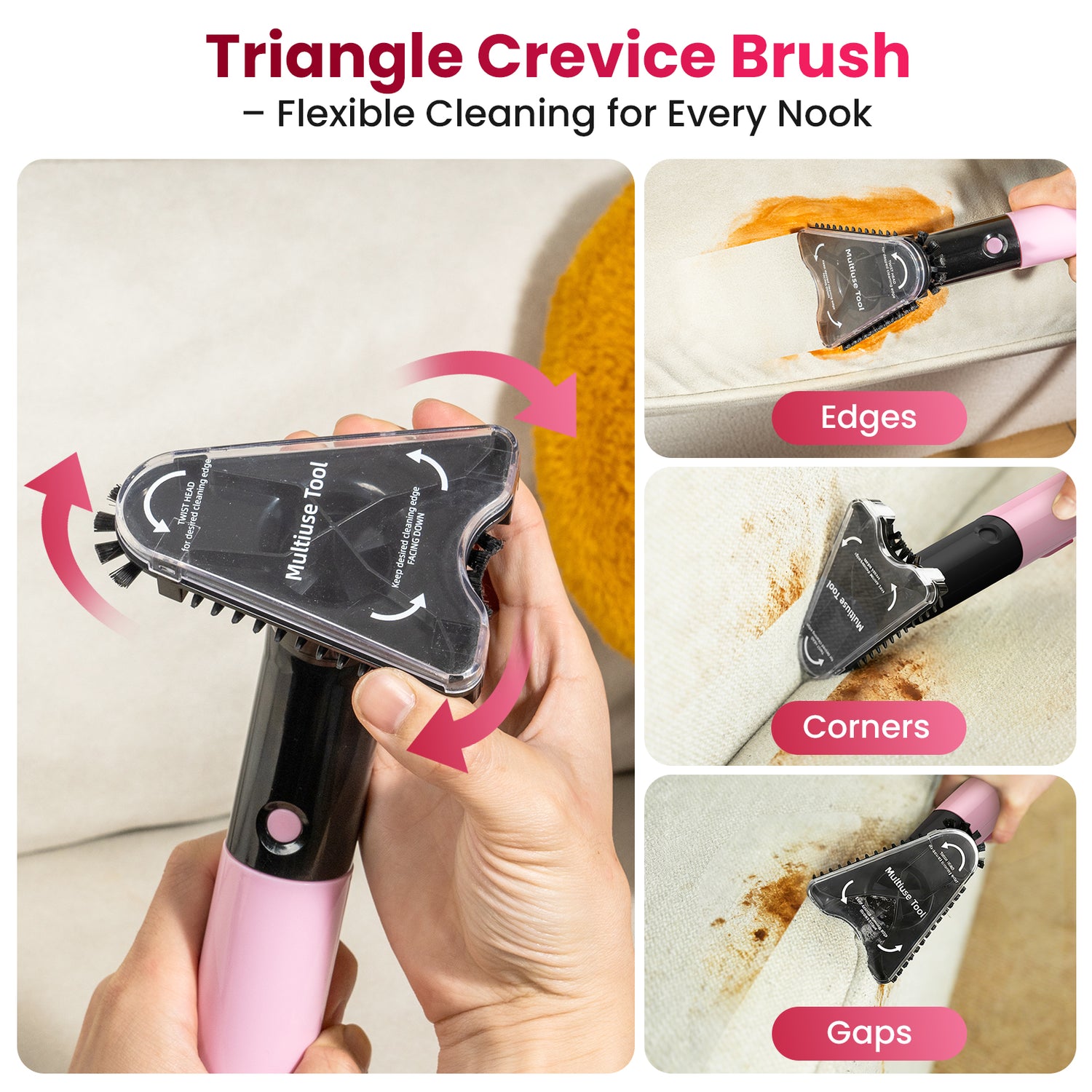
Dust mites, dead skin, pet dander, and debris hide in seams, tufts, and edges. Vacuuming removes up to 80 percent of surface contaminants.
Use the Right Vacuum Tools
Use an upholstery brush attachment to gently lift dirt from fabric. Use a crevice tool to reach tight spaces along edges and stitching. A shop vacuum is recommended because it handles fine particles like baking soda without clogging motors. Avoid high-end home vacuums for baking soda cleanup, as fine powders can damage filters and motors.
Vacuum Like a Pro
Work top to bottom, left to right. Focus on seams and stitching, gussets, pillow-top zones, and zipper pockets if present. Spend at least 5 to 10 minutes per side. Flip or rotate if your mattress allows.
• Vacuum every 1 to 2 months between deep cleanings
• Pay extra attention to corners and edges
• A thorough vacuuming is the foundation of mattress hygiene
Spot-Clean Stains the Right Way
Never scrub. Always blot. Rubbing spreads stains deeper into fibers. Use white cloths to avoid dye transfer.
Remove Blood Stains Fast
Blood is protein-based. Hot water sets the stain, so always use cold.
Baking Soda Paste Method
Mix 2 tablespoons baking soda with 1 tablespoon water. Apply to the stain and let sit for 30 to 60 minutes. Blot with a damp cloth, then dry.
Hydrogen Peroxide for Stubborn Stains
Use 3 percent hydrogen peroxide, which is standard household strength. Test on a hidden area first, as it can bleach colored fabric. Apply directly and wait 5 to 10 minutes. Blot dry and repeat if needed.
• Hydrogen peroxide removed a 2-day-old blood stain with no scrubbing
• Never mix hydrogen peroxide with vinegar, as this creates peracetic acid
• Cold water is essential for any blood stain treatment
Treat Urine Stains Step by Step
Urine leaves odors and potential bacteria. Act quickly.
Immediate Action
Blot up liquid with absorbent towels. Press down, do not wipe.
Complete Cleaning Process
First, sprinkle baking soda generously over the area and let sit for 15 minutes to absorb moisture and odor. Vacuum thoroughly. Second, apply a vinegar solution. Mix 1 cup white vinegar with 1 cup water. Spray lightly, do not soak. Wait 15 minutes and blot with a damp cloth. Third, air dry completely using a fan or dehumidifier. Confirm dryness by touch with no cool spots.
• Vinegar neutralizes ammonia in urine but is not a strong disinfectant
• It helps with smell, not sanitization
• Thorough drying prevents bacterial growth
Deodorize and Sanitize with Baking Soda

Now treat the entire surface. Baking soda is non-toxic, effective, and safe for most mattresses.
Apply Baking Soda Evenly
Use a sifter or fine-mesh container to spread a thin layer over the whole mattress. Avoid clumps. Let it sit for 4 to 8 hours, or overnight for heavy odors. The longer it sits, the more moisture, oils, and volatile compounds it absorbs.
Vacuum Again After Treatment
Use a shop vacuum or upright with a clean filter. Make multiple passes to remove all residue.
• Baking soda neutralizes both acidic and basic odors
• It dries damp areas that harbor microbes
• Safe for memory foam, latex, and innerspring
Final Air Out and Drying Steps
After vacuuming, let the mattress air out for another 1 to 2 hours. Even if it feels dry, residual moisture may linger beneath the surface. Use a fan or dehumidifier, especially in humid environments. Never remake the bed until fully dry, because trapped moisture leads to mold.
• No dark spots and no cool sensation when touched means it is dry
• This step is non-negotiable after any liquid treatment
• Better safe than sorry with moisture
Rotate and Flip Your Mattress
Extend mattress life by redistributing wear. Rotate the mattress 180 degrees every 3 to 4 months. Flip only if two-sided, because most modern mattresses are not flip-friendly. Check manufacturer guidelines, because flipping a one-sided mattress can void the warranty.
• Mark your calendar for rotation
• Rotation prevents sagging and pressure point buildup
• Follow manufacturer instructions to protect your warranty
Protect with a Mattress Encasement
The best defense is a good offense. A high-quality protector blocks spills, allergens, and dust mites.
Choose the Right Protector
Look for a waterproof barrier such as TPU, PUL, or vinyl. Choose a full zip encasement that covers sides and bottom. Ensure the fabric is breathable to keep you cool. Look for allergen-proof protection that blocks dust mites and pollen. Fitted-sheet style covers offer minimal protection, so zippered is superior.
Wash Your Protector Regularly
Most protectors are machine washable. Use cold water on a gentle cycle with mild detergent. Air dry, because high heat degrades waterproof layers. Wash every 1 to 3 months, or monthly if you have pets, allergies, or spills occur.
• Mattress protectors save so much stress
• A zippered encasement is far superior to a fitted sheet
• Regular washing maintains the protective barrier
Common Cleaning Mistakes to Avoid
Do not fall for outdated or dangerous advice.
Vinegar Is Not a Disinfectant
While vinegar kills some germs, it fails against many pathogens like norovirus and mold spores. Overuse can degrade foam and leave lingering smells.
Never Use Bleach
Bleach damages fabrics, weakens fibers, and releases toxic fumes. It can also leave harmful residues. Avoid entirely.
Steam Cleaning Carries Risks
Unless your mattress is labeled steam-safe, avoid it. Steam penetrates deep and cannot be fully extracted, leading to mold.
Sunlight Has Limited Effect
UV light only sanitizes the surface. Prolonged exposure can fade or weaken materials. It is not a substitute for proper cleaning.
• The best strategy combines physical removal, chemical breakdown, and moisture control
• Skip the myths and follow the science
• Proper technique matters more than fancy products
Essential Equipment for Mattress Cleaning
Having the correct tools ensures safety and effectiveness.
| Tool | Purpose | Recommendation |
|---|---|---|
| Vacuum with attachments | Remove debris from surface and seams | Shop vacuum preferred |
| Clean white cloths | Blot stains without dye transfer | Microfiber or paper towels |
| Spray bottle | Apply vinegar solution lightly | Use only for spot treatment |
| Fan or dehumidifier | Speed up drying | Essential after any liquid use |
| Sifter | Spread baking soda evenly | Prevents clumping and waste |
Maintenance Schedule for a Fresh Mattress
Consistency keeps your mattress fresh and extends its lifespan.
| Task | Frequency | Notes |
|---|---|---|
| Wash bedding | Weekly | Use hot water when possible |
| Vacuum mattress | Every 1 to 2 months | Focus on seams and edges |
| Deep clean mattress | Every 6 to 12 months | Sooner after spills or illness |
| Wash protector | Every 1 to 3 months | More often with pets or allergies |
| Rotate mattress | Every 3 to 4 months | Flip only if two-sided |
| Air out mattress | After cleaning | Minimum 2 hours with airflow |
Special Considerations for Different Mattresses
For Memory Foam or Latex Mattresses
These materials retain moisture and are prone to mold. Use minimal liquid. Always blot, never soak. Avoid steam unless approved by manufacturer. Dry thoroughly, overnight is safest.
For Allergy Sufferers
Reduce triggers by using an allergen-proof encasement. Vacuum monthly. Maintain humidity below 50 percent. Wash bedding weekly in hot water.
After Illness or Biofluid Exposure
Treat as biohazard. Wear gloves. Use hydrogen peroxide for disinfection. Allow extended drying, overnight minimum. Consider professional cleaning for large exposures.
Frequently Asked Questions About Disinfecting a Mattress
How often should I disinfect my mattress?
Deep clean and disinfect your mattress every 6 to 12 months. Wash bedding weekly and vacuum the mattress every 1 to 2 months. Clean sooner after spills, accidents, or illness.
Can I use steam cleaning on my mattress?
Steam cleaning is not recommended unless your mattress is specifically labeled as steam-safe. Steam penetrates deep into materials and can trap moisture, leading to mold growth inside the mattress.
What is the best way to remove old blood stains from a mattress?
Use cold water first to rinse the area, then apply a baking soda paste. For stubborn stains, use 3 percent hydrogen peroxide. Test on a hidden area first. Let it sit for 5 to 10 minutes, then blot dry.
Does vinegar actually disinfect a mattress?
Vinegar has limited disinfectant power. It is not effective against many pathogens like norovirus and mold spores. It works better for odor neutralization than for true sanitization. Use hydrogen peroxide for actual disinfection.
Can I flip my mattress to extend its life?
Only flip your mattress if it is specifically designed as two-sided. Most modern mattresses are one-sided, and flipping can damage the comfort layers and void the warranty. Rotation is usually sufficient.
Key Takeaways for Disinfecting Your Mattress
Disinfecting your mattress is not just about cleanliness, it is about health, comfort, and longevity. By following this complete protocol every 6 to 12 months, you will sleep on a fresher, safer surface and extend your mattress life by years. The process involves stripping bedding, thorough vacuuming, targeted stain treatment, baking soda deodorizing, and complete drying before protecting with a quality encasement. Invest in a washable zippered cover to simplify future cleanings. A clean mattress means better sleep, fewer allergens, and peace of mind, night after night.