Is one side of your mattress too soft while your partner still finds it comfortable? You’re not alone. Many couples face mismatched sleep preferences or uneven wear that leads to sinking, sagging, or discomfort on just one side. Replacing the entire mattress can be costly and unnecessary, especially if only half needs help. The good news: you can firm up one side of a mattress without disrupting the other. By targeting support, foundation, and surface feel, you can restore balance and extend your mattress’s life. In this guide, you’ll learn proven, step-by-step methods from budget plywood fixes to smart topper choices that let you customize firmness for one sleeper only.
Fix the Foundation First

Before modifying the mattress itself, check what sits underneath. A weak or worn base often causes softness, especially on one side. Addressing the foundation first saves money and effort.
Test for Base Flexibility
Press down on the area beneath the sagging side. If the slats bend, the box spring sags, or the platform dips, the foundation, not the mattress, is the real culprit. Brad Grose of Mattress Miracle explains, “Half the calls I get about soft mattresses are actually foundation issues.”
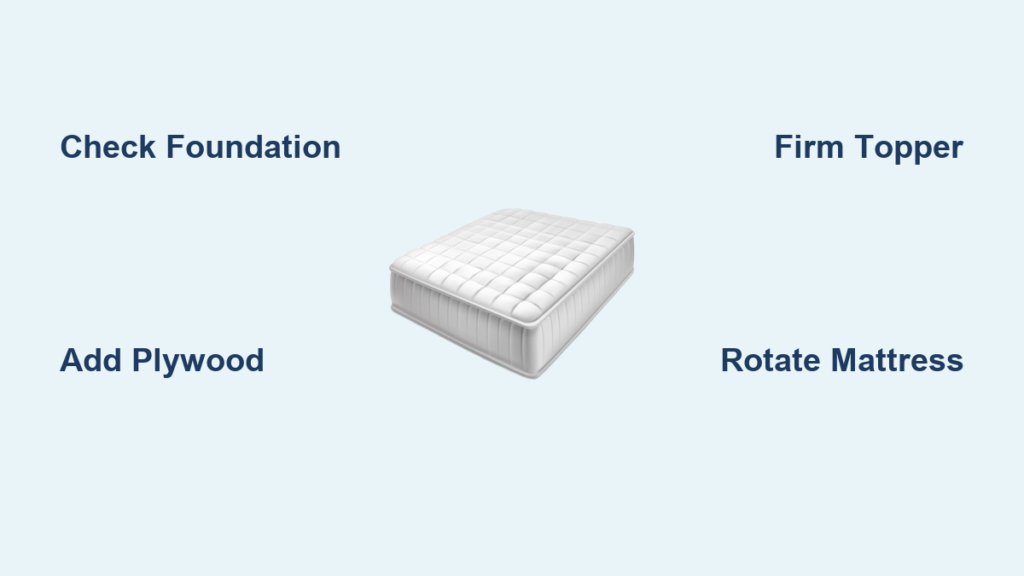
Add Half-Sized Plywood Support
Cut a 3/4-inch plywood sheet to cover only the side that needs firming. For a queen mattress, cut approximately 39 inches by 80 inches. Drill two to three small half-inch ventilation holes to prevent moisture buildup. Slide the plywood under the affected half, resting directly on the slats or frame. This blocks foam or coils from sinking into gaps and adds immediate rigidity.
Pro Tip: Use a factory-made bunkie board for a cleaner look, or paint the plywood to match your bed frame.
Reinforce Weak Slats or Box Springs
If slats are spaced more than 3 inches apart, replace them with solid plywood or add cross-supports. For sagging box springs, consider replacing them with a solid platform. You can also install adjustable 2×4 supports or threaded jacks under the low side to lift and stabilize it asymmetrically.
Use a Firm Topper on One Side Only
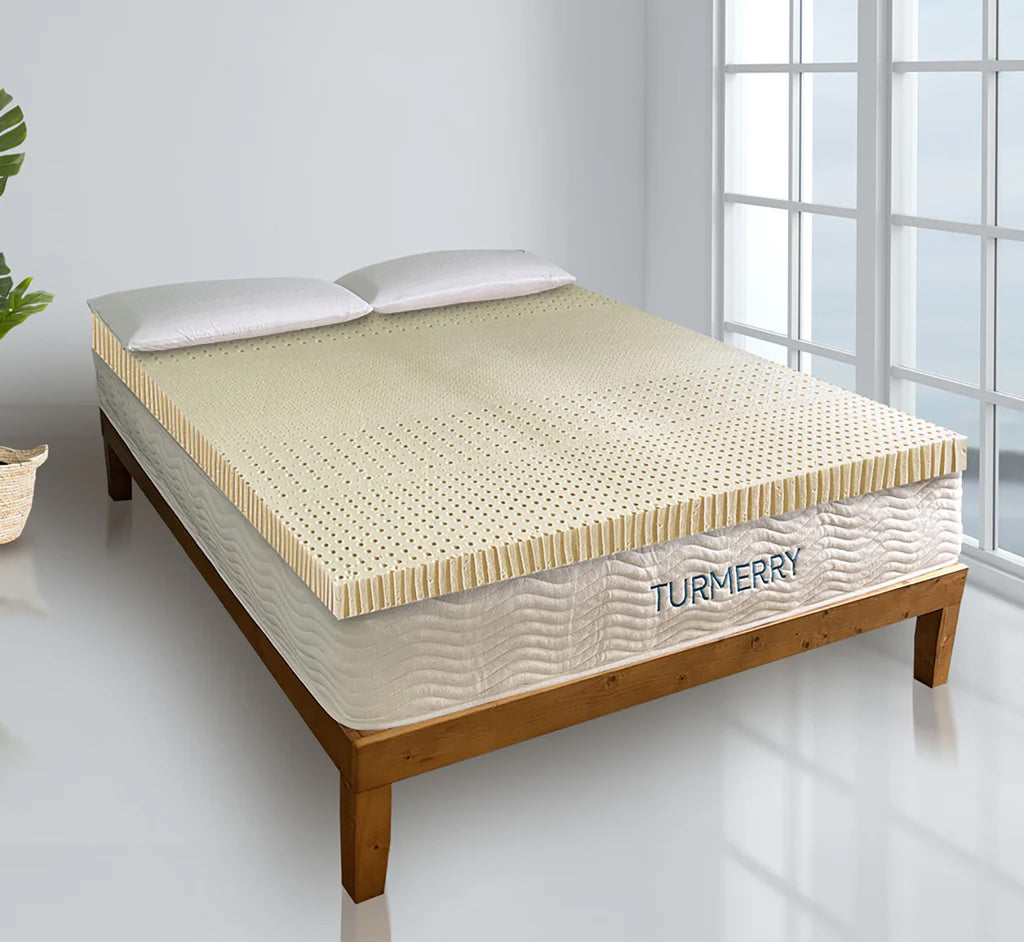
A targeted topper adds surface firmness without affecting your partner’s comfort. This method works well when the mattress structure is sound but the surface feels too soft.
Choose Dunlop Latex (3″ ILD 28+)
Dunlop latex is denser and firmer than Talalay. A 3-inch topper with an Indentation Load Deflection (ILD) of 28 to 36 provides durable, resilient support. It resists compression and won’t soften over time like memory foam.
Avoid: Memory foam, down, or fiber toppers. These add softness, not firmness.
Try High-Density Polyurethane Foam
If latex is too expensive, opt for a 4 to 6 pound per cubic foot polyurethane foam topper at least 3 inches thick. Low-density foams below 3 pounds per cubic foot compress quickly and won’t last.
Secure the Topper in Place
Use non-slip pads, Velcro strips, or adhesive tape to keep the topper from shifting. Choose a flat-profile model so it doesn’t create a noticeable height difference between sides.
User Insight: One tester reported that a firm latex topper “made a soft mattress feel supportive again,” especially when paired with plywood underneath.
Upgrade or Adjust the Mattress Base
The foundation plays a bigger role in firmness than most realize. A solid, stable base can transform a soft mattress into a supportive one.
Replace Sagging Box Springs
Worn coils lose tension and cause uneven support. Swap a sagging box spring for a solid wooden or metal platform. You can even build a split foundation with solid support on one side and the original on the other to customize asymmetrically.
Tighten or Replace Slats
Loose or bowed slats flex under weight. Upgrade to reinforced slats or reduce spacing to under 3 inches. Add a center support leg if your frame lacks one.
Install Adjustable Support Jacks
Use threaded bolts or wooden blocks under the low side of the platform to lift and stabilize it. This lets you fine-tune firmness asymmetrically.
Real-World Result: One user tightened supports under their bed and said it “felt like an entirely new bed.”
Cool the Room for Memory Foam Mattresses
Memory foam softens with heat, so lowering the temperature can firm it up temporarily. This method works best for temperature-sensitive foams.
Keep Bedroom Below 20°C (68°F)
Use air conditioning, fans, or open windows to cool the room. Cooler foam becomes denser and less conforming, which helps back and stomach sleepers who need more support.
Combine with Cooling Bedding
Use breathable cotton sheets, a cooling mattress protector, or a gel-infused topper to enhance the effect.
Limitation: This only works with temperature-sensitive foams and won’t fix structural sag.
Rotate or Flip the Mattress
Even wear helps prevent one side from collapsing faster. Regular rotation extends the mattress lifespan for both sleepers.
Rotate Every 3 to 6 Months
Turn the mattress 180 degrees to shift wear from head to foot. This is crucial if one person sleeps in the same spot nightly.
Flip If It’s Double-Sided
Only flippable mattresses, common in latex or older innerspring models, can be turned top to bottom. Flipping puts the less-compressed side on top, restoring firmness.
Brands That Still Offer Flippable Models: Restonic, Sleep In, and some handmade latex brands.
Warning: Never flip a non-flippable mattress. Doing so may void the warranty.
Try a Split-King Setup
When unilateral fixes fail, a split-bed solution offers total customization. This is the most effective long-term fix for persistent firmness mismatches.
Use Two Twin XL Mattresses
A split king combines two Twin XLs under one fitted sheet. Each partner chooses their own firmness, firm for one, soft for the other.
Bridge the Gap
Use a foam connector or bed bridge to eliminate the space between mattresses. Some frames come with integrated connectors.
User Experience: One couple switched after trying plywood, toppers, and floor sleeping. They called it “the only solution that finally worked.”
Benefits:
• No compromise on comfort
• Independent toppers, foundations, and rotation schedules
• Reduces motion transfer
Evaluate Mattress Condition
Some mattresses cannot be saved no matter what you do. Knowing when to replace saves money and frustration.
Signs It’s Time to Replace
Watch for these warning signs. Sagging deeper than 1.5 inches indicates structural failure. Foam that doesn’t rebound after pressure is permanently compressed. Squeaky or broken coils signal innerspring damage. Age over 8 to 10 years, or 15 years for latex, means natural degradation. No improvement after plywood, toppers, or foundation fixes confirms the mattress has reached end of life.
Average Lifespans by Type
| Type | Lifespan | Firmness Range |
|---|---|---|
| Innerspring | 6 to 8 years | Medium-firm to firm |
| Memory Foam | 10 years | Soft to medium-firm |
| Latex | 15 years | Soft to firm |
| Hybrid | 8 to 10 years | Medium to firm |
Expert Verdict: “If your mattress is over eight to ten years old and still feels unsupportive after fixes, it’s likely at the end of its life.” — Mattress Miracle
Who Needs a Firmer Side?
Not everyone benefits from extra firmness. Understanding your sleep style helps you choose the right approach.
Best Candidates for Firm Support
Back sleepers need support to keep the spine neutral. Stomach sleepers require firm beds to prevent hip sinking and back strain. Heavier individuals over 230 pounds need firmer surfaces that resist compression. Older adults and back pain sufferers find medium-firm mattresses improve spinal alignment and reduce pain, according to research published in The Lancet.
Who Should Avoid It
Side sleepers need softness to cushion shoulders and hips. Lighter individuals under 130 pounds may feel pressure points on firm surfaces.
Check Warranty and Trial Policies
Modifications can void warranties, so read the fine print before making changes.
Avoid Unauthorized Additions
Some brands, like Purple, warn that bunkie boards or toppers may not work with their unique materials such as GelFlex Grid. Always check manufacturer guidelines.
Use Trial Periods Wisely
Many brands offer 100 or more night trials. Saatva provides 365 nights. If firmness remains an issue, you may still be able to return or exchange.
Contact the Manufacturer
Even after the trial ends, companies may offer replacement comfort layers, diagnostic help, or upgrade discounts.
Step-by-Step Action Plan
Follow this sequence for the best results. Each step builds on the previous one.
1. Diagnose the Problem
Press on the base. If it flexes, fix the foundation first.
2. Lower Room Temperature
Cool the bedroom below 20°C to firm memory foam temporarily.
3. Add Half Plywood Board
Cut 3/4-inch plywood to size, drill ventilation holes, and slide under the soft side.
4. Install a Firm Topper
Use a 3-inch Dunlop latex topper with ILD 28 or higher, or high-density polyurethane foam. Apply only on the side that needs it.
5. Rotate or Flip
Turn the mattress 180 degrees every 3 to 6 months. Flip only if it’s double-sided.
6. Reinforce the Base
Upgrade slats, replace box springs, or add adjustable supports under the low side.
7. Assess for Replacement
If sag exceeds 1.5 inches or the mattress is over 8 to 10 years old, consider a new one.
8. Try a Split-King
For permanent mismatch, two Twin XLs offer full customization.
Frequently Asked Questions About Firming Up One Side of a Mattress
Can I make just one side of a mattress firmer without affecting the other side?
Yes, you can firm up one side only. Methods that work for one side include adding plywood underneath that specific half, placing a firm topper on only that side, or reinforcing the foundation beneath it. These targeted approaches don’t impact the other sleeper’s comfort.
Why does only one side of my mattress feel soft?
One side often feels softer due to uneven wear from sleeping in the same spot nightly. A weak foundation beneath that side, such as bent slats or a sagging box spring, can also cause localized softness. Sometimes the issue starts in the base rather than the mattress itself.
What is the cheapest way to firm up one side of a mattress?
The cheapest fix is checking and reinforcing the foundation first. Adding a half-sheet of 3/4-inch plywood under the soft side costs about $30 to $60 and often solves the problem immediately. This works best when flexible slats are the culprit.
How long do these fixes last?
Plywood and foundation fixes can last the remaining lifespan of the mattress. Firm toppers typically last 3 to 5 years depending on quality. Temperature adjustments provide temporary effects that reverse when the room warms up.
Will adding a topper void my mattress warranty?
Some warranties are voided by adding unauthorized toppers or plywood boards. Check your manufacturer’s guidelines before making modifications. Brands like Purple specifically warn against certain additions that could interfere with their materials.
When should I just replace the mattress instead?
Replace the mattress if sagging exceeds 1.5 inches, foam doesn’t rebound after pressure, or the mattress is over 8 to 10 years old with no improvement from fixes. At that point, repairs cost more than replacement and won’t restore proper support.
Key Takeaways for Fixing an Uneven Mattress
You don’t need to replace your mattress just because one side feels too soft. Start with the cheapest fix, checking the foundation, before investing in toppers or plywood. Combining methods typically yields the best results. A firm Dunlop latex topper paired with a plywood support board can transform a sagging side into a supportive surface.
If pain or sagging persists after trying these methods, it may be time for a split-king setup or full replacement. Prioritize spinal alignment, respect warranty terms, and remember that a well-supported mattress can last years longer. Address the problem early, follow the step-by-step plan, and enjoy balanced comfort for both sleepers.