Moving a mattress upstairs ranks among the most physically demanding tasks during any home move or bedroom upgrade. Whether you are hauling a king-sized memory foam model or replacing an old innerspring, the challenge lies not just in the weight, which often exceeds 150 pounds, but also in navigating tight corners, narrow stairwells, and fragile flooring. Without proper technique, you risk back injury, property damage, or ruining your new mattress before it even touches the bed frame.
This comprehensive guide walks you through every step: from measuring your route and choosing the best lifting method, to using DIY straps, dollies, and professional help when needed. You will learn how to protect both yourself and the mattress, navigate tricky staircases, and ensure your bed performs perfectly for years to come.
Measure Your Route Before Lifting Anything
Before lifting a single inch, assess whether the mattress can physically make it upstairs. This planning step prevents wasted effort and potential damage.
Check Doorway and Stair Width
Use a tape measure to identify the narrowest point along your route, which is often a hallway doorframe, stairwell railing, or ceiling angle. Standard interior doors measure about 30 to 32 inches wide, while king and California king mattresses span 76 inches. If lying flat will not work, vertical positioning may save the day.
Test Vertical Clearance
Hold the mattress upright and tilt it diagonally. Often, the height of the mattress becomes its narrowest dimension when stood on end. Many tight turns can be cleared this way, especially on L-shaped or spiral staircases.
Map Ceiling-to-Stair Angle
Do not just measure vertical ceiling height. The real clearance is how high the ceiling sits above the inclined plane of the stairs. A mattress that fits in the hallway may still hit the ceiling when carried upward at an angle. Walk the route with a long object like a broomstick to simulate clearance before attempting the actual move.
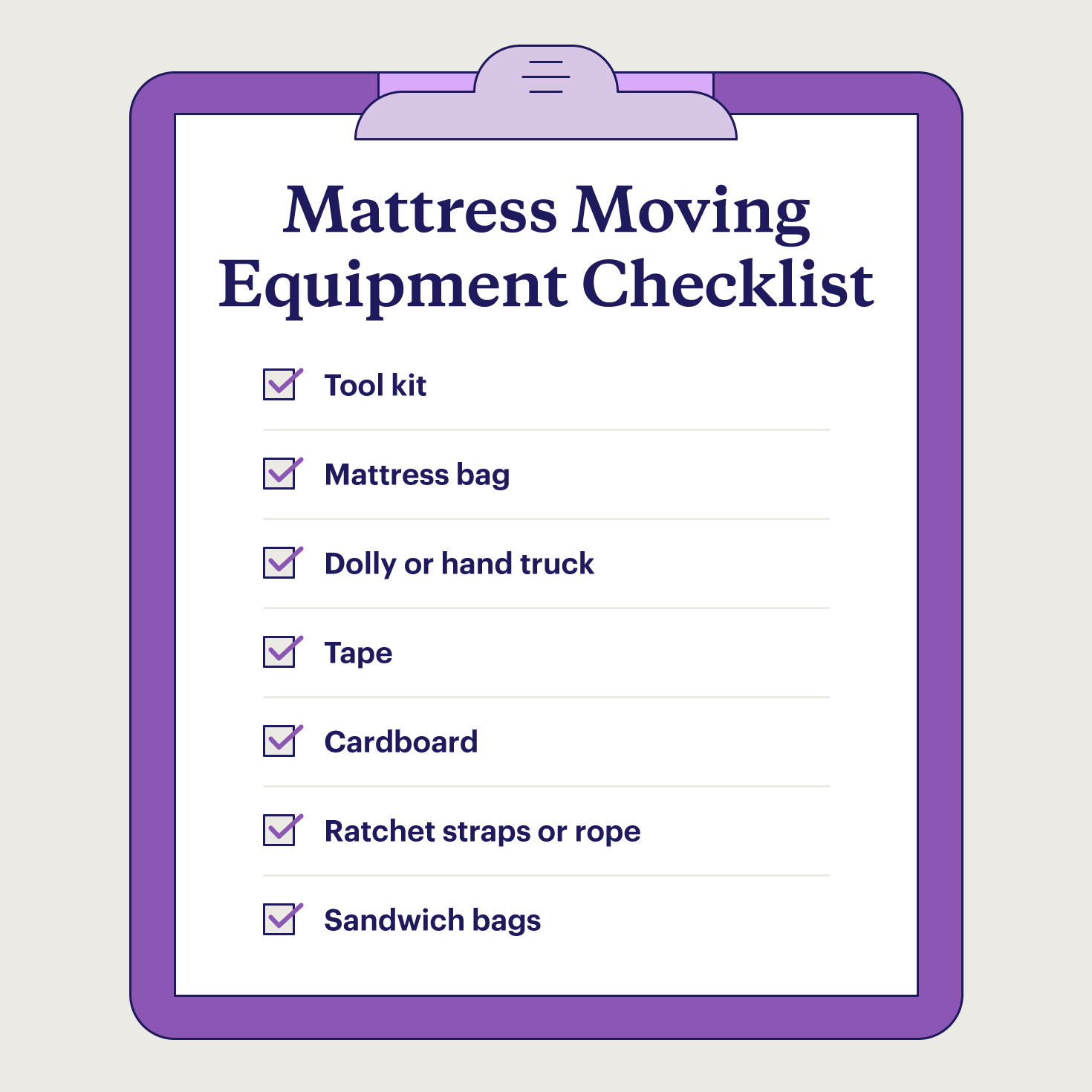
Gather the Right Tools Before You Start
Using proper equipment drastically reduces strain and increases control during the move.
Use a Mattress Bag
Wrap the mattress in a heavy-duty plastic cover, ideally 3.5 to 4 mil thickness, before moving. This prevents dust, moisture, and allergens from penetrating foam, scratches or tears from doorframes and banisters, and mold during storage or transport. Seal seams with packing tape for full protection.
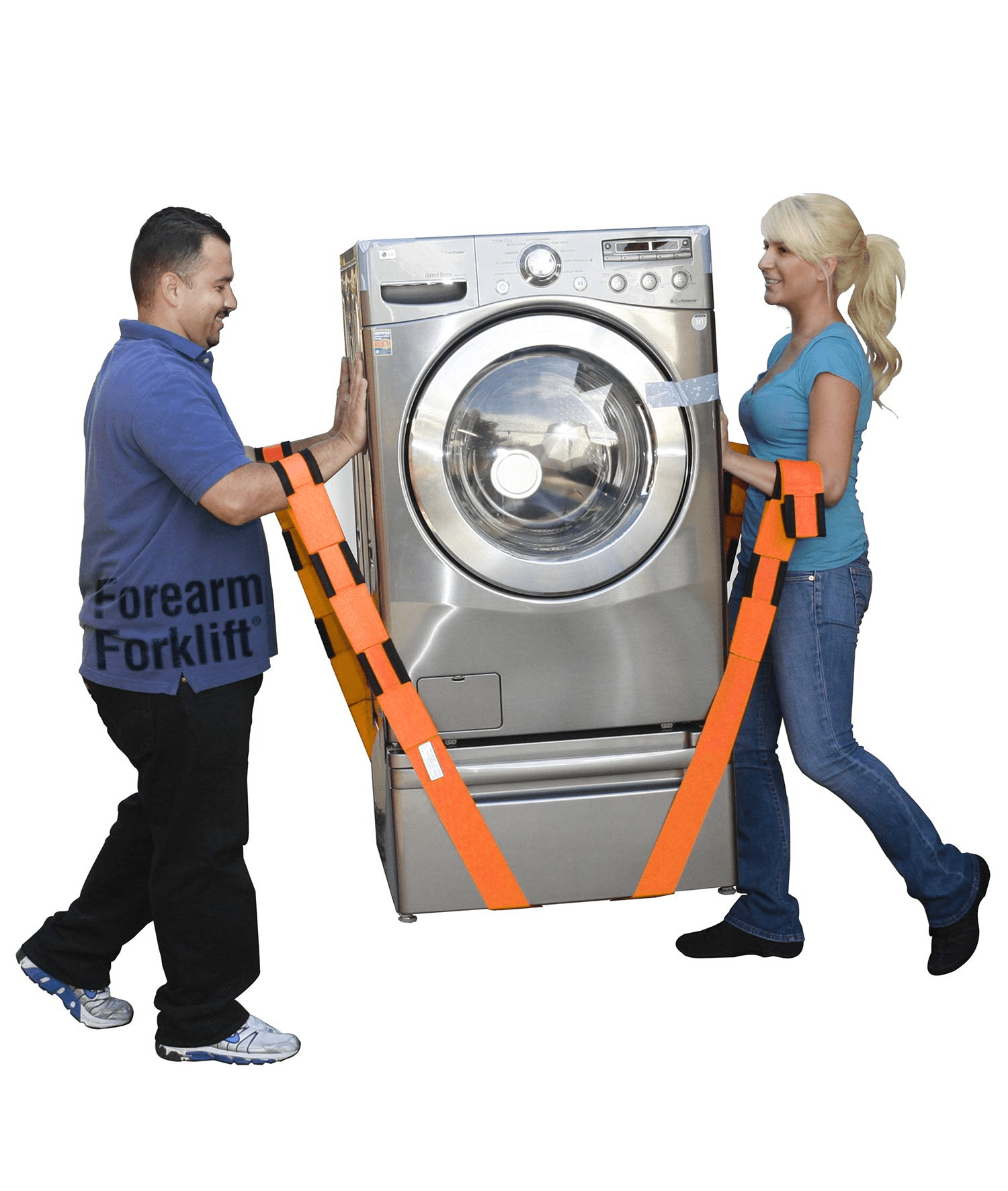
Forearm Forklift Straps or DIY Rope Sling
These distribute weight across your forearms rather than your hands or back, reducing strain by up to 70 percent. To make a DIY rope sling, fold a dish towel into a thick pad, loop 20 feet of paracord through it and tie a water knot, place two slings in an X-shape under the mattress, and grip both ends while lifting using leg strength. This works best for twin or full sizes. Larger models may require commercial straps or additional help.
Dolly or Hand Truck
A dolly is ideal for solo movers. Tilt the mattress vertically, slide the dolly under the bottom edge, secure with tie-down straps to prevent tipping, and push slowly up stairs one step at a time. This method works best for memory foam or hybrid mattresses under 120 pounds.
Lift Smart to Avoid Back Injury
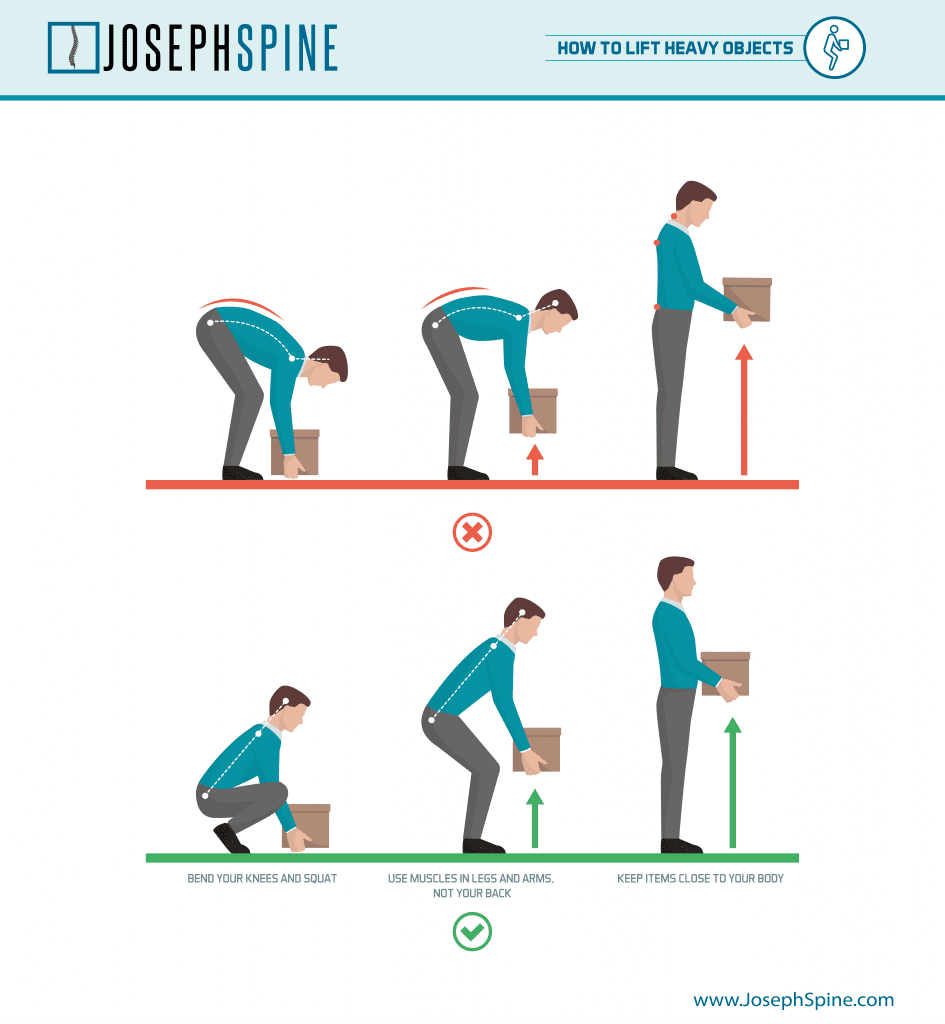
Most injuries happen from poor lifting form, not lack of strength. Proper technique protects your body.
Bend Your Knees, Not Your Back
Keep your spine straight and squat down, gripping the mattress close to your body. Lift using your leg muscles rather than your upper body. This fundamental technique prevents the most common moving injuries.
Keep the Load Below Shoulder Height
Holding a mattress above your head shifts your center of gravity and increases fall risk. If needed, pivot and reposition instead of overreaching to maintain stability throughout the ascent.
Never Twist While Carrying
Turn your whole body by stepping, not by twisting your torso. Twisting under load is a leading cause of disc injuries. Take small steps and pivot your feet to change direction safely.
Warm Up and Take Breaks
Do light stretching before starting your move. Take a 2-minute break every 10 to 15 minutes to avoid fatigue-related accidents that occur when muscles tire.
Navigate Stairs Safely and Methodically
Stairs present the most dangerous part of the entire move. Approach them with caution.
Take It One Step at a Time
Focus on foot placement with each step. Maintain three points of contact: two feet and one hand, or two hands and one foot. Move slowly because speed on stairs leads to accidents.
Use Vertical Positioning for Tight Turns
Rotate the mattress upright to reduce its footprint, pivot around corners, and clear low ceilings. If the turn is too tight, gently lift the mattress over the bannister, if structurally sound, to bypass the curve entirely.
Communicate with Your Helper
If moving with help, assign clear roles with one person leading and one following. Call out movements like stepping up, turning left, or clear. Move in unison and never pull or push independently, which causes the mattress to swing unpredictably.
Determine If You Can Move It Solo
Solo moves are possible, but only under the right conditions.
When to Do It Alone
Attempt a solo move if the mattress is lightweight, under 100 pounds, such as a low-density foam or airbed. You should have a dolly, straps, or sliders available. The path must be completely clear and obstacle-free, and you need to be physically capable and properly warmed up.
When to Get Help
Enlist at least one helper when the mattress is king, super king, or hybrid, weighing 120 pounds or more. Stairs that are narrow, winding, or steep also warrant assistance. Even one helper guiding the top end can make a huge difference in control and safety.
Never Fold, Bend, or Roll the Wrong Type
How you handle the mattress directly affects its lifespan and warranty coverage.
Never Fold Innerspring or Hybrid Mattresses
Bending damages pocket springs, foam layers, and internal support systems. This can void the warranty and cause permanent sagging that ruins comfort.
Rolling Is Safe Only for Solid Memory Foam
Compress and roll only if the manufacturer explicitly allows it. Unroll within 24 hours and allow 4 to 24 hours for full expansion. Some experts actually prefer folding over rolling to reduce internal stress, so always follow the manufacturer instructions.
Protect Floors and Walls During the Move
A scratched floor or dented wall can turn a successful move into a costly repair.
Use Sliders or Moving Blankets
Place felt sliders under the bottom edge or lay moving blankets on hardwood, tile, or carpet to prevent scuffing, reduce drag, and make repositioning easier.
Cover Doorframes and Banisters
Wrap vulnerable edges with cardboard, towels, or bubble wrap. Secure with painters tape to avoid residue while still providing adequate protection.
Clear the Path Completely
Remove all rugs, furniture, decorative items, and wall art near the route. This eliminates tripping hazards and collision risks that could damage your home or the mattress.
Load and Secure the Mattress in Your Vehicle
How you load and secure the mattress matters for safe transport.
Choose the Right Vehicle
An SUV or minivan works best for single mattresses. A cargo van or trailer is needed for full bedroom sets with multiple large items.
Load Flat or Upright
Loading flat prevents bending stress, while upright positioning saves space. Secure firmly with furniture straps in either position.
Cushion and Secure
Surround the mattress with pillows, blankets, or clothes to absorb shocks. Anchor firmly with tie-down straps to prevent shifting during stops or turns.
Unpack and Inspect After the Move
The job is not done until the mattress is ready for use.
Allow Time to Expand
Memory foam needs 4 to 24 hours to return to its original shape. Keep the room well-ventilated to speed up off-gassing and eliminate any residual odors.
Check for Damage
Look for tears or punctures, compression marks, and misaligned layers. Report any issues to the seller or manufacturer immediately to preserve warranty coverage.
Dispose of the Old Mattress Responsibly
Recycle through programs like Feather and Black or local facilities. Use retailer haul-away services if available. Avoid sending the old mattress to a landfill since steel, foam, and fabric are all recyclable materials.
Know When to Hire Professional Movers
Sometimes the smartest move is calling the experts.
Hire Movers If
The mattress weighs over 120 pounds, stairs are extremely narrow or fragile, you have physical limitations or health concerns, or it is a long-distance or multi-item move. Professional movers bring experience, equipment, and insurance coverage.
Cost vs. Risk
Expect to pay 50 to 100 dollars for a local move or 300 to 500 dollars for long-distance service. This includes equipment, labor, and insurance. The cost of a professional mover is minor compared to emergency room bills or a ruined mattress.
Real-World Lessons from Difficult Moves
Experience teaches more than theory alone.
Case Study: King Mattress in a Century-Old Home
Two adults and their son attempted to move a king pillow-top upstairs in a narrow, steep staircase. Lying flat was impossible, so they used vertical carry, clearing each step slowly. The outcome was successful, but the new height caused sheet fit issues and their dog could not jump up. One homeowner remarked, I thought I was going to need a rope ladder to get in bed.
Key Takeaways
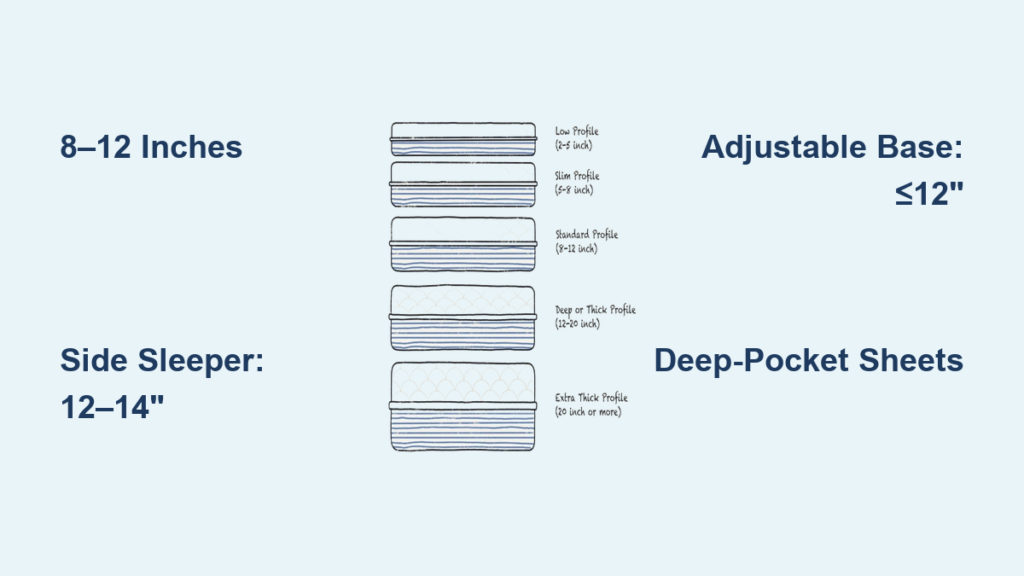
Mattress height matters, so measure bed frames and consider pet access. Even strong people need proper technique. Plan for post-move adjustments like longer sheets or bed steps for pets.
Final Checklist: Move Without Mishaps
Use this before you start your move.
Measure doorways, stairs, and ceiling angles. Clear the path of furniture and rugs. Wrap the mattress in a 3.5 to 4 mil plastic bag. Choose your tools such as dolly, straps, or rope sling. Warm up and stretch before lifting. Use leg strength, not your back. Move vertically through tight spots. Communicate with your partner. Secure the mattress in the vehicle with tie-downs. Allow 4 to 24 hours for memory foam expansion.
Frequently Asked Questions About Moving a Mattress Upstairs
Can I move a king-size mattress upstairs by myself?
Moving a king-size mattress solo is not recommended because they weigh 120 to 150 pounds. The risk of injury and property damage is high. Use at least one helper, proper lifting straps, or consider hiring professionals for heavy queen and king sizes.
What is the safest way to carry a mattress up stairs?
The safest method involves using forearm forklift straps or a dolly. Keep the mattress close to your body, below shoulder height, and move one step at a time. Bend at the knees, not the back, and never twist while carrying.
Can I fold or roll my mattress to get it upstairs?
Only solid memory foam mattresses can be rolled, and only if the manufacturer permits it. Never fold, bend, or roll innerspring or hybrid mattresses because this damages internal springs and foam layers and voids most warranties.
How do I protect my walls and floors when moving a mattress?
Use sliders or moving blankets under the mattress to protect floors. Cover doorframes and banisters with cardboard or towels secured with painters tape. Completely clear the path of furniture, rugs, and decor before starting.
How long does it take a memory foam mattress to expand after moving?
Memory foam mattresses typically need 4 to 24 hours to fully expand after being compressed or rolled. Keep the room ventilated to help with off-gassing and allow the mattress to reach its intended comfort and support level.
Key Takeaways for Moving Your Mattress Upstairs Successfully
Moving a mattress upstairs does not have to be a back-breaking ordeal. With smart planning, the right tools, and proper body mechanics, you can complete this task safely whether working solo or with help. Always measure your route first because many mattresses cannot fit through doorways when lying flat, and vertical positioning often solves this problem. Use protective equipment like mattress bags, sliders, and lifting straps to protect both your home and your body. Remember that king-size and hybrid mattresses over 120 pounds genuinely require professional help or at least one additional person. Finally, allow proper expansion time for memory foam and inspect your mattress for damage immediately after the move. If the task feels beyond your physical capability, the cost of professional movers is a worthwhile investment compared to medical bills or a damaged mattress.