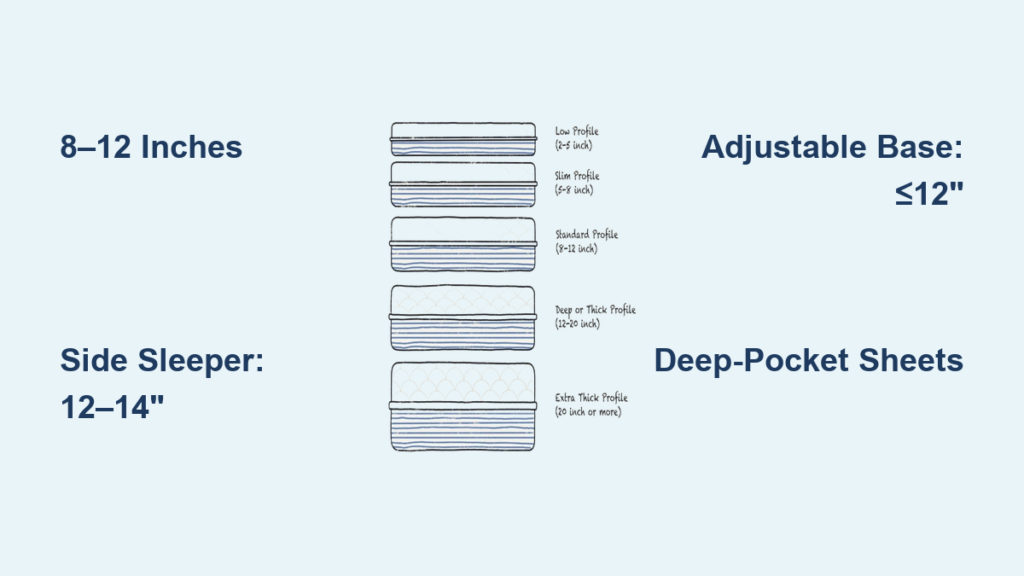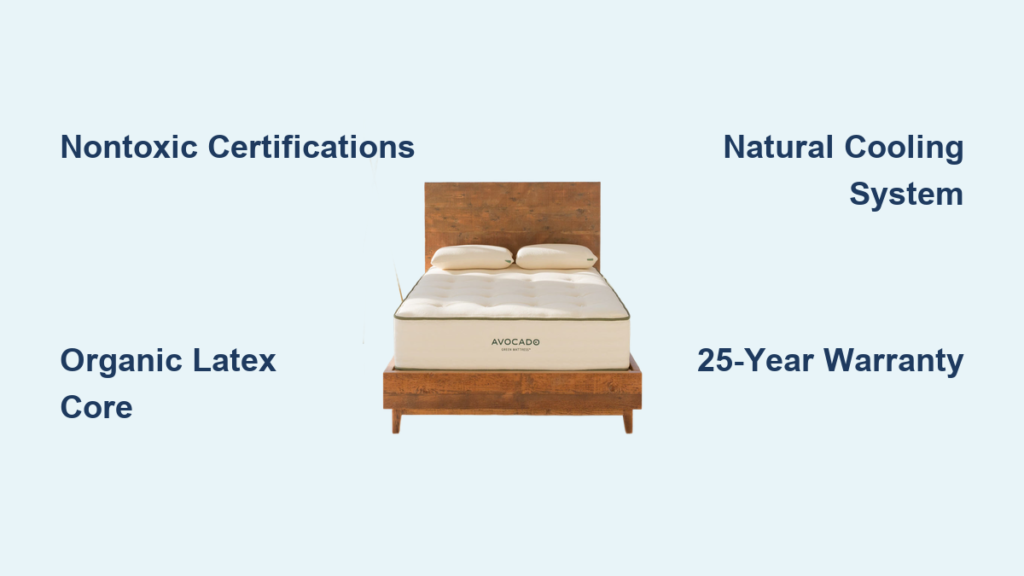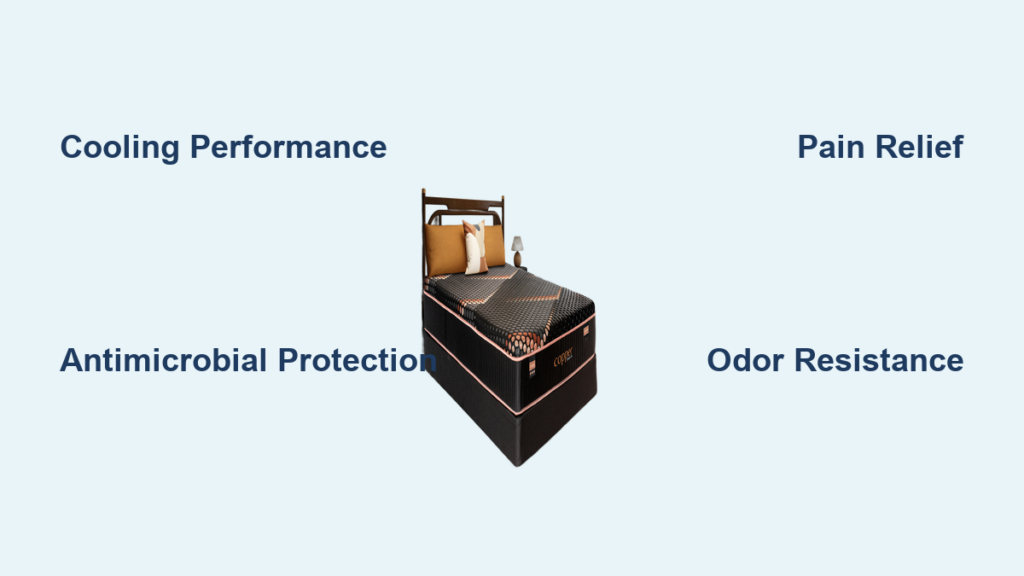
You just unboxed your new Casper mattress, and now you are wondering if you really need a box spring. You are not alone because so many bed frames and foundation options exist on the market today. The good news is that Casper mattresses are designed for modern use and do not require a traditional box spring. Your new bed is built to perform on various supportive surfaces as long as they remain flat and stable.
This guide explains exactly what support your Casper needs and why box springs are outdated for most foam and hybrid models. You will learn the best foundation options to extend your mattress life and avoid common setup mistakes. We will also cover how to spot improper support and what happens if you skip the foundation entirely. By the end, you will know how to set up your Casper for maximum comfort and warranty protection.
Suitable Foundations for Your Casper Mattress

Casper mattresses include both all-foam and hybrid models engineered for modern support systems. The key requirement is even weight distribution with minimal flex in the base. A proper foundation prevents sagging while reducing wear and maintaining airflow under the mattress.
Use a Solid Platform Bed for Best Results
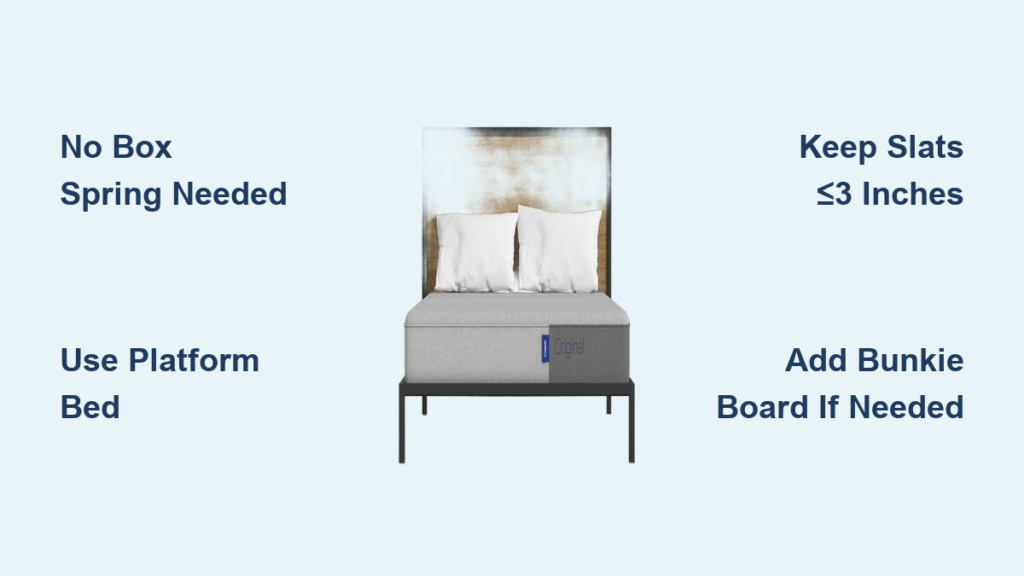
A solid platform bed made of wood or metal provides ideal support for your new sleep surface. These frames feature closely spaced slats that create a flat and stable surface for the mattress. Most platform beds eliminate the need for any additional foundation or old-fashioned box spring.
Pro Tip: If your slats are wider than 3 inches, add a bunkie board or plywood sheet to prevent sagging between supports.
Verify Slatted Base Spacing Requirements
Slatted bases are common with modern bed frames, but spacing matters significantly for foam beds. For Casper mattresses, ensure slats are no more than 3 inches apart to maintain structural integrity. Wider gaps can cause foam layers to compress unevenly, leading to premature indentations in the sleep surface.
- Avoid bowed or warped slats that create uneven pressure points
- Confirm a center support beam is present for queen, king, and California king sizes
- Use wooden slats over thin metal rails for better durability and stability
Opt for an Adjustable Base Compatibility
Casper mattresses are fully compatible with most adjustable bases available on the market. These allow you to elevate your head or feet for reading, snoring relief, or improved circulation during sleep. Just make sure the base is specifically designed for foam or hybrid mattresses to ensure proper function.
Note: Casper’s hybrid model works especially well on adjustable bases due to its reinforced edge support and responsive foam layers.
Why No Box Spring Is Needed for Casper

Traditional box springs were designed for innerspring mattresses to absorb impact and add height to the bed. Casper’s construction makes them unnecessary and sometimes harmful to the longevity of your new mattress. Understanding this distinction helps you avoid voiding your warranty or damaging the foam.
Outdated Design Conflicts with Modern Foam
Box springs are tall, soft, and compressible by design. Casper mattresses, especially hybrids, need firm and flat support to function correctly. Placing one on a wobbly or soft box spring can cause significant issues with alignment and comfort.
- Cause misalignment of foam layers leading to discomfort
- Increase motion transfer across the sleep surface
- Void warranty due to inadequate support structures
Bottom Line: Box springs add bounce rather than support, and bounce is the enemy of foam mattress construction.
Risk of Excessive Height and Instability
Using a box spring raises your bed significantly higher than necessary for daily use. This can make getting in and out harder, especially for older adults or those with mobility issues. It also increases the risk of the mattress sliding or shifting during normal use.
Best Alternatives to Traditional Box Springs

If you do not have a platform bed or slatted frame, several affordable alternatives provide the right support. These options replace the need for a bulky box spring while offering superior stability for your Casper.
Use a Bunkie Board for Thin Profiles
A bunkie board is a thin, firm panel usually made of wood or composite material. You place it over a box spring or widely spaced slats to create a solid surface for your Casper. This solution keeps your bed profile low while providing necessary rigidity.
- Ideal thickness ranges from 1 to 2 inches for most frames
- Can be used with or without an existing bed frame
- Keeps profile low and stable for easy access
Try a Modern Foundation Panel
A low-profile foundation is a modern replacement for traditional box springs. It is rigid, flat, and specifically designed for foam and hybrid mattresses like Casper. This option looks like a low, rectangular platform and often works with upholstered bed frames.
- Looks like a low, rectangular platform without springs
- Often used with upholstered bed frames for a finished look
- Provides full support without any unwanted bounce
What Happens Without Proper Support?

Skipping proper foundation setup might seem harmless at first glance. Over time, it can damage your mattress and void your warranty entirely. Understanding these risks helps you protect your investment.
Sagging and Indentations Develop Quickly
Foam layers compress more quickly when unsupported by a solid base. Gaps or soft spots develop where your body rests, especially at the hips and shoulders. This leads to an uncomfortable and uneven sleeping surface over time.
Warning Signs:
* Visible dips deeper than 1 inch in the sleep surface
* Mattress feels significantly softer in the center
* Uneven sleeping surface causes back pain
Warranty May Be Voided Entirely
Casper’s warranty requires the mattress to be used on a proper support system. If a claim is made and inspectors find damage from inadequate support, the claim may be denied. This includes sagging due to wide slats or soft box springs.
From Casper’s Policy: “The mattress must be used on a fully supportive foundation with center support for queen size and larger.”
Can You Use an Old Box Spring?
Technically, you can use an old box spring, but only if it is in excellent condition. It must be paired with a bunkie board to ensure the surface remains flat and firm. A worn or sagging box spring will compromise your Casper’s performance significantly.
When It Might Work Safely
Using an existing box spring is possible under very specific conditions. The underlying structure must be sound, and the surface must not flex under pressure. Adding a rigid layer on top is essential for safety.
- Box spring is firm and shows no signs of wear or tear
- It is used with a solid bunkie board on top for rigidity
- Slats underneath are intact and level without bowing
When to Avoid Using Old Springs
You should avoid using old box springs if they show any signs of age or damage. The internal structure of old springs often fails to provide the flat surface foam mattresses require.
- Springs are audible or visible through the fabric
- Surface sags when pressed with moderate hand pressure
- Used with a metal rail frame only without center support
Expert Note: Even if it works now, an old box spring shortens your mattress lifespan. Replace it with a modern foundation for best results.
Setup Tips for Longevity and Comfort
Maximize your Casper’s comfort and durability with these simple setup practices. Proper installation ensures you get the most out of your new sleep system.
Check for Center Support Beams
Queen, king, and California king beds must have a center support beam that runs from head to foot. Without it, the frame can flex, leading to frame failure and mattress sag. This is critical for larger mattress sizes.
- Use a leg that touches the floor directly
- Confirm beam is metal-reinforced for heavy daily use
Ensure Even Airflow Under Mattress
Allow at least 2 to 3 inches of space under the mattress for ventilation. This prevents moisture buildup and reduces odor risk, especially during the break-in period. Good airflow keeps the mattress fresh and dry.
- Avoid placing mattress directly on carpet
- Don’t enclose sides with non-breathable materials
Rotate Occasionally for Even Wear
While Casper does not require flipping, rotating the mattress helps distribute wear evenly. Turn it head-to-foot every 3 to 6 months. This is especially helpful if one person sleeps in the same spot nightly.
Final Recommendations for Your Casper Setup

Your Casper mattress is built for simplicity and performance, but only when paired with the right support. Skip the outdated box spring and choose a flat, firm, and stable foundation instead. Whether it is a platform bed, slatted base with close spacing, or adjustable frame, the goal is consistent support across the entire surface.
Investing in the right base protects your investment effectively. It prevents sagging, maintains comfort, and keeps your warranty valid for years to come. With so many low-profile and modern options available, you can achieve a clean look without sacrificing support. So, does a Casper mattress need a box spring? No. What you need is smart, modern support, and now you know exactly how to get it.
Frequently Asked Questions About Casper Mattress Support
Can I put my Casper mattress directly on the floor?
Yes, you can place your Casper mattress directly on the floor temporarily. However, this limits airflow and may cause moisture buildup or mold over time. It is better to use a slatted base or platform bed for ventilation.
How far apart should slats be for a Casper mattress?
Slats should be no more than 3 inches apart for proper Casper mattress support. Wider gaps can cause the foam to sag between slats, leading to permanent indentations. If your slats are too wide, add a bunkie board.
Will using a box spring void my Casper warranty?
Using a traditional box spring can void your warranty if it causes damage to the mattress. Casper requires a firm, flat surface for support. If inspectors find sagging caused by an improper base, your claim may be denied.
Do I need a special foundation for a Casper hybrid?
No, you do not need a special foundation, but you do need a firm one. Casper hybrid models work well on platform beds, closely spaced slats, or solid foundations. Avoid soft or flexible bases that allow the mattress to sink.
How often should I check my bed frame support?
You should check your bed frame support every 6 to 12 months. Look for loose screws, warped slats, or a weakening center beam. Regular maintenance ensures your mattress stays supported and comfortable.
Key Takeaways for Casper Mattress Owners
Your Casper mattress does not need a traditional box spring to function correctly. Instead, it requires a flat, firm surface like a platform bed, closely spaced slats, or a solid foundation panel. Using the wrong support can lead to sagging, discomfort, and potential warranty issues.
Choose a base with slats no wider than 3 inches or use a bunkie board for added stability. Ensure larger beds have a center support beam to prevent frame flex. By following these guidelines, you ensure your mattress lasts longer and sleeps better.