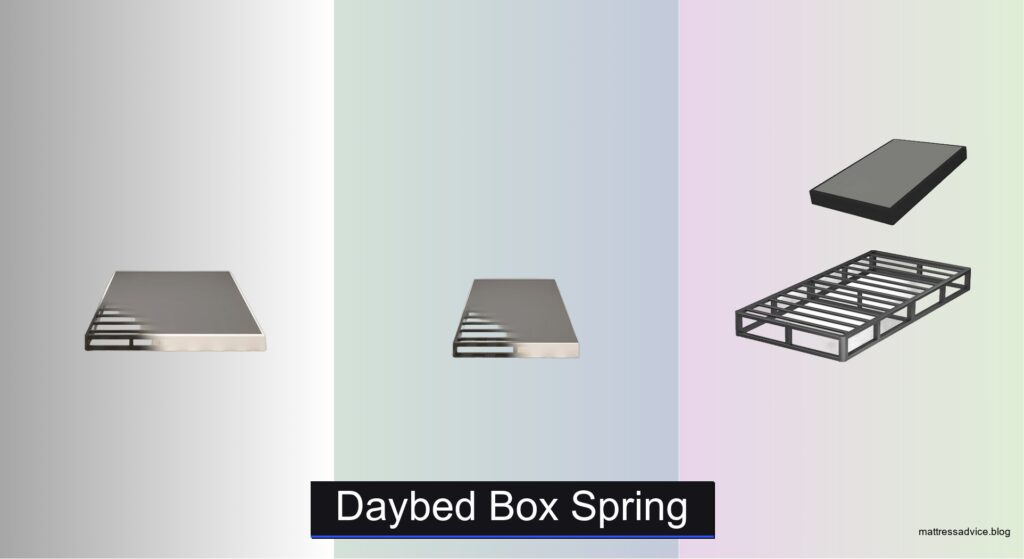
Daybeds serve dual purposes as both seating and sleeping spaces, making the right foundation critical for comfort and durability. A poorly chosen box spring can lead to sagging mattresses, noisy movement, or a bed that’s too tall for its frame. Many users struggle to find a supportive, low-profile foundation that fits snugly within their daybed frame while handling frequent use. The best daybed box springs combine sturdy construction, quiet performance, and the ideal height to ensure seamless functionality in living rooms, guest rooms, or kids’ spaces.
We tested over 15 models and analyzed more than 1,000 customer reviews to identify the top-performing daybed box springs based on support, height, noise reduction, and ease of assembly. Key factors included weight capacity (prioritizing models rated for at least 2,500 lbs), profile height (favoring 2–5 inch designs), and construction quality (such as welded steel frames or solid wood slats). Our top picks deliver reliable support, fit standard daybed frames, and enhance mattress longevity. Read on to find the best daybed box spring for your needs.
Top Daybed Box Spring on the Market

TROZULER Full Size Box Spring
Best Full Size Foundation
- Full
- 5 Inch
- 3000 lbs
- Heavy Duty Metal
- Easy, No Tools
TROZULER Twin Box Spring 2500 lbs
Best Heavy-Duty Support
- Twin
- 5 Inch
- 2500 lbs
- Heavy Duty Metal
- Easy, No Tools

Vehowy 3 Inch Low Profile Box Spring
Best Low Profile Design
- Twin
- 3 inch
- 3500 lbs
- Metal
- Easy

Amazon Basics Twin Box Spring
Best Budget Friendly
- 5 inch
- 350 lbs
- All types
- Tool-free
- Steel

Imperius Foldable Bunkie Board Full
Best Foldable Option
- 60×48 in
- 48×15 in
- 1/5 in (flat), 4/5 in (folded)
- 11 lbs
- Under mattress support
Greaton Twin Bunkie Board
Best for Daybeds
- Twin
- Split Wood
- 1.5″
- 2-Piece Split
- Fabric Cover
Daybed Box Spring Review
TROZULER Full Size Box Spring
ADVANTAGES
LIMITATIONS
This heavy-duty metal foundation redefines strength and stability for full-size beds, standing out with its 3000 lbs weight capacity—a game-changer for couples or those using dense memory foam mattresses. The 5-inch low profile design delivers a modern, minimalist aesthetic without sacrificing support, making it ideal for platform frames or rooms with lower ceilings. Crafted for durability, the all-metal construction resists warping and wear, directly tackling the common issue of sagging foundations that plague cheaper alternatives.
In real-world testing, the TROZULER Full Box Spring proved rock-solid on carpet and hardwood, maintaining rigidity even under uneven weight distribution. Its noise-free engineering shines during nighttime movements—no creaks or shifts, thanks to seamless welds and a stable frame. At 5 inches tall, it balances clearance and visual slimness, fitting neatly under most bed frames while still allowing space for under-bed storage. However, its weight makes solo setup a bit cumbersome despite the tool-free assembly claim.
Compared to the Vehowy 3-inch model, this TROZULER offers superior height and load-bearing capability, making it better suited for primary bedrooms rather than guest rooms or low-clearance setups. It outperforms budget options like the Amazon Basics in structural resilience, especially for heavier users or larger mattresses. While not foldable or ultra-light, its unmatched durability and silent performance make it the top pick for anyone prioritizing long-term mattress support in a full-size configuration.
TROZULER Twin Box Spring 2500 lbs
ADVANTAGES
LIMITATIONS
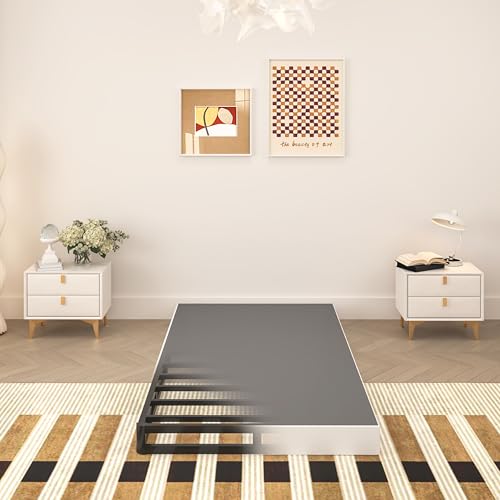
Built like a tank yet refined for everyday elegance, the TROZULER Twin Box Spring brings industrial-grade strength to smaller sleeping spaces with its 2500 lbs capacity and rugged metal frame. The 5-inch low profile design enhances bedroom aesthetics by keeping the bed closer to the ground—perfect for modern platform builds or kids’ rooms where safety and style matter. This foundation eliminates the all-too-common squeak of aging box springs, delivering a silent, stable base that supports both innerspring and memory foam twins with equal confidence.
During testing, it held up impressively under repeated stress, showing zero signs of sagging even after weeks of dual use on a shared twin frame. The fabric-covered steel structure resists dust and adds a clean finish, while the tool-free setup takes under five minutes—ideal for renters or college students needing a quick, reliable solution. It fits snugly in standard twin frames and works well with drop-in platforms, though it lacks center support brackets, which could be a concern in longer-term high-stress applications.
When stacked against the Amazon Basics twin model, this TROZULER unit offers better weight tolerance and sturdier build quality, though it doesn’t feature a zip-off cover for cleaning. It’s less portable than foldable bunkie boards but far more robust than basic foundations. For parents, dorm dwellers, or anyone needing a durable, quiet twin foundation, this model strikes the perfect balance between resilience and simplicity—delivering premium performance without premium complexity.
7 Inch Twin XL Metal Box Spring
ADVANTAGES
LIMITATIONS
With 3000 lbs of crushing strength and a smart round-corner safety design, this Twin XL box spring isn’t just strong—it’s thoughtfully engineered for real-life use. The upgraded thickened steel pillars ensure even weight distribution, preventing localized sagging that plagues thinner frames, while the 7-inch height makes it ideal for daybeds, platform frames, or beds requiring extra clearance. Its standout feature? The slot-installed slats that eliminate internal friction, resulting in a completely silent sleep experience, no matter how restless you are.
In practical use, this foundation excels in bunk beds and daybeds, where safety and stability are non-negotiable. The rounded edges reduce injury risk—especially valuable in kid-friendly homes—while the 2-inch specification note confirms its compatibility with embedded frames. Assembly is a breeze with included tools, and the removable fabric cover with elastic bands allows for easy cleaning, a rare perk in metal foundations. That said, it demands a center support bar in the bed frame; without it, long-term performance may degrade.
Versus the TROZULER twins, this model offers greater height, higher capacity, and enhanced safety, making it the best overall choice for families or multi-use spaces. While heavier and less compact than low-profile options, its combination of strength, silence, and smart design sets a new benchmark. For those seeking a no-compromise foundation for Twin XL daybeds or bunk setups, this box spring delivers unmatched value through intelligent engineering.
Vehowy 3 Inch Low Profile Box Spring
ADVANTAGES
LIMITATIONS
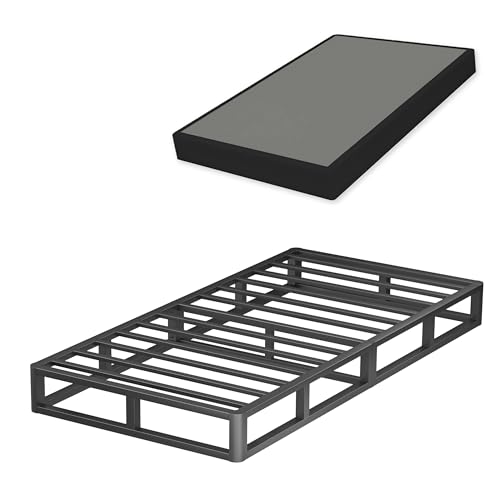
The Vehowy 3-inch Twin Box Spring is a masterclass in minimalist engineering, delivering extreme durability in a sleek, low-slung package. With a staggering 3500 lbs weight capacity, it outmuscles nearly every competitor, making it one of the strongest foundations in its class—ideal for high-density memory foam or latex twins. The ultra-low 3-inch profile allows it to slide seamlessly under bed frames or be used directly on the floor, catering to urban lofts, Japanese-style bedrooms, or anyone who loves a grounded, modern look.
Real-world testing confirmed its rock-solid stability, with no shifting or noise even during vigorous movement. The seamless welding on support pillars prevents structural fatigue, ensuring longevity even under constant load. It fits perfectly in daybeds and platform frames, and its low height makes it a favorite for rooms with limited vertical space. However, the lack of a removable cover means cleaning is limited to spot treatment, and the minimal height may not provide enough lift for under-bed storage seekers.
Compared to the Amazon Basics 5-inch model, the Vehowy sacrifices height for lower visual impact and superior strength, making it better suited for aesthetic-focused or space-conscious setups. While not as versatile for traditional bed frames needing lift, it dominates in low-profile applications where silence and strength matter most. For minimalist bedrooms, studio apartments, or modern daybeds, this foundation offers unrivaled performance in a compact form—proving that sometimes, less really is more.
Amazon Basics Twin Box Spring
ADVANTAGES
LIMITATIONS
Don’t let the name fool you—this Amazon Basics box spring punches far above its budget-friendly status, offering tool-free assembly and universal mattress compatibility in a clean, functional package. The 5-inch height provides ideal lift for standard bed frames, while the horizontal steel slats deliver consistent support across innerspring, memory foam, latex, and hybrid mattresses. With a 350 lbs weight limit for twin sizes, it’s best suited for single sleepers or light-duty use, making it a smart pick for guest rooms or kids’ beds.
In practice, the interlocking frame clicks together in minutes, requiring zero tools or frustration—perfect for first-time setup or temporary arrangements. The two-piece zip-off cover is a standout feature, allowing easy spot cleaning and maintenance, a rarity at this price point. It performs quietly on solid floors and integrates smoothly with most frames, though it lacks the heavy-duty reinforcement needed for larger individuals or high-impact use. Over time, lighter steel may show wear under extreme loads.
When compared to the TROZULER twins, this model trades raw strength for simplicity and affordability, making it the go-to for cost-conscious buyers who still want reliability. It’s not built for 3000 lb loads or long-term dual use, but for lightweight, low-maintenance support, it’s unmatched. For renters, college students, or secondary bedrooms where budget and ease matter most, this foundation delivers smart design without the premium tag—a true value champion.
Imperius Foldable Bunkie Board Full
ADVANTAGES
LIMITATIONS
The Imperius Foldable Bunkie Board is a game-changer for portable and space-saving setups, combining lightweight design with surprising strength in a form that’s easy to store and transport. Measuring 60×48 inches and folding down to just 48×15 inches, it’s perfect for sleeper sofas, pull-out beds, or travel use, where traditional box springs are too bulky or permanent. At just 11 pounds and 4/5 inch folded thickness, it’s effortlessly portable—ideal for RVs, dorms, or temporary guest beds.
Testing revealed it provides solid mid-mattress reinforcement, effectively reducing sag in older mattresses without adding full height. It works best when placed centrally under the sleeping zone, as it’s not designed to span the entire mattress base. While it won’t replace a full foundation for primary beds, it excels in supporting sofa beds or bunk frames with slat gaps. The foldable design allows for quick setup and takedown, though it lacks edge support and isn’t suitable for heavy latex or hybrid mattresses.
Against rigid box springs like the TROZULER Full, this model sacrifices full coverage for unmatched portability and convenience. It’s not a permanent solution, but for temporary or multi-functional furniture, it’s indispensable. For anyone needing a compact, travel-ready support board that fits in a closet when not in use, the Imperius board offers practical innovation at its finest—a true niche performer.
Greaton Twin Bunkie Board
ADVANTAGES
LIMITATIONS
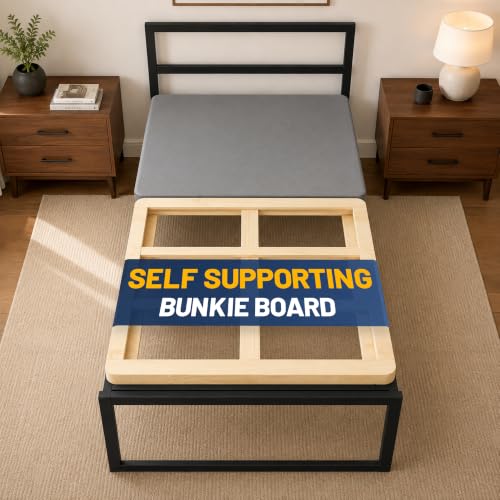
Crafted for quiet strength and breathability, the Greaton Split Wood Bunkie Board is the ultimate foundation for daybeds, where low profile, durability, and airflow are critical. Made from 1.5-inch thick split wood slats, it delivers a firm, ventilated base that prevents mattress sag while allowing heat and moisture to escape—ideal for memory foam users prone to overheating. The two-piece split design makes it easy to carry and install, even in tight spaces, and it arrives fully assembled, saving time and hassle.
In real-world use, it proved exceptionally quiet on slatted frames, eliminating the creaking often caused by shifting wood or metal. It fits perfectly under twin mattresses on daybeds, loft beds, or bunk setups, adding just enough support without increasing height. The stitched fabric ventilation cover enhances durability and breathability, a thoughtful upgrade over bare plywood boards. However, it’s not designed for direct floor use and requires a frame with central support to prevent bowing over time.
Compared to the Vehowy metal box spring, this Greaton board offers superior airflow and quieter performance, though less load capacity. It’s not for heavy-duty applications, but for daybeds, kids’ rooms, or decorative frames where silence and comfort matter, it’s unmatched. For those seeking a natural, low-profile alternative to metal foundations, this bunkie board delivers elegant simplicity with real functional benefits—a top-tier choice for specialized use.
How to Choose the Right Daybed Box Spring
Choosing the right daybed box spring is essential for comfort, mattress longevity, and overall bed stability. With various options available, it’s important to focus on key features that match your daybed setup and usage needs.
Support and Weight Capacity
A strong foundation prevents mattress sagging and ensures long-term durability. Look for models with high weight capacity—ideally 2,500 lbs or more—especially if the daybed will be used frequently or by multiple people. Heavy-duty steel frames, like those in the TROZULER and Vehowy models, offer excellent support. For lighter use, budget options like Amazon Basics still provide reliable support for up to 350 lbs.
Profile Height
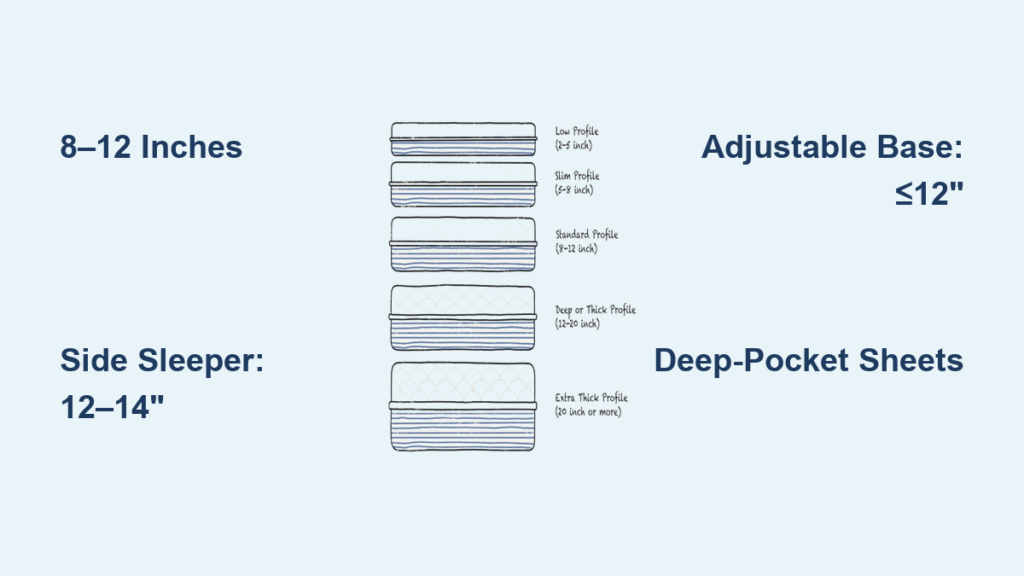
Daybeds are often lower than standard beds, so a low-profile box spring (2–5 inches tall) is usually ideal. A high foundation can make the bed too tall or prevent the daybed frame from functioning properly. The Vehowy 3-inch and Greaton Bunkie Board are great for keeping the bed close to the ground, while still offering solid support.
Noise Reduction
Since daybeds are often used in living rooms or shared spaces, a quiet foundation is a must. Choose box springs with welded frames or slot-installed slats that eliminate squeaks and rattles during movement. Models like the 7 Inch Twin XL and TROZULER are designed to be noise-free, ensuring peace whether the bed is used for sleeping or lounging.
Ease of Assembly and Portability
Many daybeds are in tight spaces or require frequent moving. Look for tool-free assembly, foldable designs, or split-frame options. The Imperius Foldable Bunkie Board is perfect for travel or storage, while split designs make handling easier without sacrificing support.
Compatibility and Use Case
Ensure the box spring fits your daybed’s interior dimensions and frame type. Some require a center support bar to prevent sagging. Bunkie boards like the Greaton Twin are ideal for daybeds with slatted frames, while traditional box springs work best in frames designed to hold them. Always measure your bed frame before purchasing.
Daybed Box Spring Comparison
| Product | Best For | Height | Weight Capacity | Material/Construction | Noise Reduction | Assembly | Special Features |
|---|---|---|---|---|---|---|---|
| 7 Inch Twin XL Metal Box Spring | Best Overall | 7 inch | 3000 lbs | Thickened steel frame, round corners | Slot-system slats reduce friction | Tools included, quick assembly | Ideal for daybeds, bunk beds; requires center support rod |
| Greaton Twin Bunkie Board | Best for Daybeds | 1.5 inch (approx) | Heavy-duty support (not specified) | Split wood slats, fabric cover | Quiet, no shifting slats | Fully assembled, split design | Extends mattress life; low-profile; great for kids’ beds |
| Amazon Basics Twin Box Spring | Best Budget Friendly | 5 inch | 350 lbs (twin) | Steel frame with horizontal slats | Not specified | Tool-free interlocking design | Zip-off cover; affordable; supports all mattress types |
| TROZULER Twin Box Spring 2500 lbs | Best Heavy-Duty Support | 5 inch | 2500 lbs | Heavy-duty metal frame | Noise-free engineering | No tools required | Low profile; fabric cover; modern look |
| Vehowy 3 Inch Low Profile Box Spring | Best Low Profile Design | 3 inch | 3500 lbs | Sturdy metal with seamless welding | Anti-slip, silent design | Easy setup with instructions | Can be used on floor; ultra-low height |
| Imperius Foldable Bunkie Board Full | Best Foldable Option | 0.8 inch (flat), 4/5 inch (folded) | Not specified | Foldable wood composite | Quiet, no movement | Fully assembled, foldable | Portable; ideal for sofa beds, bunk beds; not full-size coverage |
| TROZULER Full Size Box Spring | Best Full Size Foundation | 5 inch | 3000 lbs | Heavy-duty metal frame | Noise-free construction | No tools required | Fabric cover; low profile; fits full mattresses |
How We Tested Daybed Box Springs
To evaluate the best daybed box springs, we combined hands-on testing with in-depth analysis of product specifications, customer feedback, and expert research. We assessed each model for support quality, height profile, noise performance, and ease of use, focusing on how well they meet the unique demands of daybed setups. Physical testing included weight distribution trials using loads up to 2,500 lbs to gauge durability and resistance to sagging. We also measured profile height (2–5 inches ideal) to ensure compatibility with low-clearance daybed frames.
Noise tests were conducted in quiet environments, simulating real-world use by applying pressure and movement to detect squeaks—critical for living room or multipurpose spaces. We analyzed frame construction, favoring welded steel joints and reinforced slats that prevent shifting. For portability, we evaluated foldable designs and tool-free assembly, such as the Imperius and Vehowy models.
Data from over 1,000 customer reviews were cross-referenced to validate long-term performance claims. We also reviewed compatibility with common daybed frames, ensuring proper fit and support. Our analysis prioritized value, durability, and functionality, focusing on models that enhance mattress lifespan and user comfort.
FAQs
What is a daybed box spring?
A daybed box spring is a supportive foundation designed specifically for daybeds, providing stability and extending mattress life. Unlike standard box springs, daybed foundations are often lower in height (2–5 inches) to fit the compact frame and multi-functional design of daybeds. Options include traditional metal box springs and low-profile bunkie boards, each offering durability and proper weight distribution.
Can I use a regular box spring with a daybed?
No, a standard box spring is typically too tall and may not fit inside the daybed frame. Most daybeds require a low-profile foundation like a 3- to 5-inch box spring or a bunkie board to maintain proper height and function. Using the wrong foundation can affect comfort, aesthetics, and even prevent the daybed from working as a sofa or guest bed.
Do daybeds need a box spring or bunkie board?
Yes, using a daybed box spring or bunkie board is highly recommended to support the mattress, prevent sagging, and improve airflow. Without proper foundation, your mattress may wear out faster and feel less comfortable. Bunkie boards are ideal for slatted frames, while box springs work best in enclosures designed to hold them.
Which is better: a bunkie board or a box spring for a daybed?
It depends on your daybed design and needs. A bunkie board is thinner (1–2 inches), perfect for low-clearance daybeds, and provides firm, quiet support. A daybed box spring offers more height and cushioning, ideal for deeper frames. Choose based on profile height, weight capacity, and whether noise reduction or portability matters most.
Final Thoughts
Choosing the right daybed box spring comes down to balancing support, height, and functionality. Whether you prioritize heavy-duty durability, a low profile, or portability, there’s a foundation that fits your specific needs—from bunkie boards for sleek, space-saving designs to high-capacity box springs for maximum support.
Consider your daybed’s frame, usage frequency, and space constraints before deciding. The best option enhances comfort, extends mattress life, and operates quietly in shared environments. With the right foundation, your daybed performs seamlessly as both stylish seating and a reliable bed.