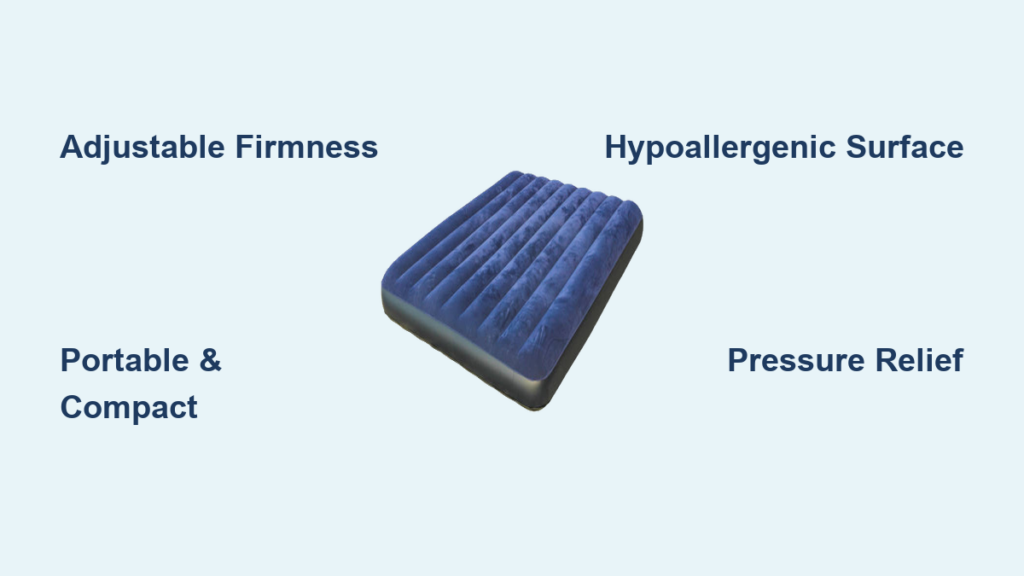
Imagine hosting unexpected guests at midnight, heading into the woods for a weekend camping trip, or caring for a loved one recovering from surgery. In each scenario, a simple, often overlooked solution can transform comfort and convenience: the air mattress. More than just a temporary bed, sleeping on an air mattress offers real, measurable benefits, from customizable comfort and superior hygiene to life-saving pressure relief in medical settings. This guide explores the key benefits of sleeping on an air mattress, backed by clinical research and ergonomic data, so you can decide when this versatile sleep solution fits your life.
Adjustable Firmness for Personalized Support
One of the standout benefits of sleeping on an air mattress is the ability to fine-tune firmness to match your body and sleep style. Unlike traditional mattresses with fixed support, air beds let you control air pressure with a simple valve or digital pump.
Customize by Sleep Position
• Side sleepers benefit from slightly softer inflation, reducing pressure on hips and shoulders.
• Back and stomach sleepers can firm up the mattress to maintain spinal alignment and prevent sinking.
• Couples with different preferences enjoy dual-chamber models that allow independent adjustments on each side.
Precision Control Enhances Comfort
High-end models feature built-in pressure gauges or smartphone apps that maintain ideal firmness automatically. This prevents the common issue of waking up to a sagging bed due to natural air loss overnight. By staying within the optimal firmness window, users avoid both the floating feel of an over-inflated bed and the spine-misaligning softness of an under-inflated one.
Pro Tip: Re-inflate your mattress each evening. Even premium models lose 0.5 to 2 percent of air nightly due to material permeability.
Ideal for Camping and Outdoor Adventures

For outdoor enthusiasts, air mattresses are a game-changer, turning rough terrain into a restful sleep environment.
Elevate Above Hard Ground
Sleeping directly on soil, gravel, or wooden cabin floors leads to discomfort and cold exposure. Air mattresses provide a cushioned barrier, reducing pressure points and insulating against cold ground. Elevated models simulate bed height, making it easier to get in and out, especially helpful for older campers or those with joint stiffness.
Fast Setup, Compact Storage
Modern air mattresses inflate in 2 to 5 minutes using built-in electric or battery-powered pumps. Self-inflating versions use open-cell foam that expands when the valve opens, minimizing effort. Once deflated, they roll into a compact carry bag, perfect for backpacks, trunks, or RV storage.
Visual Cue: Look for models with a high R-value of 2.0 or higher for better thermal insulation in cold weather.
Space-Saving Solution for Small Homes
In urban apartments and studio units, floor space is precious. Air mattresses offer a smart way to maximize room functionality without sacrificing comfort.
Transform Rooms Instantly
Use your living room as a home office by day and a guest bedroom by night. Simply store the deflated mattress in a closet or under the bed. When guests arrive, inflate it in minutes, no need for a dedicated guest room.
Lightweight and Easy to Store
Most queen-size air mattresses weigh 10 to 20 pounds, making them easy to transport and set up. Their compact deflated size fits into tight spaces, unlike bulky futons or pull-out sofas.
Ideal For: College students, military personnel, and frequent movers who need flexible, portable sleeping solutions.
Cost-Effective Alternative to Traditional Beds
Buying a spare bed can cost $1,000 or more. Air mattresses offer a budget-friendly alternative without compromising on comfort for short-term use.
Affordable Price Tiers
• Entry-level models cost $30 to $80 and feature manual inflation with basic materials.
• Mid-range options cost $100 to $200 and include built-in pumps with raised designs.
• Premium models cost $200 to $300 and feature memory foam toppers with dual chambers.
Even high-end models cost a fraction of a quality memory foam or innerspring mattress. If damaged, replacement is far cheaper than repairing or replacing a traditional bed.
Expert Note: For occasional guests, an air mattress eliminates the need to buy a full-size spare bed or futon.
Hypoallergenic and Easy to Clean
For allergy sufferers and hygiene-conscious users, air mattresses provide a cleaner sleep surface than traditional bedding.
Resists Allergens and Mold
Made from PVC, TPU, or reinforced vinyl, air mattresses are non-porous and do not absorb sweat, dust, or bodily fluids. This makes them resistant to dust mites, mold, and mildew, common triggers for asthma and allergies.
Warning: Always dry the mattress completely before storage. Storing it damp can lead to mold growth.
Simple Cleaning Process
Wipe down the surface with a damp cloth and mild soap. For disinfection, use a 10 percent bleach solution or hospital-grade cleaner, especially important in medical or shared-use settings.
Pro Tip: Use a mattress protector to guard against spills, stains, and punctures.
Prevents Pressure Sores in Medical Use
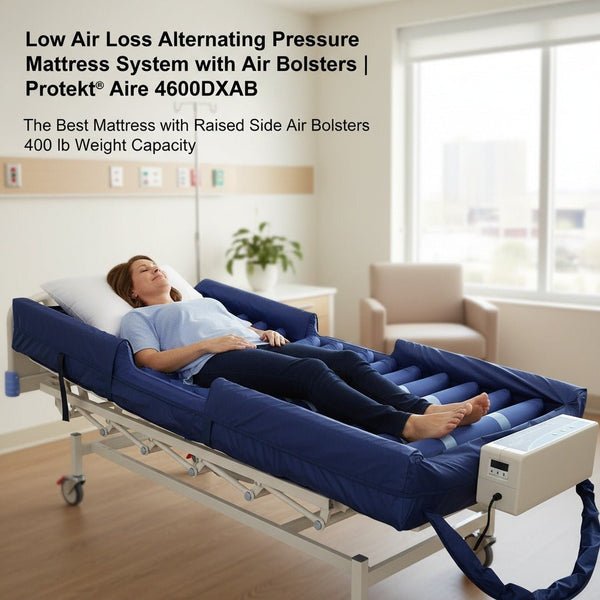
In healthcare, air mattresses are not just about comfort, they are life-preserving tools.
How Alternating-Pressure Mats Work
Anti-decubitus air mattresses use alternating inflation cycles. One row of air cells deflates while the adjacent row inflates every 6 to 10 minutes. This shifting pressure reduces strain on bony areas like heels, sacrum, and shoulder blades, promotes blood circulation, and prevents tissue breakdown in immobile patients.
Clinically Proven Results
These mattresses are effective in preventing Grade 1 and 2 pressure ulcers. They are used therapeutically to aid healing in Grade 3 and 4 ulcers and reduce caregiver burden by minimizing the need for manual repositioning.
Example: The Somlent Genius is clinically tested using pressure mapping technology to ensure optimal weight distribution.
Boosts Comfort with Toppers and Accessories
While air mattresses offer great base support, adding accessories can elevate comfort to near-traditional bed levels.
Use Memory Foam Toppers
A 2 to 3 inch memory foam topper adds cushioning, reduces pressure points, and improves body contouring. It also minimizes the bounce and noise sometimes associated with air bladders.
Expert Recommendation: Ideal for medium-term use up to 1 to 2 months, such as during home renovations or recovery periods.
Secure with Deep-Pocket Sheets
Standard sheets often slip off air mattresses due to their thickness. Use fitted sheets with 18-inch or deeper pockets and strong elastic edges to keep bedding in place.
Add a Mattress Protector
Protects against punctures, spills, and wear. Look for waterproof, breathable options that extend the mattress lifespan.
Maintains Better Sleep for Guests
For hosts, nothing beats the peace of mind that comes with offering a comfortable, clean, and ready-to-use bed.
On-Demand Guest Accommodation
No more couches or air floors. With a built-in pump, setup takes under 5 minutes. Deflate and store it just as quickly when guests leave.
Consistent Quality Night After Night
Unlike fold-out sofas that sag over time, air mattresses provide the same level of support every time, especially when paired with a topper and proper sheets.
Host Tip: Keep a complete guest kit, including mattress, topper, sheets, and blanket, ready in a closet for last-minute visitors.
Enhances Recovery and Home Care
For patients recovering from surgery, stroke, or injury, air mattresses support healing and reduce complications.
Supports Post-Surgical Recovery
Alternating-pressure and hybrid air-foam models reduce pump noise while maintaining therapeutic airflow, ideal for restless or sensitive patients.
Promotes Circulation and Healing
Dynamic pressure redistribution prevents venous stasis, improves tissue oxygenation, and lowers the risk of blood clots in bedridden individuals.
Caregiver Benefit: Less frequent manual turning reduces physical strain and improves patient comfort.
Durable, Portable, and Travel-Ready
Whether you are road-tripping or living in an RV, air mattresses are built for life on the move.
Lightweight and Transportable
Weighing as little as 8 to 12 pounds for twin sizes, they fit easily in car trunks, RV compartments, or under airplane seats when deflated.
Built for Frequent Use
High-quality models last 3 to 5 years with regular use. Reinforced seams and puncture-resistant materials like TPU-coated fabric increase durability.
Avoid: Sharp objects, pet claws, and rough surfaces. Always place the mattress on a clean, flat surface.
Reduces Motion Transfer for Couples
Unlike spring beds that bounce with every movement, air mattresses offer excellent motion isolation.
Dual-Chamber Designs Minimize Disturbance
Each side of the bed inflates independently, so one partner movements will not wake the other. This is especially helpful for light sleepers or couples with different sleep schedules.
Quieter Than You Think
Modern electric pumps operate at under 50 decibels, quieter than a refrigerator, so inflation does not disrupt sleep.
Pro Tip: Pair with a memory foam topper to further reduce surface noise and improve comfort.
Eco-Friendly and Smart Innovations
The air mattress market is evolving with smarter, greener designs.
Smart Air Beds with App Control
New models integrate with smartphone apps to automatically adjust firmness, track sleep patterns, and schedule inflation and deflation.
Example: Sleep Number beds use similar tech, but consumer air mattresses are catching up at lower price points.
Sustainable Materials on the Rise
Manufacturers are shifting from PVC to TPU, which is more durable, flexible, and eco-friendly. TPU also resists punctures better and emits fewer volatile organic compounds.
Who Benefits Most From Air Mattresses
Campers and Outdoor Enthusiasts
• Benefit: Insulation from cold ground, portability
• Best model: Self-inflating, high R-value mattress
Urban Dwellers and Studio Renters
• Benefit: Space-saving, multi-functional rooms
• Best model: Compact, raised air bed with pump
Hosts with Occasional Guests
• Benefit: Quick setup, consistent comfort
• Best model: Memory foam topper with deep-pocket sheets
Caregivers and Medical Users
• Benefit: Pressure sore prevention, reduced repositioning
• Best model: Alternating-air or hybrid anti-decubitus bed
Allergy Sufferers
• Benefit: Hypoallergenic surface, easy cleaning
• Best model: TPU-coated or PVC-free air mattress
Budget Buyers
• Benefit: Low upfront cost, replaceable
• Best model: $100 to $150 mid-range with pump
Frequently Asked Questions About Air Mattress Benefits
Is sleeping on an air mattress good for your back?
Air mattresses can provide adjustable support that helps with spinal alignment, but they lack the consistent structural support of traditional mattresses. Chiropractors note that while proper inflation can temporarily alleviate back pain, air mattresses are not recommended for long-term nightly use by individuals with chronic back issues.
How long can you safely sleep on an air mattress?
Air mattresses are safe for short-term use ranging from a few nights to several weeks. For extended periods exceeding one to two months, the lack of consistent support and potential for air loss make traditional mattresses a better choice for nightly sleep.
Do air mattresses help prevent pressure sores?
Yes, alternating-pressure air mattresses are clinically proven to prevent pressure ulcers in immobile patients. The cyclic inflation and deflation shifts pressure points and promotes blood circulation, making them effective in healthcare and home care settings.
Are air mattresses hypoallergenic?
Air mattresses made from PVC, TPU, or reinforced vinyl are non-porous and resistant to dust mites, mold, and mildew. This makes them an excellent choice for allergy sufferers, provided they are cleaned and stored properly.
Do air mattresses lose air overnight?
Yes, most air mattresses lose 0.5 to 2 percent of their air overnight due to material permeability. Re-inflating each evening helps maintain optimal firmness and prevents discomfort from a sagging mattress.
Can you use a memory foam topper on an air mattress?
Yes, adding a 2 to 3 inch memory foam topper significantly enhances comfort, reduces pressure points, and minimizes the bounce associated with air bladders. This combination works well for medium-term use and makes the sleep surface feel more like a traditional bed.
Key Takeaways for Enjoying Air Mattress Benefits
Sleeping on an air mattress offers real, science-backed benefits ranging from customizable comfort and medical-grade pressure relief to portability and cost savings. The ability to adjust firmness makes air mattresses ideal for couples with different sleep preferences, while their lightweight, compact design perfects them for camping, guest accommodation, and small living spaces. In medical settings, alternating-pressure models serve as essential tools for preventing pressure ulcers in immobile patients.
To maximize these benefits, pair your air mattress with a memory foam topper for enhanced comfort, use deep-pocket sheets to keep bedding secure, and invest in a mattress protector to extend the mattress lifespan. Re-inflate your mattress daily to maintain optimal firmness, and always store it completely dry to prevent mold growth.
While air mattresses excel in short-term, flexible, and hygiene-sensitive scenarios, they are not ideal for long-term nightly use, especially for those with chronic back pain. By choosing the right model and using accessories like toppers and protectors, you can enjoy a restful, supportive sleep anytime, anywhere.