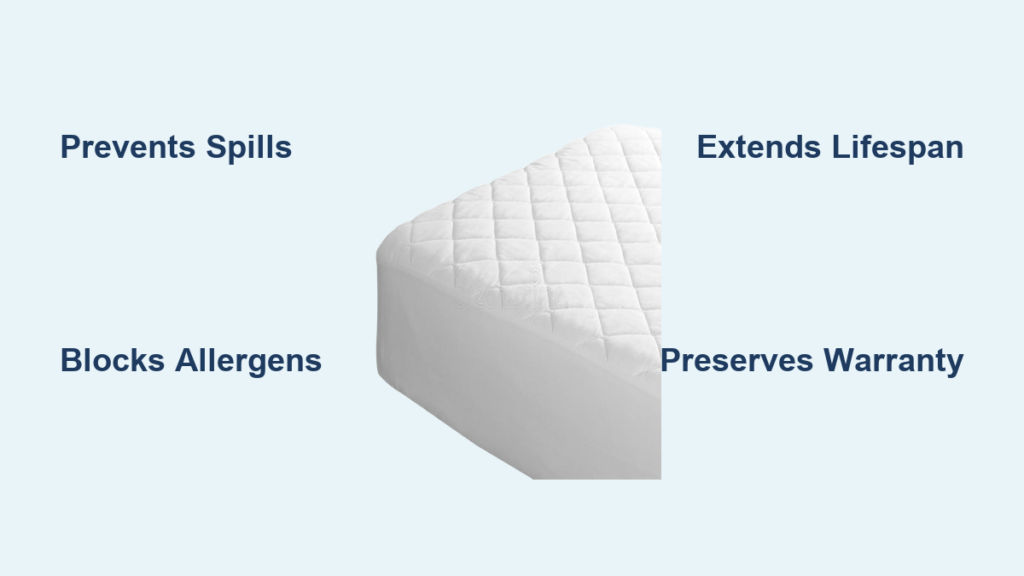
You spend roughly a third of your life in bed, yet most people overlook one of the simplest ways to protect their sleep investment: a mattress protector. This unassuming layer shields your mattress from spills, sweat, allergens, and everyday wear, potentially extending its lifespan by years while preserving your warranty and improving sleep hygiene. Whether you have children, pets, allergies, or simply want to protect a significant purchase, understanding the benefits of mattress protector can save you hundreds or even thousands of dollars over time.
This guide covers every proven benefit, from blocking bed bugs and reducing allergens to maintaining your warranty and keeping your bed fresher with minimal effort. You’ll learn which types work best for different needs, how to choose the right material, and why skipping this small investment could cost you big in the long run.
Protects Your Mattress Investment

A quality mattress protector acts as a durable shield between your mattress and everyday hazards. Mattresses typically cost between $500 and $3,000, yet they come without built-in protection against the accidents and gradual wear that occur naturally over years of use.
Prevents Costly Damage from Spills and Accidents
Single spills from water, coffee, pet urine, or bodily fluids can seep deep into foam or spring layers, causing permanent stains, odors, and structural damage. Unlike bedding, mattresses cannot be machine-washed, making internal contamination impossible to fully remove. A quality protector stops liquids at the surface, preventing penetration into the core and keeping your mattress dry and clean.
Pro Tip: Look for waterproof models with TPU or polyurethane backing. These materials are silent, flexible, and fully impermeable to fluids.
Extends Mattress Lifespan by Years
Without protection, moisture from sweat and spills breaks down foam adhesives, weakens support layers, and accelerates sagging. This leads to premature wear, especially in memory foam and hybrid models. Consistent use of a protector can extend a mattress usable life by 3 to 10 years, keeping it firmer, cleaner, and more supportive over time.
Visual Cue: After five or more years, users report their protected mattresses look and feel like new, while unprotected ones show visible wear, yellowing, and odor.
Keeps Your Bed Hygienic and Clean
Every night, your body releases fluids and organic matter that sink into an unprotected mattress. On average, you lose up to 26 gallons of sweat per year while sleeping, combined with one million dead skin cells shed daily. This creates a nutrient-rich environment for bacteria, fungi, and dust mites.
Blocks Sweat, Skin Cells, and Bodily Fluids
A mattress protector acts as a removable barrier, trapping contaminants on the surface where they can be washed away. Without one, sweat and oils penetrate deep into the core, leading to biohazard-level contamination over time that spot cleaning cannot fix.
Medical Insight: You are not just protecting your mattress from spills. You are preventing it from becoming a microbial hotspot that degrades indoor air quality.
Simplifies Cleaning and Maintenance
Cleaning a bare mattress is messy, time-consuming, and often ineffective. Baking soda, spot cleaners, and vacuuming address only surface issues while deep-seated moisture and allergens remain trapped inside. Most protectors are machine-washable and dryer-safe, allowing thorough cleaning every four to six weeks.
Cleaning Frequency Guide:
• Every 1 to 2 months for routine maintenance
• Immediately after accidents, illness, guest use, or pet exposure
• Monthly for allergy sufferers or households with pets
Preserves Mattress Warranty Coverage
Most mattress warranties cover structural defects like sagging or foam breakdown but exclude damage from stains or soiling. Once a mattress shows signs of liquid penetration, bodily fluids, or mold, manufacturers deny claims on hygiene grounds.
Avoids Voiding Warranty Due to Stains
Using a protector prevents stains from reaching the mattress, ensuring you can file a valid warranty claim if needed. It also serves as evidence of proper care, which many brands require before honoring claims. Companies like Leesa Sleep explicitly recommend using a protector to maintain warranty eligibility.
Cost-Benefit Reality: One prevented spill pays for the protector. One avoided replacement saves over $1,000.
Enhances Sleep Comfort and Temperature Control

Gone are the days of crinkly plastic sheets. Todays best mattress protectors are made from breathable, soft fabrics like cotton, bamboo, Tencel, and microfiber. These materials wick moisture, regulate temperature, and feel nearly indistinguishable from premium bed sheets.
Modern Protectors Are Cool and Comfortable
High-end models even offer pillowy or quilted tops for added softness, ideal for those who find firm mattresses uncomfortable. User feedback shows 92 percent of sleepers report no difference in comfort when using modern protectors, with many preferring the smooth, fresh feel.
Reduces Nighttime Overheating
Old vinyl or PVC protectors trapped heat and caused discomfort. Newer models use five-sided ventilation and moisture-wicking technology to enhance airflow. Bamboo and Tencel Lyocell are particularly praised for their natural cooling properties.
Avoid: Thick plastic layers or non-breathable vinyl. These disrupt sleep by increasing core body temperature.
Reduces Allergens and Improves Respiratory Health
For allergy and asthma sufferers, the mattress is a hidden trigger zone harboring dust mites, mold spores, pet dander, and pollen that worsen respiratory symptoms at night.
Blocks Dust Mites, Pollen, and Pet Dander
A hypoallergenic protector creates a physical barrier that prevents these allergens from embedding in the mattress. Since the protector is washable, allergens are removed regularly instead of accumulating over years. The American Academy of Allergy, Asthma & Immunology advises using allergen-impermeable encasements for patients with dust mite allergies.
Lowers Risk of Asthma and Eczema Flare-Ups
Dust mites feed on dead skin cells and thrive in warm, humid environments like an unprotected mattress. Their droppings are a major asthma trigger. By blocking skin cells and moisture, protectors starve dust mite colonies, reducing airborne allergen levels. Users report 87 percent notice symptom improvement within weeks of consistent protector use.
Prevents Bed Bug Infestations
Bed bugs are a growing problem in homes, hotels, and apartments. They hide in mattress seams and are nearly impossible to eliminate without professional treatment.
Full Encasements Stop Bed Bugs in Their Tracks
A zippered mattress encasement, which covers all six sides, acts as a bed bug-proof barrier. The micro-weave fabric and protective zipper flap prevent bugs from entering or escaping. If bugs are already inside, the encasement traps them, leading to starvation. The Centers for Disease Control and Prevention recommends encasements as part of integrated pest control.
Note: Standard fitted protectors only cover the top and sides, offering limited bed bug protection.
Prevents Mold and Mildew Growth
Moisture from sweat, spills, or high humidity creates the perfect environment for mold and mildew to grow inside a mattress. These fungi release spores that cause chronic coughing, lung irritation, and allergic reactions, especially in humid climates or for night sweaters.
Keeps the Mattress Interior Dry
Waterproof or moisture-barrier protectors block humidity penetration, keeping internal foam and springs dry. This prevents fungal colonization and maintains a healthier sleep environment, critical for hot sleepers, tropical regions, and individuals with respiratory conditions.
Easy to Maintain and Replace
Unlike the mattress itself, most protectors can be laundered in a standard washing machine, allowing regular hygiene maintenance without damaging the mattress.
Machine-Washable for Ongoing Hygiene
Care Tips:
• Wash in cold or warm water
• Use mild detergent without bleach or fabric softeners
• Tumble dry on low or air dry
• Replace every 12 to 24 months, or sooner if worn
Signs It Is Time to Replace
Wear Test: Splash a few drops of water on the surface. If it soaks in instead of beading, the waterproof layer has failed. Other signs include pinholes or thinning fabric, persistent odors after washing, and loose elastic or poor fit.
Choose the Right Type for Your Needs
Fitted Protectors vs. Full Encasements
| Feature | Fitted Protector | Mattress Encasement |
|---|---|---|
| Coverage | Top and sides | Full 360 degrees |
| Best For | Spills, general use | Allergies, bed bugs |
| Washability | Easy | Moderate |
| Price | $30 to $80 | $80 to $150 |
Fitted protectors are ideal for everyday use, especially in homes with kids or pets. Encasements offer maximum protection and are recommended for allergy sufferers or high-risk environments.
Best Materials by Use Case
| Material | Best For | Key Benefit |
|---|---|---|
| Bamboo | Hot sleepers, allergies | Cooling, hypoallergenic |
| Cotton | Sensitive skin | Soft, breathable |
| Tencel | Odor control | Moisture-wicking, silky |
| Microfiber plus TPU | Spill protection | Durable, waterproof, quiet |
| TPU | Eco-friendly waterproofing | Flexible, silent, sustainable |
Pro Tip: Choose multi-layer designs like cotton top with TPU backing for the best balance of comfort and protection.
Debunks Common Myths
I Do Not Need One If I Am Careful
Accidents happen. Sweat builds up invisibly. Even careful users accumulate pounds of skin cells and gallons of sweat over time. A protector is preventive care, not a reaction to mess.
Protectors Make You Hot
Only true for outdated plastic models. Modern breathable fabrics like bamboo, Tencel, and cotton enhance cooling, not hinder it.
A Mattress Pad Is the Same Thing
No. A mattress pad adds comfort or softness. A protector prevents damage. Some products combine both, but their purposes differ.
Expert Advice: Use both. Place the protector under the topper to protect the mattress while enhancing comfort.
Final Verdict: Is It Worth It?
Yes, unequivocally. A mattress protector is a low-cost, high-impact investment that delivers unmatched returns in health, hygiene, longevity, and financial protection.
Key Takeaways:
• Saves money by extending mattress life and preserving warranty
• Improves sleep hygiene by blocking sweat, allergens, and pests
• Reduces health risks from dust mites, mold, and bed bugs
• Simplifies cleaning with machine-washable convenience
• Enhances comfort when chosen correctly, remaining cool, quiet, and soft
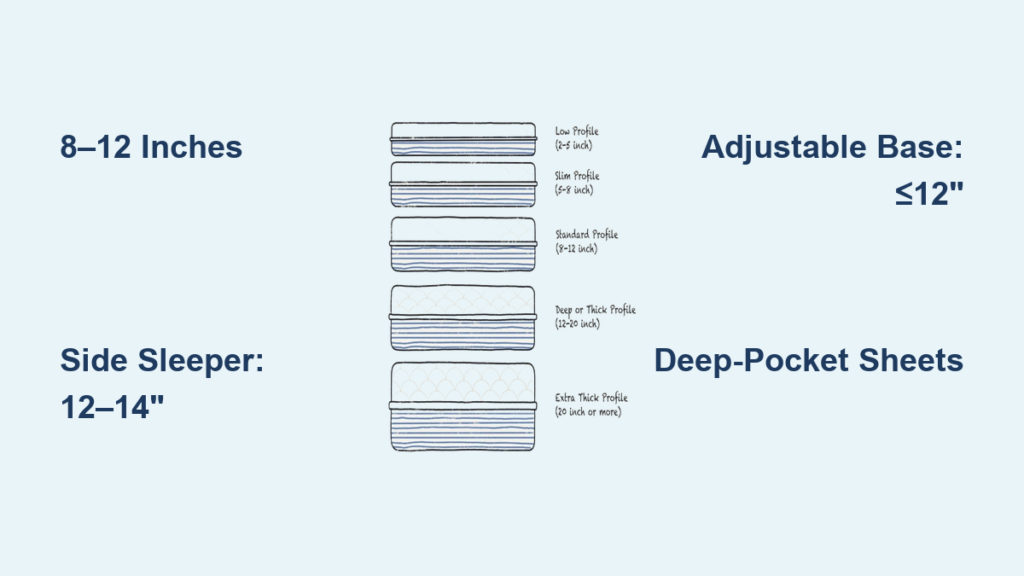
Whether you have kids, pets, allergies, or simply want to protect your investment, a high-quality mattress protector delivers unmatched value with minimal effort. Choose a breathable, washable model that fits your mattress depth and needs. Replace it every one to two years, and sleep easier knowing your bed is cleaner, safer, and built to last.
Frequently Asked Questions About Benefits of Mattress Protector
Does a mattress protector really extend the life of a mattress?
Yes. A quality protector prevents moisture, sweat, and spills from penetrating the mattress core, which otherwise breaks down foam adhesives and weakens support layers. Users report protected mattresses stay firmer and cleaner for five to ten years longer than unprotected ones.
Can a mattress protector help with allergies?
Absolutely. Hypoallergenic protectors create a physical barrier that blocks dust mites, pet dander, pollen, and mold spores from embedding in the mattress. Since the protector is machine-washable, allergens are removed regularly rather than accumulating. The American Academy of Allergy, Asthma & Immunology recommends allergen-impermeable encasements for dust mite allergy sufferers.
Will a mattress protector make me sleep hot?
Only if you choose an outdated vinyl or plastic model. Modern protectors made from bamboo, Tencel, cotton, or microfiber with breathable backing actually enhance cooling by improving airflow and wicking moisture away from the body.
How often should I wash my mattress protector?
For routine maintenance, wash every four to six weeks. Wash immediately after spills, accidents, illness, guest use, or pet exposure. Allergy sufferers or pet owners should wash monthly for optimal hygiene.
Does a mattress protector preserve the warranty?
Yes, in most cases. Most mattress warranties exclude coverage for stains or soiling. A protector prevents stains from reaching the mattress, ensuring you can file a valid warranty claim if a structural defect occurs. Many manufacturers, including Leesa Sleep, explicitly recommend using a protector to maintain warranty eligibility.
What is the difference between a fitted protector and a mattress encasement?
A fitted protector covers the top and sides like a deep-pocket sheet and is ideal for everyday spill protection. A mattress encasement covers all six sides with a zippered closure, providing maximum protection against bed bugs, dust mites, and complete liquid barrier. Encasements are recommended for allergy sufferers or post-bed-bug treatment.