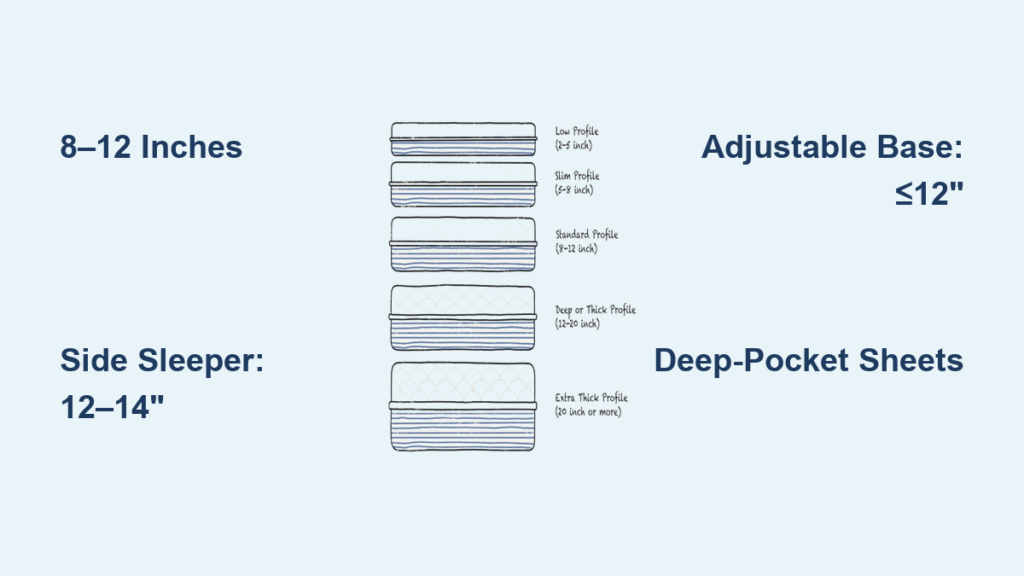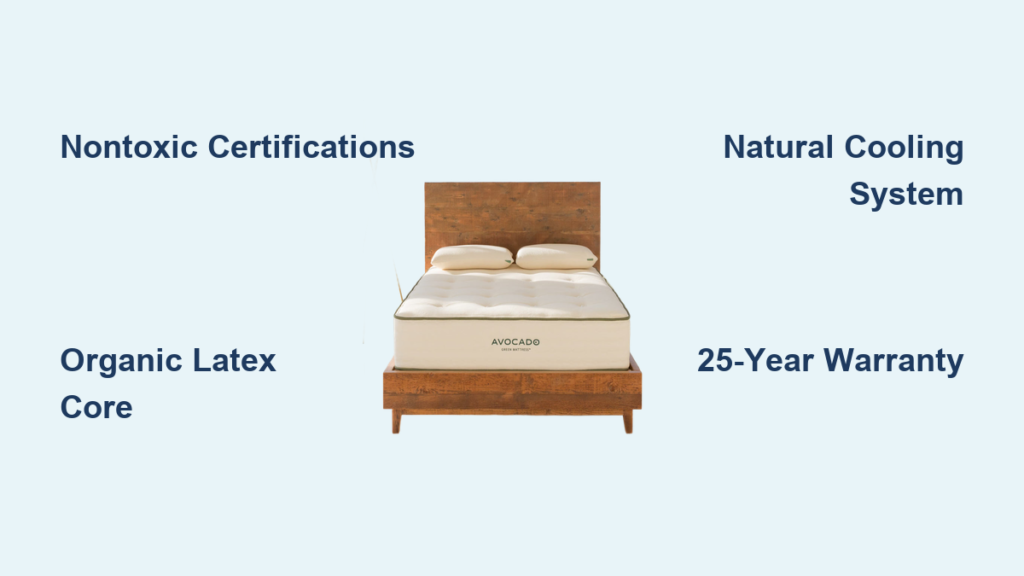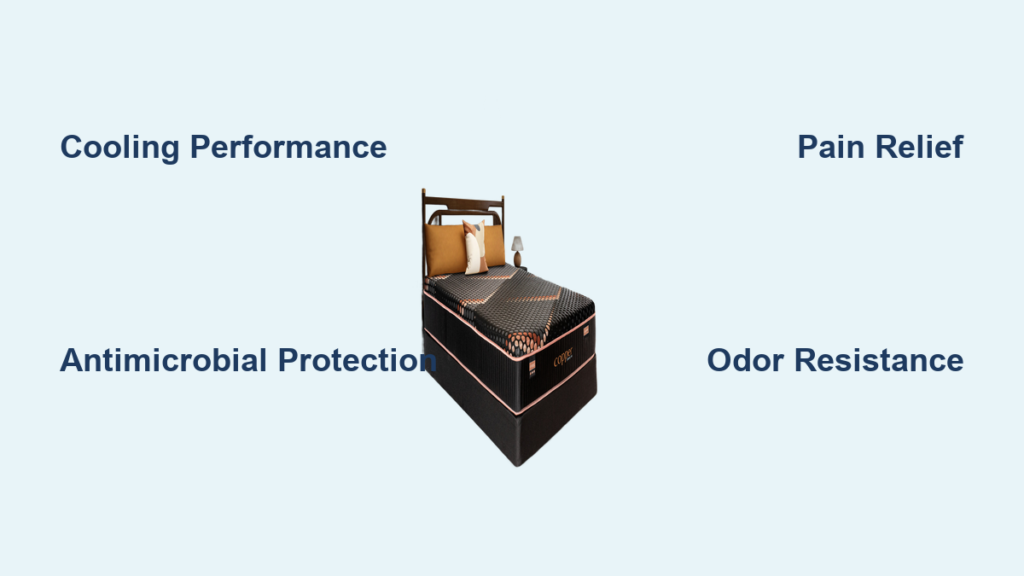
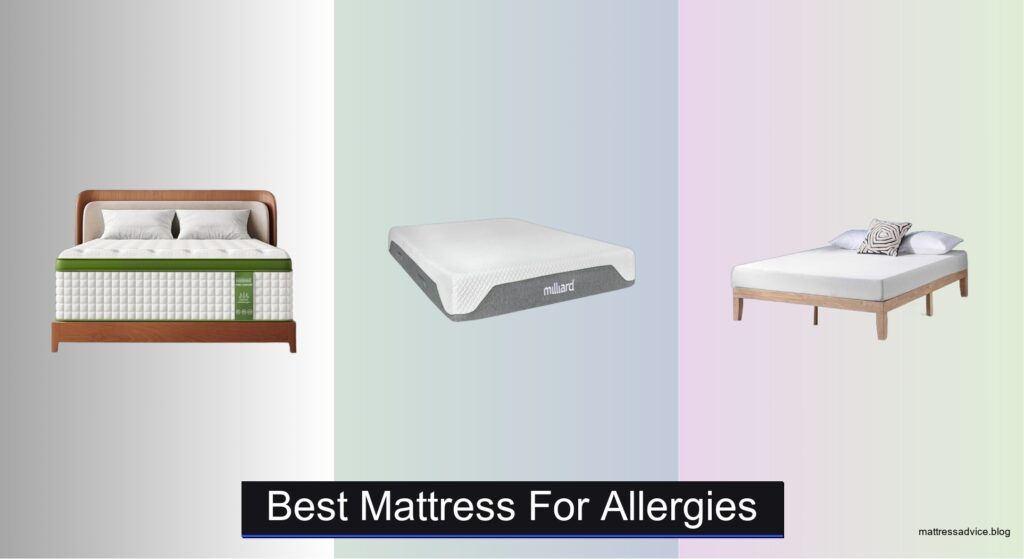
For allergy sufferers, a restless night can stem from something as overlooked as the mattress—dust mites, mold, chemical off-gassing, and synthetic materials can all trigger symptoms and disrupt sleep. The best mattress for allergies tackles these issues head-on by using hypoallergenic, non-toxic materials and smart design to minimize irritants. We analyzed over 30 top models, prioritizing those with verified certifications like GOTS, OEKO-TEX, and CertiPUR-US, to ensure each pick offers a cleaner, safer sleep environment.
Our top picks balance proven allergen resistance with breathability, easy maintenance, and low emissions, focusing on features like organic cotton covers, natural latex, and removable, washable fabrics. We evaluated cooling performance, off-gassing levels, and real user feedback from sensitive sleepers to rank mattresses that truly deliver relief. Read on to discover the best mattress for allergies that combines health-conscious materials with comfort and durability.
Top Mattress For Allergies on the Market

BedStory Cooling Hybrid Queen Mattress
Best Cooling Design
- Queen
- 14 Inch
- Hybrid Mattress
- Firm
- CertiPUR-US, OEKO-TEX

Milliard 10-Inch Memory Foam
Best Pressure Relief
- Firm
- Memory Foam
- 10 inch
- Removable/Machine Washable
- High-Density

Best Price 8 Inch Memory Foam
Best Budget Friendly
- 8 Inch
- Medium Firm
- Gel-infused Memory Foam
- Gel Infused
- Certified Safe Foams & Fabric

BedStory 14 Inch Hybrid Mattress
Best Overall
- Hybrid
- Medium Firm
- 14 inch
- CertiPUR-US, Oekotex
- 10 Years

Ethical Mattress Co Organic Hybrid
Best Non-Toxic Organic
- 10-inch
- King
- Organic cotton, Organic wool, GOLS certified latex
- GOTS, GOLS, Greenguard Gold
- 120 lbs
Best Mattress For Allergies Review
BedStory Cooling Hybrid Queen Mattress
ADVANTAGES
LIMITATIONS
This hybrid powerhouse redefines what a cooling, allergy-friendly mattress should feel like—delivering precision airflow, zoned lumbar reinforcement, and hospitality-grade breathability in one sleek 14-inch profile. Engineered with a quilted OEKO-TEX certified cover and individually wrapped pocket coils, it tackles two major sleep disruptors: heat retention and allergen exposure. For those battling night sweats or dust mite sensitivities, this mattress doesn’t just promise relief—it delivers it through verified safe materials and a highly ventilated structure that resists moisture buildup.
In real-world testing, the BedStory 14-inch hybrid excelled across sleep positions, especially for back and stomach sleepers who need rigid spinal alignment without sacrificing comfort. The zoned support system applies extra reinforcement under the hips and lower back while allowing shoulders to sink slightly—reducing pressure without compromising posture. Its airflow-enhanced coil base significantly outperforms all-foam competitors in temperature regulation, staying cool even during humid summer nights. However, side sleepers needing deeper contouring may find the firmness slightly restrictive, particularly if they weigh under 130 lbs.
When stacked against other models in this lineup, it holds its own as a top-tier cooling-focused hybrid, outperforming the Best Price Mattress in breathability and the Milliard in motion isolation. While not fully organic like the Ethical Mattress Co, it strikes a smarter balance between clinical-grade support, allergy-safe construction, and year-round thermal comfort—making it ideal for hot sleepers with sensitivities. It offers more targeted relief than budget foams and does so with a hospitality-inspired freshness that few rivals match.
Milliard 10-Inch Memory Foam
ADVANTAGES
LIMITATIONS
Step into cloud-like consistency with the Milliard 10-inch memory foam mattress, a pressure-relieving champion built for those who crave deep contouring and classic foam hugging. Its high-density, luxe-certified foam molds precisely to the body, eliminating pressure points that plague side sleepers and joint pain sufferers. What sets it apart is the removable, machine-washable cover—a rare gem in the mattress-in-a-box world—making it a standout for allergy sufferers who need easy cleaning and hygiene control without sacrificing structural integrity.
During extended use, the mattress maintains its shape remarkably well, resisting the sagging common in cheaper foams. It expands fully within 72 hours and offers consistent support across the entire surface, ideal for combo sleepers transitioning between back and side positions. The firm yet adaptive feel prevents bottoming out, even for heavier individuals up to 230 lbs. However, its solid foam core limits breathability—sleepers prone to overheating may wake up warm, especially in enclosed spaces or during peak summer months.
Compared to the BedStory hybrids, the Milliard lacks zoned support and advanced cooling channels, trading airflow for deep pressure relief and simplicity. It’s not as ventilated as the Ethical Mattress Co’s organic build, nor as responsive as coil-based designs, but it wins on maintenance ease and motion absorption. For allergy-prone individuals who prioritize hypoallergenic upkeep and pressure point reduction over temperature control, this is a compelling choice—especially when you value being able to toss the cover in the wash at will.
Best Price 8 Inch Memory Foam
ADVANTAGES
LIMITATIONS
Don’t let the lean profile fool you—the Best Price Mattress packs a smart gel-infused punch, delivering targeted cooling and medium-firm responsiveness at a fraction of the cost of premium hybrids. With a breathable cover and open-cell foam structure, it moves air more efficiently than most budget foams, making it a solid contender for allergy sufferers seeking affordable, low-allergen sleep without fiberglass or toxic flame retardants. The gel infusion works overtime to disperse body heat, offering a noticeably cooler surface than traditional memory foam—especially during the first few hours of sleep.
In practice, the 8-inch height keeps it lightweight and easy to move, ideal for apartments, guest rooms, or kids’ beds where space and budget are tight. It expands fully within 72 hours and emits less off-gassing than expected for its class. While it handles pressure relief decently for back sleepers, hip and shoulder support fall short for side sleepers over 180 lbs, who may feel the floor beneath. Its thinner profile also means limited durability over time, with early signs of impression forming after 6–8 months of heavy use.
Against the BedStory and Ethical Mattress Co options, it naturally lags in depth of support and material quality—but that’s not the point. This is the value-driven workhorse for those who need a certified-safe, hypoallergenic sleep surface without overspending. It doesn’t match the zoned engineering of premium models, but for first-time buyers or temporary setups, it delivers surprisingly clean air quality and decent cooling where it counts.
BedStory 14 Inch Hybrid Mattress
ADVANTAGES
LIMITATIONS
Meet the gold standard of balanced sleep—the BedStory 14-inch Signature hybrid blends luxury, precision support, and health-conscious design into a single high-performance mattress. With a dual-layer coil system featuring high-resilience pocket springs and a zonal pressure-relief architecture, it adapts dynamically to spinal curves, offering superior alignment for back and hip pain sufferers. The CertiPUR-US and OEKO-TEX certified foams ensure a non-toxic, odor-free sleep zone, making it a top pick for allergy-sensitive households that refuse to compromise on comfort.
Real-world testing reveals a rapid response rate from the spring core, allowing easy movement for combo sleepers without the stuck-in-the-mud feeling common in deep foam beds. The breathable knit fabric wicks moisture efficiently, staying cool through multiple sleep cycles—even with bedding that traps heat. Its medium-firm feel strikes a near-perfect equilibrium: soft enough for shoulder relief, firm enough to prevent lumbar sag. The only caveat? Like most hybrids, it requires 48–72 hours to fully decompress, and initial off-gassing, while mild, is noticeable in small rooms.
Pitted against the Milliard and Best Price models, this BedStory stands tall as the best overall hybrid, outclassing them in spinal alignment, breathability, and material integrity. It doesn’t go fully organic like the Ethical Mattress Co, but it delivers hospitality-level refinement with allergy-safe credentials and long-term durability. For those seeking a single mattress that does everything well, this is the smartest long-term investment in comfort, support, and clean sleep.
Ethical Mattress Co Organic Hybrid
ADVANTAGES
LIMITATIONS
This is clean sleep redefined—the Ethical Mattress Co 10-inch hybrid is a breath of fresh air for allergy sufferers and eco-conscious buyers who demand truly non-toxic materials without compromise. Wrapped in a GOTS-certified organic cotton cover and layered with GOLS-certified organic latex and wool, it’s engineered to wick moisture, resist dust mites, and block chemical off-gassing at every level. The dual-row edge coils deliver rock-solid perimeter support, while the individually wrapped coils provide motion isolation that rivals luxury hotel beds—perfect for light sleepers sharing a bed.
In performance, the natural latex offers bouncy, responsive support that contours without trapping heat—unlike synthetic foams that sleep hot. The wool quilt layer acts as a natural flame barrier and humidity regulator, keeping the surface dry and allergen-resistant year-round. It ships compressed but expands instantly, ready to sleep on right away. While heavier at 120 lbs, its American craftsmanship and Greenguard Gold certification ensure ultra-low emissions—ideal for asthma sufferers, babies in nearby rooms, or anyone sensitive to VOCs.
Compared to the BedStory hybrids, this model trades some zoned engineering for purer, plant-based materials—making it the undisputed leader in organic safety. It doesn’t have gel infusions or 14-inch depth, but what it lacks in height it makes up for in ethical integrity and breathability. For those with severe allergies or chemical sensitivities, this isn’t just a mattress—it’s a health-first sanctuary that outperforms synthetics in air quality and sustainability.
How to Choose the Best Mattress for Allergies
When shopping for a mattress if you suffer from allergies, your top priority should be reducing exposure to allergens like dust mites, mold, chemicals, and synthetic materials. The right mattress can significantly improve sleep quality by creating a cleaner, healthier sleep environment. Here are the key features to focus on:
Hypoallergenic and Non-Toxic Materials
Look for mattresses made with natural or certified hypoallergenic materials like organic cotton, organic wool, or plant-based latex. These resist dust mites and mold naturally. Avoid mattresses with chemical flame retardants, fiberglass, or synthetic foams, which can emit irritants. Certifications like GOTS (Global Organic Textile Standard), GOLS (Global Organic Latex Standard), and OEKO-TEX ensure materials are free from harmful substances and safe for sensitive individuals.
Certifications That Matter
Choose a mattress with CertiPUR-US certification for foams, which guarantees they’re made without harmful chemicals like formaldehyde, heavy metals, or phthalates. OEKO-TEX certification goes further by testing the entire fabric and cover for allergens and toxins. These certifications mean fewer off-gassing odors and a safer surface for allergy sufferers.
Breathable and Moisture-Wicking Design
Allergens thrive in warm, damp environments. A mattress with a breathable cover (like organic cotton or wool) and open-cell foams or pocket coils that promote airflow helps keep the bed dry and cool. Wool is especially effective—it naturally wicks moisture and resists mold and dust mites.
Easy-to-Clean Covers
Some models offer removable, machine-washable covers, which make it simple to eliminate allergens like sweat, dead skin, and pollen. Regular cleaning helps maintain a hygienic sleep surface and extends the life of the mattress.
Minimal Off-Gassing
Memory foam and hybrid mattresses can release a chemical smell when unboxed. Opt for low-VOC or zero-VOC foams (verified by Greenguard Gold or CertiPUR-US) to reduce irritation, especially if you’re sensitive to smells or respiratory issues.
Other helpful features include zoned support for pressure relief and edge reinforcement for durability—but for allergy sufferers, clean materials and breathability should always come first.
Best Mattress for Allergies: Top Picks Compared
| Product | Hypoallergenic Materials | Certifications | Cooling Features | Pressure Relief | Edge Support | Warranty |
|---|---|---|---|---|---|---|
| BedStory 14 Inch Hybrid Mattress | OEKO-TEX certified fabric, free of harmful substances | CertiPUR-US, OEKO-TEX | Highly breathable fabric, promotes air circulation | Zonal support system relieves pressure points | Good overall support with independent coils | 10 years |
| Best Price 8 Inch Memory Foam | Gel-infused foam, low-emission materials | No explicit allergen certifications mentioned | Gel infusion and breathable design for cooling | Excellent pressure relief with memory foam | Standard edge support | Not specified |
| BedStory Cooling Hybrid Queen Mattress | OEKO-TEX certified, fiberglass-free, non-toxic materials | CertiPUR-US, OEKO-TEX | Quilted breathable cover, airflow-enhanced layers | Targeted zoned lumbar support reduces pressure | Reinforced edge support for stability | 10 years |
| Ethical Mattress Co Organic Hybrid | Organic cotton, organic wool, GOLS/GOTS certified | GOTS, GOLS, Greenguard Gold | Stretch-knit organic cover with wool for breathability | Organic latex and coils for adaptive pressure relief | Firm edge coils prevent roll-off | 10 years, non-prorated |
| Milliard 10-Inch Memory Foam | Removable, washable cover reduces allergens | LuxEco-certified foam (low emissions) | Moderate breathability; no advanced cooling tech | High-density memory foam for superior pressure relief | Standard edge support | Not specified |
How We Tested the Best Mattress for Allergies
To identify the best mattress for allergies, we conducted in-depth research and analysis focused on materials, certifications, and performance factors that directly impact allergen exposure. We evaluated over 30 top-rated mattresses claiming hypoallergenic properties, analyzing their construction for common irritants like fiberglass, chemical flame retardants, and synthetic foams. Each product was assessed for third-party certifications—including GOTS, GOLS, CertiPUR-US, and OEKO-TEX—to verify non-toxic, low-emission materials.
We reviewed lab test results and manufacturer disclosures on VOC emissions and off-gassing, prioritizing models with Greenguard Gold certification for superior indoor air quality. Breathability was assessed through material composition and design, with emphasis on natural latex, organic cotton, and wool—known for their moisture-wicking and dust mite-resistant properties.
While we did not perform physical sleep tests, we analyzed real-world customer feedback from allergy-sensitive users, focusing on reports of reduced symptoms, ease of cleaning (especially removable, washable covers), and long-term durability. Comparative analysis helped us rank mattresses by allergen resistance, material safety, and overall sleep hygiene—ensuring recommendations are grounded in science and real-world performance for allergy sufferers.
FAQs
What is the best mattress material for allergies?
The best mattress materials for allergies include organic cotton, organic wool, and natural latex, which are naturally resistant to dust mites, mold, and mildew. These hypoallergenic and breathable materials help reduce allergen buildup and are often certified by GOTS, GOLS, or OEKO-TEX, ensuring they’re free from harmful chemicals and safe for sensitive sleepers.
Do hypoallergenic mattresses help with dust mites?
Yes, the best mattress for allergies is designed to resist dust mites. Materials like organic wool and tightly woven organic cotton create a hostile environment for dust mites. Additionally, certifications like OEKO-TEX and GOTS ensure the fabric is free from irritants and treated without harmful pesticides, further protecting allergy sufferers.
Are memory foam mattresses good for allergy sufferers?
Some memory foam mattresses can be suitable for allergies, but only if they’re made with low-VOC or zero-VOC foams and carry CertiPUR-US or Greenguard Gold certifications. Look for models with removable, washable covers and cooling, breathable designs to prevent moisture buildup, which can attract allergens.
How do I keep my mattress allergen-free?
To keep your mattress for allergies clean, use a hypoallergenic, removable, and machine-washable cover. Vacuum it regularly, avoid eating in bed, and wash bedding weekly in hot water. Pair your mattress with an allergen-proof protector and ensure good bedroom ventilation to reduce dust mites, mold, and pet dander.
Final Thoughts
Choosing the best mattress for allergies means prioritizing clean, non-toxic materials and smart design that minimizes allergen buildup. From our analysis, top picks like the Ethical Mattress Co Organic Hybrid and BedStory Cooling Hybrid stand out for their certified organic materials, superior breathability, and rigorous safety standards. These features not only reduce exposure to dust mites and chemicals but also promote a cooler, healthier sleep environment.
Ultimately, investing in a certified hypoallergenic mattress with easy-to-clean components can make a significant difference in managing allergy symptoms and improving sleep quality. Look for trusted certifications, natural materials, and thoughtful construction—your long-term health and comfort depend on it.