Waking up with a stiff, aching back? You are not alone. Millions of people struggle with morning back pain caused by poor mattress support, sagging foundations, or worn-out bed frames. A simple board under mattress for back pain can transform your sleep surface from soft and unsupportive to firm and spine-aligned. This low-cost solution creates a stable foundation that prevents your mattress from sinking, especially in the hip and lumbar regions where most back pain originates.
In this guide, you will learn exactly how a board relieves back pain, which type works best for your situation, how to install it safely, and when it is time to replace your mattress instead. Whether you are testing a quick DIY fix or investing in a long-term solution, this article gives you everything you need to wake up pain-free.
Choose the Right Board Type for Maximum Relief
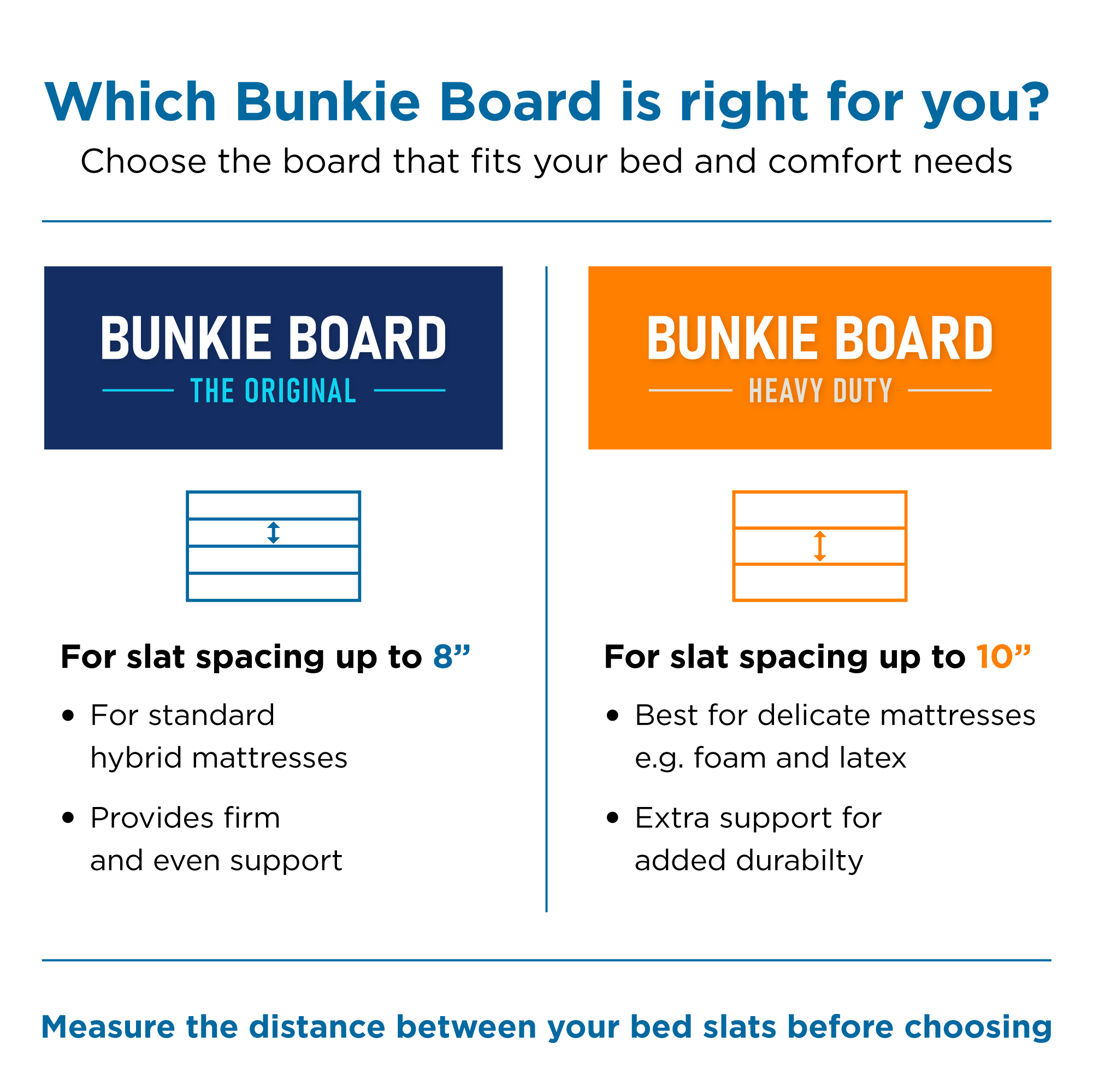
Not all boards deliver the same results. The best option depends on your mattress type, bed frame, budget, and how long you plan to use it. Choosing the wrong material can void your warranty or create moisture problems, so selecting wisely matters.
DIY Plywood Board
A ½-inch to ¾-inch sanded plywood board is the most reliable DIY option. ACX-grade plywood is ideal because it is moisture-resistant and smooth enough to protect your mattress. Cut the board ¼ to ½ inch smaller than your bed frame interior to allow airflow and easy insertion. Sand all surfaces and edges until smooth by running an old towel over the surface. If the towel snags, continue sanding. Optionally seal the board with a non-toxic finish to resist humidity.
Pro Tip: Most hardware stores will cut plywood to size for free or a small fee, saving you from DIY measurement mistakes.
In humid climates, drill 1-inch diameter ventilation holes in a grid pattern every 6 inches. This boosts airflow without sacrificing structural strength. A plywood board costs between $20 and $50 and lasts 5 to 10 years with proper care.
Bunkie Board (Pre-Made Support)
A bunkie board is a ready-to-use, fabric-wrapped support panel designed specifically for mattress reinforcement. Most are 1.5 to 3 inches thick and made from plywood, particleboard, or composite materials. The fabric cover prevents abrasion and improves aesthetics compared to raw wood. Many include internal slats or pre-drilled ventilation holes for better breathability.
Split versions make installation easier for large beds or tight spaces. Popular models like the Spinal Solution 1.5-Inch Split Bunkie Board are marketed directly for back pain relief. A quality bunkie board costs between $80 and $180 and lasts 7 to 12 years.
Best For: Long-term use, renters, and anyone wanting a clean, hassle-free upgrade without modifications.
Avoid Particle Board and MDF
Particle board and MDF may seem like budget-friendly choices, but they are not built to last. Both absorb moisture easily, swell over time, and lose structural integrity under weight. MDF is smoother than raw plywood but heavier and prone to warping. Particle board crumbles with prolonged pressure, especially in humid environments.
Expert Consensus: These materials are not recommended for mattress support. Stick to sanded plywood or quality bunkie boards instead.
Install the Board Correctly for Safe, Effective Support
Proper installation ensures safety, effectiveness, and longevity. A poorly fitted or rough board can damage your mattress or create new comfort problems. Follow these steps carefully.
Prepare the Bed Frame
Start by removing all bedding and lifting the mattress safely. Get help if the mattress is heavy. Place it on a clean surface or against a wall. Vacuum debris from the bed frame and inspect the slats or box spring. Look for cracked or warped slats, a missing center support beam (required for Queen and King beds), and wobbling or flexing in the frame.
If the frame is damaged, repair or replace it first. A board cannot fix a broken foundation. It only enhances an already stable one.
Measure and Fit the Board
Measure the interior dimensions of your bed frame, not the mattress. Subtract ¼ to ½ inch from both length and width to ensure a snug fit with room for air circulation. For DIY boards, mark the cut lines and sand thoroughly. For bunkie boards, confirm it matches your bed size.
Critical Rule: Never force a board into the frame. An oversized board can crack or warp, while an undersized one may shift and create instability.
Slide and Secure the Board
Place the board directly on the slats or foundation. It should lie flat with no wobbling. For split bunkie boards, align the two halves tightly within the frame. Reinstall the mattress evenly on top. Avoid dragging it. Lift and lower gently to prevent shifting the board underneath.
Safety Note: Use a mattress lift tool or ask for help to avoid back strain during reassembly.
Improve Airflow and Prevent Moisture Damage
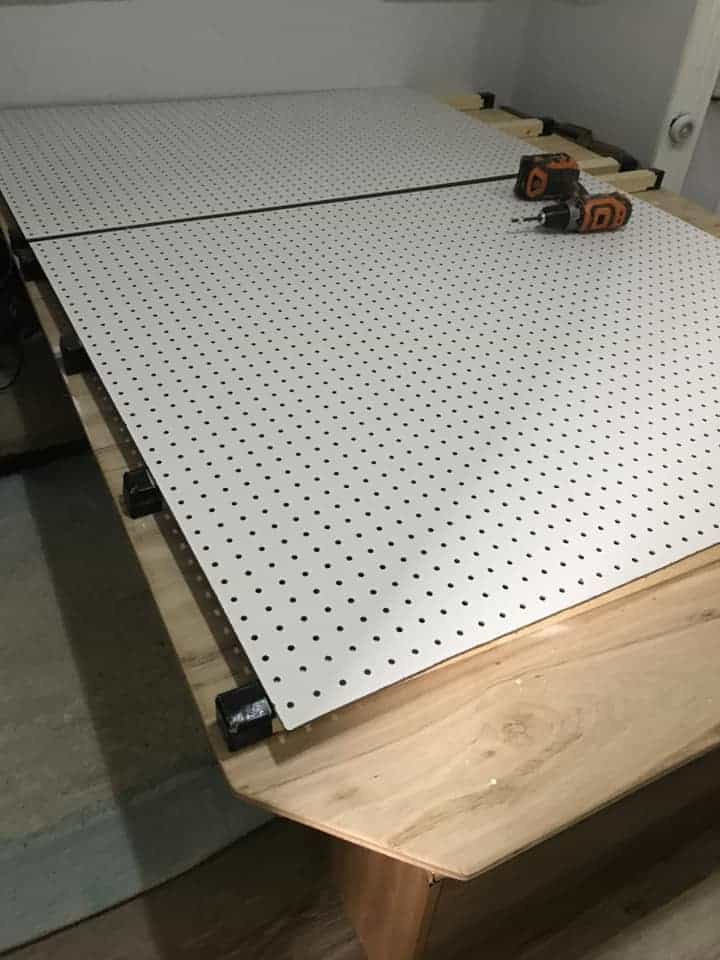
A solid board can trap heat and moisture, leading to mold, mildew, and foam degradation. This is especially problematic with memory foam mattresses. Prevent this with smart ventilation strategies.
Drill Ventilation Holes for DIY Boards
If using plywood, drill 1-inch diameter holes in a grid pattern spaced 6 inches apart. This allows air to circulate under the mattress without compromising support. Holes should be evenly distributed across the surface. Use a spade bit for clean cuts and sand the edges smooth.
Myth Busting: Ventilation holes do not weaken the board. Structural integrity remains intact as long as the wood between holes is sufficient.
Choose Breathable Bunkie Boards
Opt for pre-made boards with fabric covers that wick moisture, internal slats instead of solid cores, and pre-drilled ventilation holes. Models like the VEVOR Foldable Bunkie Board or Roomdiary Bunkie Board are designed with airflow in mind.
Elevate the Bed and Use Protectors
Lift the bed frame slightly off the floor using bed risers to encourage under-bed airflow. Keep space clear underneath for air movement. Use a breathable mattress protector to reduce sweat absorption. Avoid plastic-lined covers because they trap heat.
High-Humidity Warning: In damp climates, skip solid DIY boards unless they are ventilated. Moisture buildup can void warranties and shorten mattress life.
Match the Board to Your Mattress Type
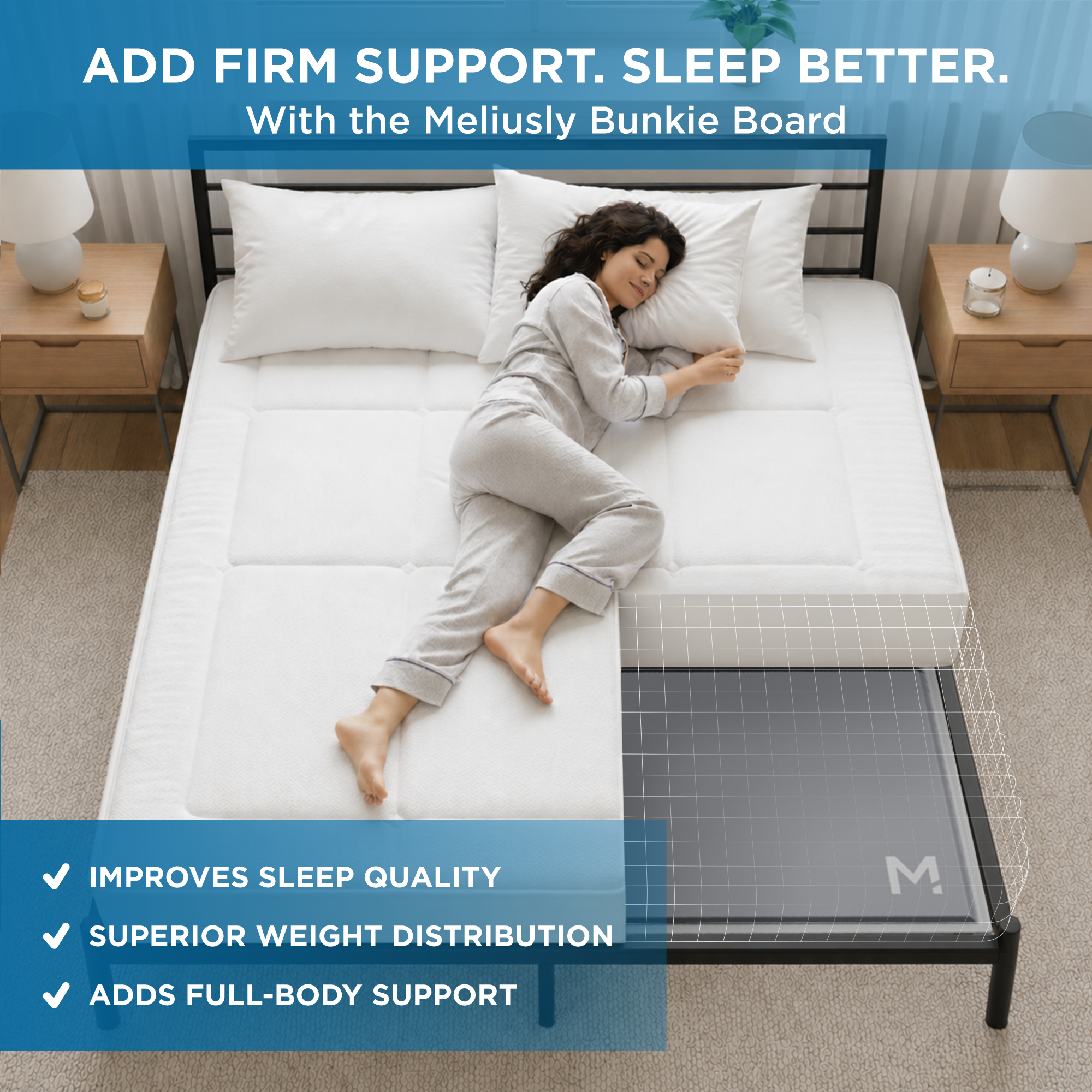
Not all mattresses respond the same to added support. Using a board can be essential for some types and unnecessary for others.
Memory Foam and Hybrid Mattresses
These require solid support. Without it, foam layers compress through gaps in slatted frames, leading to premature wear. According to research, 40% of foam mattress users with wide slats over 3 inches apart experience 20% faster degradation. A board creates a continuous, non-flexing surface that preserves foam integrity and maintains spinal alignment.
Warranty Alert: Many foam mattress brands like Casper and Tempur-Pedic require slats no more than 3 inches apart or a solid platform. A board ensures compliance and protects your warranty.
Innerspring Mattresses
If your innerspring mattress is sagging or resting on a worn box spring, a board restores firmness and helps coils function properly. It is a budget-friendly alternative to replacing the foundation. However, if the mattress is lumpy or has broken springs, a board will not fix internal damage.
Adjustable and Air Beds
Most adjustable bases have built-in support systems, so a board is rarely needed unless slats are damaged. Never add a board without checking the manufacturer guidelines. It could interfere with movement or void the warranty.
Avoid Common Mistakes That Can Worsen Back Pain
Even a well-intentioned fix can backfire if done wrong. These pitfalls can damage your mattress, reduce comfort, or create safety hazards.
Voiding the Mattress Warranty
Many manufacturers specify exact support requirements. Using raw plywood, improper slat spacing, or non-approved foundations can void your warranty. Some brands prohibit direct contact with wood or require a solid, flat surface that only certain bunkie boards meet.
Always check your mattress warranty before installing a board. Look for terms like maximum slat spacing, required center support, and approved foundation types. When in doubt, choose a fabric-covered bunkie board because it is less likely to violate warranty terms.
Choosing the Wrong Thickness
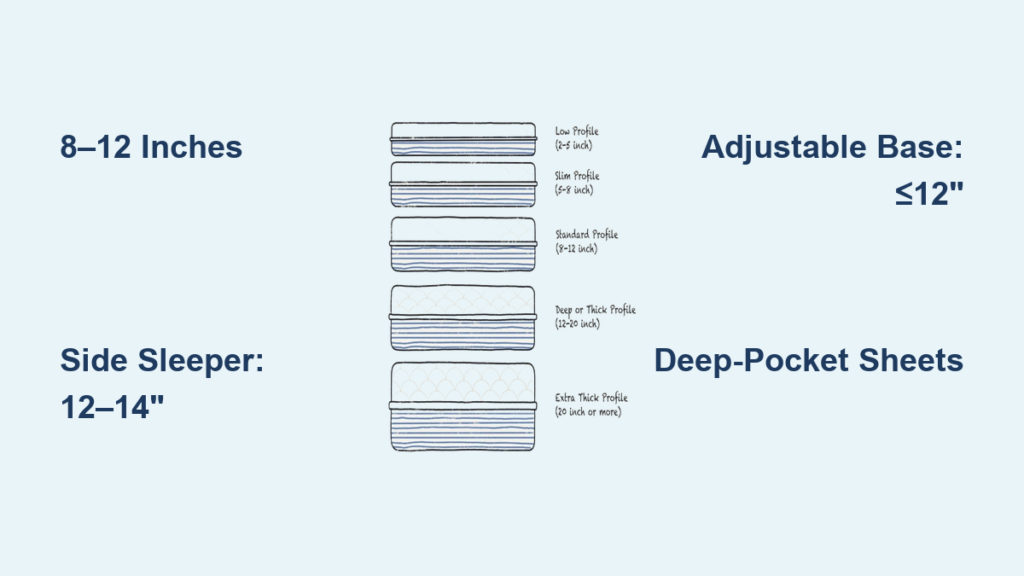
Too thin, and the board may flex under weight. Too thick, and it raises the bed excessively, making it hard to get in and out. Ideal thickness is ¾ inch for plywood and 1.5 to 3 inches for bunkie boards. Thicker boards add durability but also height, so consider your mobility and bed clearance.
Ignoring Weight Capacity
Not all boards can handle heavy loads. Standard bunkie boards support 400 to 600 pounds. If you or your partner exceed this, opt for reinforced models. Avoid standing or jumping on the bed because point loads can crack boards, especially particle board or MDF.
Durability Tip: Inspect the board annually for cracks, warping, or moisture damage.
Know When a Board Is Not Enough
A board helps with support-related back pain, but it is not a cure-all. If your pain persists, the issue may be deeper.
Signs You Need a New Mattress
Replace your mattress if it is over 7 to 10 years old, sagging exceeds 1.5 inches, you feel coils, springs, or lumps, or you wake up stiff every morning even after using a board. A board cannot fix a collapsed core or internal damage. In these cases, no amount of reinforcement will restore comfort.
When to See a Doctor
Back pain can stem from medical conditions like herniated discs, spinal stenosis, arthritis, or sciatica. Consult a doctor or physical therapist before using a board if you have a diagnosed spinal condition. A firmer surface is not always better. Some conditions require contouring support, not rigidity.
Upgrade Paths Beyond a Board
If the board helps but feels temporary, consider a rigid foundation that adds height and long-term support, a platform bed with built-in slats that eliminate the need for extra layers, or an adjustable base that offers personalized positioning for pain relief. A board can delay a $1,000-plus mattress replacement by 2 to 5 years, saving $300 to $600 per bed.
Compare Costs and Long-Term Value
A board under the mattress is one of the most cost-effective fixes for back pain. Here is how options compare.
| Option | Cost | Lifespan | Best Use Case |
|---|---|---|---|
| DIY Plywood Board | $20–$50 | 5–10 years | Budget fix, testing support needs |
| MDF Board | $30–$60 | 3–5 years | Short-term, smooth surface |
| Bunkie Board | $80–$180 | 7–12 years | Long-term, hassle-free support |
| Split Bunkie Board | $100–$200 | 8–15 years | Large beds, easy handling |
| Rigid Foundation | $150–$300 | 10–20 years | Permanent, warranty-compliant |
| Solid Wood Platform Bed | $800–$2,500+ | 20+ years | Full upgrade, no extra foundation |
Bottom Line: A bunkie board offers the best balance of cost, durability, and comfort for most back pain sufferers.
Is a Board Right for You
Use this quick decision guide to determine if this solution fits your situation.
Use a board if you wake up with back pain that improves during the day, your mattress sags in the middle or at hip level, you sleep on memory foam or hybrid with wide slats, or you want a fast, affordable fix.
Skip the board if your mattress is lumpy or over 10 years old, you feel broken springs or deep indentations, your warranty prohibits wood contact, or pain persists after 5 nights of use.
Test First: Try a DIY board for 3 to 5 nights. If pain improves, invest in a quality bunkie board or foundation.
Final Thoughts on Using a Board for Back Pain Relief
A board under mattress for back pain is a practical, science-backed solution for support-related discomfort. When installed correctly, it aligns your spine, reduces pressure on the lower back and hips, and extends your mattress life by several years. The key is choosing the right material, ensuring proper ventilation, and matching the solution to your specific mattress type.
Remember that a board is not a medical cure. It addresses structural support issues, not underlying spinal conditions. If your pain persists after testing a board or if you have a diagnosed back problem, consult a healthcare provider. For most people, this simple fix is the missing link between restless nights and pain-free mornings.
Frequently Asked Questions About Board Under Mattress for Back Pain
Does a board really help with back pain?
Yes, a board helps when back pain stems from poor mattress support. It creates a firm, even surface that maintains spinal alignment and prevents the hips from sinking too deeply into a soft mattress.
What thickness board is best for back pain?
For DIY plywood, ¾ inch provides the best balance of support and flexibility. Bunkie boards typically come in 1.5 to 3 inches, which works well for most sleep setups.
Will a board void my mattress warranty?
It depends on the manufacturer. Some warranties require specific foundation types or slat spacing. Always check your warranty terms before installing a board.
How long does a bunkie board last?
Quality bunkie boards last 7 to 12 years with proper care. Plywood boards last 5 to 10 years, depending on material quality and environmental conditions.
Can I use a board with an adjustable bed frame?
Most adjustable bases have built-in support, so a board is rarely needed. Check the manufacturer guidelines before adding one, as it could interfere with movement or void the warranty.
What is the difference between a bunkie board and plywood?
A bunkie board is a pre-made, fabric-covered support panel designed specifically for mattresses. Plywood is raw wood that requires cutting, sanding, and optional sealing. Bunkie boards offer better aesthetics, easier installation, and built-in ventilation.