You just bought a stylish panel bed and now face one big question: does a panel bed need a box spring? Many buyers assume they must buy extra foundation pieces, but modern designs often make this unnecessary. Most panel beds feature built-in slats or solid platforms that support your mattress directly without extra height or cost.
This guide explains exactly when you can skip the box spring and when you might still need one. You will learn about mattress compatibility, height adjustments, and common setup mistakes to avoid. We will cover everything required to ensure your new bed frame lasts for years.
Built-In Support Systems in Panel Beds
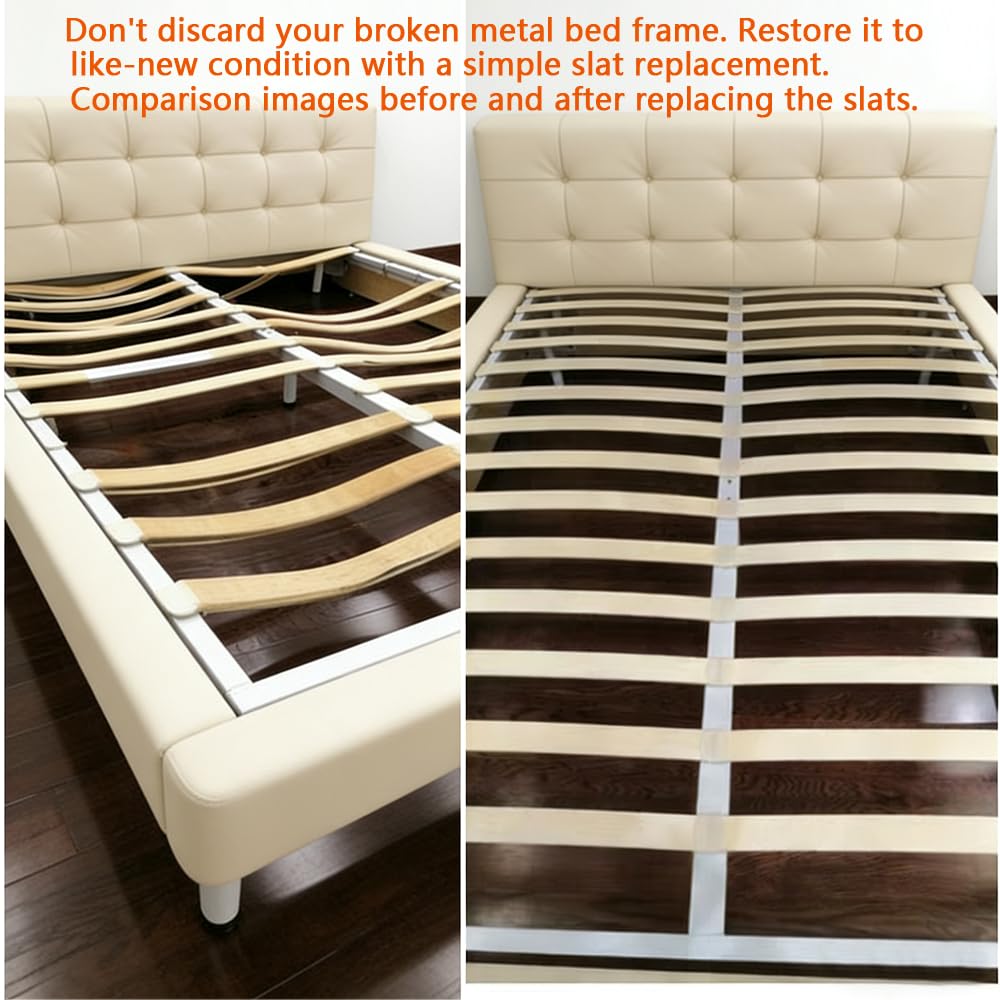
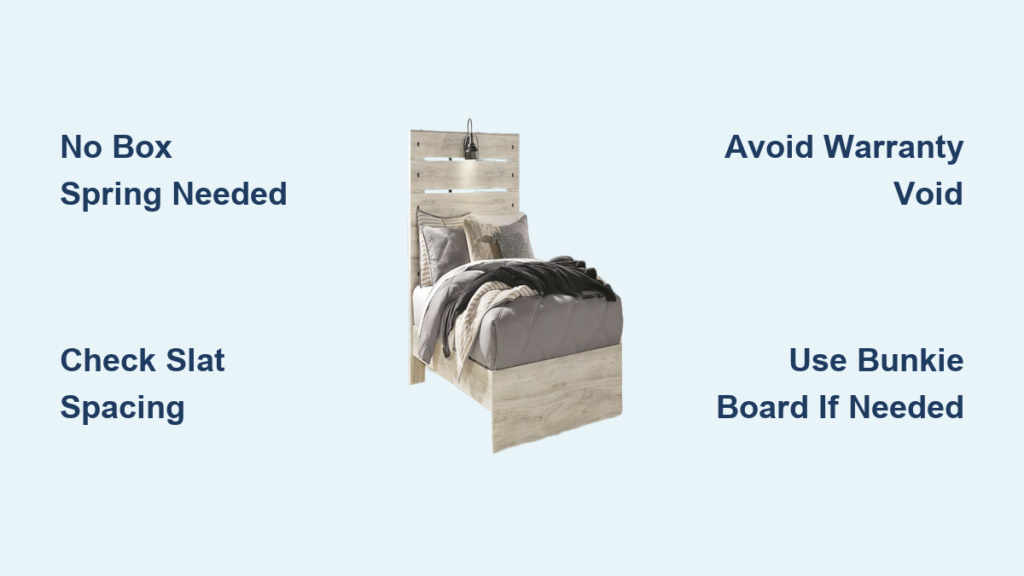
Modern panel beds come engineered with robust internal support structures. These designs eliminate the need for traditional box springs found in older bedroom sets. The frame itself acts as the foundation for your sleeping surface.
How Slatted Bases Provide Stability
Most panel beds include a series of wooden or metal slats running across the frame. These slats are spaced closely, typically two to three inches apart, to hold mattresses securely. This spacing prevents sagging while allowing air to circulate under the mattress. High-quality slats flex slightly to absorb pressure while maintaining a flat surface.
The Role of Center Support Rails
Larger sizes like queen and king panel beds often feature a center support rail. This rail runs down the middle of the frame with legs that touch the floor for added stability. It prevents the bed from bowing in the center under heavy weight. Adding a box spring to this setup can sometimes cause uneven weight distribution or noise.
Mattress Compatibility With Panel Frames
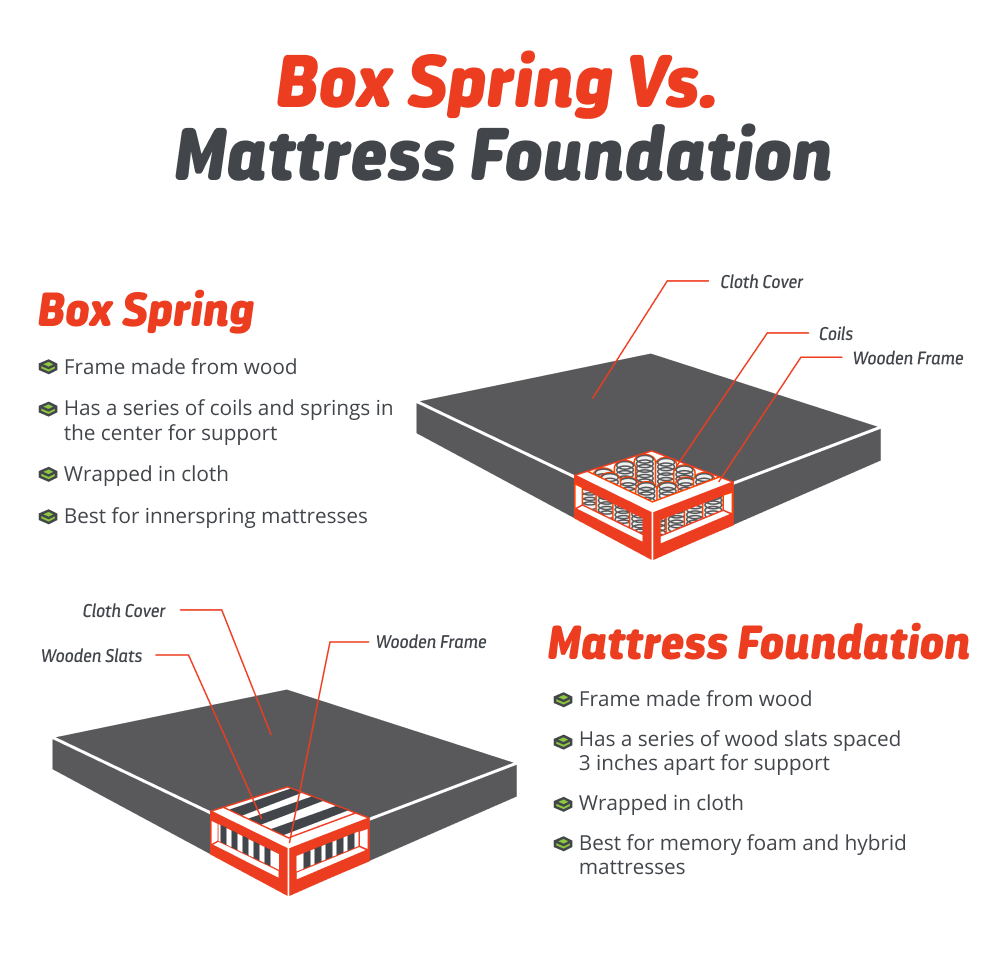
Your choice of mattress plays a huge role in determining if you need extra support. Different materials react differently to the base they sit upon. Understanding these differences ensures you get the best sleep experience.
Memory Foam and Latex Requirements
Memory foam and latex mattresses require a solid, flat surface to function correctly. Panel beds provide this firm base naturally without the bounce of a box spring. Using a traditional box spring under these materials can cause them to sink unevenly. This uneven sinking may lead to permanent indentations and reduced comfort over time.
Hybrid and Innerspring Mattress Needs
Hybrid and innerspring mattresses are more forgiving regarding foundation types. They can work well on panel beds with slats or solid platforms. However, some manufacturers specify that the slats must be close together to prevent coil damage. Always check your specific mattress warranty before skipping a traditional foundation.
Situations Where a Box Spring Helps
While not required for support, there are specific scenarios where adding height makes sense. Some users prefer a taller bed profile for aesthetic or practical reasons. A box spring can serve a purpose beyond just holding up the mattress.
Increasing Overall Bed Height
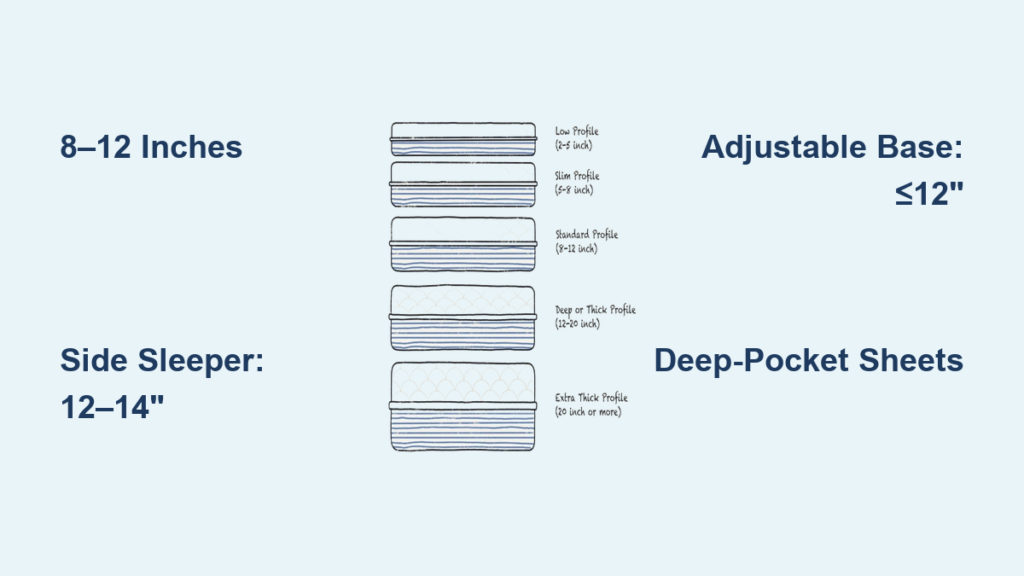
Standard panel beds sit lower to the ground than traditional frames with box springs. If you have trouble getting in and out of bed, adding a low-profile box spring adds four to six inches of height. This extra elevation improves accessibility for people with mobility challenges. It also creates a more traditional look that some homeowners prefer.
Extending Life of Older Mattresses
You might consider a box spring if you are reusing an older innerspring mattress. Older models were often designed specifically for use with box springs to absorb shock. Placing such a mattress directly on slats might feel too firm or cause premature wear. This is a temporary solution until you can upgrade to a mattress designed for platform use.
Effective Alternatives to Traditional Box Springs

You do not need a standard box spring to gain height or firmness. Several modern alternatives offer better support and longevity. These options integrate seamlessly with panel bed designs.
Using Bunkie Boards for Minimal Lift
A bunkie board is a thin platform, usually two to three inches thick, made of wood or plywood. It sits directly on top of the bed slats to create a solid surface. This option adds slight height without the bulk of a full box spring. Bunkie boards are ideal for memory foam mattresses that need a firm base.
Pairing With Adjustable Bases
Adjustable bases function as both a foundation and a positioning system. They allow you to raise the head or feet of the bed for comfort or health reasons. These bases fit inside many panel beds if the frame has enough clearance. Traditional box springs cannot bend or move, making them incompatible with adjustable features.
Common Setup Mistakes to Avoid
Incorrect assembly or foundation choices can ruin the comfort of your new bed. Avoiding these frequent errors ensures your investment lasts longer. Simple checks during setup prevent major issues down the road.
Placing Mattresses on Worn Foundations
Never place a new mattress on an old, sagging box spring. The uneven surface will cause the new mattress to warp and lose its shape quickly. Even if the box spring looks okay externally, internal springs may be weak. Always start with a flat, sturdy base for your new sleep system.
Ignoring Manufacturer Warranty Guidelines
Mattress warranties often specify the type of foundation required for coverage. Some brands void the warranty if the mattress is used on slats spaced too far apart. Others explicitly state that box springs are not allowed on their hybrid models. Read both the bed frame and mattress manuals carefully before finalizing your setup.
Visual Inspection Tips Before Use

A quick visual check can save you from future discomfort and repairs. Inspect your panel bed thoroughly before placing your mattress on it. Look for structural integrity and proper spacing.
Measuring Slat Spacing Accurately
Use a tape measure to check the distance between each slat. The gap should not exceed three inches for most mattress types. Wider gaps can cause memory foam to sag into the spaces. If your slats are too far apart, add a bunkie board or purchase additional slats.
Checking for Structural Gaps or Sagging
Press down firmly on the center and corners of the assembled frame. Listen for creaking sounds or watch for excessive flexing in the wood or metal. Ensure all bolts and screws are tightened securely according to the instructions. A stable frame prevents noise and movement while you sleep.
Maintenance Tips for Longevity
Proper care extends the life of both your panel bed and mattress. Regular maintenance keeps your sleeping surface comfortable and safe. Simple habits make a big difference over time.
Rotating Your Mattress Regularly
Rotate your mattress every three to six months to prevent uneven wear. This practice stops body impressions from forming in one spot. A solid panel bed base helps distribute weight evenly during this process. Consistent rotation keeps your sleep surface feeling new for longer.
Tightening Frame Connections Periodically
Wood and metal frames can loosen due to nightly movement and weight shifts. Check all bolts, screws, and joints every few months. Pay special attention to the center support rail and corner brackets. Tightening these connections prevents wobbling and protects the structural integrity of the bed.
Frequently Asked Questions About Panel Beds
Can I use a panel bed without any box spring at all?
Yes, you can absolutely use a panel bed without a box spring. Most panel beds have built-in slats or solid platforms designed to support mattresses directly. Adding a box spring is usually unnecessary and may void your warranty.
What happens if I put a box spring on a panel bed?
Putting a box spring on a panel bed often makes the bed too tall and unstable. It can also trap heat and reduce airflow under the mattress. In some cases, it may void the manufacturer warranty for both the bed and mattress.
Do memory foam mattresses need a box spring on a panel bed?
No, memory foam mattresses do not need a box spring on a panel bed. They actually perform better on the firm, flat surface that panel beds provide. Using a box spring can cause memory foam to sag and lose its shape faster.
How much height does a bunkie board add compared to a box spring?
A bunkie board typically adds only two to three inches of height. In contrast, a traditional box spring adds about nine inches, while a low-profile box spring adds around five inches. Bunkie boards offer a minimal lift while maintaining a modern look.
Will using a box spring void my panel bed warranty?
It might void the warranty depending on the manufacturer specifications. Many panel bed makers explicitly state that box springs are not recommended or allowed. Always check your assembly guide and warranty terms before adding extra layers.
Key Takeaways for Panel Bed Owners
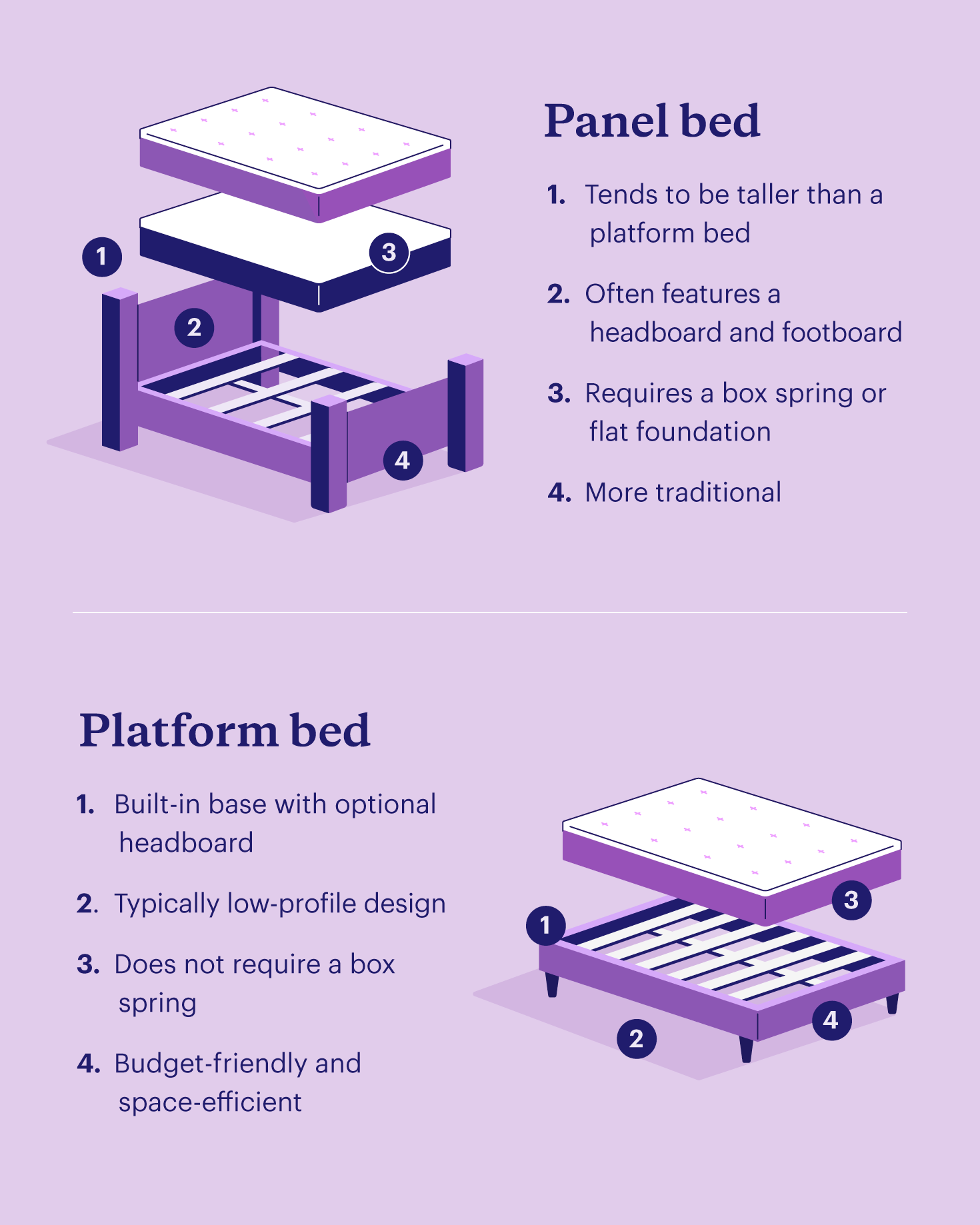
Your panel bed likely does not need a box spring because it comes with built-in support. Using one can sometimes cause height issues, reduce airflow, or void your warranty. However, you can use low-profile alternatives like bunkie boards if you need extra height or a firmer surface.
Always check your mattress warranty and inspect your slat spacing before making a decision. Proper setup and regular maintenance will ensure your bed remains comfortable and durable for years. Skip the extra cost of a box spring unless you have a specific need for elevation or are using an older mattress model.