A good night sleep does more than leave you feeling rested. It protects your long-term health, especially your spine. Poor spinal alignment during sleep can lead to chronic back pain, muscle stiffness, and disrupted rest. The right mattress plays a pivotal role in maintaining the spine natural S-curve, and latex mattresses have emerged as one of the most effective options for achieving this. With their unique balance of contouring and responsiveness, latex beds support the cervical, thoracic, and lumbar regions without over-sinking or creating pressure points.
Unlike memory foam that traps heat or innersprings that sag over time, latex adapts to your body while actively supporting proper posture. It conforms just enough to cradle the shoulders and hips, keeping the spine in a neutral position regardless of whether you sleep on your back, side, or stomach. This article breaks down exactly how latex mattresses promote spinal alignment, from adaptive contouring to zoned support systems, so you can make an informed choice for lasting spinal health.
Adaptive Contouring Keeps Your Spine Neutral
Latex naturally molds to your body shape, providing personalized support where it is needed most. This adaptive contouring ensures that heavier areas like the hips and shoulders sink slightly into the mattress, while lighter zones like the lower back and neck receive firm, consistent support. The result is a spine that maintains its natural curvature without being pushed into unnatural positions.
Immediate Response Without That Trapped Feeling
Unlike memory foam, which responds slowly and can create a sinking sensation, latex offers instant push-back. When you shift positions during the night, the material rebounds quickly, preventing that stuck feeling. This responsiveness allows for smooth transitions without compromising spinal alignment.
The latex material supports dynamic sleepers who move frequently. It reduces strain from repositioning and maintains consistent support across all movements. The result is a mattress that feels both soft and supportive, a rare combination essential for long-term spinal health.
Eliminating Gaps Under Key Spinal Zones
One major cause of misalignment is gaps between your body and the mattress, especially under the lower back or neck. Latex fills these voids naturally, eliminating pressure imbalances that force the spine out of neutral.
A 2010 study in Applied Ergonomics found that improved pressure distribution from adaptive surfaces significantly enhances spinal alignment, particularly for those with low back pain. When lying on your back, your hand should not fit easily under your lower back on a properly supportive latex mattress. The minimized space indicates good lumbar support.
Even Weight Distribution Reduces Spinal Stress
Uneven pressure on the spine can compress discs, irritate nerves, and trigger chronic pain. Latex excels at distributing body weight uniformly across the entire surface, reducing stress on sensitive areas like the lumbar region and hips.
Preventing Pressure Point Overload
The open-cell structure of latex disperses force across the entire surface. This means shoulders for side sleepers compress gently without excessive sinking. Hips remain elevated enough to prevent pelvic tilt. Lower back stays supported, avoiding hyperextension or flattening. This balanced load reduces strain on joints and muscles, promoting better posture and fewer aches upon waking.
Supporting Circulation and Nerve Function
By minimizing localized pressure, latex helps maintain healthy blood flow and prevents nerve compression. These are common culprits behind numbness, tingling, and restless legs. The material is ideal for people with sciatica or joint sensitivity. It encourages deeper, uninterrupted sleep stages and reduces involuntary position shifts caused by discomfort.
Zoned Support Targets Spinal Alignment
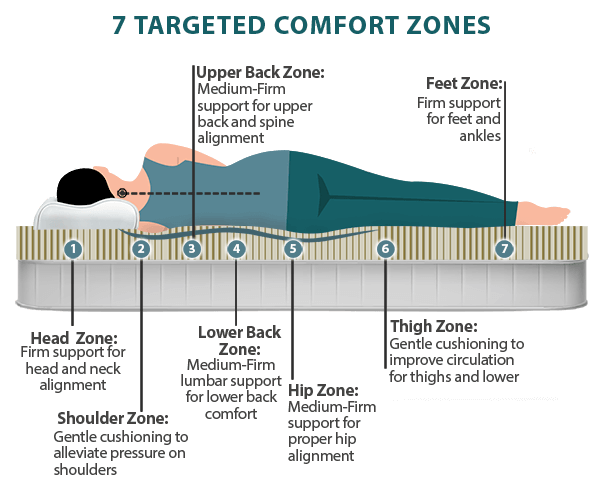
Many premium latex mattresses use zoned layering or pin-core designs to deliver varying levels of firmness across different body zones. These engineered systems enhance spinal alignment by reinforcing critical areas like the lumbar spine.
Lumbar Reinforcement Prevents Sagging
The lower back is prone to collapsing during sleep, especially on soft mattresses. Zoned latex models feature denser cores or deeper pinholes in the midsection to provide extra lift. This keeps the pelvis level with the shoulders, maintains the natural lordotic curve, and reduces morning lower back stiffness.
Brands like PlushBeds and Saatva use multi-zone layouts where the center third of the mattress is firmer, acting like an internal brace for the spine. Look for models with variable pinhole depth, where deeper holes increase softness and shallower holes add support, strategically placed for biomechanical balance.
Shoulder Relief for Side Sleepers
In the upper third of the mattress, softer zones allow the shoulders to sink slightly. This is critical for side sleepers without letting the torso drop too low. The alignment keeps the spine straight from neck to hip.
Choosing the Right Firmness for Your Sleep Position

No single firmness works for everyone. Latex stands out by offering a wide range of firmness options, from soft to firm, so you can match your mattress to your sleep style and body type.
Best Firmness by Sleep Position
| Sleep Position | Recommended Latex Firmness | Spinal Benefit |
|---|---|---|
| Back Sleepers | Medium to Medium-Firm | Supports lumbar curve without flattening it |
| Side Sleepers | Medium to Soft | Allows shoulder and hip sinkage while keeping spine straight |
| Stomach Sleepers | Firm | Prevents hip drop and lower back arching |
Choosing the right firmness prevents unnatural spinal angles that lead to pain.
Body Weight Adjustments
Under 130 pounds typically works best with softer latex to ensure adequate contouring without floating. Between 130 and 230 pounds, medium to medium-firm balances cushioning and support effectively. Over 230 pounds usually requires firmer latex or hybrid builds to prevent bottoming out.
Some brands like Latex For Less offer dual-sided mattresses with different firmness levels on each side, letting you flip as your needs change over time.
Long-Term Resilience for Consistent Spinal Support
A mattress that sags or loses firmness over time compromises spinal alignment. Latex outperforms most materials with 8 to 15 years of structural integrity, ensuring your spine gets reliable support year after year.
Resisting Body Impressions
Unlike memory foam, which often develops permanent sinkholes, latex bounces back quickly after compression. This prevents the hammock effect that pulls the spine out of alignment. There is no progressive sagging in hip or shoulder zones. The original shape and support profile remain maintained. This makes latex ideal for combination sleepers who shift frequently throughout the night.
Sustained Performance Over Time
Latex does not soften prematurely. Its cellular structure resists permanent compression, meaning the lumbar support you felt on night one remains effective years later. Consumer testing by Stiftung Warentest in 2014 rated latex as the most durable and satisfying mattress type after long-term use.
Pressure Relief Without Excessive Sinking
Spinal alignment requires a delicate balance. You need enough cushioning to relieve pressure but enough firmness to prevent collapse. Latex delivers both.
Reducing Pressure Point Formation
Latex compresses slightly under high-load areas but remains resilient enough to prevent deep sinking. This reduces pressure on shoulders, which is a common pain point for side sleepers. It reduces pressure on hips, which is critical for pelvic alignment. It reduces pressure on the lower back, which prevents disc compression.
Fewer pressure points mean fewer involuntary movements, leading to deeper, more restorative sleep.
Enhancing Deep Sleep and Recovery
By minimizing discomfort, latex helps you stay in deep sleep and REM stages longer. These are the stages when tissue repair and spinal decompression occur. Athletes and active individuals benefit most. Morning stiffness decreases over time, and pain-related awakenings drop significantly.
Temperature Regulation for Muscle Relaxation
Overheating disrupts sleep and causes muscle tension, both of which harm spinal alignment. Latex open-cell structure and natural breathability keep sleepers cool throughout the night.
Promoting Full Muscle Release
Cooler temperatures help the nervous system relax, allowing muscles to fully unwind. This reduces nighttime spasms and supports spinal realignment during rest. The feature is especially beneficial for people with chronic back pain. It reduces night sweats and hot flashes while enhancing circulation for faster recovery.
Outperforming Memory Foam on Heat
While traditional memory foam traps body heat, latex dissipates it efficiently. Many models also include organic wool or cotton covers for added moisture-wicking. A 2008 Applied Ergonomics study found latex superior to memory foam in thermal comfort and spinal alignment.
Motion Isolation for Stable Sleep Posture
Every time your partner moves, it can jolt you awake or force you into awkward positions. Latex provides excellent motion isolation, absorbing movement and preserving spinal alignment.
Ideal for Couples and Light Sleepers
Tossing and turning on one side does not disturb the other. This reduces the need for repositioning due to disturbances and maintains consistent posture throughout the night. This stability is crucial for those recovering from back injuries or surgeries.
Hypoallergenic Benefits for Healthier Sleep
Latex is naturally resistant to dust mites, mold, and bacteria, common allergens that disrupt sleep and increase restlessness. A clean, hypoallergenic surface means fewer interruptions and better spinal maintenance.
Organic Options Eliminate Chemical Exposure
Certified GOLS or GOTS organic latex mattresses contain no formaldehyde, no phthalates, no synthetic flame retardants, and no petroleum-based foams. Reduced inflammation and irritation mean less muscle tension and improved spinal comfort.
Hybrid Latex and Pocket Coil Systems for Maximum Support
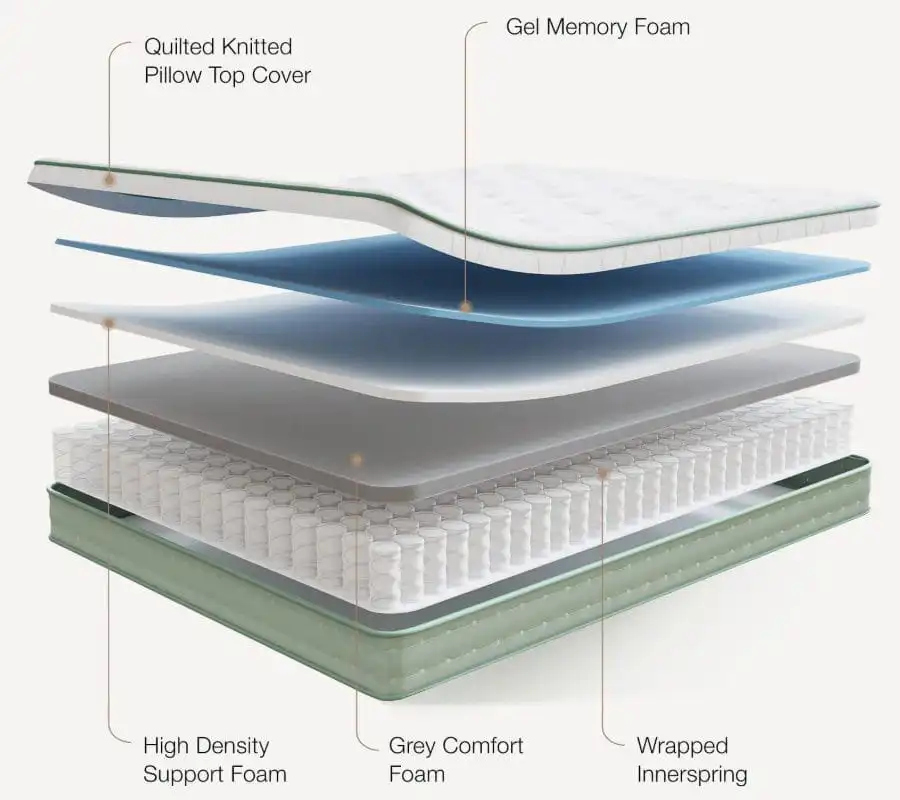
For enhanced durability and spinal stabilization, many top models combine natural latex comfort layers with individually wrapped pocket coils.
Deep Structural Support Without Sagging
Coils provide a stable base that prevents bottoming out. Each coil compresses independently, adapting to body contours. This maintains even spinal alignment across different body types. This design is perfect for heavier individuals or those with chronic back issues.
Improved Edge and Lumbar Support
Hybrid designs often feature reinforced edges and zoned coil systems that further stabilize the spine. There is better support when sitting on the edge of the bed. Pelvic drop during sleep is prevented, and longevity and shape retention are enhanced.
Real-World Benefits for Active Individuals
Athletes, first responders, and manual laborers face daily spinal stress. Latex helps them recover by combining decompression, alignment, and circulation support.
Addressing Common Physical Strains
Lower back compression from lifting is countered by firm lumbar support. Hip and shoulder tension is relieved through targeted pressure reduction. Repetitive joint impact is mitigated by a resilient, shock-absorbing surface.
Accelerating Muscle Recovery
By improving blood flow and reducing pressure-related fatigue, latex speeds up recovery time so the spine and muscles heal faster overnight.
Latex Toppers for Affordable Spinal Correction
Not ready to replace your entire mattress? A latex topper 2 to 3 inches thick can dramatically improve spinal alignment.
Correcting Existing Mattress Issues
A topper softens a too-firm bed without losing support. It restores contouring to a worn-out innerspring and fine-tunes firmness for specific sleep positions. Available in multiple firmness levels, toppers let you customize support without a full investment.
Compatible with Adjustable Bases for Postural Therapy
For people with severe back pain, adjustable bases can enhance spinal relief, and latex works perfectly with them.
Spine Decomposition Through Positioning
Elevating the head and legs reduces pressure on lumbar discs. This helps manage conditions like sciatica and herniated discs while improving circulation and breathing during sleep. Latex elasticity allows it to bend with adjustable frames without cracking or losing support.
Models like Saatva natural latex mattress are specifically designed for use with adjustable bases, offering customizable comfort for chronic pain sufferers.
Frequently Asked Questions About Latex and Spinal Alignment
Is latex better than memory foam for spinal alignment?
Yes. Latex provides responsive support without the slow recovery and heat retention of memory foam. It maintains spinal neutrality better over time and resists sagging, making it superior for long-term alignment.
Can a latex mattress help with sciatica or herniated discs?
Many users report relief from sciatica and disc-related pain due to latex ability to reduce pressure on nerves, support the lumbar spine, and promote proper posture. However, it should complement, not replace, medical treatment.
Do all latex mattresses support the spine equally?
No. Performance depends on the type of latex, layering and zoned design, firmness level, and user weight and sleep position. Choose a model tailored to your specific needs.
Are natural latex mattresses worth the higher price?
For individuals with back pain, poor sleep quality, or chemical sensitivities, the investment is often justified by longer lifespan, better spinal support, a healthier sleep environment, and reduced need for pain medication or chiropractic visits.
How long does a latex mattress maintain its spinal support?
High-quality latex mattresses maintain their structural integrity for 8 to 15 years or more, providing consistent spinal support throughout their lifespan.
Can I use a latex mattress with an adjustable base?
Yes. Latex elasticity allows it to flex with adjustable bases without losing structural integrity or support. This feature is particularly beneficial for those needing elevated positions to relieve spinal pressure.
Key Takeaways for Choosing a Latex Mattress
Latex mattresses support spinal alignment through a rare fusion of contouring comfort and resilient support. They adapt to your body without collapsing, distribute weight evenly, and maintain their shape for years. Whether you are a side sleeper, back pain sufferer, athlete, or eco-conscious buyer, latex offers a scientifically backed solution for healthier, more restorative sleep.
When selecting a latex mattress for spinal alignment, consider your sleep position and body weight to choose the appropriate firmness level. Look for zoned support systems that provide firmer lumbar reinforcement. Opt for natural or organic latex for superior durability and responsiveness. Consider hybrid options if you need deeper structural support.
Investing in the right latex model is not just about comfort. It is a long-term commitment to spinal wellness that pays dividends in reduced pain, better sleep, and improved overall well-being for years to come.