If you’re wondering how to cool a latex mattress, you’re not alone. While natural latex is one of the most breathable mattress materials available, factors like bedding, room temperature, and foundation choice can still lead to unwanted heat buildup. The key to staying cool lies not just in the mattress itself, but in optimizing your entire sleep ecosystem. Natural latex sleeps cooler than memory foam and many hybrid models thanks to its open-cell structure and moisture-wicking properties, but synthetic blends or poor sleep environment choices can undermine these benefits. In this guide, you’ll learn exactly how to enhance airflow, manage humidity, and eliminate heat-trapping elements so your latex mattress performs at its cooling best.
Choose 100% Natural Latex
Your mattress type is the foundation of thermal comfort. Not all latex is created equal when it comes to cooling.
Natural vs. Synthetic Latex
Natural latex, derived from rubber tree sap, has a porous, open-cell structure that allows air to circulate freely. This makes it inherently cooler than synthetic or blended versions. Synthetic latex, made from petrochemicals, tends to be denser and traps more heat due to reduced breathability. Blends with over 30% synthetic content often sleep warmer and degrade faster. For maximum cooling, select a mattress labeled 100% natural latex, especially Talalay, which undergoes a flash-freezing process that preserves more air channels than Dunlop.
Look for Organic Certifications
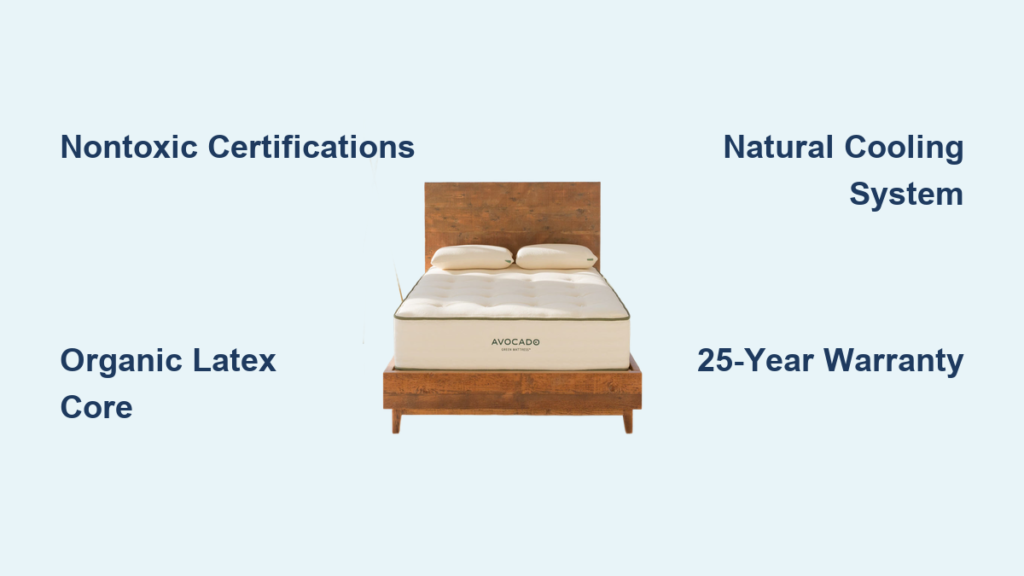
Certifications like GOLS (Global Organic Latex Standard) ensure your latex is free from synthetic fillers and harmful chemicals. These high-purity materials maintain better airflow and resist off-gassing, which can contribute to a stuffy sleep environment. Brands like Avocado, PlushBeds, and Eco Terra offer GOLS-certified models designed specifically for temperature regulation.
Use Cooling Mattress Covers

The cover is your first line of defense against heat retention. Even the best latex core can overheat if trapped under a synthetic or non-breathable layer.
Organic Wool Covers
Wool is a natural thermoregulator that wicks moisture and adjusts to body temperature. It absorbs up to 30% of its weight in sweat without feeling damp, keeping your sleep surface dry. Many premium latex mattresses, such as the Avocado Green and PlushBeds Botanical Bliss, use quilted organic wool in their covers specifically for this reason. Wool also resists dust mites and mold, improving air quality.
Organic Cotton Ticking
Cotton is soft, breathable, and highly effective at promoting airflow. Choose GOTS-certified organic cotton to avoid chemical treatments that reduce breathability. Percale-weave cotton has a crisp, cool feel and an open structure that enhances ventilation. This fabric allows heat to escape quickly, preventing that trapped sensation common with polyester blends.
Optimize Your Bedding Layers

Your sheets, protectors, and comforters can either enhance or sabotage your latex mattress’s cooling power.
Choose Breathable Sheets
Stick to natural fibers. Cotton percale is lightweight and crisp, ideal for hot sleepers. Linen is naturally moisture-wicking and gets softer with each wash. Hemp is durable, eco-friendly, and excellent at absorbing humidity. Bamboo lyocell is smooth and breathable, especially if mechanically processed. Avoid polyester, microfiber, or nylon, as these synthetic fabrics trap heat and restrict evaporation, turning your bed into a sauna.
Upgrade Your Mattress Protector
Most waterproof protectors use plastic or vinyl layers that block airflow. Instead, use a non-waterproof organic cotton pad for dust and minor spill protection. Or choose an ultra-thin breathable protector with a plant-based barrier like cornstarch membrane. Thick, rubberized pads smother your mattress. A breathable option maintains airflow while still protecting your investment.
Lighten Your Duvet
Swap heavy comforters for lightweight, natural-fill alternatives. Goose down provides high loft with minimal weight and regulates temperature well. Alpaca fiber wicks moisture and resists overheating. Silk is hypoallergenic and thermally balanced. Use a cotton or linen duvet cover, never synthetic. Consider layering thin blankets instead of relying on one thick comforter, so you can adjust warmth without trapping heat.
Improve Airflow Under the Mattress

Even the most breathable latex needs air circulation beneath it. A solid platform can suffocate your mattress.
Use a Slatted Foundation
Choose a bed frame with wooden or metal slats spaced 1 to 2 inches apart. These gaps allow air to flow underneath, carrying heat away from the mattress core. Avoid solid plywood platforms unless you add a breathable underlay.
Add a Ventilated Underlay
If you must use a solid base, place a coconut coir pad or a ventilated mesh underlay between the platform and mattress. These materials restore airflow and prevent moisture buildup. Coconut coir is naturally antimicrobial and resilient, making it ideal for long-term use.
Elevate for Clearance
If your bed sits too low, use bed risers to increase clearance beneath the mattress. Even an extra 1 to 2 inches can improve air exchange, especially in humid rooms.
Control Room Temperature and Humidity
Your sleep environment plays a bigger role than you think. Even the best cooling mattress cannot compensate for a hot bedroom.
Set Ideal Sleep Temperature
Keep your bedroom between 60 and 67 degrees Fahrenheit (15 to 19 degrees Celsius). This range supports your body’s natural drop in core temperature during sleep onset. Use a programmable thermostat to cool the room automatically at bedtime and warm it before you wake.
Use Fans Strategically
Ceiling fans create consistent airflow across the bed. Tower or oscillating fans direct cool air where needed. Air purifiers with fan modes improve circulation without noise. Place fans to promote cross-ventilation, especially if you open windows at night. Avoid pointing fans directly at your face if you are sensitive to drafts.
Manage Humidity Levels
Ideal indoor humidity is 30 to 50%. In humid climates, use a dehumidifier to reduce moisture in the air. Excess humidity makes sweat evaporate slower, leaving you feeling sticky and overheated. Pair with AC or evaporative cooling for best results.
Wear Cooling Sleepwear
What you wear to bed affects your microclimate more than you realize.
Choose Natural Fiber Pajamas
Opt for tank tops or short-sleeve tees in cotton or bamboo. Wear lightweight shorts or boxer briefs made from breathable fabrics. Choose loose-fitting sleepwear to minimize skin contact and allow airflow. Avoid flannel, fleece, or synthetic blends, as these trap heat and create friction with sheets.
Go Light or Bare
Many hot sleepers find relief by wearing minimal clothing or sleeping nude under a light blanket. This reduces insulation and maximizes skin exposure to cooling air.
Address Night Sweats and Medical Causes
If you wake up drenched, it may be more than just room temperature.
Common Causes of Night Sweats
Night sweats can stem from menopause or hormonal shifts. Medications like antidepressants and hormone therapy may trigger sweating. Anxiety or stress, sleep apnea, and infections or autoimmune conditions are also common culprits. If night sweats are frequent or severe, consult a healthcare provider. Even with medical causes, environmental cooling helps.
How Latex Helps
Natural latex’s open-cell structure allows sweat to evaporate quickly. When paired with moisture-wicking covers like wool or cotton, it creates a dry sleep zone. Its antimicrobial properties also prevent odor and bacterial growth in damp conditions.
Customer Insight: “I used to wake up soaked every night. Since switching to a natural latex mattress with a wool cover, I stay dry and cool. It has been life-changing.” — Laura G.
Consider a Hybrid Latex Design
For maximum cooling, some sleepers benefit from hybrid models.
Benefits of Coil Integration
Hybrid latex mattresses combine natural latex comfort layers with individually wrapped coils. These coils create vertical air channels through the core and prevent heat buildup in the support layer. They also improve edge ventilation compared to foam-encased models. The Eco Terra Hybrid is engineered with fabric-encased coils that contribute to a 28% cooler sleep than all-foam beds. This design enhances breathability without sacrificing support or motion isolation.
Maintain Your Mattress for Long-Term Cooling
Proper care keeps your latex performing at its best for years.
Rotate Regularly
Turn your mattress every 3 to 6 months to prevent uneven compression. This maintains consistent airflow and prevents hot spots from forming in compressed areas.
Clean Gently
Vacuum the surface to remove dust and allergens. Spot-clean spills with mild soap and water, never soak. Use removable, washable covers when available. Avoid harsh chemicals or steam cleaning, which can degrade latex over time.
Avoid Heat Exposure
Keep your mattress away from direct sunlight, radiators, or heating vents. Prolonged heat exposure can break down the latex structure and reduce breathability.
Final Tips to Stay Cool at Night
Sleep Position Matters
Side sleepers have more body-to-mattress contact and may feel warmer. Back and stomach sleepers stay cooler due to reduced surface area contact. Latex’s responsive support minimizes deep sinkage, helping even side sleepers avoid the trapped feeling of memory foam.
Eliminate Heat Traps
Avoid electric blankets or heated mattress pads. Keep thick rugs or carpet away from under the bed. Remove clutter around the bed that blocks airflow. Every layer counts. Even small changes, like switching to cotton sheets, can make a noticeable difference.
Invest in the Full Sleep System
A latex mattress is only as cool as its weakest link. A high-performance natural latex core can still overheat if paired with synthetic sheets, a plastic-backed protector, or a solid platform. Focus on synergy: natural materials, open airflow, and climate control work together to deliver truly cool sleep.
Frequently Asked Questions About Cooling a Latex Mattress
Does a latex mattress naturally sleep cool?
Yes, 100% natural latex has an open-cell structure with thousands of air channels that promote airflow and heat dissipation. This makes it significantly cooler than memory foam or synthetic latex mattresses. However, the overall cooling performance depends on your entire sleep system, including bedding and foundation choices.
What is the best bedding material for a latex mattress?
Organic cotton percale sheets are highly recommended for latex mattresses because they are lightweight, breathable, and wick moisture effectively. Linen and hemp are also excellent options. Avoid synthetic sheets like polyester, as they trap heat and reduce the mattress’s cooling benefits.
Can I use a waterproof mattress protector with a latex mattress?
Traditional waterproof protectors with plastic or vinyl layers can trap heat and reduce breathability. Instead, choose a non-waterproof organic cotton pad or an ultra-thin breathable protector with a plant-based membrane. These options protect your mattress while maintaining airflow.
How often should I rotate my latex mattress?
Rotate your latex mattress every 3 to 6 months to ensure even wear and consistent airflow. This prevents compression spots that can create uneven heat distribution and helps maintain the mattress’s cooling properties over time.
Does sleep position affect how cool my latex mattress feels?
Yes, sleep position matters. Side sleepers have more body contact with the mattress, which can feel warmer. Back and stomach sleepers typically stay cooler due to less surface contact. Latex’s responsive support minimizes deep sinking, which helps all sleepers avoid the heat retention common with memory foam.
Key Takeaways for Cooling Your Latex Mattress
Cooling a latex mattress is not about one single fix. It is about creating a system that supports breathability at every level. Start by choosing 100% natural latex with GOLS certification to ensure you have the coolest possible core. Pair it with organic wool or cotton covers that wick moisture and regulate temperature. Swap synthetic sheets for breathable natural fibers like cotton percale or linen. Use a slatted foundation to enable airflow underneath, and keep your bedroom between 60 and 67 degrees Fahrenheit. Finally, wear lightweight sleepwear and avoid heat-trapping accessories like electric blankets. By eliminating heat-trapping materials and maximizing airflow throughout your entire sleep environment, you unlock the full cooling potential of your latex mattress for deeper, drier, and more restorative sleep night after night.