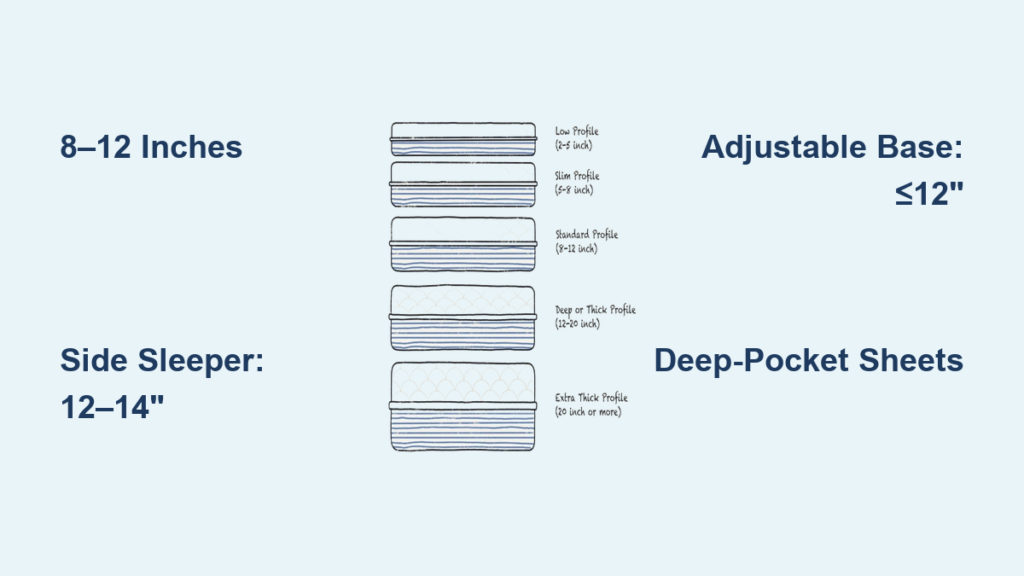
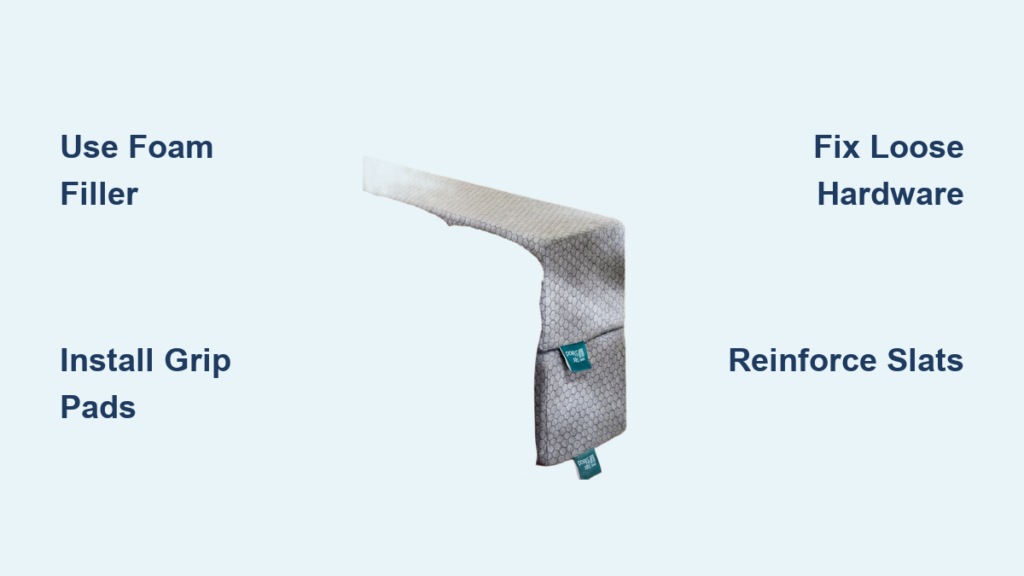
You lie down after a long day, ready to unwind, only to feel your leg slide into the cold void between your mattress and bed frame. Or worse, your child gets their arm stuck in that stubborn gap. This isn’t just annoying, it is a safety hazard, a hygiene issue, and a sign your bed setup needs attention. Gaps between mattresses and bed frames are surprisingly common, especially with modern thick mattresses or aging frames.
The good news? Most gaps can be fixed quickly and affordably, whether you use a simple foam filler or invest in a structural upgrade. The key is identifying the actual cause before you buy products that won’t help. This guide walks you through every proven solution, from cheap DIY hacks to permanent frame repairs, so you can finally sleep without losing pillows, remotes, or peace of mind to the void beneath your mattress.
Identify What Is Causing Your Mattress Gap
Before buying fillers or grip pads, you need to diagnose why the gap exists. Applying the wrong fix wastes money and time.
Check for Size Mismatch Between Mattress and Frame
Even a one-inch difference between your mattress and frame creates a noticeable gap. This commonly happens when you pair an older frame with a newer thicker mattress, use an undersized off-brand mattress, or have frame rails that extend beyond the mattress edge.
Quick Test: Measure your mattress width and the inner dimensions of your bed frame. If they differ by more than half an inch, size mismatch is likely the culprit.
Test for Mattress Movement During Sleep
If the gap appears only after a few nights of use, movement is probably to blame. Smooth metal or laminated wood rails offer little grip, letting the mattress shift during tossing, turning, or sitting up.
Signs of Movement:
The gap appears only on one side. The mattress feels loose when pushed from the edges. You wake up with bedding bunched at the foot or side of the bed.
Inspect Headboard and Frame Alignment
A wobbly or detached headboard pulls the mattress forward, creating a vertical gap at the top. This is common in platform beds or adjustable bases where the headboard is not anchored securely to the frame.
Checklist:
Check if bolts are loose. Test whether the headboard tilts or moves when touched. On adjustable beds, see if the gap appears only when the head section is raised.
Examine Bed Slats and Support Structure
Weak, cracked, or widely spaced slats lead to sagging and misalignment. If slats are more than three inches apart, the mattress edges lack proper support, causing it to sink and pull away from the frame.
What to Look For:
Broken or warped slats. Gaps between slats wider than a dollar bill. Squeaking sounds when you press on the mattress.
Assess Frame Stability
Over time, metal frames bend, wooden joints split, and screws loosen. A creaking, wobbly frame will not hold a mattress securely, no matter what you add on top.
Warning Signs:
Frame legs sink into the floor. The bed tilts to one side. Visible bends appear in side rails.
Quick Fixes for Side Gaps Between Mattress and Frame
Side gaps are the most common type and the easiest to resolve. These solutions stop items from falling through and keep your mattress snug against the frame.
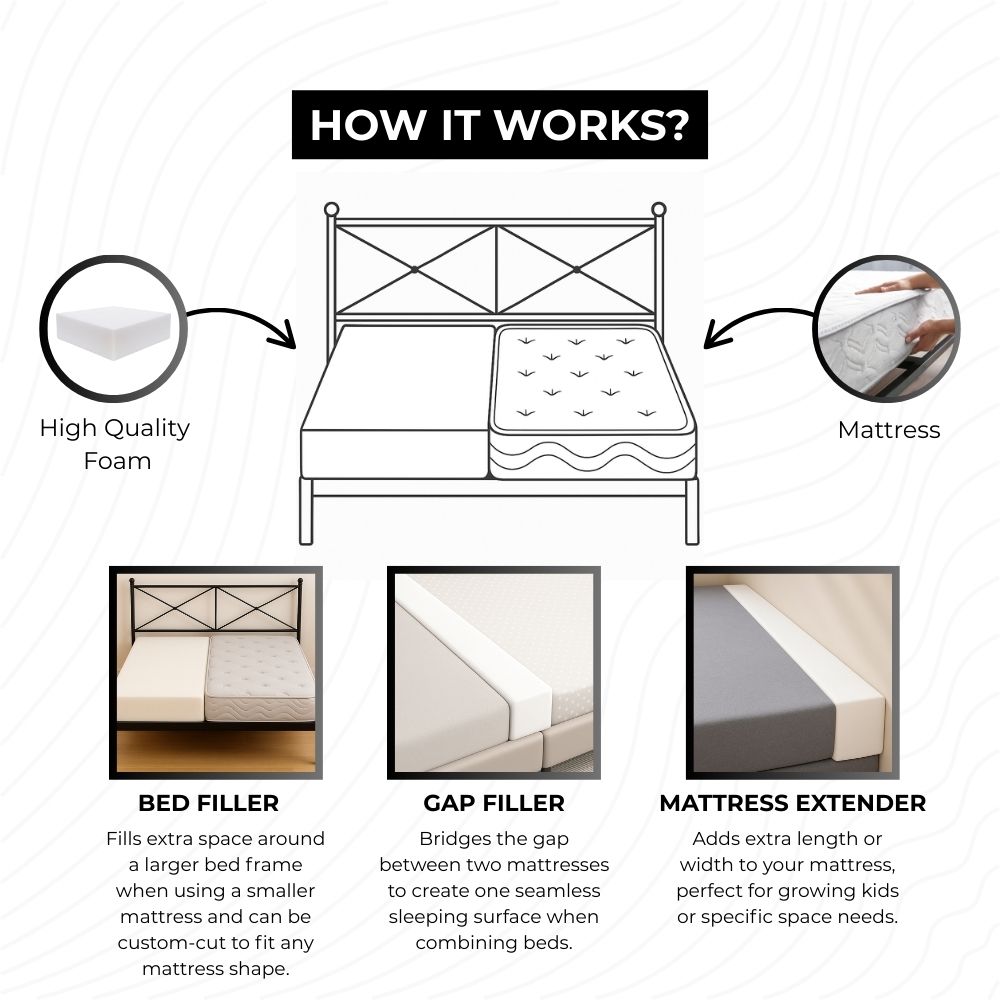
Use a Commercial Mattress Gap Filler
Purpose-built foam strips fit vertically between the mattress edge and frame. They compress slightly when the mattress is lowered, creating a tight seal.
Best For:
Gaps one to three inches wide. Platform or metal frames with minor alignment issues.
Top Pick: LGFV Mattress Gap Filler includes a non-slip base and comes in twin to king sizes.
Installation:
Measure the gap height to match your mattress thickness. Cut the filler to length if needed. Insert the filler along the side rail. Tuck sheets over for a clean appearance.
Pro Tip: Choose a model with a removable, washable cover for long-term hygiene.
Try a DIY Foam or Pool Noodle Fix
No time to order online? Use what you already have at home.
Options:
Pool noodle. Slice it lengthwise and tuck the flat side into the gap. Foam pipe insulation. Cut to size for narrow gaps. Memory foam offcut. Use the edge trimmed from a new mattress topper.
Why It Works: These materials are cheap, customizable, and effective for temporary fixes or testing purposes.
Warning: Avoid soft materials that compress too quickly, like rolled towels. They flatten within days and require constant replacement.
Install a Wooden Strip for a Permanent Fix
For a structural solution, attach a thin wood strip to the inside of your bed rail.
Steps:
Cut a two-by-one-inch board to match your rail length. Sand edges smooth to prevent mattress damage. Secure with screws or strong adhesive. Paint or stain to match the frame.
Best For: Wooden frames where aesthetics matter.
Caution: Ensure the wood does not protrude above the rail, as this could damage the mattress.
Solutions for Headboard Gaps Behind Your Mattress
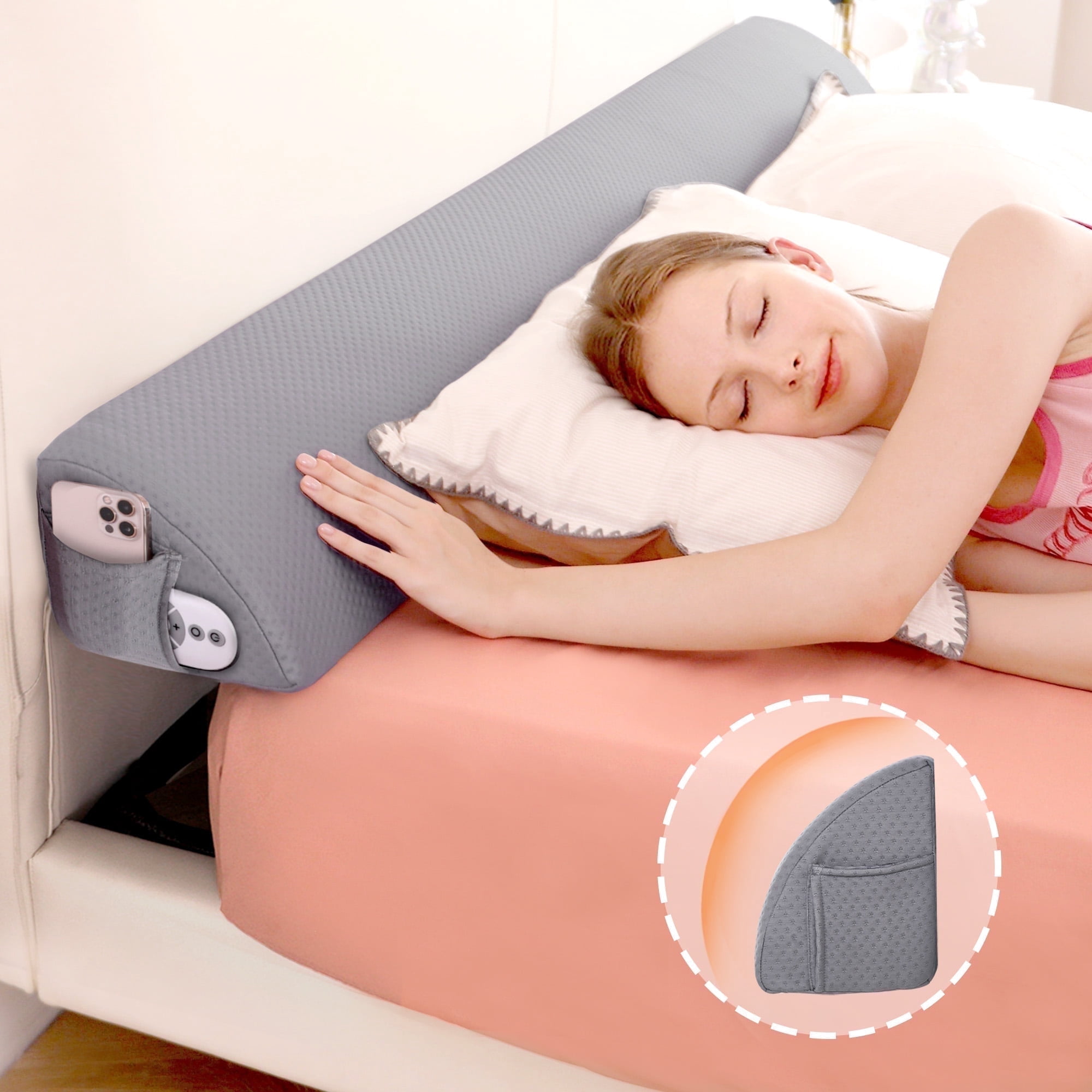
A gap between the headboard and mattress is more than annoying. It swallows pillows, remotes, and even small pets.
Insert a Foam Wedge Cushion
Triangular foam wedges fill the trapezoidal space behind the mattress top. Slide them in from the side and tuck them under the pillows.
Why It Works:
The wedge is soft enough to lean against when sitting up. It prevents items from slipping down behind the bed. No tools or modifications are needed.
Top Pick: SnugStop Bed Wedge features high-density foam and a tapered design with a 4.6-star rating.
Installation:
Slide the wedge between the mattress and headboard. Adjust until flush and hidden by pillows. Use multiple wedges for king-size beds.
Bonus: The wedge doubles as lumbar support or a reading pillow.
Use a Bed Bridge for Adjustable Bases
On electric adjustable beds, the gap grows when the head raises. A flexible bed bridge spans the space and moves with the mattress.
Features:
Made of segmented foam or soft panels. Anchored with straps or clips. Stretches and compresses with motion.
Best For: Seniors, couples, or anyone who uses the bed in an upright position.
Top Pick: Bed Hugger Mattress Gap Stopper claims to prevent 98% of nighttime falls behind the bed.
Stop Mattress Sliding With Grip Solutions
If your mattress shifts every night, friction is the issue, not size mismatch.
Apply Non-Slip Rug Pads
Rubberized mesh pads create grip between the mattress base and frame.
How to Use:
Cut a Gorilla Grip pad to fit the frame surface. Place it under the four corners and center. Lower the mattress on top.
Why It Works: Increases traction without damaging surfaces.
Maintenance: Clean with a damp cloth every few months to restore grip.
Install Corner Grippers
Small adhesive-backed rubber pads stick to the frame where the mattress corners rest.
Best For: Renters or those avoiding permanent modifications.
Limitation: Less effective on large or heavy mattresses.
Use Velcro Strips for Maximum Hold
Attach hook-and-loop tape to the mattress base and frame.
Steps:
Cut Velcro strips to size. Stick one side to the underside of the mattress corners. Attach the other side to the frame. Align and press together.
Pro Tip: Use industrial-strength Velcro for memory foam or hybrid mattresses.
Reinforce Your Bed Frame Structure
If gaps persist despite fillers and grip solutions, the problem is structural, not superficial.
Upgrade or Repair Bed Slats
Weak slats cause sagging and misalignment.
Fixes:
Add slats to reduce spacing to 2.5 inches or less. Replace broken slats with laminated birch or steel. Secure floating slats with brackets or screws.
Spacing Guidelines:
Foam and latex mattresses need slats no more than 2.5 inches apart. Innerspring mattresses can handle up to 2.75 inches.
Fact: Improper slat spacing voids many mattress warranties.
Tighten or Replace Loose Hardware
Loose bolts, stripped screws, or bent pins weaken the entire frame.
Action Steps:
Tighten all bolts with a wrench or Allen key. Replace damaged hardware with sturdier versions. Add L-brackets to reinforce headboard joints.
Signs of Failure: Creaking, tilting, or visible gaps at connections.
Install a Mattress Retainer Bar
A metal bar hooks under the front edge of the mattress and locks to the frame.
Best For:
Adjustable bases. Rental properties. Beds where movement is chronic.
Installation:
Position the bar across the head edge. Attach to frame with brackets. Lower the mattress over it.
Drawback: May block under-bed storage access.
Fix Corner Gaps in RVs and Custom Beds
Unique bed shapes like L-sections in RVs create triangular voids that standard fillers cannot address.
Use an L-Shaped Foam Filler
Pre-cut or custom foam arms form a right angle to fill corner gaps.
Ideal For: Grand Design Momentum 320G, travel trailers, and bunk beds.
DIY Option:
Cut two foam strips at 90 degrees. Bond with spray adhesive. Cover with marine-grade fabric for durability.
Trim an Inflatable Camping Pad
Cut a self-inflating pad to fit the corner.
Advantage: Lightweight and adjustable firmness.
Best Solutions for Different Bed Types
For Adjustable Beds
Best Fix: Bed bridge or flexible foam wedge. Avoid rigid wood or metal inserts that interfere with motors.
For Platform Beds
Best Fix: Gap filler combined with non-slip pad. Upgrade by adding a center support leg if sagging occurs.
For Metal Frames
Best Fix: Rubber grip pads combined with a retainer bar. Prevent noise and wear by using felt protectors on legs.
Keep Your Bed Gap-Free Long-Term
Fixing the gap is step one. Keeping it closed requires ongoing maintenance.
Rotate Your Mattress Every Three to Six Months
Promotes even wear and prevents edge breakdown.
Perform Monthly Hardware Checks
Tighten bolts, inspect slats, and test stability.
Use a Frame-Compatible Mattress
Verify foundation requirements, especially for memory foam mattresses.
Level the Bed Frame
Use shims or adjustable legs if your floor is uneven.
Safety Tips for Gap-Free Sleeping
Fire Safety
Choose foam fillers that meet California TB 117 standards. Avoid oil-based adhesives near foam.
Hygiene
Wash fabric covers monthly. Replace foam that smells, molds, or compresses permanently.
Child and Pet Safety
Avoid loose strings or small parts. Use firm fillers to prevent limb entrapment.
Frequently Asked Questions About Mattress Gaps
Why does my mattress leave a gap between it and the frame?
The most common causes are size mismatch between mattress and frame, smooth frame surfaces that allow sliding, loose or worn hardware, and weak bed slats. Identifying the root cause helps you choose the right fix.
What is the quickest way to fill a mattress gap?
A foam gap filler or pool noodle provides immediate results. Insert the filler vertically between the mattress edge and frame, then tuck bedding over it. This works for gaps one to three inches wide.
Do non-slip pads really stop mattress movement?
Yes, rubberized non-slip pads increase friction between the mattress and frame. They reduce sliding by up to 80% according to user reports and work best when combined with other solutions like gap fillers.
Can I use a pool noodle to fix my mattress gap?
Yes, pool noodles are a popular low-cost DIY fix. Slice them lengthwise and tuck the flat side into the gap. They work well for temporary fixes but may need replacing over time as they compress.
How often should I check my bed frame for loose parts?
Inspect your frame monthly. Check bolt tightness, slat condition, and overall stability. Tighten hardware and replace worn components before gaps develop or worsen.
When should I replace my bed frame instead of fixing the gap?
Replace your frame if you notice multiple failing components, visible bends or cracks, chronic instability despite repairs, or if your frame is more than five years old with recurring gap issues.
Final Thoughts on Closing Mattress Gaps
A gap between your mattress and bed frame is not just a nuisance. It signals poor support, creates safety risks, and accelerates mattress wear. Start with simple fixes like foam gap fillers or grip pads to address immediate problems. If gaps persist, inspect your slats, hardware, and frame integrity for structural issues.
Combine quick solutions with foundational improvements like slat reinforcement and frame tightening to achieve a stable, comfortable sleeping surface. For chronic or severe cases, upgrading to a high-quality frame with proper center support remains the most reliable long-term investment. The result is a bed that is safe, stable, and finally gap-free.