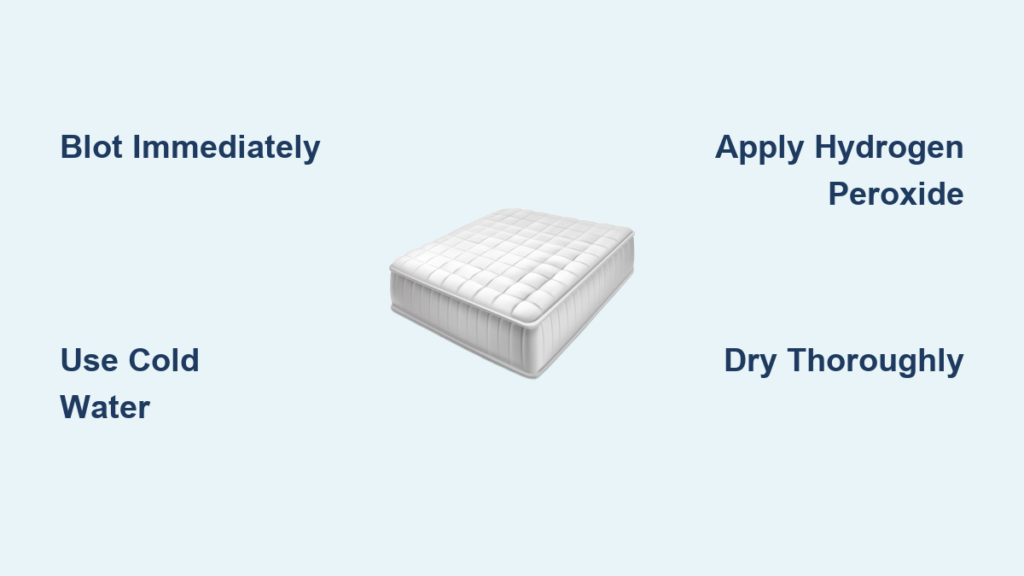
Stains happen to every mattress eventually, whether from sweat, spills, pet accidents, or late-night drinks. Knowing how to get a stain out of a mattress the right way can save your sleep surface, prevent odors, and extend its lifespan. The secret isn’t scrubbing harder; it’s using the correct method for each stain type, avoiding moisture damage, and acting fast. This guide covers step-by-step solutions for urine, blood, sweat, vomit, coffee, wine, and oily stains without damaging your mattress.
Act Fast: Immediate Stain Response
The first few minutes after a spill are critical. Quick action can mean the difference between a surface stain and permanent damage.
Blot, Never Rub
Use a clean, absorbent cloth or paper towel. Press down firmly to soak up liquid. Never wipe or scrub, as this pushes the stain deeper into the fabric fibers. Replace cloths as they become saturated to avoid re-depositing moisture.
Identify the Stain Type Quickly
Clear liquid stains like water and sweat carry lower risk but can encourage mold if dampness remains. Organic stains from urine, blood, or vomit require enzymatic or disinfecting treatment. Colored liquids like coffee and wine contain tannins and pigments that bind fast. Oily residues from lotion or grease need degreasing agents like dish soap.
Keep a stain-removal kit in your bedroom containing baking soda, vinegar, hydrogen peroxide, dish soap, clean cloths, and gloves for fast response.
Remove Urine Stains: Fresh and Set-In Solutions

Urine leaves behind uric acid crystals and ammonia, causing yellowing and persistent odors. Treatment depends on whether the stain is fresh or has set in.
Fresh Urine: Vinegar and Baking Soda Method
Blot excess moisture thoroughly. Spray a 50/50 mix of distilled white vinegar and cold water onto the stain. Wait 15 minutes, as vinegar neutralizes ammonia and dissolves crystals. Blot again to remove the solution. Cover the area with baking soda and let it sit for 8 to 10 hours to absorb moisture and odor. Vacuum completely.
For pet urine, use an enzyme cleaner like Nature’s Miracle instead, as enzymes break down pheromones and organic compounds that regular cleaners miss.
Set-In Urine: Hydrogen Peroxide Treatment
For yellowed, odorous stains that have penetrated the fabric, mix 8 ounces of 3% hydrogen peroxide, 3 tablespoons of baking soda, and 2 drops of dish soap. Apply with a cloth and expect fizzing, which indicates active oxidation. Let sit for 30 minutes. Air dry for 12 to 24 hours without using heat. Vacuum residual powder.
This mixture may bleach colored fabrics, so test on a hidden corner first.
Blood Stain Removal: Cold Water and Peroxide
Blood contains proteins that bind permanently when heated. Always use cold treatments only.
Fresh Blood: Cold Soapy Water
Dab the stain with a cloth soaked in cold water and mild dish soap. Blot repeatedly until the stain lifts. Rinse with a cold water-damp cloth. Dry thoroughly with a fan.
Dried Blood: Hydrogen Peroxide Method
Apply 3% hydrogen peroxide directly to the stain. Wait 5 to 10 minutes, as peroxide breaks down hemoglobin. Blot with a clean cloth. Repeat if needed. Dry completely.
For sensitive fabrics, use an enzyme cleaner, as proteases digest blood proteins safely without harsh chemicals.
Sweat and Yellow Stains: Oxidation Solutions
Yellow stains come from sweat, body oils, and salt buildup. They’re common in older mattresses without protectors.
Hydrogen Peroxide Spray Treatment
Mix 2 parts warm water, 1 part hydrogen peroxide, and 1 part baking soda. Pour into an opaque spray bottle, as light degrades peroxide. Spray lightly on stained areas without soaking. Gently rub with a microfiber cloth. Wait 30 to 60 minutes. Blot dry. Repeat if discoloration remains.
Vinegar and Baking Soda Fizz
Sprinkle baking soda over the stain. Spray apple cider vinegar to activate fizzing. Let sit for 1 to 2 hours. Vacuum thoroughly.
Use a cooling mattress protector or TENCEL bedding to wick moisture and reduce future staining.
Vomit Stains: Sanitize and Deodorize
:max_bytes(150000):strip_icc()/how-to-remove-vomit-stains-2147130_final-f1f395911a354fc6b6e43f2574056dfc.png)
Vomit is acidic and carries bacteria. Safety and disinfection are top priorities.
Step-by-Step Cleanup
Wear gloves and a mask to protect against pathogens. Scrape off solids with a spoon or spatula. Blot remaining liquid with paper towels. Sprinkle a thick layer of baking soda. Spray white vinegar over it; fizzing lifts residue and neutralizes odor. Let sit overnight. Vacuum completely. Apply enzyme cleaner if odor persists.
Enzyme cleaners break down proteins and fats in vomit, ensuring complete sanitation.
Coffee and Wine Spills: Quick Action Required
These stains contain tannins and sugars that bond quickly to fabric. Speed is essential.
Fresh Coffee: Vinegar-Detergent Mix
Blot liquid immediately. Mix ¾ cup warm water, ¼ cup white vinegar, and 1 tablespoon dish soap. Dab onto the stain without pouring. Blot until clean. Dry with a fan.
Fresh Wine: Salt Absorption
Blot excess wine. Sprinkle salt to absorb the liquid and wait 5 to 10 minutes. Vacuum the salt. Treat remaining stain with vinegar-soap solution.
Dried Wine: Oxygen Cleaner
Use OxiClean or a similar oxygen-based powder. Mix with cold water per package instructions. Apply to the stain. Wait 30 minutes. Blot and dry.
Oily Stains: Absorb and Degrease
Lotions, oils, and food grease leave hydrophobic residues that repel water.
Quick Absorption Method
Scrape off any excess. Sprinkle baking soda or cornstarch over the area. Wait 30 minutes or longer, as the powder pulls oil to the surface. Vacuum thoroughly.
Degrease with Dish Soap
Mix 1 teaspoon dish soap with 1 cup warm water. Dab onto the stain with a cloth. Blot repeatedly. Rinse with a damp cloth. Dry completely.
Drying: Prevent Mold and Mildew
Wet mattresses breed mold, mildew, and bacteria. Drying is non-negotiable.
Safe Drying Techniques
Use fans to circulate air around the mattress. Open windows for cross-ventilation. Place the mattress upright if possible to expose both sides. Use a dehumidifier in humid climates.
How Long to Dry
Surface stains need 12 hours. Deep or large stains require 24 to 48 hours. Press your palm on the treated area; if it feels cool or damp, wait longer.
Odor Removal: Baking Soda and Sunlight
Even after cleaning, odors may linger. Neutralize them naturally.
Baking Soda Treatment
Sprinkle a thin layer over the entire mattress. Wait 4 to 24 hours, longer for strong smells. Vacuum with an upholstery attachment.
Optional: Add 5 to 10 drops of tea tree, lavender, or eucalyptus oil to baking soda for antimicrobial boost and freshness. Do not use essential oils with vinegar or peroxide, as chemical reactions may occur.
Sunlight Exposure
Place the mattress in indirect sunlight for 2 to 4 hours. UV rays kill bacteria and neutralize odors while evaporating trapped moisture.
Clean Different Mattress Types Safely
Different materials require different care. Wrong methods can ruin your mattress.
Memory Foam
Memory foam is highly absorbent. Use minimal liquid. Never soak it, as risk of mold and slow drying exists. Spot clean only.
Innerspring
Moisture can rust coils. Avoid soaking, especially near seams. Blot and dry thoroughly.
Latex
Latex is naturally antimicrobial. Use mild cleaners only, avoiding bleach or solvents. Wipe with vinegar or enzyme solutions.
Hybrid
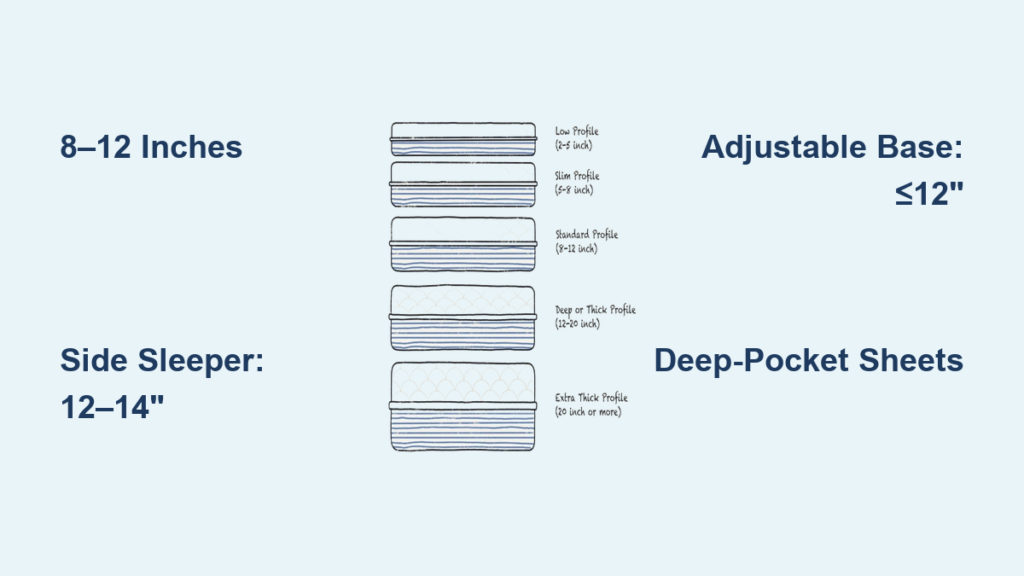
Hybrids combine foam and springs. Treat like memory foam and avoid deep moisture.
Airbeds and Inflatables
Wipe with a damp cloth and mild soap. Never soak or immerse.
Check your care label before cleaning. Some brands void warranties if liquid is misapplied.
When to Replace Instead of Clean
Even the best cleaning cannot fix everything.
Replace Your Mattress If
Stains reappear after multiple cleanings. Odors persist despite baking soda and enzyme treatments. Mold or mildew is visible inside seams. Foam is sagging or discolored deep inside. The mattress is over 8 years old for one-sided or 12 years for two-sided models. Protective layers are worn, causing recurring stains.
The average mattress lasts 7 to 10 years. Frequent stains can shorten this by 2 to 3 years.
Prevent Stains Before They Happen
The best cleaning is the one you never have to do.
Essential Prevention Strategies
Use a waterproof mattress protector that blocks liquids, sweat, and allergens. Choose breathable, waterproof types and replace every 2 to 3 years. Wash bedding weekly in hot water at 130°F or higher to kill dust mites. Avoid eating or drinking in bed to eliminate spill risk. Control humidity with a dehumidifier if relative humidity exceeds 50%. Rotate the mattress every 3 to 6 months and vacuum the surface regularly.
Professional Cleaning: When to Call Experts
DIY works for most stains, but pros handle tough jobs.
Hire a Professional If
Stains are old, deep, or widespread. You have allergies or asthma. The mattress is too heavy or awkward to clean yourself. You suspect bed bugs or mold.
Look for professionals using low-moisture extraction systems or enzyme-based treatments.
Frequently Asked Questions About Mattress Stain Removal
What is the best stain remover for a mattress?
The best remover depends on the stain type. A general solution of ¾ cup warm water, ¼ cup vinegar, and 1 tablespoon dish soap works for many stains. Enzyme-based cleaners work best for biological stains like urine, blood, and vomit. Hydrogen peroxide handles set-in stains and yellowing.
Does baking soda remove mattress stains?
Baking soda is primarily a deodorizer, but when mixed with liquid cleaners like vinegar or peroxide, it helps lift surface stains, especially sweat and organic matter. It absorbs moisture and odors effectively.
How do you get dried blood out of a mattress?
Apply 3% hydrogen peroxide directly to the dried stain. Wait 5 to 10 minutes for the peroxide to break down hemoglobin. Blot with a clean cloth. Repeat if needed. Always use cold water, never hot.
Can you use a steam cleaner on a mattress?
Yes, but with caution. Avoid direct contact on memory foam or natural fiber mattresses. Hold the unit above the surface without pressing down. Allow extended drying time of 24 hours or longer.
How often should you clean a mattress?
Clean your mattress at least every 6 months. Every 2 to 3 months if you have allergies, pets, or children. Spot treat stains immediately when they occur.
What causes yellow stains on a mattress?
Yellow stains most commonly come from sweat, but urine, vomit, oily lotions, or coffee also cause discoloration. Chronic exposure without a protector leads to permanent yellowing.
Key Takeaways for Removing Mattress Stains
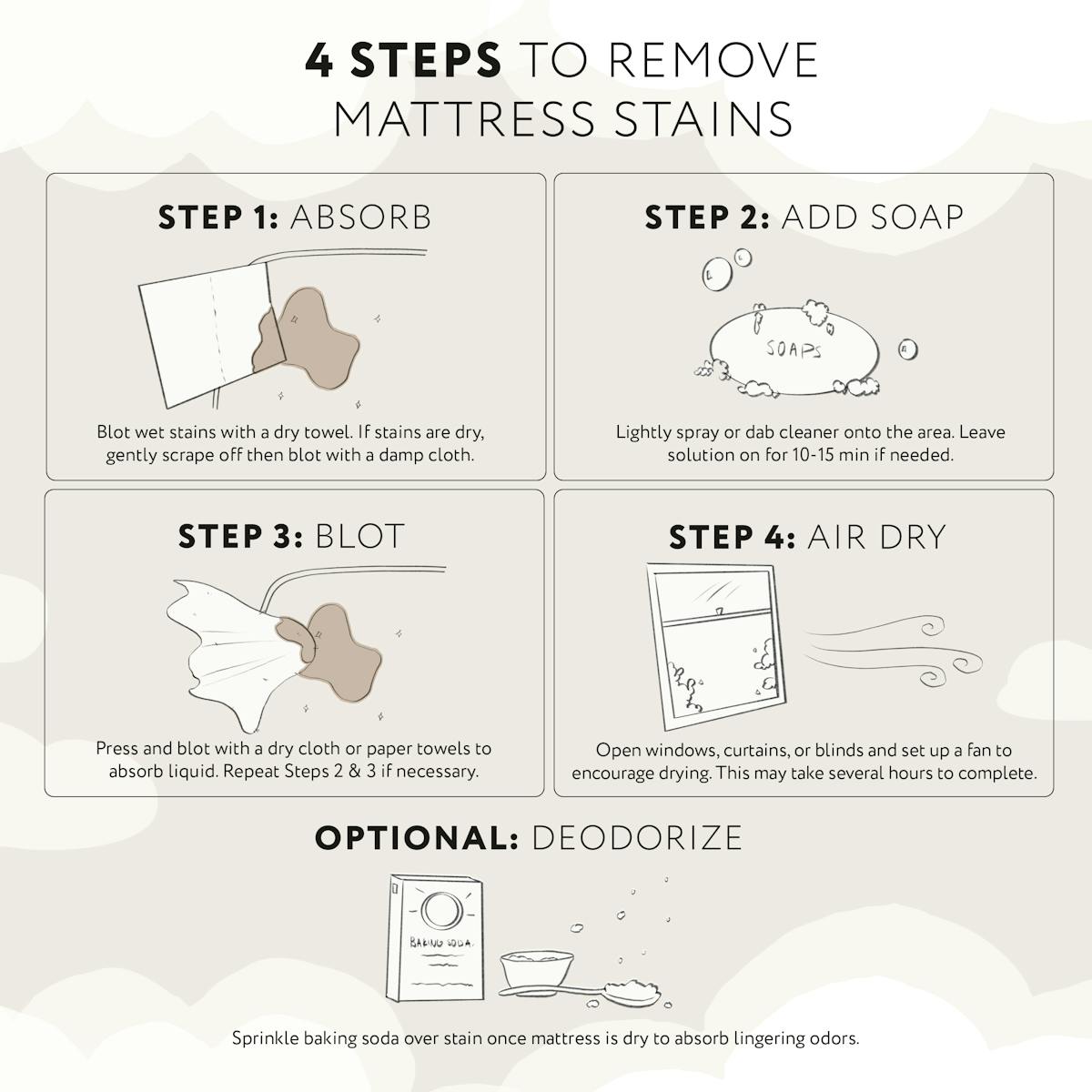
Acting fast is the most important factor in successful stain removal. Blot immediately and identify the stain type to choose the right treatment. Use cold water for blood and urine, as heat sets these proteins permanently. Hydrogen peroxide works well for set-in stains but may bleach colored fabrics. Always dry thoroughly to prevent mold, and allow 12 to 24 hours minimum. For ongoing protection, use a waterproof mattress protector and wash bedding weekly. Combine immediate action with prevention, and your mattress will stay cleaner, fresher, and last longer. Your sleep quality depends on a clean, well-maintained mattress.