You’ve purchased a plush new mattress topper for extra comfort and a protective pad to keep everything clean. But now you’re staring at your bed, wondering which piece goes on first. Getting the order wrong can lead to discomfort, slipping layers, or even voided warranties. The good news is that there’s a clear, expert-backed way to layer your mattress pad and topper for maximum comfort, protection, and longevity.
The key rule is simple: a mattress topper always goes under a mattress pad or protector. This ensures your topper stays clean and functional while the pad shields it from sweat, spills, allergens, and daily wear. In this guide, you’ll learn exactly how to stack each component, why the order matters, what happens if you get it wrong, and how to choose the right sheets to fit over everything.
Place Topper Before Protector
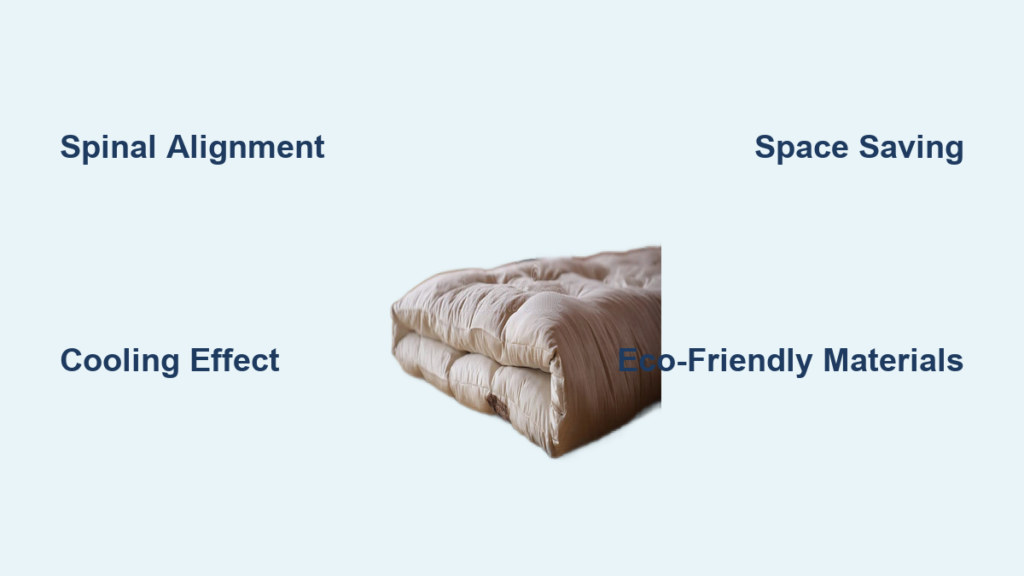
The foundation of proper bedding layering starts with understanding where each piece belongs. Your mattress topper, typically 2 to 4 inches thick, should go directly on the mattress or over a bed bug encasement if used. It’s designed to enhance comfort, adjust firmness, and relieve pressure points. Once in place, it must be protected.
That’s where the mattress pad or protector comes in. This thinner layer, usually under 1 inch, sits on top of the topper. Its job isn’t to add significant cushioning but to create a barrier against stains, moisture, dust mites, and general wear. Think of it like putting a screen protector over your phone: the device does the work, but the shield keeps it safe.
Why Topper Under Pad Matters
Putting the topper underneath ensures protection from body fluids like sweat, oils, and dead skin that won’t penetrate into the topper. It also makes cleaning easier since most toppers cannot be washed, but a removable, machine-washable protector handles the mess. Many topper manufacturers require use of a protector for warranty compliance, and unprotected toppers degrade faster due to moisture and friction.
• Protection from body fluids
• Easier cleaning
• Warranty compliance
• Longer lifespan
Common mistake: placing the pad under the topper defeats the purpose because your topper is left exposed and harder to clean.
Use a Bed Bug Encasement First
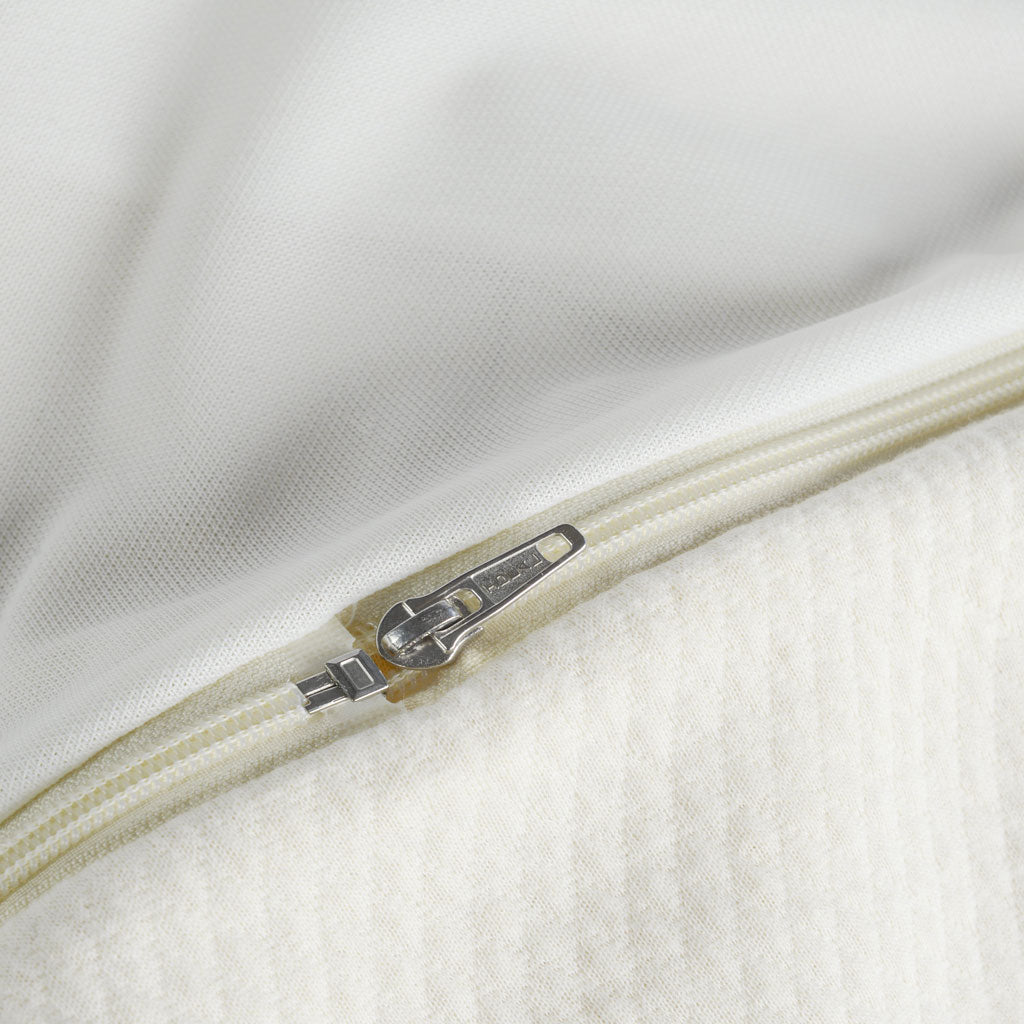
Before adding any comfort layers, consider your base defense: the anti-bed bug mattress encasement. This zippered cover fully encapsulates your mattress and should be the very first layer after the bare mattress.
Install Encasement Directly on Mattress
Made of tightly woven, puncture-resistant fabric, it prevents bed bugs from entering or escaping. In high-risk environments like dorms, rentals, or hotels, it’s a non-negotiable step. The encasement is often white so dark fecal spots or insects are easy to spot. Look for full-perimeter zippers with locking mechanisms or Velcro seals.
• Color: white for easy detection
• Zipper type: full perimeter with lock
• Material: breathable yet pest-proof
Once installed, the encasement stays in place long-term. All other layers, topper, pad, and sheet, are added on top. Use this before the topper because it protects the mattress itself, which the topper would otherwise cover and make inaccessible.
Choose the Right Mattress Topper

Your topper dramatically changes how your bed feels. Choosing the right one depends on material, thickness, and your sleep position.
Pick Material Based on Needs
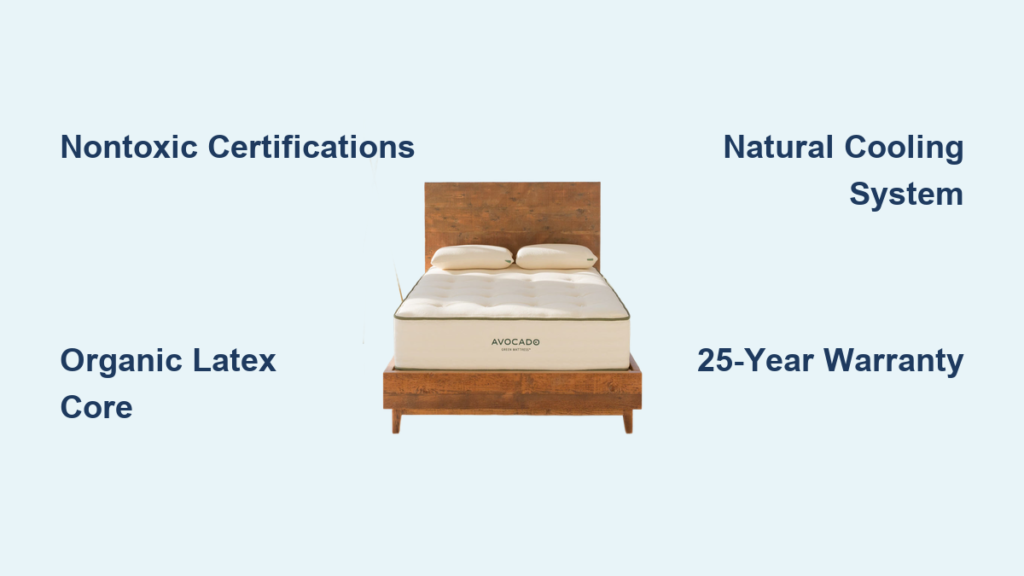
Memory foam conforms to body shape and offers excellent pressure relief, though it can retain heat unless gel-infused. Latex is responsive and durable, offering a cool, bouncy feel with hypoallergenic properties, but it’s heavier and more expensive. Down and feather provide a soft luxury feel and are lightweight and warm, but may shift or clump over time. Wool offers natural temperature regulation and is breathable plus moisture-wicking, though it requires special care. Cotton and bamboo are eco-friendly options that are breathable and soft but offer minimal support adjustment.
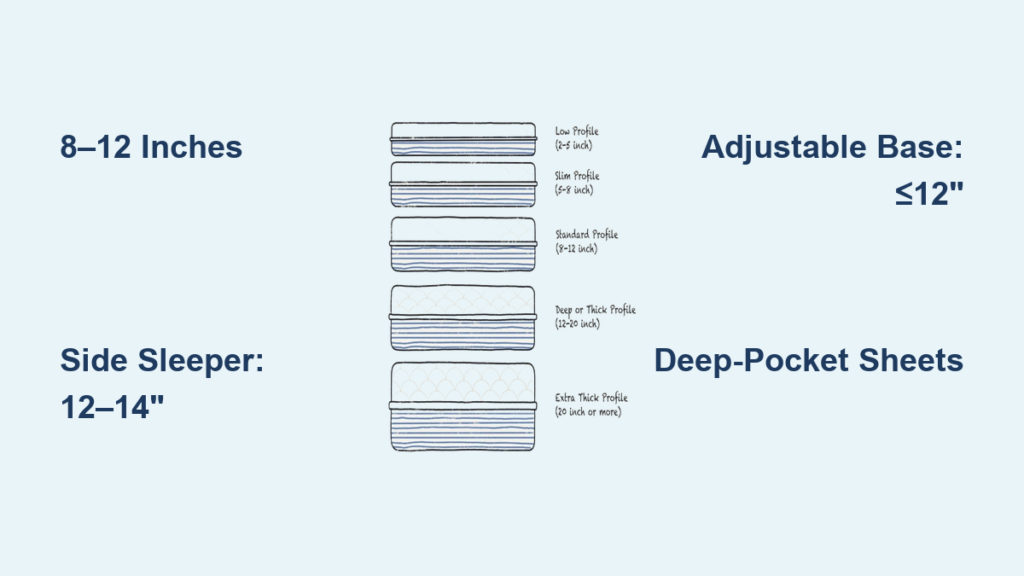
Match Thickness to Your Mattress
Two inches provides a minor softness boost and works ideal for slightly firm mattresses. Three inches delivers balanced comfort and support as the best all-around choice. Four inches creates a major feel transformation, great for very hard mattresses.
Select Firmness by Sleep Position
Side sleepers benefit from softer toppers, 3 to 4 inches, to cushion hips and shoulders. Back and stomach sleepers need medium-firm toppers, 2 to 3 inches, to maintain spinal alignment.
Lay the topper flat immediately after unboxing and let it expand for 24 to 72 hours if compressed. Smooth out wrinkles to prevent bunching.
Select and Position the Mattress Pad
Now that your topper is in place, it’s time to protect it with a mattress pad or protector.
Know the Difference: Pad vs Protector
While often used interchangeably, they serve slightly different purposes. A mattress pad is thin padding under 1 inch that adds slight cushioning and helps sheets grip better. A mattress protector focuses on defense, blocking liquids, allergens, and microbes. Many modern products combine both functions with a soft top layer and waterproof backing.
Types of Protectors
Waterproof protectors have a moisture-proof barrier made of polyurethane, TPU, or silicone, essential for kids, pets, or health concerns. Non-waterproof quilted options are absorbent and breathable, common in hotels for sweat management. Zippered encasements cover all six sides and work best for full allergen or bed bug protection.
• Waterproof: moisture barrier
• Non-waterproof: absorbent, breathable
• Zippered encasement: full coverage
Always place the protector on top of the topper. Stretch the skirt over all corners and ensure deep pockets accommodate total height. Check size labels to avoid mix-ups.
Some hotels use dual protectors with a waterproof base for spill protection and a quilted absorbent top for sweat, replaced frequently to extend topper life and reduce laundry costs.
Prevent Slippage and Bunching
One of the most common complaints is layers shifting during the night.
Stop Topper Movement
Use a non-slip pad or protector with a gripper bottom featuring silicone dots or mesh. Opt for fitted protectors with deep pockets and full elastic. Avoid smooth surfaces like silk sheets that don’t grip well.
Anchor the Fitted Sheet
Even with stable layers, sheets can pop off if not properly secured. Choose deep-pocket sheets, 15 inches or more, to fit over thick toppers. Use stretchy blends like cotton-spandex for a snug fit. Add sheet suspenders or clips if slippage persists.
Stacking too many thick layers increases instability and creates a tripping risk when getting in and out of bed.
Can You Stack Multiple Toppers
Technically yes, but it’s not recommended for most users.
Risks of Layering Two Toppers
Excessive height may exceed sheet pocket depth, making it impossible to tuck in sheets. Poor support from too much softness compromises spinal alignment. Heat retention becomes especially problematic with foam-on-foam stacking. Material conflict between memory foam and latex may feel unpredictable or unresponsive. Moisture trapping in air gaps between layers can harbor sweat and odors.
When Stacking Might Work
One thin topper, 1 to 2 inches, over a thicker base can work for fine-tuning feel. Using complementary materials, like a wool cooling layer over memory foam, may be acceptable as a temporary fix while waiting for a better-matched single topper.
Rather than stacking, choose a single high-quality topper in the ideal thickness and material. A 3 to 4 inch latex or gel-infused foam offers superior comfort and stability. Test any stacked setup for one week. If you experience back pain, overheating, or instability, remove one layer.
Where Does Egg Crate Foam Go
Egg crate foam is a special case, a low-profile convoluted foam often used for pressure relief.
Placement: Over Protector, Under Sheet
Unlike standard toppers, egg crate foam typically goes on top of the mattress pad or protector but still under the fitted sheet. Its purpose is improving airflow and reducing pressure, especially for medical use. The thickness is usually 1 to 2 inches, so it adds minimal height. It’s not a substitute for full-depth toppers, providing cushioning rather than structural support.
It’s common in hospitals and nursing homes for pressure sore prevention. Even in these settings, the pad or protector remains below the egg crate layer to maintain hygiene.
Choose Deep-Pocket Fitted Sheets
The final layer, your fitted sheet, must securely cover the entire stack.
Calculate Total Bed Height
Add up the mattress thickness, for example 12 inches, plus the topper, for example 3 inches, plus the protector, for example 0.5 inches. The total comes to approximately 15.5 inches. Now select sheets accordingly.
Standard pockets, 7 to 14 inches, are too short. Deep pockets, 15 to 18 inches, are ideal. Extra-deep pockets, 18 to 22 inches, work for high-profile beds.
Features That Help Fit
Stretch fabric like cotton-blend with spandex grips better. All-around elastic prevents corners from popping off. Reinforced seams provide durability for frequent washing, which is the hotel standard.
Measure your bed height with a tape measure and add 2 to 3 inches to ensure enough fabric for tucking.
Maintain and Clean Properly
Longevity depends on how you care for each layer.
Care for Mattress Topper
Never machine-wash most toppers, including foam, latex, and down. Spot clean only using mild soap and a damp cloth. Air out the topper after unboxing or deep cleaning. Rotate every 3 to 6 months to prevent indentations. Always use a protector because it’s the best defense.
Stains, burns, or improper cleaning invalidate most warranties.
Wash Mattress Pad Regularly
Most modern protectors are machine-washable. Wash every 1 to 2 months, or more often with heavy use. Tumble dry on low because high heat damages waterproof membranes. Replace every 2 to 3 years or when leaks appear.
Dual-protector systems reduce linen replacement costs by up to 40 percent in hospitality settings.
Follow Hotel-Grade Layering Standards
Luxury hotels don’t just stack bedding, they engineer it for comfort, hygiene, and visual appeal.
Professional Bed-Making Sequence
Start with the mattress, then add the bed bug encasement in white and zippered. Next comes the mattress topper, typically latex or down-alternative. Then add the dual protector system with a waterproof base and quilted absorbent top. Follow with the fitted sheet in stretch cotton with deep pockets. Add the flat sheet, then the coverlet or duvet, and finish with a fold-back presentation for a luxury look.
Triple-Sheet Method
Some upscale hotels use the triple-sheet method with a bottom fitted sheet, middle flat sheet with quilt or coverlet, and top duvet. The final touch is folding the top sheet over the duvet at the foot. This creates a plush, layered aesthetic while allowing guests to customize warmth.
Insert quilted pillow protectors under pillowcases to absorb moisture and extend pillow life.
Final Tips for Success
Here are the essential guidelines for proper mattress pad and topper layering.
Topper always goes under the pad, never reverse the order. Use a waterproof protector as it’s non-negotiable for hygiene. Avoid stacking toppers and instead choose one high-quality layer. Buy deep-pocket sheets that match your total bed height. Rotate and air out the topper to prevent sagging and odors. Wash the protector monthly to keep everything fresh. Invest in breathable materials, especially if you sleep hot.
By following this expert-backed layering system, you’ll enjoy a cleaner, more comfortable, and longer-lasting sleep surface, whether at home or in a guest room. Your mattress and your back will thank you.
Frequently Asked Questions About Layering Mattress Pad and Topper
Does a mattress topper go on top of or under a mattress pad?
A mattress topper always goes under the mattress pad or protector. This is the correct layering order because the pad’s purpose is to protect the topper from sweat, spills, allergens, and daily wear. Putting the pad under the topper defeats its protective function.
Can I use a mattress topper and pad together?
Yes, you can and should use them together for optimal performance. The topper provides comfort and support while the pad or protector shields it from contamination and extends its lifespan. This combination also helps stabilize the topper and improves sheet fit.
What happens if I put the pad under the topper?
If you place the mattress pad under the topper, your topper becomes exposed to all the sweat, oils, dead skin, and spills it should be protected from. This leads to faster degradation, potential stains that could void your warranty, and a much harder time cleaning since most toppers cannot be machine-washed.
How do I know what sheets to buy for a bed with a topper and pad?
Calculate your total bed height by adding the mattress thickness, topper thickness, and protector thickness. Choose deep-pocket sheets, typically 15 to 18 inches, to accommodate the extra layers. Measure your bed or check product specifications to ensure the sheets will fit properly.
Can I stack two mattress toppers on my bed?
While technically possible, stacking two toppers is not recommended. It creates excessive height that makes sheet fitting difficult, leads to instability during sleep, compromises spinal support, and can cause heat retention. Instead, choose a single high-quality topper in the right thickness for your needs.
Key Takeaways for Layering Mattress Pad and Topper
The most important rule is simple: always place your mattress topper underneath the mattress pad or protector. This single action ensures your comfort investment stays clean, protected, and lasting longer. The pad acts as a barrier against the daily wear that would otherwise degrade your topper, and it makes maintenance easy since most protectors are machine-washable.
Choosing the right components matters just as much as the order. Select a topper with appropriate thickness and material for your sleep position and mattress condition. A 3-inch latex or gel-infused foam works well for most sleepers. Pair it with a waterproof protector if you have children, pets, or allergies. Don’t forget deep-pocket sheets to accommodate the increased bed height.
Finally, maintain your layers properly to maximize their lifespan. Spot-clean your topper when needed, wash the protector monthly, and rotate the topper every few months to prevent uneven wear. With the correct layering sequence and basic care, your bed will remain comfortable and protected for years to come.