
Your bed feels uneven or your new mattress warranty demands a specific foundation, signaling it is time to change your setup. You need to know how to replace box spring with slats to save money and improve airflow under your mattress.
This guide walks you through selecting the right wood, removing your old foundation safely, and installing a custom slat system. You will learn exact spacing rules and how to add center support for long-lasting durability.
Select the Correct Slat Material for Your Bed
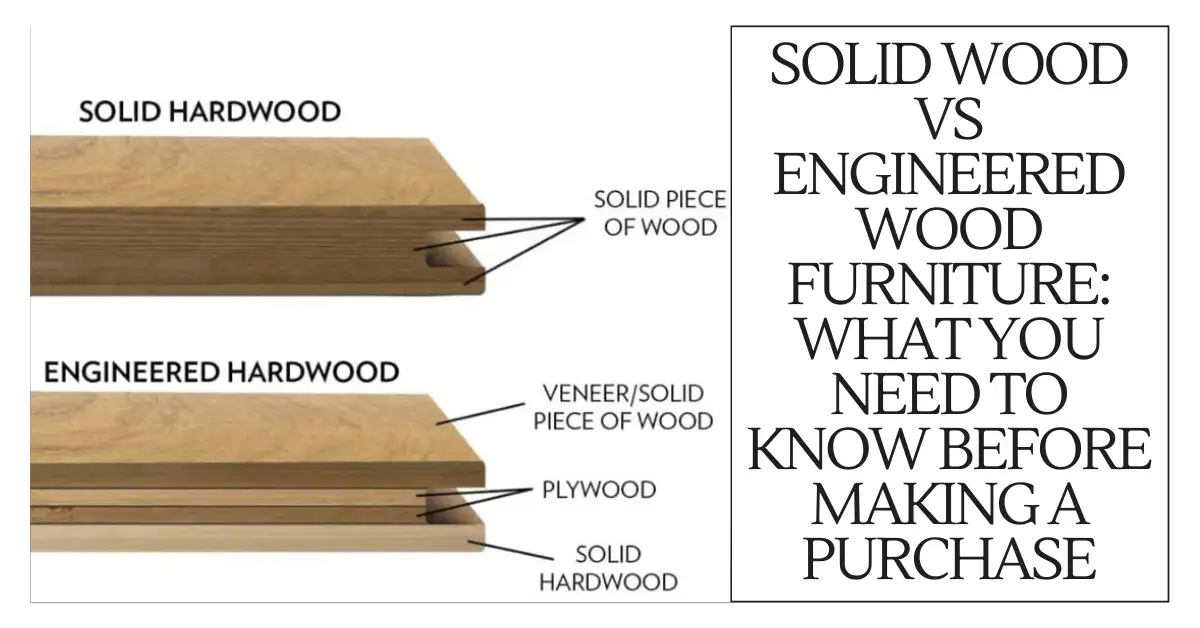
Choosing the right wood type determines how long your new foundation lasts and how well it supports your specific mattress. Solid hardwood options like pine or birch offer maximum strength for heavy sleepers. Engineered plywood slats provide a budget-friendly alternative for lighter beds.
Benefits of Solid Hardwood Slats
Solid wood slats resist warping and can support significant weight without bending. These are ideal for queen and king-sized beds where weight distribution is critical. Look for pieces that are at least three inches wide and three-quarters of an inch thick.
When to Use Engineered Wood Options
Laminated or bent plywood slats cost less and weigh significantly less than solid wood. They work well for twin or full beds with lighter occupants. Avoid these for high-density foam mattresses unless you add extra reinforcement.
Matching Slats to Mattress Warranties
Your mattress manufacturer often specifies the maximum gap allowed between slats to keep your warranty valid. Memory foam and latex models usually require spacing no wider than two to three inches. Check your warranty document before finalizing your material choice.
Remove Your Old Box Spring Safely
Clearing the area and protecting your floors is the first step before lifting heavy objects. The removal process requires care to avoid damaging your walls or injuring your back.
Disconnect and Move the Mattress First
Lift the mattress off the frame and place it on a clean floor or lean it securely against a wall. This step gives you clear access to the box spring underneath. Ask for help if the mattress feels too heavy to move alone.
Lift and Tilt the Heavy Foundation
Grip the sides of the box spring firmly and lift one end to tilt it upward. Slide the tilted end out from the bed frame while supporting the weight. These units often weigh between fifty and eighty pounds, so a second person is highly recommended.
Clean the Frame Before Installation
Wipe down the interior rails of your bed frame with a dry cloth to remove dust and debris. Inspect the metal or wood for loose bolts, rust, or cracks that need repair. A clean and solid frame ensures your new slats sit level.
Install Slats with Precision and Care
.png)
Proper installation prevents sagging and ensures your mattress receives even support across its entire surface. You can buy pre-cut kits or cut your own lumber to fit your specific frame dimensions.
Measure and Cut Slats to Fit
Measure the interior width of your bed frame and subtract half an inch for clearance. Cut your lumber to this length using a saw for a custom fit. Pre-cut kits are available online if you prefer not to cut wood yourself.
Space Slats Evenly Across the Frame
Place slats starting from the head of the bed and work toward the foot. Keep the gap between each slat no larger than three inches to prevent mattress damage. Use a level to ensure every slat sits flat and aligned.
Add Center Support for Large Beds
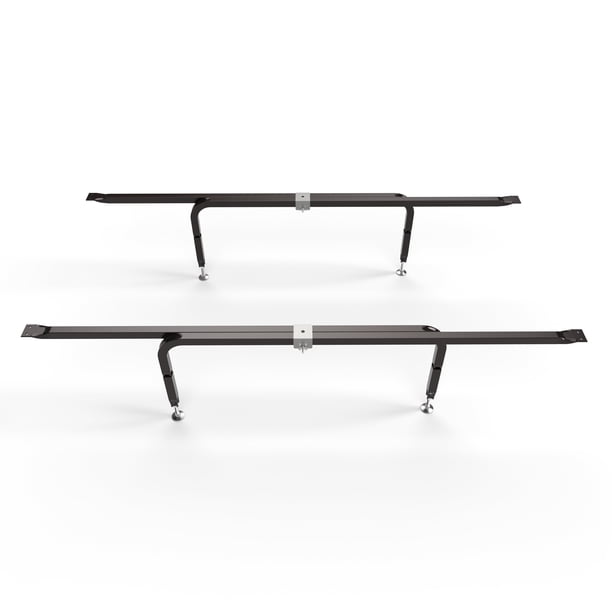
Install a center support beam running from the head to the foot for queen and king sizes. Use a sturdy two-by-four or steel bar with adjustable legs that touch the floor. This prevents the slats from bowing under heavy weight.
Avoid Common Installation Mistakes
Small errors during installation can lead to uncomfortable sleep and potential damage to your new mattress. Awareness of these pitfalls helps you build a foundation that lasts for years.
Prevent Gaps That Are Too Wide
Gaps wider than three inches create weak spots where the mattress can sink. This sagging leads to permanent indentations and may void your mattress warranty. Add extra slats or use spacers to close any large gaps immediately.
Discard Warped or Damaged Wood
Inspect every piece of wood for cracks, twists, or signs of moisture before installing. Using compromised wood weakens the entire support system and risks breakage. Replace any damaged pieces with fresh lumber.
Use Clips Instead of Screwing Slats Down
Do not screw slats directly into the frame as this restricts natural movement and causes splitting. Use metal retainer clips or brackets that hold slats securely while allowing slight flex. This method extends the life of both the wood and the frame.
Test Stability and Maintain Your Foundation
Verification after installation ensures your hard work results in a comfortable and safe sleeping surface. Regular maintenance keeps the system functioning perfectly over time.
Check for Gaps and Uneven Support
Place your mattress back on the slats and press down firmly on all areas. Listen for creaking sounds or feel for any soft spots that indicate poor support. Adjust slat positions if you detect any instability.
Adjust Spacing If Sagging Occurs
Recheck the distance between slats if you notice the mattress dipping. Tighten any loose brackets or add cross-bracing to reinforce weak areas. For extra support, place a thin sheet of plywood over the slats.
Inspect the System Every Six Months
Dust the slats and check for cracks or loose fasteners twice a year. Rotate your mattress regularly to promote even wear on both the mattress and the slats. This simple habit extends the lifespan of your entire bed setup.
Determine If You Should Keep Your Box Spring
:max_bytes(150000):strip_icc()/platform-bed-vs-box-spring-5216570-5acea4bcf8f641d8a0c4e1a44e5ad321.png)
Slats are a great upgrade for many, but some situations require keeping the original box spring. Knowing when to stop prevents warranty issues and comfort problems.
Some Mattresses Require Traditional Foundations
Traditional innerspring mattresses often need the specific support of a box spring to function correctly. Check your mattress label to see if a solid foundation is mandatory for your warranty. Ignoring this requirement could void your protection plan.
Platform Beds Already Include Slats
Your bed might already have a built-in slat system if it is a platform model. Adding another layer of slats is unnecessary and could make the bed too high. Only replace existing slats if they are broken or spaced incorrectly.
Consider Height When Removing Foundation
Removing a box spring lowers your bed height by five to nine inches significantly. This change might make getting in and out of bed difficult for some people. Consider bed risers or a taller frame if the new height is too low.
Frequently Asked Questions About Replacing Box Springs with Slats
Can I use any type of wood for bed slats?
No, you should use strong hardwoods like pine, birch, or beech for durability. Softwoods or damaged wood may break under weight and fail to support your mattress properly.
How far apart should I space my bed slats?
Space your slats no more than two to three inches apart to prevent mattress sagging. Wider gaps can damage memory foam and latex mattresses and may void your warranty.
Do I need a center support beam for my slats?
Yes, queen and king-sized beds require a center support beam to prevent bowing. This beam should run from head to foot and rest on the floor with adjustable legs.
Will replacing my box spring with slats void my mattress warranty?
It will not void your warranty if you follow the manufacturer’s spacing and support guidelines. Always check your specific warranty terms regarding foundation requirements before making changes.
How much weight can wooden slats support?
Solid hardwood slats spaced correctly can support up to 500 pounds or more depending on the wood type. Engineered wood slats support less weight and are better suited for lighter beds.
Key Takeaways for Replacing Your Box Spring with Slats
Learning how to replace box spring with slats gives you a customizable, breathable, and cost-effective foundation for your bed. By choosing solid wood, maintaining proper spacing, and adding center support, you create a durable base that protects your mattress investment.
Start by measuring your frame and checking your mattress warranty requirements today. With the right materials and careful installation, you can complete this upgrade in under an hour and enjoy better sleep support immediately.