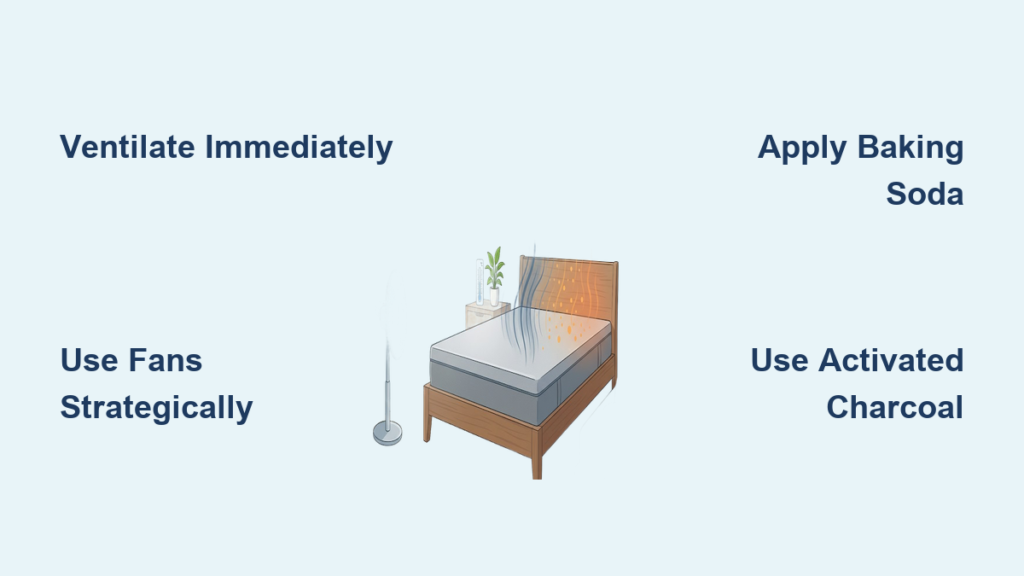
You unbox your new mattress, excited for a better night’s sleep, only to be greeted by a strong chemical smell. That “new mattress odor” is off-gassing: the release of volatile organic compounds (VOCs) from synthetic foams, adhesives, and flame retardants. While most off-gassing is temporary and within safe limits, the smell can linger for days or even weeks, especially with memory foam and hybrid models.
The good news? You don’t have to wait passively. With the right strategies, you can speed up mattress off-gassing and make your bed safe and comfortable to use in as little as 24 hours. This guide reveals science-backed methods, from ventilation and sunlight to baking soda and air purifiers, plus preventive tips for choosing low-odor mattresses.
Immediate Unboxing and Ventilation
The first step in accelerating off-gassing is removing the mattress from its packaging immediately. Compressed, vacuum-sealed mattresses trap VOCs inside the foam, creating a concentrated burst of odor upon opening. Delaying unboxing only prolongs exposure and allows gases to accumulate.
Unbox in a Well-Ventilated Room
Choose a room with windows and exterior doors to allow cross-ventilation. Avoid placing the mattress in small, enclosed spaces like closets or basements. A guest room or spare bedroom works best, keeping the smell isolated from main living areas.
• Remove all plastic wrapping completely
• Let the mattress expand fully, which takes 4-6 hours
• Keep windows open 24-72 hours post-unboxing for maximum airflow
Avoid Immediate Use
While you can sleep on the mattress after airing it out, waiting 24-48 hours significantly reduces VOC exposure. This is especially important for infants, pregnant individuals, or those with asthma. The longer you wait, the more chemicals disperse into the air rather than into your lungs.
Use Fans to Boost Airflow
Air circulation is one of the fastest ways to disperse VOCs. Still air allows gases to accumulate and linger; moving air carries them away from your sleeping environment entirely.
Position Fans Strategically
• Place one or more fans to blow directly onto the mattress surface
• Use oscillating fans to cover more area and promote even gas release
• Run fans continuously for 24-48 hours for best results
Combine with Cross-Ventilation
Pair fans with open windows on opposite sides of the room to create a cross-breeze. This setup maximizes air exchange and accelerates off-gassing more effectively than ventilation alone. Position a fan near the open window to draw fresh air in and push contaminated air out.
Expose Mattress to Sunlight

Sunlight, particularly UV radiation, helps break down trapped chemicals in foam. Studies show UV exposure increases outgassing from polymers, making it a powerful natural solution for speeding up the process.
How to Use Sunlight Safely
• Place the mattress in indirect sunlight for 2-4 hours
• Avoid prolonged exposure exceeding 4 hours, which can degrade foam, cause discoloration, or make materials brittle
• Bring the mattress indoors before evening to prevent moisture absorption
Best for Removable Layers
If your hybrid mattress has removable foam toppers, take them out and lay them in the sun separately. This targets the highest-emission components directly and accelerates overall off-gassing. Natural latex and plant-based foams respond better to sunlight than petroleum-based memory foam.
Apply Baking Soda to Neutralize Odors
Baking soda is a safe, non-toxic deodorizer that absorbs and neutralizes acidic VOCs like formaldehyde and toluene. It’s one of the most accessible and effective tools for quick odor reduction.
Step-by-Step Baking Soda Treatment
- Sprinkle a generous, even layer over the entire mattress surface
- Let it sit for at least 30 minutes, ideally 4-24 hours for strong odors
- Vacuum thoroughly using an upholstery attachment
- Repeat if needed until odor diminishes significantly
Why It Works
Baking soda’s alkaline pH counteracts acidic compounds released during off-gassing. It also absorbs moisture and organic odors, making it ideal for post-unboxing cleanup. Always vacuum completely; residual baking soda can attract moisture and lead to mildew.
Use Activated Charcoal Bags

Activated charcoal is highly porous and adsorbs VOCs from the air, making it far more effective than baking soda for continuous odor control. It’s a powerful addition to your off-gassing toolkit.
How to Deploy Charcoal Bags
• Place 2-4 bags on and around the mattress
• Leave for 24-48 hours for optimal absorption
• Recharge by placing in direct sunlight for 2 hours to restore absorption capacity
Best Placement Tips
Position bags near seams and edges where gases escape most readily. Use in combination with fans to circulate air through the charcoal for maximum effectiveness. Reusable for 6-12 months with regular recharging.
Run an Air Purifier with Carbon Filter
Not all air purifiers remove VOCs. Only models with activated carbon (charcoal) filters target gaseous pollutants effectively. Particle filters alone won’t address the chemical odors.
Choose the Right Purifier
Look for these features:
• A true HEPA filter for particles
• A thick activated carbon filter for VOCs
• Optional air quality sensor that auto-adjusts fan speed
Optimal Use
Place the unit within 3-5 feet of the mattress and run continuously for 24-72 hours. Continue nightly use if you’re sensitive to lingering odors. Some brands like Coway and Winix offer dual-filter systems specifically designed for chemical removal.
Dehumidify in Humid Climates
High humidity slows down off-gassing by reducing VOC volatility. Moist air holds gases more tightly, delaying their release into the air where they can escape.
When to Use a Dehumidifier
• If indoor humidity exceeds 50%
• In basements, coastal areas, or during rainy seasons
Benefits Beyond Off-Gassing
Using a dehumidifier reduces mold and mildew risk, improves comfort during ventilation, and enhances the effectiveness of fans and purifiers. Maintain humidity between 30-50% for fastest off-gassing and best indoor air quality.
Agitate the Foam (White Sock Method)
Physical compression helps release trapped gases from deep within foam cells. This simple technique forces built-up VOCs out of the foam matrix.
How to Perform the White Sock Treatment
- Remove bedding and place the mattress on the floor
- Wear clean white socks to avoid stains or dirt transfer
- Jump, walk, or roll over the entire surface for 10-20 minutes
- Focus on edges and center, areas most compressed during shipping
Who Should Avoid This
Do not use on innerspring or hybrid models with delicate coils. Avoid if the mattress feels fragile or shows signs of poor construction. White socks let you see if any residue comes off, indicating excessive off-gassing or poor foam quality.
Rotate or Flip the Mattress
Rotating exposes previously compressed sides to air, allowing trapped VOCs to escape from all areas of the mattress. This simple step reaches gas that would otherwise remain trapped.
Rotation Guidelines
• Rotate 180 degrees every 12-24 hours during off-gassing
• Only flip if the mattress is double-sided, as most modern models are not
Best for Thick or Layered Designs
Multi-layer foam or hybrid mattresses benefit most from rotation, as gases can be trapped between layers. Combine rotation with fan placement by turning the mattress and repositioning fans to target new surfaces.
Skip the Mattress Protector (At First)
Putting on a protector too soon traps VOCs against the foam, slowing down off-gassing and prolonging odor. The cover acts as a barrier that keeps chemicals contained.
Wait Until Odor Fades
Delay protector use for 24-72 hours after unboxing. Choose breathable, OEKO-TEX certified protectors when ready. Avoid vinyl or plastic-backed covers that seal in chemicals.
Choose Wisely
Opt for natural fabrics like cotton, Tencel, or bamboo-derived materials. These allow airflow while still protecting against spills and allergens. Never sacrifice breathability for protection during the off-gassing period.
Avoid Air Fresheners and Masking Sprays
Scented candles, aerosols, and perfumed sprays add more VOCs to the air and mask, rather than eliminate, the real problem. You’re simply covering up the smell without addressing the chemicals.
Why Masking Is Dangerous
• You cannot tell when off-gassing actually ends
• Additional chemicals increase indoor air pollution
• May trigger allergies or asthma symptoms
Better Alternatives
Use essential oil diffusers sparingly and only after off-gassing is complete. Stick to natural odor absorbers like baking soda and charcoal that address the root cause.
Who Should Take Extra Precautions
While most off-gassing is low-risk, some people should take extra precautions to minimize exposure. Your health profile determines how aggressively you should pursue off-gassing methods.
High-Sensitivity Groups
• Infants and toddlers: Higher respiratory rates increase VOC intake per body weight
• Pregnant women: Developing fetuses are more vulnerable to chemical exposure
• People with asthma or MCS: May experience severe reactions
• Immunocompromised individuals: Less able to process toxins efficiently
Recommended Precautions
Sleep in another room for the first 48 hours. Use air purifier plus charcoal plus ventilation as a combined approach. Test for odor before allowing children near the bed.
When to Worry About the Smell
Most odors fade within 3-7 days with proper ventilation. If you experience certain symptoms or the smell persists, consider returning the mattress.
Red Flags
• Strong chemical smell after 2 weeks despite mitigation efforts
• Headaches, dizziness, or breathing issues that subside when away from the mattress
• Visible bubbling, discoloration, or foam breakdown
These may indicate substandard materials or manufacturing defects. Contact the manufacturer or initiate a return under the sleep trial.
Choose Low-Off-Gassing Mattresses
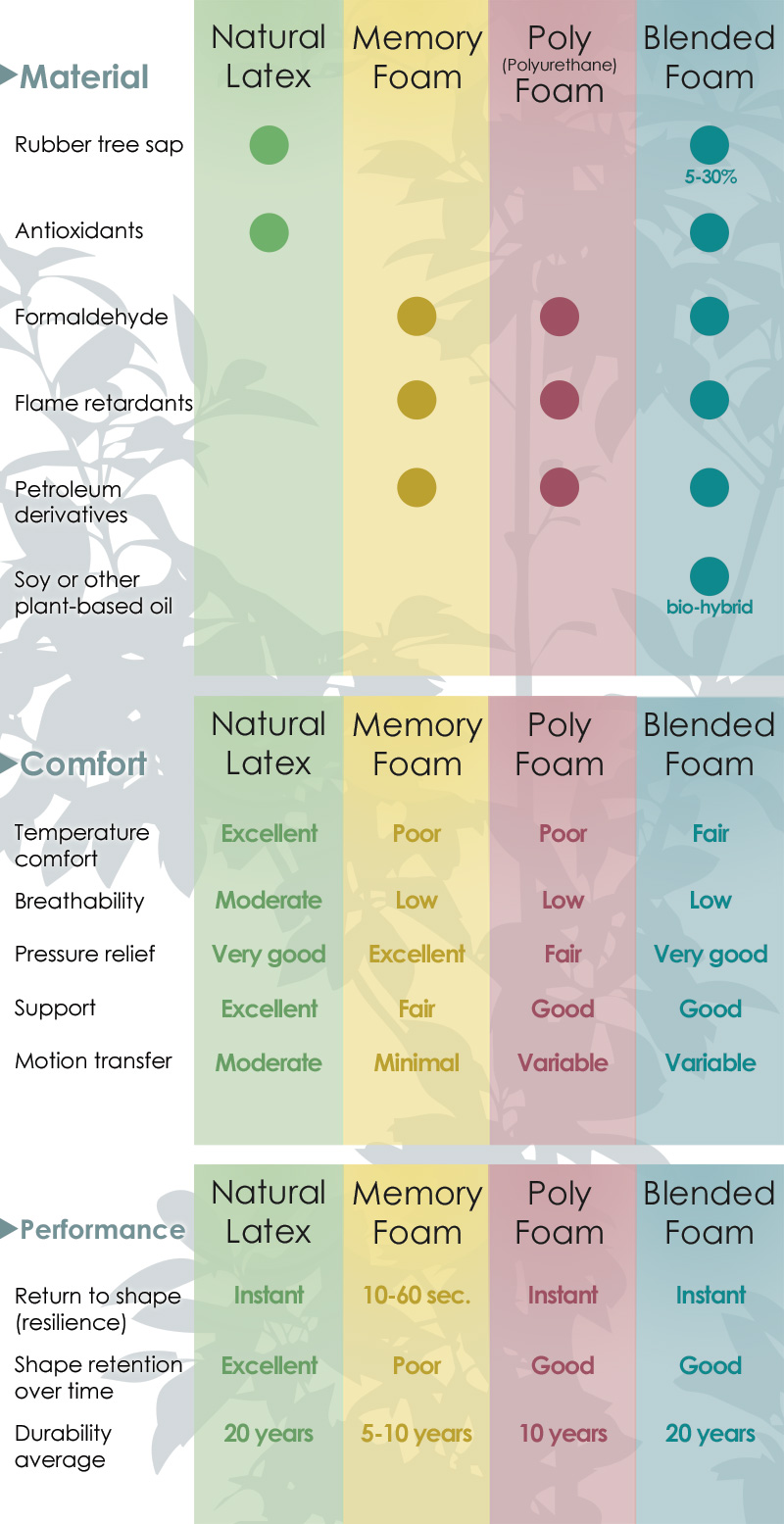
Prevention beats cure. Picking a mattress designed to minimize VOCs from the start means less off-gassing overall.
Best Materials
| Material | Off-Gassing Level | Notes |
|---|---|---|
| Natural Latex | Very Low | Mild rubber scent, gone in hours |
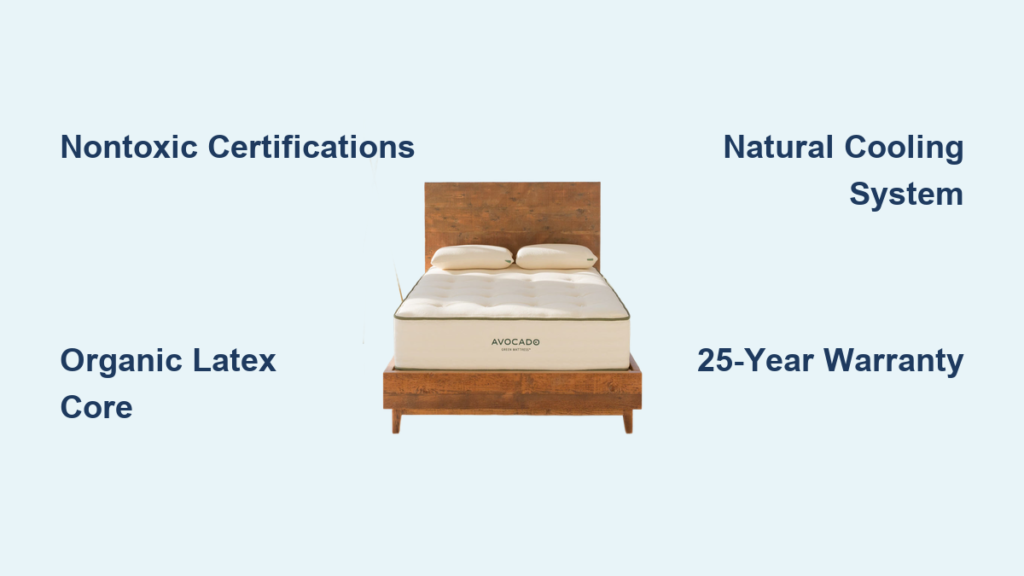
| Organic Cotton/Wool | None | Naturally flame-resistant, breathable |
| Plant-Based Foam | Low | Reduced petroleum content |
| Memory Foam (CertiPUR-US) | Moderate | Still emits but within safe limits |
| Budget Memory Foam (No Certification) | High | Often contains formaldehyde, PBDEs |
Look for Trusted Certifications
Third-party labels verify low emissions and safer materials. Don’t rely on manufacturer claims alone.
Top Certifications
• CertiPUR-US: No formaldehyde, phthalates, CFCs; VOCs under 0.5 ppm
• GREENGUARD Gold: Tested for 10,000+ chemicals; safe for nurseries
• GOTS: Organic cotton and wool, no toxic dyes
• GOLS: Organic latex standard
• OEKO-TEX: Harmless substance-free textiles
Always verify certification on the manufacturer’s website, as some brands fake labels.
Buy Slightly Used or Refurbished
Most VOCs off-gas in the first few days. A lightly used mattress has already released its initial chemical load, making it nearly odor-free from day one.
Where to Buy
• Facebook Marketplace
• Craigslist
• Amazon Renewed
• Manufacturer Refurbished Programs
Inspection Checklist
Check for stains, odors, sagging, and structural issues. Confirm warranty transferability and ask about prior off-gassing time. You’ll often save 30-50% compared to buying new.
Final Thoughts on Speeding Up Mattress Off-Gassing
Off-gassing is normal, but you don’t have to endure it. By unboxing immediately, ventilating aggressively, and using odor-removing tools like baking soda and activated charcoal, you can cut the process from days to hours. Pair these steps with smart choices like certified low-VOC materials and avoiding early protector use, and your new mattress will be safe, fresh, and ready for restful sleep fast.
A little effort now prevents discomfort later. Combine ventilation plus fans plus charcoal plus baking soda plus 2 hours of sunlight, and you can achieve odor-free results in under 24 hours. Don’t sleep on a smelly bed; speed up off-gassing the smart way.
Frequently Asked Questions About Mattress Off-Gassing
How long does mattress off-gassing typically last?
Most off-gassing occurs within the first 24-72 hours, with noticeable odor fading within 3-7 days. Memory foam and hybrid mattresses may take longer, up to 2 weeks, depending on materials and ventilation.
Is it safe to sleep on a new mattress during off-gassing?
For most healthy adults, sleeping on a mattress after several hours of ventilation is generally safe. However, infants, pregnant women, and sensitive individuals should wait 24-48 hours or sleep elsewhere during peak off-gassing.
Can I speed up off-gassing in 24 hours?
Yes, combining multiple methods like open windows, fans, baking soda, activated charcoal, and 2 hours of sunlight can reduce noticeable odor significantly within 24 hours.
Does baking soda actually work for mattress odors?
Baking soda absorbs and neutralizes acidic VOCs like formaldehyde and toluene. It’s effective for surface odors but won’t reach deep-trapped gases. Vacuum thoroughly after application.
What certifications should I look for in a low-VOC mattress?
Look for CertiPUR-US, GREENGUARD Gold, GOTS, GOLS, and OEKO-TEX certifications. These verify the mattress meets strict chemical emission standards.
When should I return my mattress due to off-gassing?
Consider returning if strong chemical smell persists after 2 weeks, or if you experience severe symptoms like persistent headaches, dizziness, or breathing issues that subside when away from the mattress.