You’re not alone if your bed sounds like a symphony of creaks every time you shift position. Approximately 70% of Americans report sleep disruptions from noisy beds, often blaming the mattress when the real culprit lies elsewhere. Most squeaks originate from fixable components like loose bolts, rubbing joints, worn slats, or a failing box spring rather than the mattress itself. Without proper diagnosis, you risk wasting time and money on the wrong fix.
This guide provides a step-by-step plan to identify and eliminate squeaking at its source. Whether it’s a metal-on-metal creak, a rhythmic spring groan, or a floor-level squeal, you’ll learn targeted solutions tailored to each component. From tightening and lubricating to strategic upgrades like solid foundations or foam mattresses, every fix is backed by practical diagnostics and long-term prevention.
Diagnose the Real Source Before Repairs
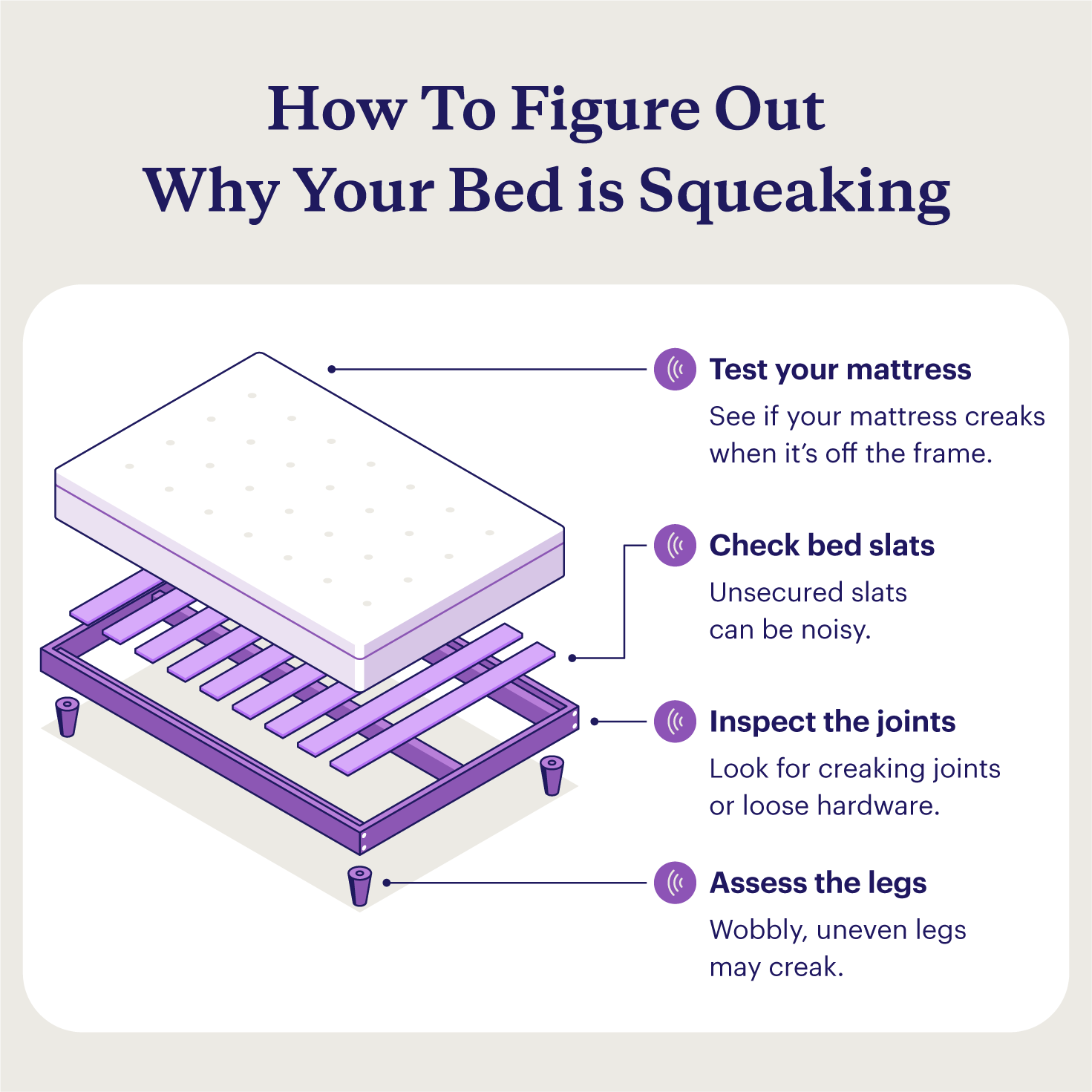
Jumping straight to repairs without testing often leads to frustration and wasted effort. Confirm where the squeak originates first.
Isolate the Mattress from the Frame
Remove the mattress and place it directly on a hard floor. Apply pressure and move across the surface.
- If the squeak persists, the issue is inside the mattress, likely degraded innerspring coils
- If silence returns, the noise comes from the box spring, frame, or slats
This simple test rules out internal damage, which cannot be repaired due to sealed construction.
Test the Box Spring Separately
With the mattress removed, sit or press down directly on the box spring.
- Squeak detected? The box spring’s wooden frame, metal springs, or connectors are failing
- Silent? Move on to inspect the bed frame
Inspect Frame Joints and Supports
Apply firm pressure to corners, rail connections, and center beams while listening for specific sounds.
Listen for these indicators:
- Metal scraping or creaking means loose bolts or dry joints
- Wood-on-wood rubbing indicates warped or shrinking joints
- Cracking sounds suggest cracked wood or bent metal
Use a flashlight to inspect hard-to-reach areas and tap suspect spots gently to replicate noise.
Check Floor and Leg Interaction
Shift the bed slightly and listen for leg-floor friction.
- Squeaking or scraping sounds mean legs are rubbing against flooring
- Wobbly legs or rocking motion indicate uneven floor or missing stabilizers
Place your hands on nearby walls because vibrations traveling through structure often amplify perceived noise.
Fix a Squeaky Box Spring
The box spring ranks as the most common source of squeaking, so addressing it early can solve the problem fast.
Lubricate Metal and Wood Joints
Spray silicone lubricant or WD-40 on exposed metal brackets and connection points.
For wooden joints, apply these options:
- Beeswax rubbed into seams and corners
- Candle wax for smooth application
- Bar soap rubbed directly onto contact points
Avoid cooking oils because they attract dust and degrade over time, creating more problems.
If the box spring is covered with fabric, poke a small hole with a screwdriver, attach a straw to your lubricant can, spray inside near springs and joints, then seal the hole with fabric tape or a patch afterward.
Reinforce or Replace the Box Spring
Even with lubrication, aging box springs often need replacement.
Consider these upgrade options:
- Bunkie board: Thin, rigid platform that supports any mattress type
- Solid plywood base: ¾-inch sanded plywood cut to match your mattress size
- Platform bed: Built-in slats eliminate moving parts entirely
These replacements provide uniform support and zero noise, making them ideal long-term fixes.
Tighten and Stabilize the Bed Frame
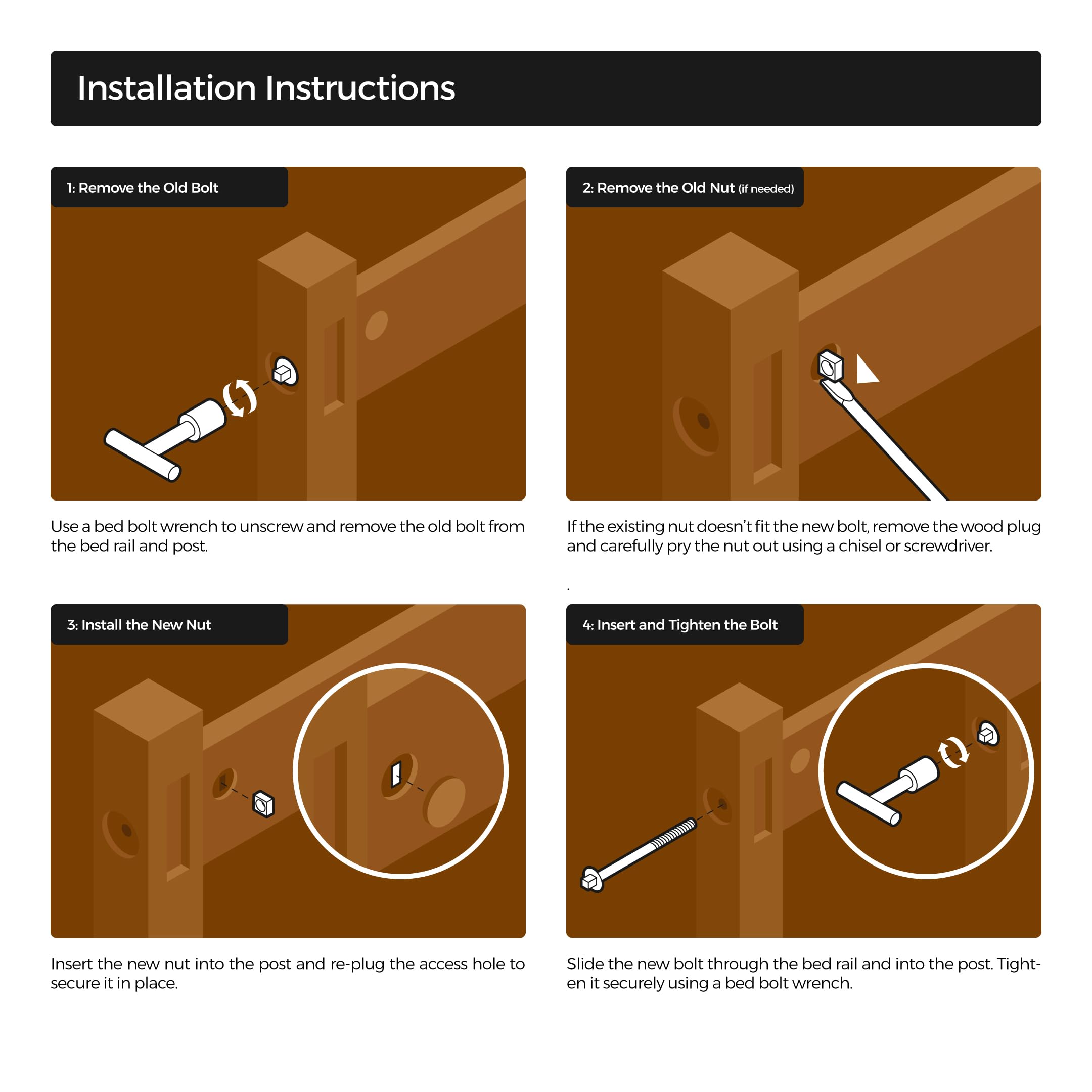
Loose joints and shifting metal cause persistent squeaks, especially in older frames.
Tighten Every Bolt and Screw
Use a wrench or socket set to inspect all connection points including headboard and footboard rails, side rails, and center support beam.
Replace stripped or corroded screws with identical hardware. Add lock washers to prevent loosening over time.
Pro tip: Perform this tightening every 6 months as preventative maintenance.
Lubricate Metal Joints
Spray silicone-based lubricant for long-lasting results or WD-40 as a temporary fix on rail connectors, pivot points, and threaded joints.
Wipe off excess to avoid staining bedding or flooring.
Add Rubber Washers or Padding
Insert rubber washers between metal parts to stop direct contact and reduce vibration transfer.
Alternative padding options include:
- Cut strips from old rubber mats
- Felt pads at wood-to-metal interfaces
- Rubber shelf liner placed between slats and frame
Reinforce the Center Support
A missing or loose center leg causes sagging and stress that leads to squeaking.
Ensure the center leg is fully extended, touches the floor firmly, and aligns properly with the beam.
For heavy mattresses like hybrid or king-size models, upgrade to a Z-frame or heavy-duty steel support system.
Silence Squeaky Slats and Supports
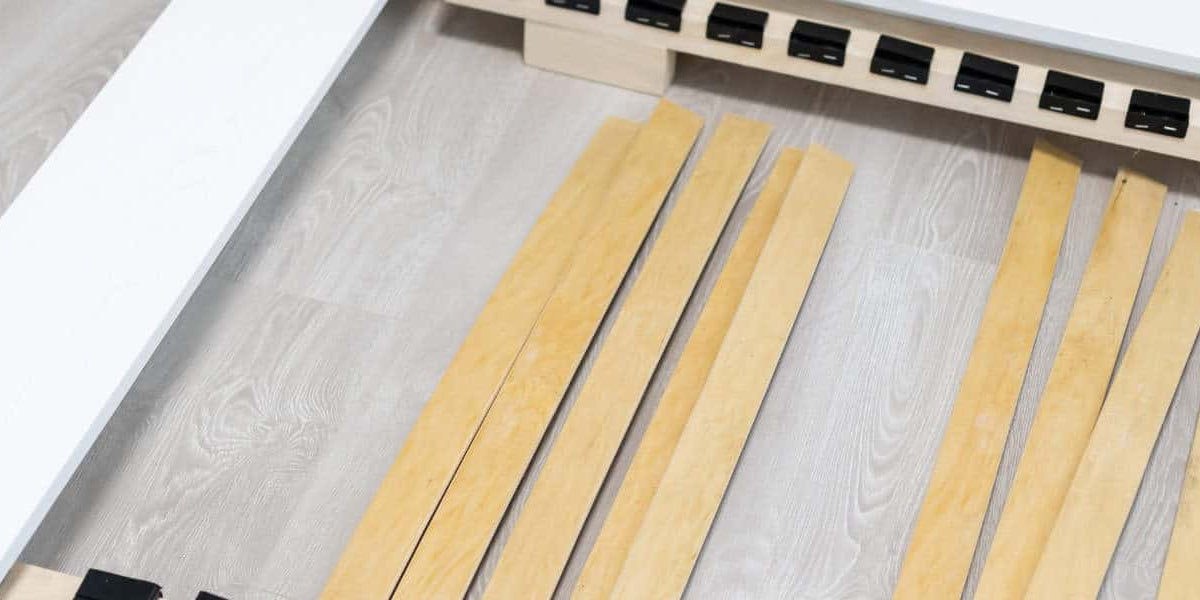
Loose, broken, or improperly spaced slats amplify noise and reduce mattress lifespan.
Inspect Slat Condition
Check for these common problems:
- Gaps between slats allowing movement
- Warping or cracking from age or weight
- Shifting during movement
Replace damaged slats immediately. For a queen mattress, use at least 15 slats to prevent sagging and noise.
Cushion Slats with Fabric or Foam
Place old socks or towels between slats and frame, or use foam strips or rubber shelf liner for permanent padding.
This stops slats from rubbing against each other and keeps them stable during movement.
Add a Plywood Sheet for Stability
Cut ½-inch to ¾-inch plywood to match your mattress size and place it on top of slats or over a worn box spring.
This approach prevents flexing, distributes weight evenly, and reduces stress on springs.
Warning: This method may void warranties on some mattresses like Purple or Tempur-Pedic. Confirm compatibility first.
Stop Mattress-Level Squeaks
If the mattress squeaks even when placed on the floor, internal spring damage is likely the cause.
Rotate the Mattress
Turn the mattress 180 degrees (head to foot) every 3 to 6 months.
This redistributes wear, moves the squeaky zone away from your sleeping area, and extends the mattress lifespan.
Note: Only rotate one-sided models. Flip only if the mattress is double-sided.
Add a Mattress Topper
Use a high-density memory foam, latex, or gel-infused topper.
While it won’t repair broken coils, a topper dampens motion, masks noise, and improves comfort.
This works best as temporary relief when replacement isn’t immediately possible.
Replace the Mattress
Consider replacement if the mattress is over 7 to 10 years old, shows sagging greater than 1.5 inches, has visible lumps or exposed coils, squeaks consistently on a solid floor, or causes you to wake with back pain.
Silent alternatives include all-foam mattresses, gel-grid models like Purple GelFlex, and hybrids with reinforced edges and coated coils.
These options eliminate metal springs entirely, removing the source of squeaking.
Fix Floor and Leg Noise
Sometimes the noise isn’t from the bed at all but from the floor itself.
Add Under-Leg Pads
Attach felt pads, rubber caps, or non-slip furniture pads under each bed leg.
These prevent scratching and reduce vibration transfer to the flooring.
Use Caster Cups
For beds with wheels, place caster cups under each wheel to stabilize movement and absorb noise.
Lubricate axles with silicone spray if wheels still squeak after cup installation.
Level the Bed on Uneven Floors
Use shim pads or adjustable leg levelers under shorter legs to prevent rocking and shifting that cause creaking.
This stops the bed from moving unevenly and creating noise during use.
Prevent Future Squeaks
Silence shouldn’t be temporary. Prevent recurrence with smart maintenance habits.
Schedule Biannual Inspections
Every 6 months, tighten all bolts, re-lubricate joints, check slat alignment, and inspect for warping or rust.
Catching issues early prevents them from becoming noisy problems.
Control Room Humidity
Keep humidity between 40% and 60% to prevent wood warping, metal corrosion, and joint loosening.
Use a dehumidifier in damp areas like basements to protect bed components.
Avoid Excessive Weight and Rough Use
Never jump on or stand on the bed.
Distribute weight evenly and center the mattress to reduce edge stress that causes squeaking.
Choose Quality Components
When buying new beds, pick tempered steel coils with lower gauge wire (thicker), look for enamel or plastic coil coatings to prevent rust, and prefer welded metal frames over bolted ones.
Quality components last longer and stay quieter.
When to Replace vs. Repair
Not every squeak can be fixed with adjustments. Know when to upgrade components.
Replace the Mattress If
The mattress is over 8 years old, shows visible sagging or coil exposure, squeaks on a solid floor, or causes you to wake with pain.
Replace the Box Spring If
The box spring makes audible creaking under pressure, has sagging or loose springs, or shows a warped wood frame.
The best move is eliminating it entirely with a solid platform.
Replace the Frame If
The frame has cracked wood, bent or rusted metal, or persistent noise after tightening and lubrication.
Opt for solid hardwood or heavy-duty steel frames for durability.
Recommended Products and Tools
For Lubrication
- Silicone spray provides long-lasting, non-staining results
- WD-40 works as a quick fix for metal joints
- Beeswax or candle wax is safe for wood surfaces
For Padding and Stability
- Rubber washers stop metal-on-metal contact
- Felt strips or shelf liner quiet slat movement
- ¾-inch plywood reinforces weak foundations
- Caster cups stabilize wheels and absorb noise
For Replacement
- Bunkie board offers slim, rigid support
- Platform bed eliminates the need for a box spring
- Memory foam mattress provides silent, durable performance
Final Decision Guide: Repair or Replace?
| Condition | Action |
|---|---|
| Squeak stops when mattress is on floor | Fix box spring, frame, or slats |
| Squeak continues on floor | Replace mattress |
| Loose bolts or joints | Tighten and lubricate |
| Mattress over 8 years with squeaking | Replace |
| Visible sagging or lumps | Replace immediately |
| Old box spring present | Replace with solid foundation |
| Seeking permanent silence | Switch to foam or gel-grid mattress on solid base |
Frequently Asked Questions About Stopping Mattress Squeaks
Why does my mattress squeak even on a hard floor?
If the squeak persists when the mattress is on the floor, the issue is inside the mattress itself. Internal steel coils have degraded, become misaligned, or developed rust. Unfortunately, internal spring damage cannot be repaired due to the sealed construction of most mattresses.
Can I fix a squeaky box spring without replacing it?
Yes, you can often fix a squeaky box spring through lubrication. Apply silicone spray or WD-40 to metal brackets and connection points. For wooden joints, use beeswax, candle wax, or bar soap rubbed into the seams. If the box spring is covered, make a small hole to spray lubricant inside, then seal it afterward.
How often should I tighten my bed frame bolts?
Inspect and tighten all bed frame bolts and screws every 6 months as preventative maintenance. This prevents loosening from regular use and stops squeaks before they develop. Add lock washers when reassembling to help prevent future loosening.
Will a mattress topper stop squeaking?
A mattress topper can mask squeaking by dampening motion and acting as a buffer between you and the noisy foundation. High-density memory foam, latex, or gel-infused toppers work best. However, a topper only provides temporary relief and cannot repair internal spring damage.
What’s the best long-term solution for a squeaky bed?
The best long-term solution eliminates springs and moving parts entirely. Switch to an all-foam, latex, or gel-grid mattress paired with a solid platform foundation or bunkie board. This combination has no metal components that can rub, creak, or fail over time.
Key Takeaways for Silencing a Squeaky Mattress
Most bed squeaks are fixable, but only if you diagnose correctly. Start with isolation tests to determine whether the noise comes from the mattress, box spring, frame, slats, or floor. Apply targeted fixes systematically: tighten all bolts, lubricate joints, pad contact points, and reinforce weak components.
For lasting peace, eliminate springs and moving parts by upgrading to a solid foundation and a quiet foam or gel mattress. Schedule inspections every 6 months, control room humidity, and avoid rough use to prevent recurrence.
A silent bed isn’t a luxury. It’s essential for restful, uninterrupted sleep. Fix it once, maintain it regularly, and sleep soundly for years.