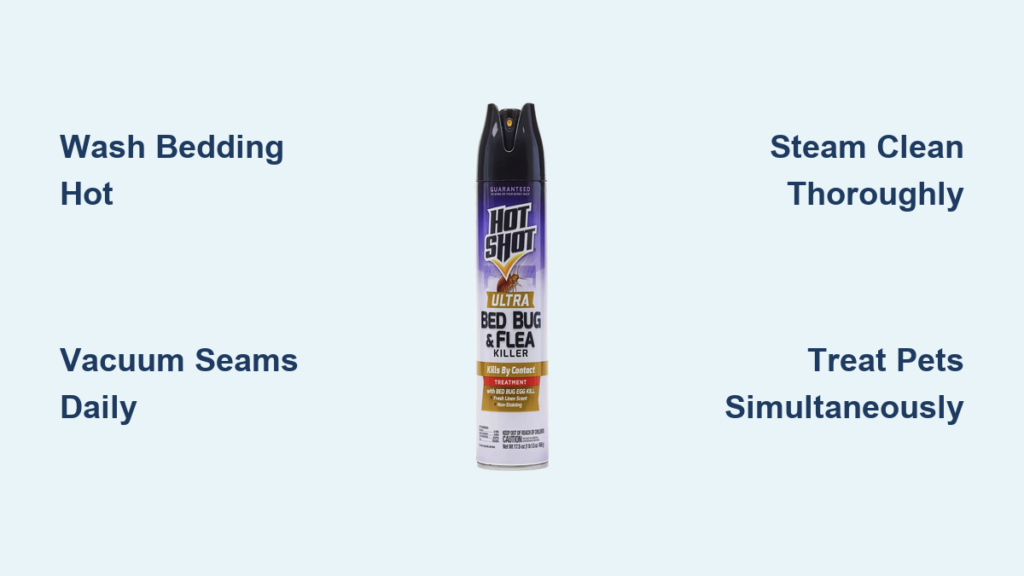
Waking up with itchy red bites and spotting tiny black specks on your sheets? You’re likely dealing with fleas in your mattress. These pests don’t just live on pets, they thrive in bedding, seams, and crevices of your bed, making sleep uncomfortable and treatment urgent. Fleas reproduce rapidly, with a single female laying up to 50 eggs daily, and their resilient life cycle can keep infestations alive for months if not tackled correctly. The good news: you can eliminate them effectively with a structured, multi-step approach.
This guide reveals exactly how to treat a mattress for fleas using proven cleaning methods, safe treatments, and prevention strategies that target every stage of the flea life cycle. You’ll learn what signs to look for, which products work best, and how to keep fleas from coming back.
Confirm Flea Presence in Your Mattress

Before launching a full treatment, verify that fleas are truly the culprit. Mistaking dandruff or dirt for fleas leads to wasted effort, while missing early signs allows infestations to grow.
Spot Adult Fleas and Flea Dirt
Adult fleas are about 3 mm long, dark brown or black, and move quickly when disturbed. Check your mattress, especially along seams, tufts, and folds, for live insects. More common than seeing fleas are signs of flea dirt, tiny black specks resembling ground pepper. To confirm it is flea feces, place the specks on a damp paper towel. If they turn reddish-brown, it is digested blood, proof of fleas.
Identify Eggs and Larvae
Flea eggs are tiny at 0.5 mm, white, and oval-shaped, often scattered like salt next to the pepper of flea dirt. They are easily mistaken for dandruff but do not flake off as easily. Larvae are less visible, pale, worm-like, and light-avoiding, hiding deep in fabric layers or seams. If you see silk-like webbing or small cocoons, pupae are present, meaning the infestation is maturing.
Check for Flea Bites on Skin
Flea bites appear as small, red, itchy bumps, usually in clusters or lines. They are most common on ankles, legs, and waist, areas exposed during sleep. Unlike bed bug bites, flea bites often cause intense itching within minutes. A crawling sensation at night may also indicate active infestation.
Remove and Wash All Bedding Immediately
The first and fastest way to kill fleas in your bed is to eliminate their presence in linens. Bedding harbors eggs, larvae, and adults, so immediate action is critical.
Wash Sheets and Covers in Hot Water
Strip the bed completely, including sheets, pillowcases, comforters, mattress protectors, and blankets. Wash everything in hot water at 130°F or higher. This temperature kills all flea life stages on contact. Use regular detergent and avoid overloading the machine to ensure thorough cleaning.
Dry on High Heat for 30+ Minutes
After washing, dry all items on the highest heat setting for at least 30 minutes. Heat is lethal to fleas and more effective than washing alone. Check care labels to avoid damaging delicate fabrics.
Handle Non-Washable Items Carefully
Pillows, decorative comforters, or memory foam toppers that cannot be washed should be sealed in plastic bags for at least 48 hours to suffocate fleas. Alternatively, take them to a dry cleaner or use a handheld steamer on low-moisture settings.
Vacuum the Mattress and Bed Frame Thoroughly
Vacuuming removes up to 90% of flea eggs, larvae, and adults from surfaces. It is a non-toxic, essential step that must be done correctly and repeatedly.
Focus on Seams, Edges, and Crevices
Use a vacuum with a crevice tool to clean every inch of the mattress. Pay special attention to stitched seams, button tufts, corners and edges, and both sides if the mattress is flip-able. Also vacuum the box spring, bed frame, headboard, and any joints or drawers beneath the bed, as fleas hide in dark, undisturbed spaces.
Vacuum Daily During Active Infestation
Fleas hatch in waves, so vacuum every one to two days for at least three weeks. This disrupts the life cycle by removing newly hatched fleas before they mature.
Seal and Dispose of Vacuum Contents Outside
Immediately empty the vacuum canister or bag outside your home. Fleas can escape from indoor bins. Seal the contents in a plastic bag and dispose of it in an outdoor trash can.
Steam Clean the Mattress to Kill All Life Stages
/how-to-steam-clean-a-mattress-5101192-hero-0a1a68a684094d4588f265761ec6fbc6.jpg)
Steam is one of the most effective ways to kill fleas in a mattress without chemicals. High heat penetrates deep into fabric, eliminating eggs, larvae, and pupae that vacuuming might miss.
Use a Steam Cleaner at 120°F+
Set your handheld or full-sized steam cleaner to produce steam above 120°F, the temperature at which fleas die on contact. Move slowly across the mattress surface, especially along seams and edges, to ensure full coverage.
Let the Mattress Dry Completely
Steam adds moisture, so allow the mattress to dry for four to six hours before remaking the bed. Open windows or use fans to speed up drying. A damp mattress can encourage mold growth, so never soak it.
Extend Steam to Pet Beds and Carpets
Treat pet bedding, bedroom rugs, and upholstered furniture the same way. Fleas spread quickly, so clean the entire sleeping environment in one session.
Apply Safe Flea Treatments to the Mattress
After cleaning, apply a targeted treatment to kill any remaining fleas and prevent reinfestation. Choose products labeled safe for mattresses and indoor use.
Use Flea Sprays with IGRs
Opt for commercial sprays that combine adulticides to kill live fleas and insect growth regulators like methoprene or pyriproxyfen to stop eggs from hatching. Recommended options include Itch Flea House Spray or other dual-action formulas. Lightly mist the mattress surface and seams, avoiding soaking. Follow label instructions for drying time, usually two to four hours, and do not sleep on the mattress until fully dry.
Apply Food-Grade Diatomaceous Earth
Diatomaceous earth is a natural, non-toxic powder that dehydrates fleas physically. Only use food-grade DE, as pool-grade is dangerous to inhale. Lightly dust DE into mattress seams and crevices, leave for six to 12 hours or overnight, then vacuum thoroughly the next day. Wear a mask during application and keep pets and kids away. DE is safe once vacuumed but should not be left long-term on sleeping surfaces.
Try Natural Alternatives with Caution
Vinegar mixed one-to-one with water or diluted essential oils like lavender, eucalyptus, or peppermint may deter fleas but are less effective at killing them. If using oils, dilute properly at 10 to 15 drops per cup of water, spray lightly, and avoid soaking. Never use essential oils around cats, as many are toxic to them.
Treat Pets with Veterinary-Approved Flea Control
Treating the mattress without treating pets is futile. Fleas jump from animals to beds and back again, breaking this cycle is essential.
Use Topical, Oral, or Collar Treatments
Topical spot-ons applied between the shoulder blades kill fleas within hours. Oral medications like chewable tablets work fast, often within 30 minutes. Flea collars like Seresto provide up to eight months of protection. Always use veterinarian-recommended products, as over-the-counter options may be ineffective or unsafe.
Wash and Replace Pet Bedding
Wash all pet bedding in hot water and high heat. For heavily infested items, replace them entirely. Clean crates, carriers, and favorite resting spots too.
Comb Pets Daily with a Flea Comb
Use a fine-toothed flea comb every day to remove adult fleas and flea dirt. Dip the comb in soapy water to kill captured fleas. Regular grooming helps monitor progress and prevents reinfestation.
Treat the Entire Bedroom and Home Environment
Fleas live beyond the mattress. To stop reinfestation, treat all areas pets and people frequent.
Vacuum Carpets, Baseboards, and Furniture
Vacuum every one to two days for at least three weeks. Focus on high-traffic areas, under furniture, and along baseboards. Empty the vacuum outside each time.
Spray Carpets and Upholstery with Flea Killer
Use a carpet-safe flea spray with IGRs to target hidden eggs and larvae. Follow label instructions and keep pets and children away during application.
Use Flea Foggers for Severe Cases
If multiple rooms are infested, flea foggers can help. They release insecticide mist that reaches baseboards, under furniture, and other hard-to-reach areas. Remove pets, plants, and uncovered food, leave the home for the time specified on the label, ventilate thoroughly before re-entry, and repeat after seven to 10 days to catch hatching fleas.
Repeat Treatment Every 2 Weeks for 6 Weeks
Flea pupae can remain dormant for up to five months, hatching weeks after initial treatment. A single round is not enough, consistency is key.
Stick to a 2-Week Treatment Cycle
Because eggs hatch in two to five days and pupae emerge over weeks, repeat the full process including washing bedding, vacuuming, steaming or spraying, and reapplying DE or spray. Do this every 14 days for six weeks to catch all newly emerged fleas and break the life cycle.
Monitor for New Bites or Flea Activity
Track progress by watching for new bites on skin, flea dirt on sheets, and live fleas in the vacuum. If signs persist after six weeks, consider professional help.
Prevent Fleas from Returning to Your Mattress
Once fleas are gone, protect your bed and home with proactive measures.
Use a Zippered Mattress Encasement
A waterproof, zippered mattress protector acts as a physical barrier, trapping any remaining fleas inside and preventing new ones from entering. Choose one that fully encases the mattress, is made of tightly woven fabric, and is easy to remove and wash monthly.
Wash Bedding Weekly in Hot Water
Make hot water washing a habit. Weekly laundry at 130°F or higher kills stray eggs and deters infestations before they start.
Keep Pets on Year-Round Flea Prevention
Do not stop treatment in winter. Fleas survive indoors year-round. Use continuous flea control, topical, oral, or collar, as recommended by your vet.
Limit Pet Access to the Bed
If pets sleep with you, wash their bedding weekly and vacuum the bed regularly. Better yet, keep them off the bed entirely during and after infestation.
Maintain a Clean, Dry Home Environment
Vacuum two to three times per week, steam clean carpets every three to six months, seal cracks and gaps to block wildlife entry, and mow the lawn and remove yard debris to reduce outdoor flea sources.
When to Call a Pest Control Professional
Most infestations can be handled at home, but some situations require expert intervention.
Persistent Fleas After Repeated Treatment
If fleas keep coming back despite your efforts, dormant pupae or hidden infestations may need industrial-grade solutions. Pest control pros use stronger insecticides and IGRs not available to consumers.
Whole-Home Infestation
When fleas spread beyond the bedroom to living rooms, hallways, or basements, a professional fogging or spraying service ensures full coverage.
Health Concerns or Allergic Reactions
Severe itching, hives, or skin infections from bites may require medical attention. Consult a doctor and consider professional flea removal to reduce exposure.
Consult Your Veterinarian for Pet Infestations
If your pet shows signs of flea allergy dermatitis, intense scratching, hair loss, or skin sores, your vet can prescribe stronger treatments and help identify underlying issues.
Frequently Asked Questions About Treating a Mattress for Fleas
How long does it take to get rid of fleas in a mattress?
Complete elimination typically takes six weeks or longer. This is because flea eggs hatch in two to five days, but pupae can remain dormant for up to five months. You must repeat treatments every two weeks to catch newly hatched fleas and break the life cycle completely.
Can fleas live in a mattress without pets?
Yes, fleas can live in a mattress without pets. While pets are the primary source, fleas can also be introduced through used furniture, human clothing after visiting infested areas, or wildlife like rodents that enter the home. Once inside, they can infest bedding and reproduce.
What temperature kills fleas in a mattress?
Heat at 130°F or higher kills all flea life stages on contact. This is why washing bedding in hot water and drying on high heat is so effective. Steam cleaning above 120°F also kills fleas, eggs, and larvae on contact.
Is diatomaceous earth safe for treating a mattress?
Food-grade diatomaceous earth is safe when used correctly. It dehydrates fleas physically and is non-toxic to humans. Apply lightly to seams and crevices, leave for six to 12 hours, then vacuum thoroughly. Never use pool-grade DE, as it is harmful to inhale. Keep pets and children away until vacuumed.
Can I sleep on my mattress during flea treatment?
You should not sleep on the mattress until all treatments have dried completely, typically two to four hours for sprays. If using diatomaceous earth, vacuum thoroughly before sleeping. The mattress should be completely dry after steam cleaning before remaking the bed.
Why do fleas keep coming back after treatment?
Fleas keep coming back because pupae are resistant to most treatments and can hatch weeks after initial cleaning. Treating only once is not enough. You must repeat the full treatment process every two weeks for at least six weeks. Also, if pets are not treated simultaneously, fleas will simply re-infest from the animal.
Key Takeaways for Getting Rid of Fleas in Your Mattress
Treating a mattress for fleas requires persistence, not perfection. By combining hot washing, thorough vacuuming, steam cleaning, and safe treatments while simultaneously addressing pets and the home environment, you can eliminate fleas for good. Always confirm flea presence before treating, wash all bedding in 130°F or hotter water, and vacuum every one to two days for three weeks minimum. Apply mattress-safe flea sprays with insect growth regulators or food-grade diatomaceous earth, and treat pets with veterinarian-approved products at the same time. Stick to a six-week treatment cycle, use a zippered mattress protector, and maintain year-round pet prevention to keep your bed bite-free. If signs persist after six weeks of consistent treatment, call a pest control professional. Fleas do not stand a chance when you attack every stage of their life cycle.