
If you’re caring for someone with limited mobility, preventing painful pressure ulcers is likely one of your top concerns. Bedsores develop when sustained pressure cuts off blood flow to the skin, especially over bony areas like the hips, heels, and tailbone. Medical air mattresses dynamically redistribute this pressure by alternating air cell inflation every 10 minutes, mimicking natural movement and helping to prevent tissue damage. When used correctly, these systems can reduce new pressure ulcer risk by up to 80%. This guide walks you through selecting the right mattress, setting it up properly, operating it safely, and maintaining it for long-term effectiveness.
Choose the Right Air Mattress Type

Selecting the correct air mattress for bedsores is the foundation of effective prevention. The two main categories serve different needs, and matching the right type to your situation determines how well the system protects vulnerable skin.
Alternating Pressure vs. Low Air Loss
Alternating pressure mattresses cycle air between internal chambers every 10 minutes, inflating one set while deflating the other. This constant shift maintains blood flow and works well for immobile patients at moderate to high bedsore risk. Low air loss systems add a cooling function through tiny pores that release gentle air to keep skin dry, which is essential for patients dealing with incontinence or excessive sweating. Many advanced models combine both technologies for comprehensive protection.
When to Use Overlays vs. Full Replacement Mattresses
Overlay mattresses are thin, lightweight systems that sit on top of an existing foam mattress. They install quickly and suit short-term recovery or early-stage prevention. Full replacement air mattresses provide deeper pressure relief and better support for long-term use, though they require a sturdy bed frame. These are preferred in clinical settings or for patients with existing ulcers. For patients weighing over 300 lbs or dealing with advanced mobility issues, choose a full system with higher weight capacity, as some bariatric models support up to 800 lbs.
Match Patient Needs to Features
Every patient requires different support. Someone recovering from hip surgery needs firm support with precise pressure control, while a palliative care patient may benefit more from soft cushioning and moisture management. Always consider underlying medical conditions such as diabetes, spinal injuries, or poor circulation. Consult a clinician if the patient has unstable fractures or severe contractures, as some air mattresses may not be safe in these cases. Look for models with adjustable firmness, a quiet pump operating under 45 decibels, and antimicrobial vinyl material for hygiene.
Set Up the Air Mattress Properly
Proper installation directly affects how well the mattress prevents pressure ulcers. Taking time to set up correctly ensures the system functions as designed and provides consistent protection.
Prepare the Bed Frame and Surface
Clean and inspect the bed frame before placing the air mattress. Remove any sharp objects, debris, or uneven surfaces that could puncture the vinyl. Use a flat, rigid base and avoid springy or sagging frames, as they reduce effectiveness. Confirm the mattress size matches the bed and lies completely flat without folding or stretching. If using an overlay, place it directly on the existing mattress without extra padding underneath, as this interferes with pressure redistribution.
Connect Pump and Tubing Correctly
Lay the air mattress centered on the bed and attach the air tubes from the compressor to the inlets, which are usually labeled A/B or 1/2. Ensure connections are snug and free of kinks. Route the tubing along the side rail for safety and easy access. Plug the pump into a grounded outlet and never use an extension cord. Place the compressor on a stable surface elevated off the floor to prevent dust or liquid intake, which reduces wear and keeps the system running quietly.
Inflate Fully Before Use
Turn on the pump and allow the mattress to inflate completely, which takes 5 to 15 minutes depending on room temperature and model. Do not let the patient lie down until fully inflated. Watch for even expansion across all cells. Once inflated, the alternating cycle begins: one set of cells firms up while the other softens, creating a wave-like motion across the surface. This is normal and confirms the system is working. Never use the mattress if it feels lumpy or deflates quickly; check for leaks or loose connections instead.
Operate the System 24/7
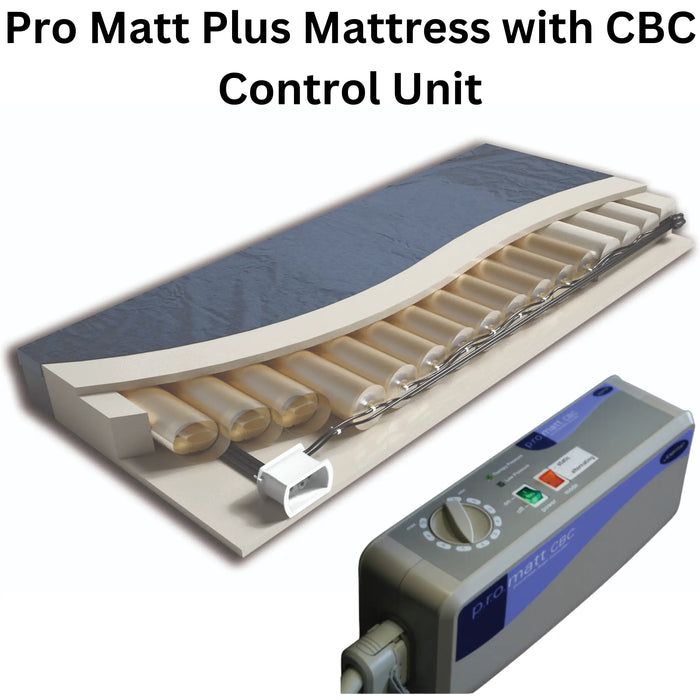
Consistent operation is critical for therapeutic effectiveness. Understanding how to run the system properly ensures continuous pressure redistribution and maximum bedsore protection.
Keep Power Running Continuously
The air mattress must stay powered at all times. Turning off the pump stops the pressure cycle and causes slow deflation through exhaust ports. Even a few hours without power increases bedsore risk significantly. Use a surge protector and consider a backup battery system in areas with unreliable electricity. If the power goes out, monitor the patient closely and reposition manually every hour until power returns.
Adjust Pressure for Patient Comfort
Use the control dial or digital panel to adjust firmness based on patient weight and comfort. Lighter individuals under 130 lbs need lower pressure settings to avoid sinking too deeply. Heavier patients require higher inflation to prevent bottoming out, which occurs when the body touches the underlying surface. The ideal setting allows slight sinking without pressure points. Make small adjustments and observe the patient’s response. Avoid setting the mattress too soft, as this reduces support and increases shear forces during movement.
Understand the 10-Minute Cycle
Most systems alternate pressure every 10 minutes, with one side inflating while the other deflates before switching. This rhythmic cycle prevents sustained pressure on any single area. Some models allow adjustment between 5 and 20 minutes, but 10 minutes is clinically proven to be most effective. Patients may feel the movement at first, but reassure them it is normal. If discomfort persists beyond 48 hours, check positioning and pressure settings. Never disable the cycle function, even during sleep, as this defeats the purpose of the mattress.
Monitor Skin Daily
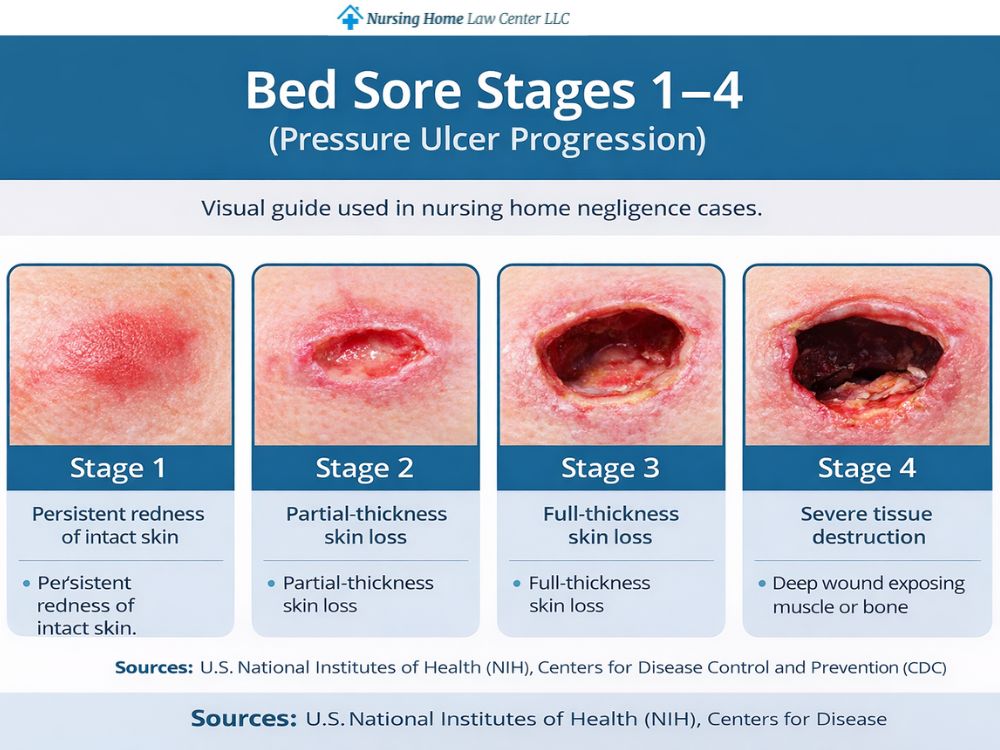
Even with an air mattress, daily skin monitoring remains essential. Technology assists but cannot replace human observation for catching early warning signs of pressure damage.
Inspect High-Risk Areas Every Day
Focus on bony areas: sacrum, heels, hips, elbows, shoulder blades, and back of the head. Look for non-blanchable redness, which is skin that stays red when pressed, as this is the first sign of a Stage I bedsore. Also check for swelling, warmth, blisters, or open sores. Use good lighting and gently lift the patient if needed. Document findings and report changes to a healthcare provider immediately. Early detection prevents minor redness from turning into deep tissue damage.
Respond to Early Warning Signs
If you notice persistent redness, stop using lotions or oils that could degrade the mattress material. Keep the area clean and dry, and increase repositioning frequency. Use heel protectors and positioning cushions to offload pressure. For Stage II ulcers, which are open sores, apply non-adherent dressings and consult a wound care specialist. Do not massage reddened skin, as this can worsen tissue damage. Combine air mattress use with proper nutrition and hydration, as skin healing depends on protein, vitamins, and fluid intake.
Prevent Moisture Buildup
Sweat and incontinence trap moisture against the skin, raising bedsore risk significantly. Use breathable, moisture-wicking sheets made from cotton or medical-grade synthetics. Avoid plastic-backed linens that block airflow. Change soiled bedding immediately. If the patient sweats heavily, choose a low air loss mattress that actively dries the skin. Never use oil-based creams or ointments, as these can break down the vinyl surface of the mattress.
Reposition Patient Every 2 Hours
Manual repositioning complements the air mattress but does not replace it. Even with dynamic pressure redistribution, physical movement remains a critical component of bedsore prevention.
Manual Turning Is Still Necessary
Reposition the patient every 2 hours unless a doctor advises otherwise. The alternating pressure helps, but it does not replace physical movement. Use a transfer sheet or mechanical lift to shift the patient from back to side at a 30-degree tilt to avoid direct pressure on hips and tailbone. Never drag the body, as this causes friction and shear that damage skin. Alternate positions: supine, left side, right side. Keep the head of the bed as low as possible under 30 degrees to reduce sliding and pressure on the tailbone.
Use Positioning Aids Correctly
Place pillows or foam wedges behind the back and between the knees to maintain alignment and prevent pressure on joints. Use heel suspension boots or foam rings to float the heels off the mattress. Avoid doughnut-shaped cushions, as they increase pressure around the wound. Ensure elbows are not pressed into the bed by supporting arms with soft rolls. For seated patients, use an air cushion in wheelchairs and follow the same 2-hour repositioning rule.
Encourage Mobility When Possible
If the patient can move slightly, encourage small shifts such as lifting heels, bending knees, or shifting shoulders. Even tiny movements boost circulation significantly. Assist with bed exercises if approved by a therapist. The goal is to reduce dependency on passive care and engage the patient in their own skin protection whenever possible.
Clean and Maintain the Mattress Weekly
Regular cleaning and maintenance extend the mattress lifespan and ensure consistent therapeutic performance. A well-maintained system provides reliable pressure redistribution for years.
Wipe Down Surface Regularly
Clean the mattress at least once a week or immediately after spills, urine, or feces. Use a damp cloth with mild soap and water or a hospital-grade disinfectant safe for PVC and vinyl. Avoid bleach unless diluted at a 1:10 ratio with water and rinsed thoroughly. Never soak, submerge, or steam clean the mattress. Dry completely with a soft towel before remaking the bed. This prevents mold, odors, and material degradation.
Avoid Damaging Cleaners
Do not use alcohol, solvents, abrasive scrubbers, or oil-based products. These weaken the vinyl and can cause cracks or leaks. Enzymatic cleaners are safe for organic stains like blood or urine. For stubborn spots, use a soft cloth and gentle circular motion. Always test cleaning products on a small hidden area first.
Inspect for Wear and Tear
Once a week, check for bulges or sagging in air cells, cracks, cuts, or punctures, kinked or loose tubing, and unusual pump noises or error lights. If the mattress deflates frequently or feels uneven, perform a leak test by applying soapy water to suspect areas and looking for bubbles. Repair small leaks with a manufacturer-approved patch kit. Allow 24 hours for the adhesive to cure before reinflating. Replace the mattress if multiple leaks occur or the structure is compromised.
Troubleshoot Common Problems
When issues arise, quick troubleshooting restores function and maintains protection. Understanding common problems helps you address them before they compromise patient safety.
Mattress Will Not Inflate
If the mattress does not inflate, first check the power source by ensuring the outlet works and the plug is secure. Test the pump on another outlet. Inspect the tubing for disconnections or kinks. If the pump runs but no air flows, the internal fan or motor may be faulty. Refer to the manual or contact customer support. Never attempt internal repairs unless qualified to do so.
Uneven Firmness or Noise
Uneven inflation often means blocked or twisted tubing. Straighten all hoses and ensure connections are tight. If one side stays soft, there may be a leak in that circuit. Listen for hissing sounds. Excessive pump noise could be caused by loose parts, dust buildup, or poor ventilation. Clean the exterior and ensure the unit is not covered or placed under a bed skirt. Use a rubber pad under the pump to dampen vibrations.
Patient Feels Uncomfortable
Discomfort is usually due to incorrect pressure settings or poor positioning. Adjust firmness gradually, as too hard causes pressure points while too soft leads to poor support. Ensure the patient is centered on the mattress and not lying on seams. Use thin, breathable sheets, as thick comforters restrict air cell movement. If the sensation of motion bothers the patient, give 1 to 2 days to adjust. Most patients acclimate quickly.
Maximize Long-Term Effectiveness
Consistent care and proper maintenance maximize the therapeutic benefits of your air mattress investment. Following manufacturer guidelines and combining technology with holistic care delivers the best outcomes.
Follow Manufacturer Maintenance Schedule
Most pumps need filter cleaning every month and professional servicing every 6 to 12 months. Keep spare tubing and connectors on hand. Store extra parts in a dry, cool place. Register the product to track warranty, which typically ranges from 1 to 3 years. Replace the mattress after 3 to 5 years, even if it appears functional, as material fatigue reduces pressure relief over time.
Combine with Holistic Care
An air mattress is part of a full prevention strategy. Support healing with a high-protein diet and adequate hydration, regular skin moisturizing with safe non-oily products, proper incontinence management, and blood sugar control for diabetic patients. Educate all caregivers on proper use, as misuse reduces effectiveness significantly. Watch for signs of system failure and never ignore error lights.
Frequently Asked Questions About Using Air Mattress for Bedsores
How long should an air mattress for bedsores run continuously?
The air mattress must run 24 hours a day, 7 days a week. Turning off the pump even temporarily causes deflation and stops the pressure redistribution cycle that prevents bedsores. Only shut off the system when cleaning or performing maintenance.
Can I stop repositioning the patient if I have an air mattress?
No. Even with an alternating pressure mattress, you must reposition the patient every 2 hours. The air mattress reduces pressure but does not eliminate the need for manual repositioning to maintain skin health and prevent bedsores completely.
What pressure setting should I use on the air mattress?
The correct setting depends on patient weight. Lighter patients under 130 lbs need lower pressure, while heavier patients require higher settings. The ideal setting allows slight sinking without the body touching the underlying surface. Start with manufacturer recommendations and adjust based on patient comfort.
How do I know if the air mattress is working properly?
A properly functioning mattress shows a wave-like motion across the surface as air cells alternate between inflating and deflating every 10 minutes. You should feel and see one side firming up while the other softens. If the mattress feels flat, lumpy, or does not cycle, check connections for leaks or damage.
How often should I clean the air mattress?
Clean the surface at least once weekly or immediately after any soiling. Use mild soap and water or a hospital-grade disinfectant safe for vinyl. Never use alcohol, solvents, or oil-based cleaners, as these damage the material and cause leaks.
When should I replace the air mattress?
Replace the air mattress after 3 to 5 years of use, even if it appears functional, because material fatigue reduces pressure relief effectiveness. Also replace if multiple leaks develop, the pump becomes noisy or unreliable, or the alternating cycle stops working properly.
Key Takeaways for Preventing Bedsores With an Air Mattress
Using an air mattress for bedsores works when you combine the right equipment with consistent care practices. Choose a mattress type that matches patient needs, whether alternating pressure, low air loss, or a combined system. Set it up correctly, keep it running continuously, and adjust pressure based on patient weight and comfort. Daily skin monitoring and 2-hour repositioning remain essential even with this technology. Clean the mattress weekly, inspect for wear, and replace it within 3 to 5 years. Remember that an air mattress is one part of a complete prevention strategy that includes nutrition, hydration, mobility support, and proper skin care. With proper use, these systems dramatically reduce bedsore risk while improving patient comfort and giving caregivers peace of mind.