You’ve just cleaned your mattress topper, whether from a spill, seasonal refresh, or deep clean, and now comes the most critical step: drying. Improper drying leads to mold, mildew, foul odors, and irreversible material damage. Knowing how to dry a mattress topper correctly protects your investment and ensures years of comfortable sleep. This guide covers exact drying methods by material type, essential tools, timelines, and warning signs to avoid.
By following these material-specific protocols, you will learn how to accelerate drying without damaging your topper, how to test for complete dryness, and how to prevent future moisture problems. Skip the guesswork and protect your sleep surface with proven, step-by-step drying techniques.
Dry a Mattress Topper by Material Type
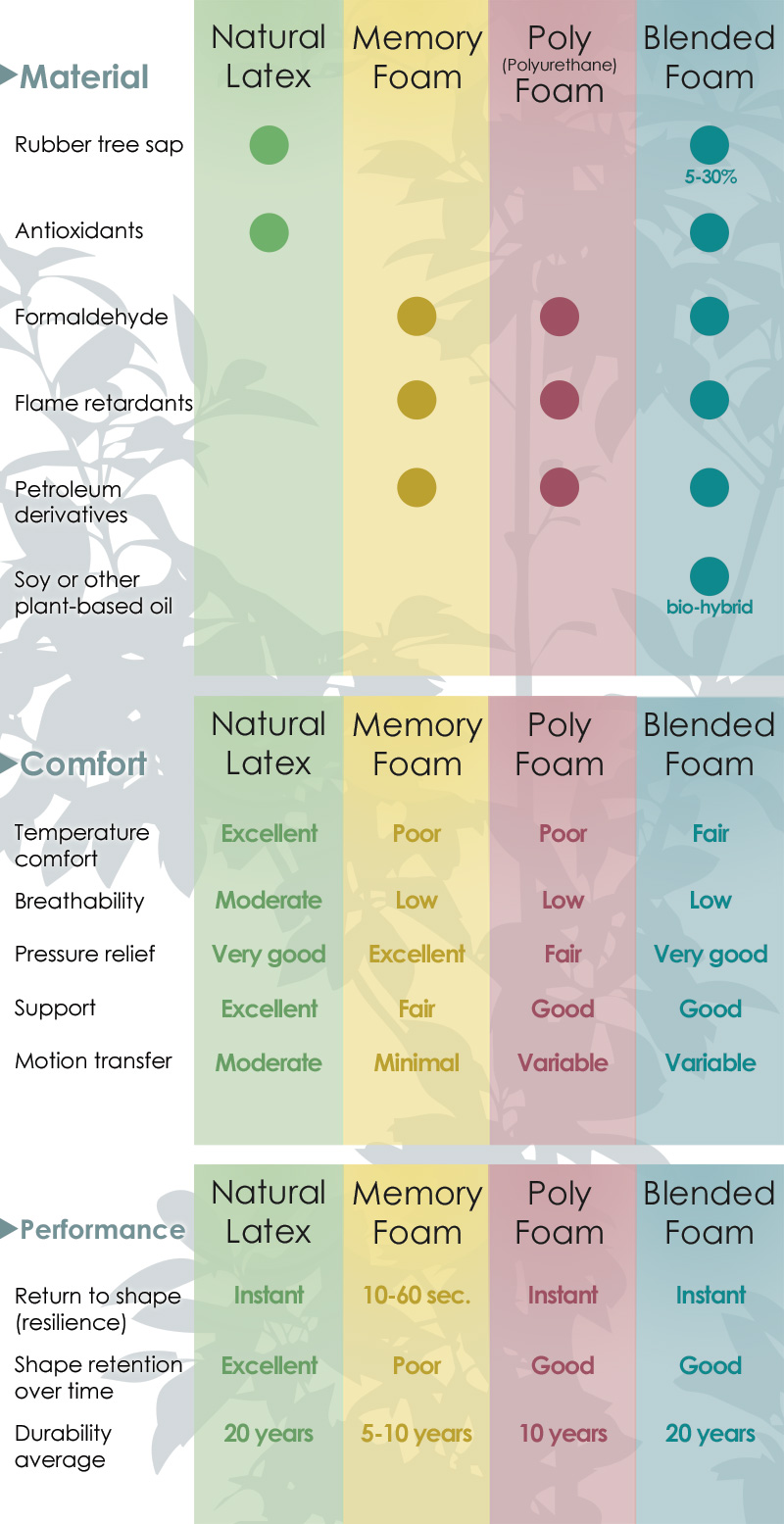
Each mattress topper material reacts differently to moisture and heat. Applying the wrong drying method can ruin the structure, loft, or support. Always check the care label first, but if it is missing or unclear, use this material-specific guide.
Memory Foam Drying: Air Dry Only
Memory foam absorbs water like a sponge and dries slowly. Never machine dry, even on no-heat settings, because tumbling fractures foam cells.
After spot cleaning, blot with dry towels by pressing firmly, never rubbing. Place the topper on an elevated mesh rack or clean bed frame for airflow underneath. Use oscillating fans to circulate air around the surface, not blowing directly at it. Flip every four to six hours to expose both sides. Expect drying to take twenty-four to seventy-two hours depending on thickness and humidity.
Test dryness by pressing your palm deep into the center with no cool or damp feeling remaining. A wet or dry vacuum after rinsing can pull water from pores and cut drying time by up to thirty percent.
Down and Down-Alternative Drying: Tumble Dry Required
Down must be fully dried to prevent clumping and bacterial growth. Never air dry because it leads to uneven drying and mildew.
After washing, run an extra spin cycle to remove water. Use a large-capacity dryer, found at laundromats, for full tumbling. Add three to six wool or tennis balls inside white socks to reduce lint and break up clumps. Set to the lowest heat or air-fluff setting. Dry in thirty-minute cycles, stopping to shake and redistribute filling. Drying takes three to six hours or longer. Signs of dryness include no damp spots, fluffy texture, and crisp sounds from the dryer balls.
Never use fabric softeners because they coat fibers and reduce loft.
Cotton and Fiber Drying: Low Heat or Air Dry
Cotton can shrink if overheated. Always verify if the topper is machine-washable first.
For machine drying, use low heat and add dryer balls to prevent matting. Check every twenty to thirty minutes. Drying takes one and a half to three hours. For air drying, lay flat on a rack or hang over a line in indirect light. Flip every four to six hours. Air drying takes twelve to twenty-four hours.
Cotton may shrink slightly, so check if the label indicates pre-shrunk status.
Latex and Polyfoam Drying: Avoid Heat and Sunlight
Latex resists moisture better than foam but degrades under UV light and high heat. Polyfoam is less dense but still heat-sensitive.
After spot cleaning, pat dry with a towel. Dry in a shaded, well-ventilated room. Elevate on a rack or bed frame. Flip every six to eight hours for latex, every three to four hours for polyfoam. Latex drying takes eight to sixteen hours. Polyfoam drying takes twelve to forty-eight hours.
Never use a dryer because heat causes brittleness, cracking, and permanent sagging.
Egg-Crate Foam Drying: Fast Dry with Care
The convoluted surface allows faster drying, but peaks can flatten if mishandled.
Lay flat on a mesh rack to let air flow beneath. Use fans to speed evaporation. Flip every three to four hours. After rinsing, use a wet or dry vacuum to suction water from crevices before air drying. Drying takes eight to sixteen hours. Never wring or press hard because this ruins pressure-relief benefits.
Best Drying Environments

Where and how you dry your topper matters as much as the method.
Ideal Room Conditions
Maintain temperature between sixty-eight and seventy-seven degrees Fahrenheit. Keep humidity below fifty percent by using a dehumidifier in basements or humid climates. Use fans or open windows to promote circulation. Avoid direct sunlight because UV rays degrade foam, latex, and fabrics. Never dry on carpet; use hard floors, racks, or bed frames instead.
Elevate for Bottom-Side Airflow
Place on a mesh drying rack, chairs, or clean bed frame. This ensures air reaches the underside, which is critical for foam and egg-crate types. Never place directly on flooring or carpet because this traps moisture underneath.
Essential Drying Equipment
Use the right tools to cut drying time and prevent damage.
Oscillating fans work best for foam, latex, and egg-crate types by circulating air without blowing directly at the surface. Dehumidifiers keep relative humidity below fifty percent and speed evaporation in humid climates. Wet or dry vacuums suction water from foam pores after rinsing, reducing drying time significantly. Large-capacity dryers at laundromats allow full tumbling for down, cotton, and fiber toppers. Wool dryer balls break up clumps in down and fiber fills. Mesh drying racks elevate toppers for full airflow on all sides. Hairdryers on cool settings only work for small damp spots, kept twelve or more inches away.
Testing for Complete Dryness

Assuming it is dry can lead to mold. Always verify before reassembling your bed.
Touch Test
Press firmly into the center, edges, and seams. No cool, damp, or soft spots should remain.
Smell Check
A musty or sour odor indicates microbial growth. Sprinkle baking soda, wait eight to twelve hours, then vacuum.
Texture Check
Down and fiber should feel light and fluffy. Foam and latex should feel uniformly firm. Cotton should feel soft, not stiff or crunchy, which indicates detergent residue.
If dampness persists, extend drying time with fans, dehumidifier, and more frequent flipping.
Common Drying Mistakes to Avoid
Reassembling too soon causes mold and odor. Wait twelve to twenty-four hours after the surface feels dry. Using high heat melts, shrinks, or damages fibers. Use only low heat or cool air. Drying on carpet traps moisture. Always elevate on a rack or frame. Folding while damp causes permanent deformation. Keep flat or vertical. Ignoring the care label voids warranties. Always check first. Not flipping creates damp pockets. Flip every three to six hours depending on material.
Preventing Future Moisture Issues
Reduce the need for deep cleaning with simple habits.
Use a waterproof protector to block spills and sweat. Vacuum monthly to remove dust, dead skin, and debris. Spot clean immediately by blotting spills rather than soaking. Rotate every three to six months to prevent uneven wear. Aerate monthly by removing bedding and letting the topper breathe. Avoid eating in bed to prevent accidents.
When to Call a Professional
Some toppers cannot be safely cleaned at home.
Seek professional upholstery or bedding cleaners for thick memory foam, vintage down, or non-removable covers. Look for services using low-moisture extraction methods. Avoid dry cleaning because harsh solvents damage fibers. Ask about industrial drying chambers for guaranteed complete dryness.
Key Takeaways for Drying Your Mattress Topper

Proper drying is not optional. It is essential for protecting your investment and health. By following these material-specific methods, you will prevent mold, extend your topper is life by three to five years, and maintain comfort and hygiene. Always air dry foam and latex toppers. Use low heat only for machine-dryable materials. Flip or fluff regularly during drying. Ensure one hundred percent dryness before reuse.
Never use high heat, direct sunlight, or radiators. Never wring, twist, or fold a wet topper. Never skip the care label instructions. Never re-zip a damp cover onto a dry core. Check the care label, use the right tools, and never rush the process. Your mattress topper deserves nothing less.
Frequently Asked Questions About Drying Mattress Toppers
Can I put a mattress topper in the dryer?
Only certain materials can be machine dried. Down, down-alternative, cotton, fiber, and vinyl-backed toppers may tolerate tumble drying on low heat. Memory foam, latex, polyfoam, egg-crate, and wool toppers must always be air dried. Always check the care label before using any heat.
How long does it take a mattress topper to air dry?
Air drying times vary by material. Memory foam takes twenty-four to seventy-two hours. Latex and polyfoam take eight to forty-eight hours. Cotton takes twelve to twenty-four hours. Wool takes twelve to twenty-four hours. Egg-crate foam takes eight to sixteen hours. Times lengthen in humid climates or with thicker toppers.
How do I know if my mattress topper is completely dry?
Press firmly into the center, edges, and seams. No cool, damp, or soft spots should remain. Sniff for musty or sour odors. For down and fiber, check that filling feels light and fluffy. For foam and latex, verify uniform firmness throughout.
Can I speed up drying a mattress topper?
Yes, use a wet or dry vacuum after rinsing to extract water from pores. Position oscillating fans to circulate air around the topper. Run a dehumidifier in the room to keep humidity below fifty percent. Flip every three to six hours to expose both sides. For small damp spots, use a hairdryer on cool setting only, kept twelve inches away.
What happens if a mattress topper is not fully dry?
Trapped moisture leads to mold, mildew, and musty odors. The topper may feel damp or cool when pressed. Structural integrity degrades as foam breaks down or fibers clump. Bacterial growth poses health risks. The mattress and bedding beneath may also be damaged.
Can I dry a mattress topper in the sun?
No, direct sunlight damages most topper materials. UV rays degrade foam, latex, and fabrics, causing brittleness and discoloration. Air dry in shaded, well-ventilated areas instead. Indirect light is acceptable for cotton and vinyl-backed toppers during air drying.