Finding a quality mattress on a budget feels impossible, but it does not have to be. With average queen-size mattresses costing between $1,000 and $2,000, many shoppers assume affordable means uncomfortable or poorly made. The truth is different. High-performing, durable mattresses are available for under $1,000, even under $500, if you know what to look for. This guide shows you exactly how to find a cheap mattress without sacrificing comfort, support, or longevity.
You will learn how to identify true value versus false bargains, which mattress types offer the best bang for your buck, when to shop for maximum savings, and which specific models outperform their price tags. Whether you sleep on your side, back, or stomach, you will find actionable recommendations backed by real performance data.
Define Your Budget and Understand What Cheap Means
Price Tiers for Mattresses
Not all cheap mattresses deliver the same experience. Understanding where price ranges fall helps you target real value instead of misleading bargains.
Under $500 gets you entry-level foam or spring models. These work well for teen bedrooms, guest rooms, or temporary setups. The trade-offs include lower foam density, minimal edge support, and shorter expected lifespans.
The $500 to $800 range hits the sweet spot for most buyers. This tier includes top-rated memory foam and hybrid options with zoned support, better cooling technology, and warranties spanning 10 years or more. Spending slightly more here often means significantly better durability and sleep quality.
The $800 to $1,000 bracket represents premium budget territory. Expect high-density foams, reinforced edges, and certified organic materials. This range suits those seeking long-term investments without breaking the bank.
Value Versus Cheap: Spotting the Difference
A truly cheap mattress may feel comfortable in the store but fails within one to two years. Watch for low-density foam below 1.5 pounds per cubic foot, thin comfort layers that bottom out quickly, weak edges that collapse when you sit, and warranties under five years.
A value mattress balances cost with performance. Look for foam density of 1.8 pounds per cubic foot or higher, strong motion isolation for couples, certifications like CertiPUR-US or GREENGUARD Gold, and at least a 10-year warranty. Your goal is the best value per dollar spent, not simply the lowest price.
Compare Mattress Types for Budget Buyers
All-Foam Mattresses
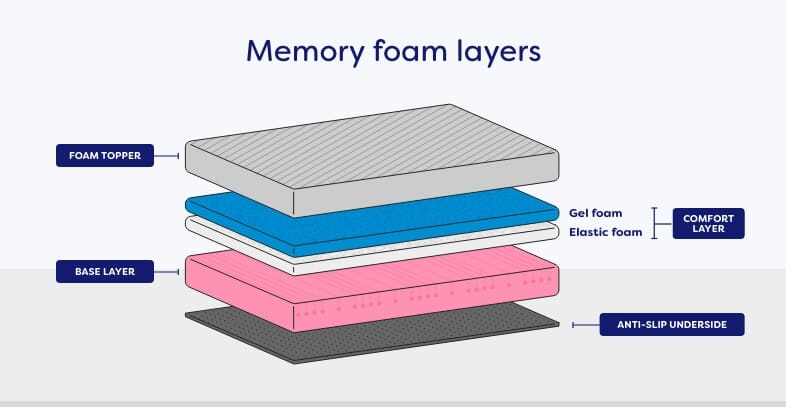
All-foam beds use layers of memory foam or polyfoam without any coils. Simpler construction keeps prices lower than hybrid options while still delivering excellent comfort.
These mattresses excel at pressure relief, making them ideal for side sleepers who need cushioning at hips and shoulders. Motion isolation is typically strong, which benefits couples who do not want to feel each other move throughout the night. Setup is straightforward since these beds are lighter than hybrids.
The drawbacks include heat retention if no cooling features are present, less bounce for combination sleepers who switch positions, and weaker edge support compared to hybrid designs.
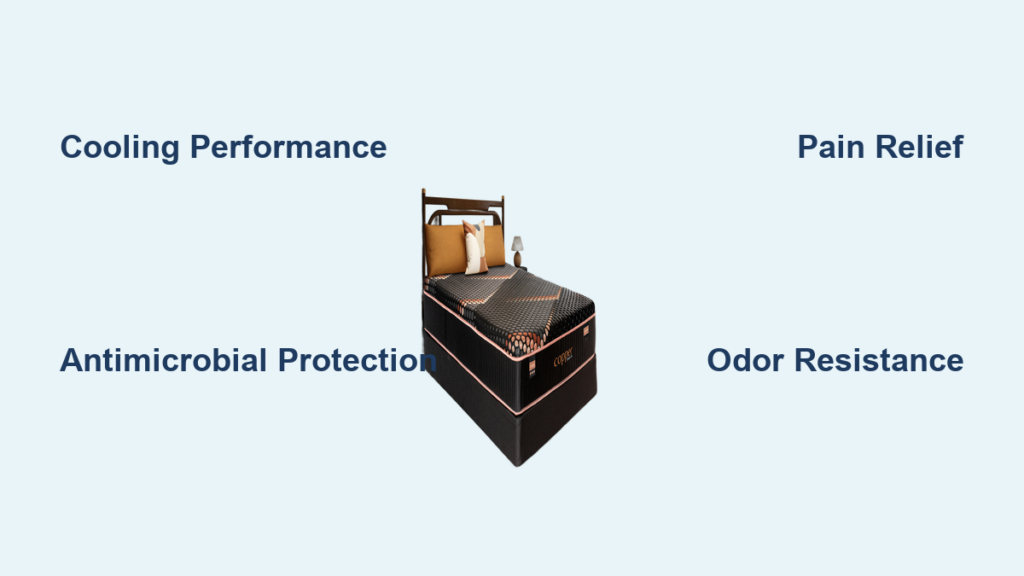
Top budget picks in this category include the Siena Memory Foam at $399 for teens or guest rooms, the SweetNight CoolNest at $400 featuring gel-infused foam for cooling, and the Brooklyn Bedding CopperFlex at $466 with an impressive 8.6 test score.
Hybrid Mattresses
Hybrid models combine pocketed coils with foam or latex comfort layers. They cost more than all-foam beds but deliver better airflow, more responsive feel, and stronger edge support.
The coil system adds durability since pocketed coils last longer than traditional innerspring coils. Temperature regulation improves significantly with the air flow between coils. Couples benefit from stable edges that do not collapse when sitting on the bed.
The downsides involve heavier weight making setup more difficult and slightly higher price points. However, budget hybrids under $700 deliver excellent performance.
Top budget picks include the DLX Essential at $700 scoring 9 out of 10 for edge support, the Silk & Snow Hybrid at $700 offering zoned support with a 365-night trial, and the Awara Natural Luxury Hybrid at $699 featuring organic cotton and natural latex.
Innerspring Mattresses
Traditional spring mattresses use steel coils with minimal padding on top. They remain widely available at stores like IKEA and Price Busters at very affordable prices.
The firm, bouncy feel appeals to those who prefer traditional mattresses. Airflow through the coils keeps the bed cool. Prices start lower than foam or hybrid options.
The trade-offs include thin comfort layers that create pressure points, poor motion isolation, and shorter overall lifespan compared to foam or hybrid construction.
Match Firmness to Your Sleep Style

Choose Firmness Based on Position
Side sleepers need medium to soft firmness between 4 and 6 on the 10-point scale. Softer surfaces cushion shoulders and hips, preventing joint pain and pressure buildup. The Nectar Classic at 6 out of 10 delivers 8.5 out of 10 for pressure relief.
Back sleepers should aim for medium firmness around 5 to 6. This provides balanced support while still offering enough cushioning for natural spinal alignment. The Leesa Original at 5 out of 10 works exceptionally well for combination sleepers.
Stomach sleepers require firmer support between 6 and 8. This prevents hips from sinking too deep, which strains the lower back. The Bear Original at 7 out of 10 includes gel-infused foam with a lifetime warranty.
Combination sleepers benefit from medium firmness around 5, allowing easy movement between positions without feeling stuck in the mattress.
Adjust for Body Weight
Your weight significantly affects how a mattress feels. Lighter individuals under 130 pounds sink more into softer beds, so medium to medium-soft options provide proper alignment. Most mattresses perform well for those between 130 and 230 pounds, with medium to medium-firm being ideal.
Heavier individuals over 230 pounds need firmer options between 6 and 8 to prevent excessive sagging that compromises support. Ultra-soft beds will bottom out quickly for heavier sleepers.
Avoid Durability Traps in Cheap Beds
Check Foam Density Before Buying
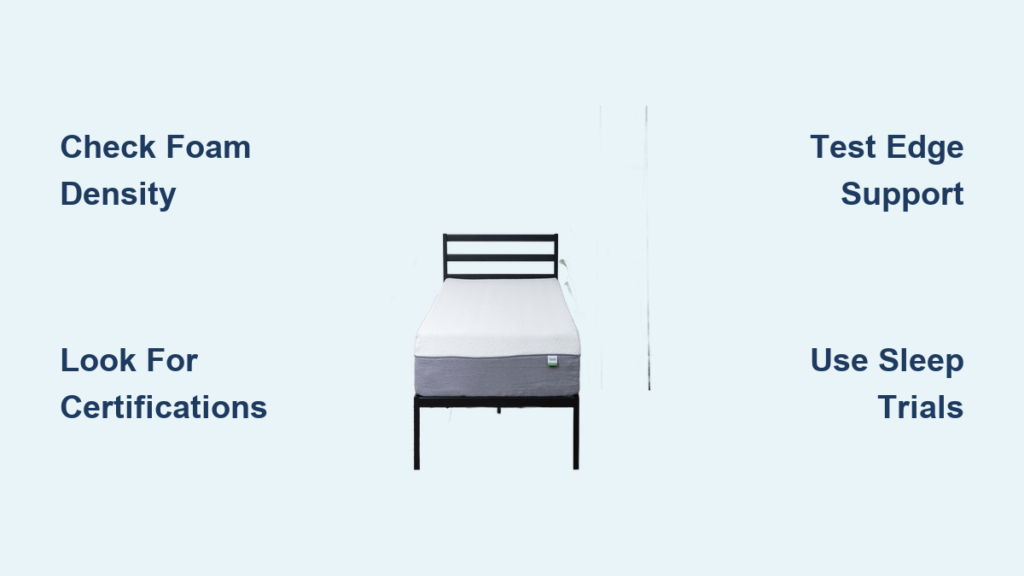
Foam density serves as the number one predictor of how long a mattress will last. High-density foam at 1.8 pounds per cubic foot or higher lasts 7 to 10 years and resists sagging. Medium-density between 1.5 and 1.7 provides average durability. Low-density below 1.5 breaks down quickly and commonly appears in sub-$300 models.
Always look for “high-density memory foam” in product specifications. If density is not listed, assume the mattress uses lower-quality materials.
Evaluate Coil Quality for Hybrids
Not all coils perform equally. Pocketed coils move independently, reducing motion transfer and lasting longer than linked coil systems. Bonnell coils represent an older design with less support and more noise.
Gauge thickness also matters. Lower gauge numbers indicate thicker, more durable coils. A 14-gauge coil is thicker and stronger than a 17-gauge option. The DLX Essential uses high-quality pocketed coils, earning 9 out of 10 for edge support.
Prioritize Strong Edge Support
Weak edges make getting in and out of bed difficult and reduce the usable sleeping surface. Reinforced foam or steel rails improve edge durability significantly. Budget hybrids like the DLX Essential score 9 out of 10 while most all-foam beds score 6 to 7.
Test edge support by sitting on the edge of any mattress. If it collapses or feels unstable, look elsewhere.
Read Warranty Terms Carefully
A long warranty signals manufacturer confidence in durability. Ten-year minimum coverage is standard. Lifetime warranties from brands like Bear indicate rare confidence in foam construction. Warranties cover sagging typically defined as 1 inch or more, plus manufacturing defects. They do not cover normal softening, stains, or damage from improper foundations.
Warranties under five years often reveal poor build quality. Always check what is actually covered before buying.
Use Performance Data to Compare Models
Lab-Tested Scores Reveal True Quality
Marketing claims rarely match real-world performance. Independent testing provides reliable comparison data across multiple categories.
The Brooklyn Bedding CopperFlex at $466 achieves an 8.6 overall test score with 9 out of 10 pressure relief, making it the best overall value. The SweetNight CoolNest at $400 delivers 9.5 out of 10 for pressure relief, outperforming many beds costing twice as much. The Nectar Classic at $649 scores 8.7 overall with an industry-leading 365-night trial and lifetime warranty. The DLX Essential at $700 earns 9 out of 10 for edge support, ideal for couples who share the bed.
The key insight is that price does not always reflect quality. Budget mattresses can outperform premium options in specific categories.
Shop Smart: Timing and Retailer Tips
Buy During Major Sales Events
Mattress prices rarely drop outside key holiday weekends. The best times to buy include Presidents’ Day, Memorial Day, July 4th, Labor Day, and Black Friday/Cyber Monday. Many brands stack discounts, offering 20% off plus free pillows or sheets.
Sign up for brand newsletters to receive early access to sales. Many companies send exclusive discount codes to subscribers before public announcements.
Choose the Right Retailer
Online brands typically offer the best value due to lower overhead costs. They provide sleep trials ranging from 100 to 365 nights, free returns, and direct shipping. Brooklyn Bedding offers a 120-night trial with 10-year warranty starting at $466. Nectar provides a 365-night trial with a forever warranty at $649. Siena includes a 180-night trial at $399.
Brick-and-mortar stores like IKEA and Price Busters allow in-person testing but offer fewer discounts and no sleep trials. Their advantage is immediate delivery and the ability to try before buying.
Avoid Harmful Chemicals in Budget Mattresses
Know What to Avoid
Cheap beds sometimes cut corners with toxic materials. Formaldehyde off-gasses and irritates lungs. Toluene acts as a neurotoxin. PBDEs are flame retardants linked to serious health issues. Fiberglass in some covers can escape and cause skin rashes or breathing problems.
Look for Safety Certifications
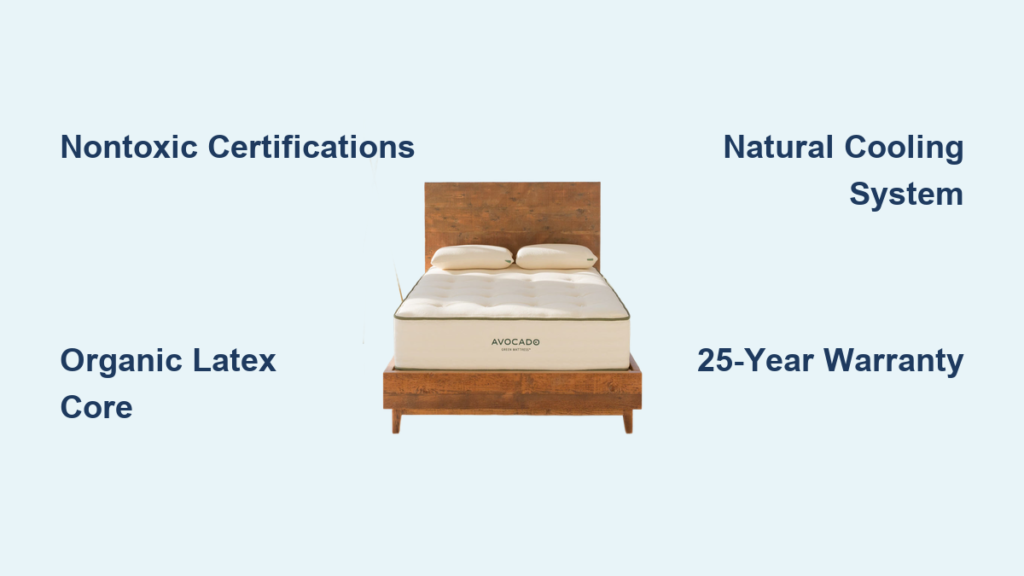
Third-party certifications ensure safer materials. CertiPUR-US verifies foam is free from ozone depleters, heavy metals, formaldehyde, and phthalates. GREENGUARD Gold certifies low emissions, making it safe for babies and pets. OEKO-TEX tests textiles for harmful substances. GOTS and GOLS certify organic cotton and latex.
The Bear Original includes CertiPUR-US certification plus an antimicrobial cover. The Awara carries GOTS and GOLS certifications with no fiberglass.
Maximize Trial and Warranty Benefits
Test Your Mattress Properly
Most brands require at least 30 nights before accepting returns. This adjustment period is necessary because your body needs time to adapt to a new sleep surface. Sleep on the mattress for at least three to four weeks in different positions. Note any pain, heat retention, or edge collapse.
Return processes vary by brand. Most offer free pickup and full refund. Some require a donation receipt or deduct shipping costs. Keep all packaging materials until the trial ends, as some brands require them for returns.
Protect Your Warranty
Always use a mattress protector. It is often a warranty requirement and protects against stains, moisture, and allergens that could void coverage. Use a supportive foundation with slats no more than 3 inches apart. Avoid old box springs unless specifically designed for your mattress type.
Rotate your mattress 180 degrees every three to six months to extend lifespan and even out wear. Most mattresses are not designed to be flipped, so rotation is the key maintenance step.
Upgrade Your Cheap Mattress for Better Comfort
Add a Mattress Topper
A topper transforms an uncomfortable bed into a custom sleep surface at a fraction of the cost of buying new. A 2-inch memory foam topper adds pressure relief. Latex toppers provide more responsiveness and cooler sleep. Cooling gel toppers reduce heat retention.
Topper costs range from $50 to $150, making them much cheaper than replacing the entire mattress.
Fix Sagging Issues
If your mattress sags despite being relatively new, add center support legs for queen or king-size frames. This simple fix prevents further sagging and extends the mattress life. Ensure your foundation has slats no more than 3 inches apart to provide proper support.
Best Cheap Mattresses: Final Recommendations
Brooklyn Bedding CopperFlex: Best Overall Value
At $466 for a queen, this medium-firm mattress delivers a test score of 8.6 out of 10. Pressure relief scores 9 out of 10, making it ideal for side and back sleepers between 130 and 230 pounds. CertiPUR-US certification ensures safe materials, and the 120-night trial allows risk-free testing.
Siena Memory Foam: Best Under $400
At $399, this is the lowest price among top-performing foam beds. Medium firm at 6 out of 10, it works well for teens, guest rooms, and budget-first buyers. The 180-night trial provides ample testing time.
SweetNight CoolNest: Best Cooling Under $500
Priced at $400, this mattress features gel-infused TempBounce foam achieving 9.5 out of 10 for pressure relief. Adjustable comfort options range from 4 to 6 firmness. Hot sleepers and side sleepers benefit most from its cooling technology.
Nectar Classic: Best for Side Sleepers
At $649, the medium-firm Nectar delivers 8.5 out of 10 pressure relief with excellent contouring. The 365-night trial is the longest in the industry, and the lifetime warranty provides rare long-term confidence.
DLX Essential Hybrid: Best for Couples
At $700, this firm mattress scores 9 out of 10 for edge support, the highest in the budget category. Superior cooling and minimal motion transfer make it ideal for couples and heavier sleepers who need stable edges.
Frequently Asked Questions About Finding a Cheap Mattress
What is the best cheap mattress for side sleepers?
The Nectar Classic at $649 delivers excellent pressure relief at 8.5 out of 10, making it ideal for side sleepers. The SweetNight CoolNest at $400 scores even higher at 9.5 out of 10 for pressure relief while offering superior cooling.
How much should I spend on a quality cheap mattress?
Plan to spend between $400 and $800 for a queen-size mattress. This range captures the sweet spot where quality, durability, and performance meet. Spending slightly more often means significantly better materials and longer lifespan.
Do cheap mattresses last as long as expensive ones?
Not always, but quality matters more than price. A well-constructed $600 mattress with high-density foam lasts longer than a poorly made $1,200 bed. Look for foam density of 1.8 pounds per cubic foot or higher and warranties of at least 10 years.
When is the best time to buy a mattress on sale?
Major holidays offer the deepest discounts. Presidents’ Day, Memorial Day, July 4th, Labor Day, and Black Friday/Cyber Monday typically feature 20% off or more plus free accessories. Sign up for newsletters to get early access to sales.
Are cheap mattresses safe to sleep on?
Safety depends on certifications, not price. Look for CertiPUR-US, GREENGUARD Gold, or OEKO-TEX labels. These certifications ensure the mattress is free from harmful chemicals like formaldehyde, PBDEs, and fiberglass. Many budget mattresses carry these certifications.
Key Takeaways for Finding Your Perfect Budget Mattress
Finding a cheap mattress that actually sleeps well comes down to prioritizing value over price. Focus on foam density of 1.8 pounds per cubic foot or higher, look for CertiPUR-US or GREENGUARD Gold certifications, and choose models with at least 10-year warranties. The sweet spot for price and performance falls between $400 and $800 for a queen-size mattress.
Use sleep trials to test risk-free. Brands like Nectar offer 365 nights to decide if the mattress works for you. Time purchases around major holidays for maximum savings, and do not ignore edge support if you share your bed or sit on the edge regularly.
With these strategies, you can find a mattress that delivers comfort, support, and durability without overspending. Your best night sleep does not have to cost a fortune.