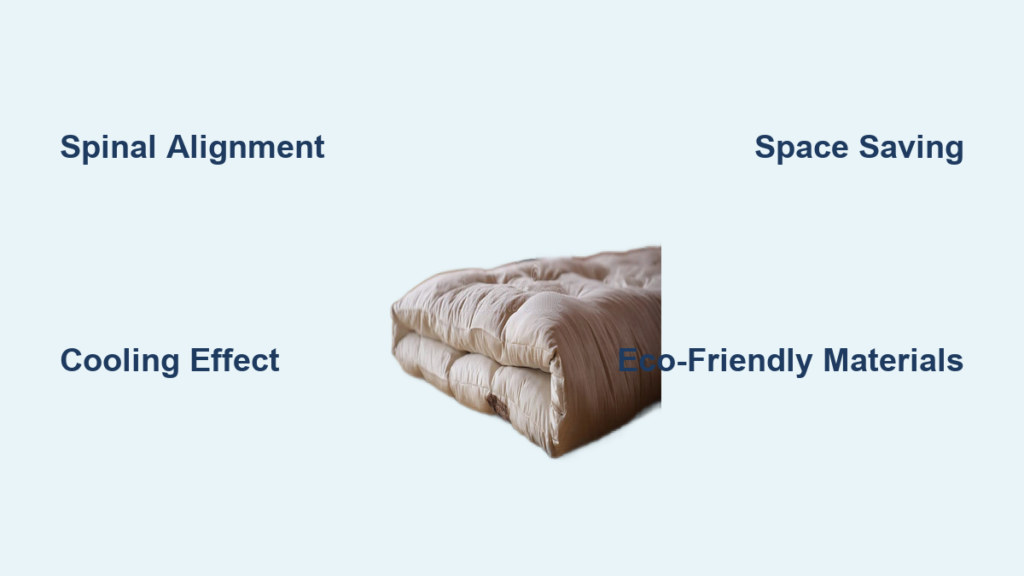
If your wool mattress topper feels flat or less springy than when you first bought it, do not worry. This is completely normal. Wool naturally compresses over time due to body weight and daily use, but with simple, natural care techniques, you can easily restore its plush loft, breathability, and comfort. In this guide, you will learn exactly how to fluff a wool mattress topper using proven methods that protect the fibers and extend its lifespan.
The key to keeping wool fluffy lies in daily habits and seasonal care. Regular airing, smart rotation, and occasional sun exposure do more than clean. They reactivate wool’s natural crimp and moisture-wicking ability. Avoid common mistakes like machine washing or using plastic covers, and stick to breathable cotton layers instead.
Daily Air-Out Routine
Wool thrives on air, not water. The most effective way to maintain fluffiness is through daily airing, which releases trapped moisture and reactivates the natural spring in the fibers.
Unmake Bed Each Morning
Start every day by pulling back your comforter, duvet, and top sheet to expose the wool topper. Let it breathe for 1 to 2 hours before remaking the bed. This simple habit allows moisture from nighttime perspiration to evaporate, preventing fiber compaction and mildew growth.
Wool can absorb up to 30 percent of its weight in moisture without feeling damp. However, if that moisture is not released, the fibers stay compressed and lose their bounce. Air circulation reactivates the natural spring in the wool, helping it regain loft.
Pro tip: Open a window or use a fan during airing to boost airflow, especially in cooler months when indoor humidity rises.
Rotate and Flip Weekly

To keep your topper evenly fluffy, rotate or flip it every time you change your sheets, typically once a week. This prevents body impressions from forming in the same spot and spreads wear across the entire surface.
Use the following rotation pattern:
- Week one: flip head-to-toe
- Week two: rotate side-to-side
- Every few months: flip upside-down if both sides are finished
If your topper has elastic corner straps, use them to grip the mattress and make turning easier. Always handle the topper gently. Avoid dragging or folding sharply, which can stress the fibers.
Visual cue: Check for visible dents or flattened areas. If you see them, increase rotation frequency or add extra fluffing steps.
Seasonal Sun Revival
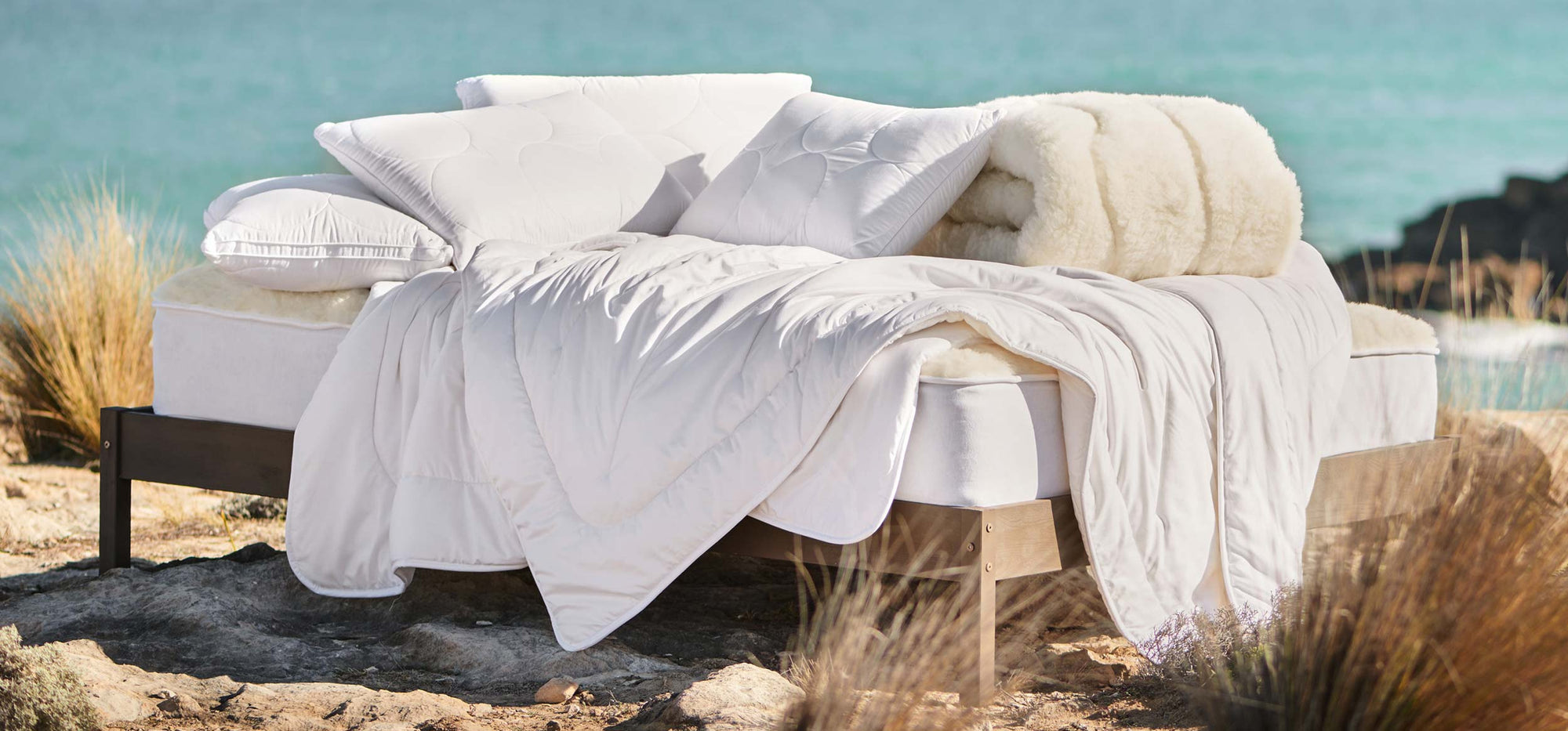
At least once every three months, give your wool topper a deep refresh with direct sunlight. Place it outside on a dry, sunny day. Lay it flat on a clean patio surface, drape it over a railing, or hang it over outdoor furniture.
Sunlight does four powerful things:
- Kills dust mites and bacteria naturally
- Neutralizes odors without chemicals
- Restores fiber loft by drying and re-energizing crimp
- Gently lifts stains without bleach or scrubbing
Aim for 3 to 6 hours of exposure, flipping the topper halfway through to treat both sides. Avoid leaving it out overnight or during damp weather.
Warning: Never expose wool to rain or high humidity while airing. Wet wool takes hours to dry and risks felting or musty smells.
Indoor Alternative for Cloudy Climates
If outdoor sun is not possible, place the topper near a dry heat source like a wood stove, radiator, or fireplace. Keep it at least 3 feet away. Do not use hairdryers, space heaters, or heating vents directly on the wool.
Let it sit for several hours with good air movement. Use a fan if needed. This mimics sun-drying effects by removing moisture and restoring fluff.
Care in Humid Environments
In high-humidity areas, wool can retain more moisture, leading to faster compaction and reduced bounce. Counter this by airing the topper more often. Consider monthly sun exposure instead of seasonal.
Additional steps for humid climates:
- Use a dehumidifier or fan in the bedroom daily
- Ensure bed frame slats are dry and mold-free
- Check surrounding materials that may harbor moisture
Even though wool resists mildew thanks to lanolin, constant dampness weakens fibers over time and reduces fluff retention.
Sign of trouble: A musty smell or cool, damp feel means immediate airing is needed. Do not sleep on a damp topper.
Spot Clean Stains Safely
Never soak or machine wash a wool topper. It will felt, shrink, and lose all loft. But small spills can be handled quickly and correctly.
Blot Immediately
At the first sign of a spill, use a clean, dry cloth to blot the area. Absorb as much liquid as possible before it soaks deep. Do not rub.
Clean With Wool-Safe Detergent
Mix a few drops of wool-specific cleaner with lukewarm water. Then follow these steps:
- Dip a sponge or cloth into the solution
- Dab gently on the stain without scrubbing
- Rinse by dabbing with a second cloth soaked in clean water
- Blot dry with a towel
Air Dry Completely
Place the topper in sunlight or a well-ventilated room until fully dry. This may take 12 to 24 hours. Speed drying with heat or fans is fine, but never trap it under bedding while still damp.
Critical: Wet wool fibers felt under pressure. Never sleep on a topper that is not 100 percent dry.
Avoid These Fluff-Killing Mistakes
Never Machine Wash
Agitation and water saturation cause wool fibers to tangle and felt, permanently flattening the topper. Even gentle cycles are too harsh.
Skip the Dryer
Tumble drying exposes wool to high heat and constant tumbling. This leads to shrinkage and fiber damage, resulting in a stiff, matted, lifeless layer.
Do Not Dry Clean
Chemical solvents strip lanolin, wool’s natural protective oil. They also leave toxic residues that compromise breathability, softness, and health benefits.
Avoid Plastic Storage
Storing wool in plastic bags traps moisture and leads to mustiness. It also blocks airflow, causing fibers to degrade and lose resilience.
Better choice: Use a breathable cotton storage sack or old pillowcase.
Use a Cotton Mattress Protector
Always place a 100 percent cotton mattress protector between your bottom sheet and the wool topper. Cotton allows airflow and wicks moisture without trapping heat, unlike waterproof or synthetic protectors that suffocate wool’s performance.
Follow this layering order:
- Fitted sheet on mattress
- Cotton protector over sheet
- Wool topper
- Top sheet and bedding
This setup protects against spills and sweat while preserving breathability and fluff.
Pro tip: Wash the protector weekly to prevent grime from seeping into the topper.
Store Wool Topper Properly
When switching to a summer topper or storing long-term, follow these steps to keep fluff intact:
- Air the topper in sunlight for 3 to 6 hours first
- Ensure it is fully dry and odor-free
- Fold loosely or roll gently, avoiding tight creases
- Place in a breathable cotton bag, never plastic
- Store in a cool, dry, ventilated space like a closet shelf
- Keep away from direct sunlight and pests
Before reusing, air it again for a few hours to reactivate the fibers.
Never stack heavy items on top of stored wool. This crushes the fibers and takes weeks to recover.
Fluffing Schedule at a Glance
| Frequency | Action | Purpose |
|---|---|---|
| Daily | Unmake bed, air 1 to 2 hours | Release moisture, restore loft |
| Weekly | Rotate or flip topper | Prevent uneven wear |
| Every 3 months | Sun-dry outdoors | Disinfect, deodorize, revive fluff |
| As needed | Spot clean only | Fix stains safely |
| Long-term | Store in cotton bag | Preserve fiber integrity |
Final Tips for Lasting Fluff
Wool responds to air, not aggression. Forget beating or shaking your topper. Wool does not need mechanical fluffing. Its natural crimp rebounds best through passive restoration: air, light, and time.
Invest in quality protection. A high-grade cotton protector and breathable sheets make a bigger difference than you think. They reduce cleaning needs and help maintain consistent fluff.
Know when it is time to replace. Even with perfect care, wool toppers last 5 to 7 years. Signs it is worn out include permanent dents that do not fluff up after airing, musty smell even after sun-drying, and visible thinning or fiber breakage.
Until then, stick to the routine: air daily, rotate weekly, sun-dry seasonally.
Frequently Asked Questions About Fluffing a Wool Mattress Topper
How often should I air my wool mattress topper?
Air your wool topper daily by unmaking the bed and letting it breathe for 1 to 2 hours. This releases trapped moisture and maintains fiber loft. For deeper refreshes, sun-dry the topper every three months.
Can I machine wash my wool mattress topper?
No. Machine washing causes wool fibers to felt and clump, permanently flattening the topper. Always spot clean only using wool-safe detergent, and never submerge the entire topper in water.
Does sunlight really help restore wool fluff?
Yes. Sunlight naturally deodorizes, disinfects, and revitalizes wool fibers by restoring loft and crimp. Place the topper outdoors in direct sunlight for 3 to 6 hours, flipping halfway through.
What is the best way to store a wool mattress topper?
Store the topper in a breathable cotton bag in a cool, dry, ventilated space. Always air and fully dry it before storing. Never use plastic bags, as they trap moisture and damage fibers.
How do I know if my wool topper needs replacing?
Replace your topper if you notice permanent dents that do not recover after airing, persistent musty odors even after sun-drying, or visible thinning and fiber breakage. With proper care, wool toppers typically last 5 to 7 years.
Key Takeaways for Fluffing Your Wool Mattress Topper
A wool mattress topper is not high-maintenance. It is differently maintained. By fluffing it the right way with air rather than water, you will enjoy a softer, cleaner, and more supportive sleep surface for years.
The three most important habits are daily airing to release moisture, weekly rotation to prevent uneven compression, and seasonal sun-drying to disinfect and restore fiber loft. Always avoid machine washing, tumble drying, dry cleaning, and plastic storage, as these permanently damage wool fibers.
Stick to natural methods, use a cotton mattress protector, and let wool do what it does best: breathe, regulate temperature, and bounce back. Your investment will reward you with years of comfortable, fluffy sleep.