Waking up with a stiff back, sore hips, or restless sleep? You’re not alone. An uncomfortable mattress is one of the top causes of poor sleep quality, but replacing it isn’t always necessary. In many cases, simple fixes like rotating your mattress, adding a topper, or upgrading your bed base can restore comfort and extend its life by years. The key is diagnosing the real cause: Is it the mattress itself, the foundation beneath it, or something else like your pillow or room temperature? This guide walks you through actionable, expert-backed steps to fix an uncomfortable mattress without overspending, and shows you when it’s time to finally replace it.
Diagnose the Real Cause First
Before spending money on fixes, confirm the mattress is actually the problem. Sometimes discomfort stems from your pillow, bedding, or room environment rather than the mattress itself.
Check for Structural Damage
Look for visible signs of wear that indicate your mattress may be beyond repair. Check for sagging deeper than 1.5 to 3 centimeters in the center or shoulder area. Look for permanent body impressions that don’t bounce back when you get up. Inspect for exposed springs or internal ridges poking through the fabric. Scan for lumps, tears, or uneven surfaces across the sleep surface. If any of these are present, the mattress may be too far gone for simple fixes.
Test for Foundation Issues
A weak base can make even a good mattress feel lumpy or soft. Remove the mattress and press on the slats or divan. If the frame sags under hand pressure, it’s contributing to discomfort. Inspect wooden slats for broken, bowed, or missing pieces that reduce support. Ensure slat spacing is no more than 7 centimeters. Wider gaps cause premature sagging and uneven support across the entire mattress surface.
Rule Out Environmental Factors
Sometimes discomfort has nothing to do with the mattress. A pillow that’s too high or too flat misaligns your neck and causes pain that feels like a mattress issue. Memory foam softens in heat, altering firmness perception in ways that seem like mattress failure. Synthetic sheets trap heat and increase tossing throughout the night. Cold rooms make foam feel firmer overnight, creating that excessively stiff feeling. Fix these hidden culprits first before investing in mattress repairs.
Add a Mattress Topper for Instant Relief
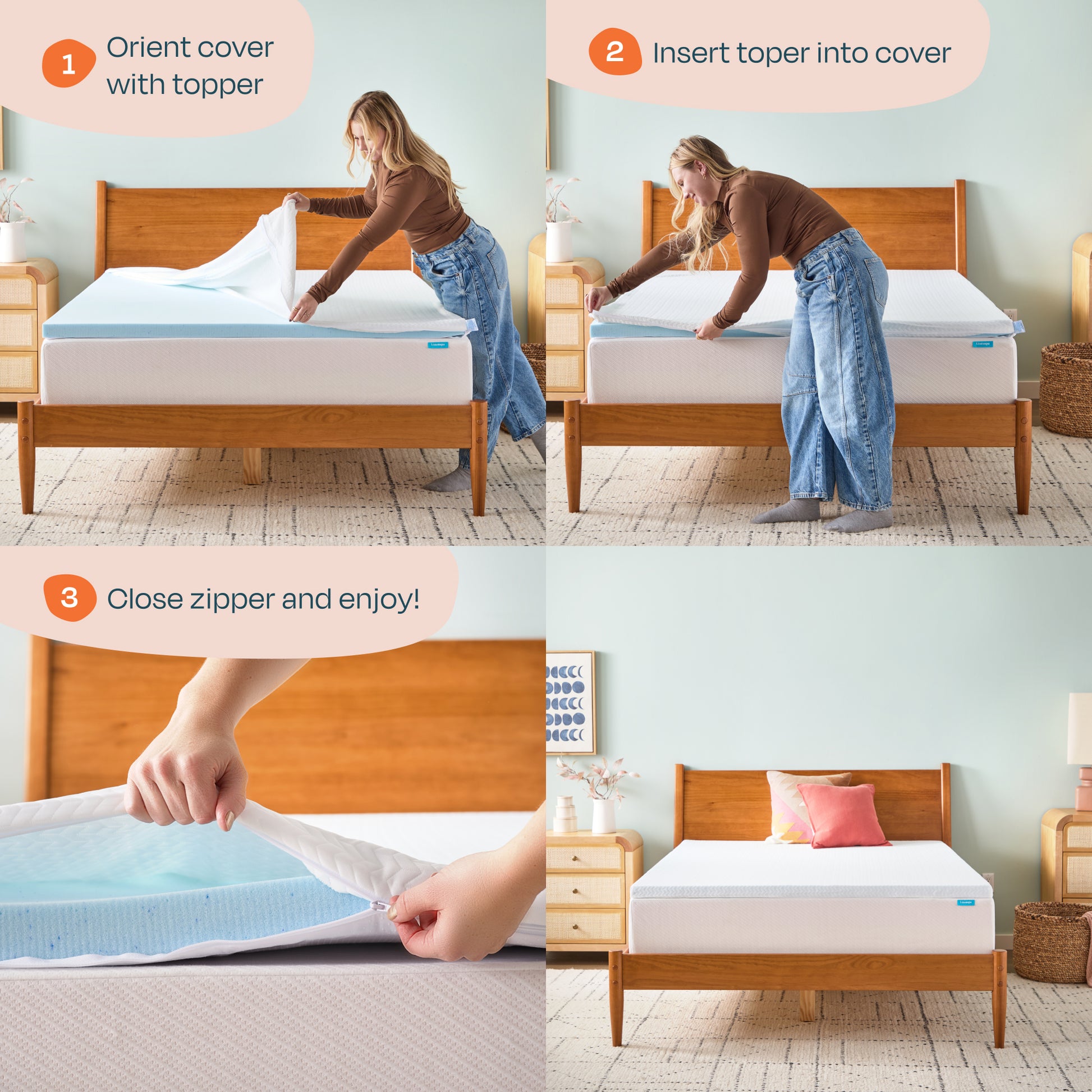
The fastest, most effective fix for an uncomfortable mattress is a quality topper. This is the single most effective non-replacement solution for altering firmness, adding pressure relief, or improving temperature regulation.
Choose the Right Material for Your Need
Different materials serve different purposes. Natural latex offers high resilience, pressure relief, and breathability, and it’s scientifically proven to increase deep sleep compared to standard memory foam. Gel-infused memory foam conforms closely to body contours, making it ideal for side sleepers and joint pain relief. Wool, bamboo, and latex regulate temperature naturally, perfect for hot sleepers. For budget fixes, egg crate foam or microfiber adds cushioning at low cost, though these compress faster and offer less support.
Pick the Correct Thickness
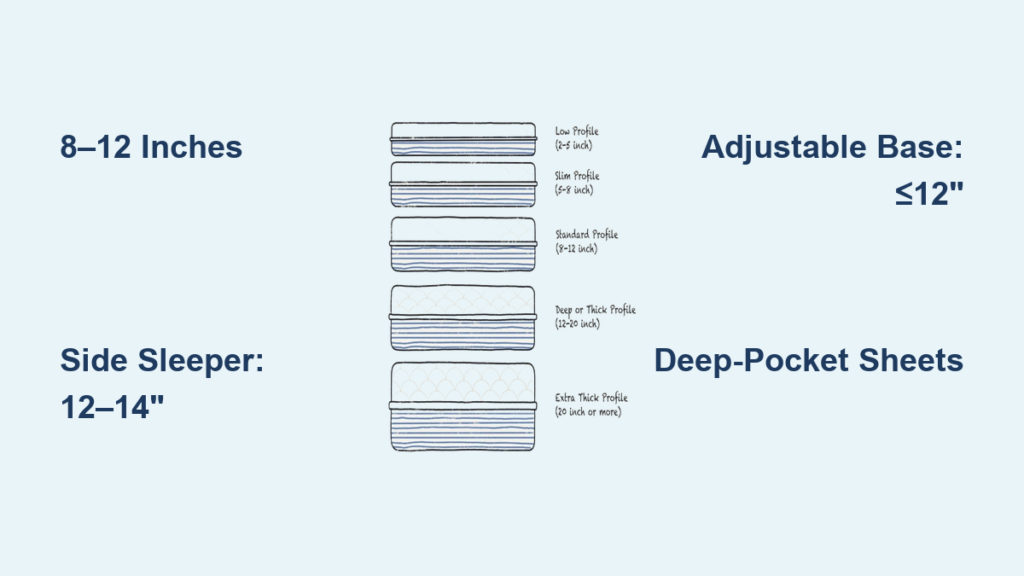
Minimum effective thickness is 2 inches for noticeable change. For heavier individuals or severe discomfort, 3 to 4 inches provides better pressure relief. Thicker toppers may require deep-pocket sheets of 16 inches or more. A topper won’t fix deep sags or broken springs, so only use this method if the mattress structure remains sound.
Secure It Properly
Use a non-slip pad underneath to prevent shifting. Opt for a fitted topper cover to keep everything in place. Washable covers add hygiene and extend the life of your topper investment.
Reinforce With a Plywood Board
For sagging caused by weak foundations, a support board works wonders. This budget fix can restore support without expensive replacements.
Install a ¾-Inch Plywood Layer
Cut furniture-grade plywood to match your mattress size. Place it directly on the slats or frame, under the mattress. Avoid MDF because it warps over time and provides only temporary support. This approach firms up soft spots and evens out support, especially effective for innerspring or hybrid models.
When This Fix Works Best
This method works best when slat gaps are wider than 7 centimeters. It helps with flexible or broken slats that can’t be immediately replaced. It addresses worn divan bases that have lost their structural integrity. It also helps when mattress softening occurs over time due to poor base support. The cost runs as low as $15 to $30, making it one of the most affordable solutions. Effectiveness is high for foundation-related sagging, though it serves as a temporary solution lasting 1 to 3 years.
Rotate or Flip Your Mattress Regularly
One of the simplest and free ways to restore comfort takes just a few minutes.
Rotate Every 3 to 6 Months
Spin the mattress 180 degrees so your head goes where your feet were. This evens out wear from consistent sleeping positions. It’s crucial if you sleep in the same spot every night, which creates uneven compression over time.
Flip Only If It’s Two-Sided
Check for “No Flip” labels. Most modern mattresses are one-sided and cannot be flipped. If unlabeled, the mattress may be flip-able. Flip and rotate together every 3 to 4 months for maximum lifespan. Two-sided mattresses like John Ryan brand models last up to 50 percent longer with proper flipping.
Upgrade Your Bed Base for Better Support
:max_bytes(150000):strip_icc()/platform-bed-vs-box-spring-5216570-5acea4bcf8f641d8a0c4e1a44e5ad321.png)
Even the best mattress fails on a poor foundation. The foundation is critical to mattress performance, and a poor base can make even a good mattress feel uncomfortable.
Fix Common Frame Problems
Replace broken slats individually for about $5 to $10 each. Add plywood or install tighter slats if spacing exceeds 7 centimeters. Upgrade from wobbly metal frames to solid wood or reinforced metal. Add center legs to queen and king frames to prevent bowing. Box springs provide minimal support and are unsuitable for memory foam or hybrid mattresses.
Use the Right Base Type
Platform-top divans provide solid, even support across the entire surface. Solid slats with spacing under 7 centimeters allow airflow while providing adequate support. Avoid box springs entirely for modern mattress types.
Try a Free Temporary Topper
Test comfort improvements before investing money. Use a duvet or blanket placed under the fitted sheet as a zero-cost alternative. Place a spare duvet, comforter, or Sherpa blanket under the fitted sheet for instant softness. This confirms whether a proper topper would work before spending money. This method works ideal for short-term fixes, guest rooms, or testing your comfort preferences.
Optimize Pillows and Bedding
Small changes in pillows and bedding can dramatically improve sleep comfort.
Match Pillow to Sleep Position
Side sleepers need high, firm pillows to bridge the gap between head and shoulder. Back sleepers require medium-height, contoured pillows to support the natural neck curve. Stomach sleepers need very low or flat pillows to prevent neck hyperextension. An incorrect pillow causes neck pain that feels like a mattress issue.
Upgrade Your Sheets and Duvet
Hot sleepers should choose bamboo, cotton, or TENCEL sheets for breathability. Cold sleepers benefit from flannel or wool-blend bedding for warmth. Allergy sufferers should opt for hypoallergenic, washable protectors. One hundred percent bamboo sheets soften over time and regulate temperature naturally.
Add a Quilted Mattress Protector
A quilted protector provides slight cushioning while protecting against spills, sweat, and allergens. Look for waterproof yet breathable materials like TENCEL or polyurethane laminate. Brands like Yorkshire Bedding offer durable, deep-pocket protectors that extend mattress life.
Improve Your Sleep Environment
Comfort isn’t just about the mattress. The whole sleep system matters, including your bedroom environment.
Set Ideal Room Conditions
Target a temperature between 60 and 69 degrees Fahrenheit. Keep humidity at 40 to 60 percent. Ensure complete darkness for optimal melatonin production. Maintain noise below 35 decibels. Memory foam firmness changes with temperature. Cold rooms make it harder, while hot rooms soften it significantly.
Use Sleep Hygiene Best Practices
Avoid screens one hour before bed. Keep a consistent sleep schedule. Limit caffeine after 2 PM. Wear breathable sleepwear like cotton or bamboo. Warm the bed with a hot water bottle for 10 minutes before sleep. This works great for stiff foam in winter months.
Clean and Maintain the Mattress
A dirty or odorous mattress feels uncomfortable even if structurally sound.
Deep Clean Monthly
Vacuum both sides using an upholstery attachment. Spot clean stains with mild soap and water, blotting rather than scrubbing. Deodorize with baking soda by sprinkling generously, waiting 1 to 24 hours, then vacuuming thoroughly. Use enzyme cleaners for urine or sweat stains. Air the mattress in indirect sunlight to kill dust mites if possible.
Maintain Regularly
Wash bedding weekly to reduce allergens and sweat buildup. Use a hypoallergenic protector to shield the mattress surface. Rotate every 3 to 6 months to distribute wear evenly.
Know When to Replace the Mattress
No fix works forever. Here is when to let go and invest in a replacement.
Clear Signs It’s Time to Replace
Replace if sagging exceeds 1.5 to 3 centimeters. Replace if you feel or hear springs through the top layer. Replace if morning pain improves during the day but returns nightly. Replace if allergies worsen at night. Replace if the mattress is over 8 to 10 years old, especially one-sided foam models. Replace after body changes like weight gain, pregnancy, or new chronic pain conditions.
Average Lifespan by Type
Two-sided natural fiber mattresses last 15 or more years. Organic latex and hybrid models last up to 25 years. One-sided foam and synthetic mattresses last 5 to 7 years. If a topper, board, and pillow changes don’t help, replacement is likely needed.
Choose the Right Replacement Mattress
If upgrading, do it right to avoid repeating past mistakes.
Match Spring Tension to Weight
Medium tension with 1.4 millimeter wire supports up to 224 pounds. Firm tension at 1.6 millimeter wire suits 224 pounds and above. Extra firm at 1.9 millimeter wire works for 280 pounds and above. Spring tension, not comfort layers, determines actual support.
Pick Upholstery Based on Need
Wool offers soft to medium feel with excellent temperature regulation. Latex provides medium to firm feel with durability and support. Memory foam gives medium to firm feel with pressure relief. Horsehair delivers medium feel with resilience. Bamboo provides super soft feel for cooling and eco-friendly benefits.
Check for Quality Construction
Look for two-sided design that allows flipping. Choose hand-tufting over glued layers for better quality. Select reinforced edge stitching to prevent roll-off. Expect a full 8 to 10 year warranty, not proportional coverage. Avoid proportional warranties that degrade annually.
Final Checklist: Fix or Replace?
Use this quick decision tree to determine your next step. Is the mattress over 8 years old? Then it’s likely time to replace. Is sagging over 1.5 inches or are springs poking through? Then replace. Do you feel pain only at home but not elsewhere? Then try fixes first. Are you using a weak base or broken slats? Then repair the foundation. Have you tried a topper and new pillow? If still uncomfortable, upgrade to a new mattress.
Frequently Asked Questions About Fixing an Uncomfortable Mattress
Can I fix an uncomfortable mattress without buying anything?
Yes. Try flipping and rotating a two-sided mattress. Use a spare duvet as a temporary topper. Repair broken slats or clean the mattress surface. These free methods often provide noticeable improvement.
How long should a mattress last?
High-quality two-sided mattresses with natural fibers last 15 or more years. One-sided foam or synthetic mattresses last 5 to 7 years. Most mattresses need replacement within 8 to 10 years.
Is a mattress topper as good as a new mattress?
No. A topper enhances a sound mattress but cannot fix broken springs, eliminate deep sags over 3 centimeters, or reverse structural degradation. Think of it as fine-tuning, not rescuing a failing mattress.
Why does my back hurt in the morning but feel better later?
This is a classic sign of poor spinal support. The mattress fails to keep your spine neutral during sleep, causing muscle strain. Pain eases as you move and warm up during the day.
Can the wrong pillow make my mattress feel uncomfortable?
Yes. A pillow that’s too high, too low, or mismatched to your sleep position causes neck and shoulder pain, disrupts spinal alignment, and makes the entire bed feel wrong even with a good mattress.
How thick should a mattress topper be?
Minimum thickness should be 2 inches for noticeable change. For heavier individuals or pain relief, 3 to 4 inches works best.
Key Takeaways for Fixing Your Uncomfortable Mattress
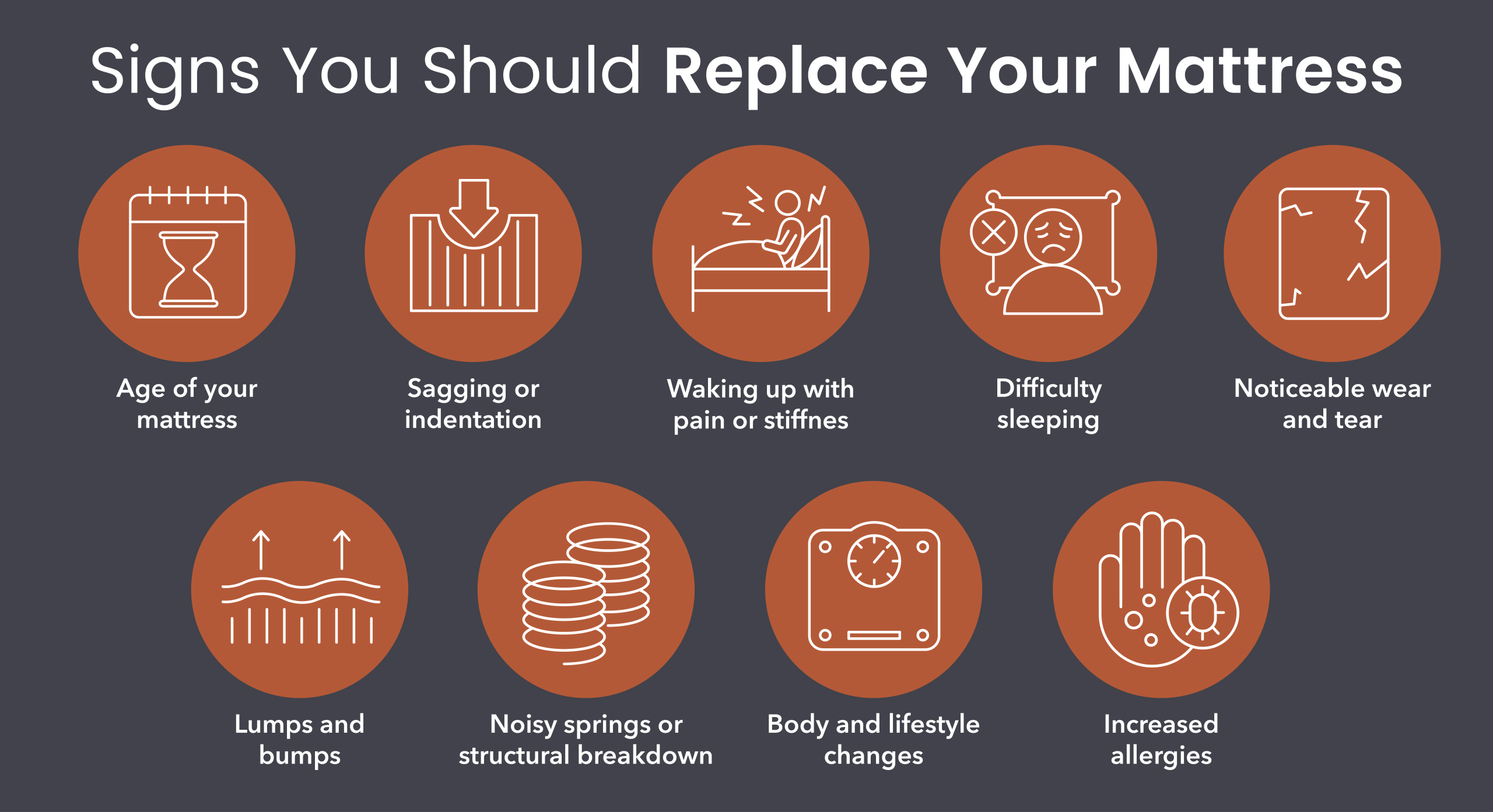
Most uncomfortable mattresses can be improved without buying a new one. Start with free fixes: rotate the mattress, test a duvet as a temporary topper, and check your pillow. Then invest in a quality latex or gel topper, reinforce the base with plywood if needed, and upgrade your bedding. Only when persistent pain, deep sagging, or age over 10 years persist should you replace. With the right approach, you can sleep better tonight without breaking the bank. The diagnosis matters most. Determine whether the mattress, foundation, pillow, or environment is the real culprit before spending money on solutions that won’t address the root cause.