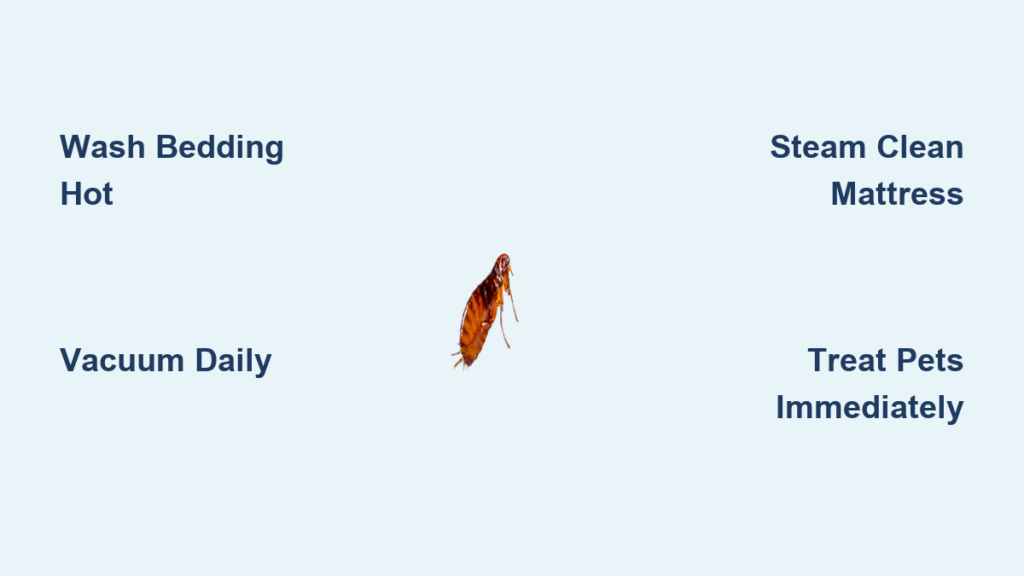
Finding fleas in your mattress can turn a peaceful night’s sleep into an itchy, restless ordeal. These tiny pests don’t just live on pets. They thrive in the seams, crevices, and fabric layers of your bed, feeding at night and leaving behind bites, flea dirt, and eggs. If you’re wondering how to get fleas out of a mattress, you’re dealing with a frustrating but solvable problem. The good news? With the right approach, you can eliminate fleas completely.
This guide delivers a step-by-step, science-backed strategy to kill fleas at every life stage—egg, larva, pupa, and adult—while protecting your health and preventing reinfestation. You’ll learn how to identify flea signs, use safe yet powerful treatments, and implement long-term prevention so your bed stays flea-free for good.
Confirm Flea Infestation Before Treatment
Before treating your mattress, confirm that fleas are the culprit. Misidentification leads to wasted effort and persistent infestations. Bed bugs and dust mites require different treatments, so knowing exactly what you’re dealing with is crucial.
Identify Flea Bites on Your Body
Flea bites typically appear as small, red, itchy bumps clustered on the ankles, feet, and lower legs. Unlike bed bug bites, which often show up on arms and neck, flea bites concentrate on the lower body. Bites may form straight lines or groups of three, commonly called “breakfast, lunch, and dinner.” Some people develop allergic reactions, including swelling or hives, due to sensitivity to flea saliva.
Check for Flea Dirt on Sheets
One of the most reliable signs is flea dirt—tiny black specks resembling ground pepper on your sheets or mattress. To verify, place the specks on a damp white paper towel. If they turn reddish-brown, it’s digested blood. This is definitive proof of fleas.
Look for Eggs and Cast Skins
Flea eggs are white, oval, and about 0.5 mm long, often mistaken for dandruff. They fall into mattress seams and bedding. Cast skins are translucent, tube-like fragments shed during larval molting and harder to see without a magnifying glass. Both indicate an active infestation.
Strip and Wash All Bedding in Hot Water
Eliminating fleas starts with removing and sanitizing all fabric near the mattress. This step targets fleas at all life stages hiding in your bedding.
Remove Every Layer of Bedding
Take off sheets, pillowcases, blankets, duvet covers, mattress protectors, and even decorative throws. Fleas and eggs hide in folds and seams, so nothing should be overlooked. Even items that look clean likely harbor pests.
Wash at 60°C (140°F) Minimum
Use the hottest water setting your fabrics allow. This temperature kills all flea life stages. Add detergent and consider a color-safe bleach or vinegar rinse to boost elimination power.
Dry on High Heat for 30+ Minutes
Tumble dry on high heat for at least 30 minutes. The combination of heat and tumbling is lethal to fleas. Afterward, clean the lint filter. It may contain dead fleas or eggs.
Pro Tip: Repeat washing every 3–4 days during treatment. Newly hatched fleas from surviving eggs will be caught in the next cycle.
Vacuum the Mattress Deeply and Daily
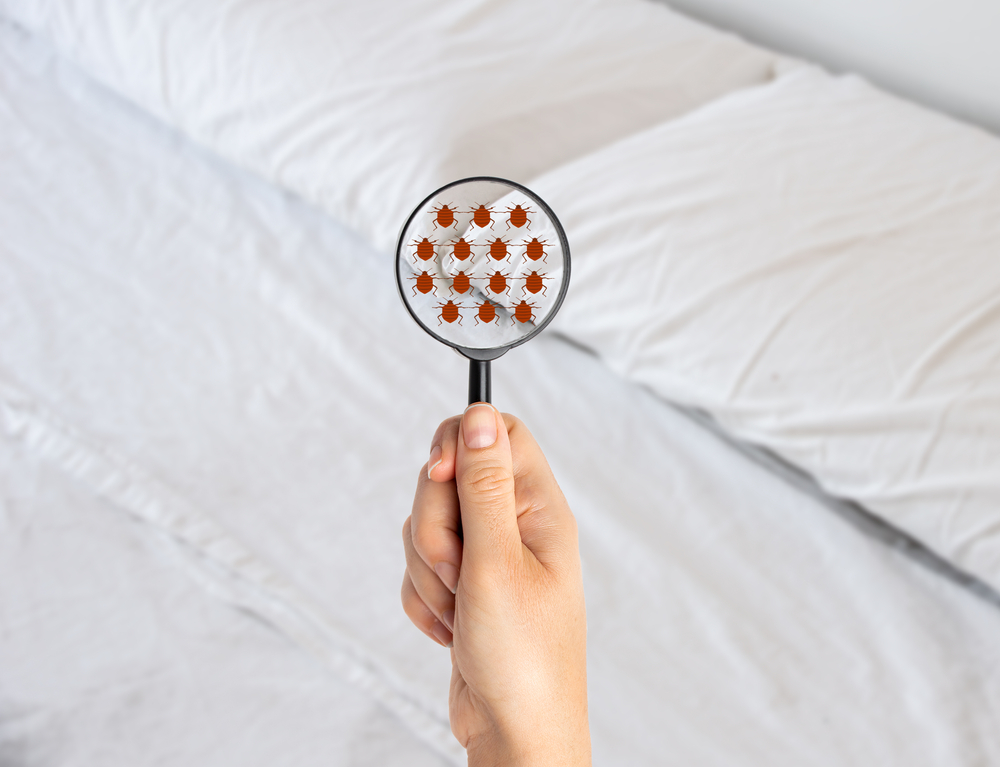
Vacuuming is one of the most effective non-chemical ways to remove fleas, especially eggs and larvae. This mechanical action physically removes pests and disrupts their habitat.
Focus on Seams, Edges, and Tufts
Use a vacuum with a HEPA filter and upholstery attachment. Slowly go over the entire mattress surface, paying close attention to seams, gussets, and tufted areas where fleas hide. Flip the mattress if possible and vacuum the other side.
Don’t Skip the Bed Frame and Floor
Fleas spread beyond the mattress. Vacuum the headboard, base, box spring, and floor underneath. Extend to nearby carpets, rugs, and baseboards. Larvae love dark, undisturbed spaces.
Empty Vacuum Immediately Outside
Fleas can survive inside vacuum bags or canisters for up to two weeks. After each session, seal the contents in a plastic bag and dispose of it in an outdoor trash bin.
Warning: Skipping this step risks reinfesting your home.
Steam Clean the Mattress at 54°C+
Heat kills fleas instantly. Steam cleaning penetrates deep where sprays cannot reach, making it one of the most effective treatments available.
Use a Steam Cleaner with Upholstery Nozzle
Set your steam cleaner to emit vapor above 54°C (130°F). This temperature kills adult fleas and larvae. Pass the nozzle slowly across the mattress, especially along seams and crevices.
Allow 2–4 Hours to Dry Fully
A damp mattress breeds mold. Open windows, use fans, or run a dehumidifier to ensure complete drying before remaking the bed.
Caution: Steam may trigger premature hatching of some eggs. Always combine steaming with other treatments like diatomaceous earth or sprays.
Apply Safe Flea-Killing Treatments

Chemical or natural, choose a treatment that kills fleas without risking your health. The key is using products specifically designed for mattresses.
Use Food-Grade Diatomaceous Earth (DE)
Diatomaceous earth is a non-toxic powder made of fossilized algae. It kills fleas by slicing their exoskeleton and drying them out. Here is how to apply it:
- Lightly dust DE into mattress seams and crevices using a duster or spoon
- Wait 12–48 hours, then vacuum thoroughly
- Wear a mask during application to avoid inhalation
- Use only food-grade DE—pool-grade is toxic
Note: DE does not kill eggs but kills hatched larvae and adults effectively.
Spray with Insect Growth Regulator (IGR) Products
Flea sprays with IGRs like methoprene or pyriproxyfen stop eggs and larvae from maturing. Recommended options include Itch Flea House Spray or similar mattress-safe formulas. Spray lightly on the mattress surface and seams. Let dry completely (2–4 hours) before use. Keep pets and children away during treatment.
Try Vinegar and Salt for Mild Infestations
For light cases, mix equal parts white vinegar and water in a spray bottle. Spray the mattress, then sprinkle fine salt to desiccate fleas. Vacuum after 12 hours.
Reality Check: Natural methods are less effective than DE or IGR sprays for heavy infestations.
Treat Your Pets Immediately
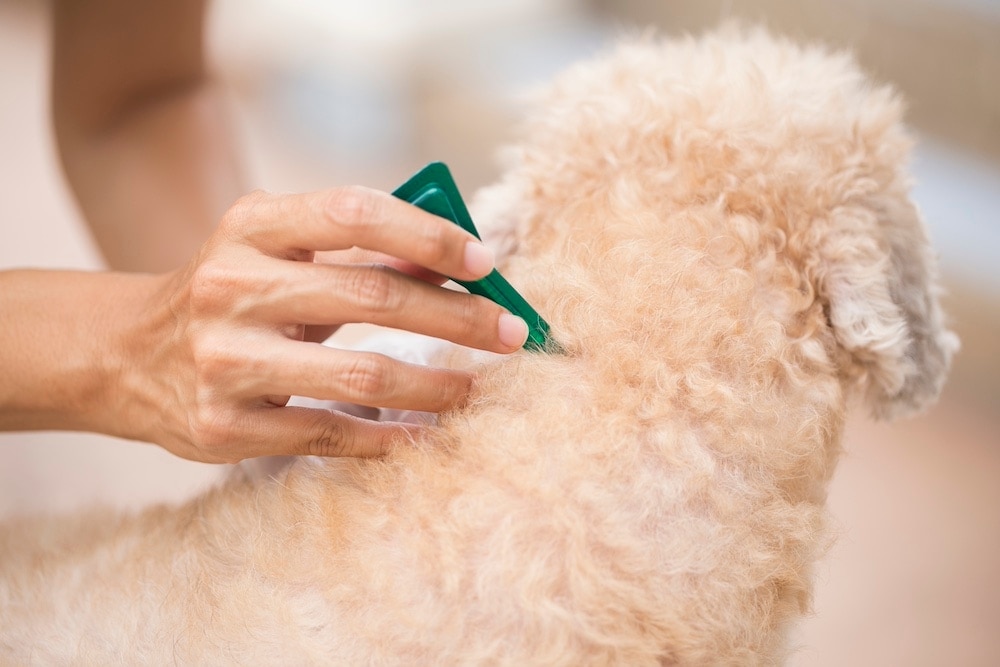
Pets are the number one source of mattress fleas. Untreated pets mean guaranteed reinfestation. This step is non-negotiable for successful elimination.
Apply Topical Flea Treatments
Products like Frontline Plus or Advantage are applied monthly to the back of the neck. They kill adult fleas and often include IGRs to stop egg development. These treatments work within 24–48 hours and are waterproof and long-lasting.
Use Oral Flea Medications
NexGard (dogs) or Capstar are fast-acting chewable tablets that kill fleas within hours. Capstar provides immediate relief for existing infestations. NexGard offers monthly prevention. Some oral medications require a prescription, so consult your vet.
Wash Pet Bedding in Hot Water
All pet beds, blankets, and toys must be washed in hot water and dried on high heat. Treat outdoor kennels or resting spots too. This eliminates the flea reservoir in your home.
Treat the Entire Bedroom and Home
Fleas spread fast. If your mattress has fleas, other areas likely do too. A comprehensive approach prevents reinfestation.
Vacuum Carpets and Upholstery Daily
Flea larvae hide in carpet fibers and furniture. Vacuum every day for the first week, then 2–3 times weekly. Focus on areas where pets sleep.
Steam Clean Carpets and Furniture
Use the same steam cleaner on rugs, sofas, and curtains. Focus on areas where pets sleep. This kills larvae hiding in soft furnishings.
Use Flea Foggers for Whole-Room Treatment
For widespread infestations, flea foggers release insecticides and IGRs into the air. Cover electronics and food. Remove pets and people. Ventilate thoroughly before re-entering (2–4 hours).
Warning: Foggers can be flammable. Follow label instructions exactly.
Apply Flea Powder to Baseboards
Sprinkle flea powder along baseboards and under furniture. Let sit for 1–2 days, then vacuum. Avoid powders with harsh chemicals if you have kids or pets.
Repeat Treatments Every 7–14 Days
Flea eggs can remain dormant for weeks. A single treatment will not break the cycle. Consistency is key to success.
Follow a Six-Week Elimination Schedule
Week one involves washing bedding, vacuuming, steaming, and applying DE or spray. Week two requires repeating vacuuming and spot-treating the mattress. Weeks three through six continue weekly cycles of washing, vacuuming, and monitoring. This ensures that newly hatched fleas are killed before they mature and lay more eggs.
Monitor with Flea Traps
Place a light-based sticky trap near the bed overnight. A lamp shines on a sticky pad. Fleas are attracted to warmth and light. Check daily for captured fleas.
Success Signal: No fleas caught for two consecutive weeks means the infestation is gone.
Replace the Mattress If Necessary
In severe cases, cleaning is not enough. Knowing when to cut your losses saves time and frustration.
Signs You Need a New Mattress
Consider replacement if fleas persist after six weeks of consistent treatment. Also look for visible larvae, mold, or deep staining. If the mattress is older than 7 years or has tears where pests hide, replacement is wise.
How to Dispose of an Infested Mattress
Seal the mattress in plastic wrap before removal. Label it as “infested” to prevent reuse. Do not donate—fleas can spread to new homes.
Fresh Start: Buy a new mattress with tight-weave fabric and immediately cover it with a zippered protector.
Prevent Future Flea Infestations
Stopping fleas before they start is easier than eliminating them. A few simple habits keep your bed pest-free.
Use a Zippered Mattress Protector
A flea-proof, waterproof mattress cover acts as a barrier. It prevents fleas from entering seams, is easy to wipe clean, and reduces allergens and spills.
Top Pick: Purple Waterproof Mattress Protector is durable, quiet, and fully sealed.
Wash Bedding Weekly
Make hot water washing a habit, even after fleas are gone. This catches stray eggs or newly introduced fleas early.
Maintain Pet Flea Prevention
Use monthly treatments (topical, oral, or collar). Groom pets weekly with a flea comb. Bath pets after outdoor trips to parks or wooded areas.
Control Home Environment
Vacuum 2–3 times weekly if pets live indoors. Seal cracks and gaps in floors and walls. Avoid secondhand furniture unless cleaned thoroughly. Use natural deterrents like cedarwood pellets or rosemary sachets near pet zones.
Know the Difference: Fleas vs Bed Bugs
Mistaking fleas for bed bugs leads to wrong treatments. Knowing the difference saves time and money.
Fleas Jump; Bed Bugs Crawl
Fleas can leap up to 6 inches high. If you see jumping insects, it is fleas. Bed bugs crawl and hide in crevices.
Bite Locations Reveal the Culprit
Flea bites appear on ankles and legs. Bed bug bites appear on arms, neck, and face.
Host Preference Differs
Fleas prefer pets and bite humans secondarily. Bed bugs feed only on humans.
Health Risk: Fleas can transmit tapeworm, plague, or typhus. Bed bugs do not spread disease but cause itching and sleep loss.
Call a Pest Control Pro If Needed
Some infestations require expert help. Knowing when to call a professional prevents prolonged suffering.
When to Seek Professional Help
Call a pro if fleas remain after 6 weeks of home treatment. Also seek help if you suspect rodents or wildlife are bringing fleas indoors. Professional treatment is warranted if multiple rooms are affected or family members have severe allergic reactions.
What Professionals Use
Pros use industrial-strength insecticides, thermal heat treatments (whole-room heating to 55°C+), and inspection tools to find hidden hotspots.
Cost: $150–$500 depending on home size. Worth it for stubborn cases.
Frequently Asked Questions About Getting Fleas Out of a Mattress
How long does it take to get fleas out of a mattress?
Eliminating fleas completely takes 4–6 weeks. This is because the flea life cycle spans egg, larva, pupa, and adult stages. Single treatments fail because eggs can remain dormant and hatch later.
Can fleas live in a mattress without pets?
Yes, but not for long. Adult fleas can survive only 1–2 weeks without a host. However, they can be introduced through clothing, secondhand furniture, or wildlife. Once on a mattress, they find warmth and darkness ideal for breeding.
Does steam cleaning kill fleas in a mattress?
Steam cleaning kills adult fleas and larvae at temperatures above 54°C (130°F). It penetrates deep into fabric layers where sprays cannot reach. However, steam may trigger premature hatching of some eggs, so combine it with other treatments.
Is diatomaceous earth safe for mattresses?
Food-grade diatomaceous earth is safe for mattresses when used correctly. It kills fleas by slicing their exoskeleton and causing dehydration. Avoid pool-grade DE, which is toxic. Wear a mask during application to prevent inhalation.
Should I throw away my mattress if it has fleas?
Only throw away the mattress if fleas persist after 6 weeks of consistent treatment and the mattress is heavily soiled or damaged. Most infestations can be eliminated with proper cleaning and treatment. If you do replace it, use a zippered protective cover on the new mattress.
Key Takeaways for Eliminating Mattress Fleas
Fleas in your mattress come from pets, secondhand items, or wild animals. They cannot survive long without a host, but they reproduce rapidly. By combining heat, vacuuming, targeted treatments, and pet control, you can eliminate them in 4–6 weeks.
The secret to lasting results is consistency and prevention. Strip and wash all bedding in hot water at least every 3–4 days during treatment. Vacuum daily and empty the canister outside immediately. Steam clean the mattress and apply diatomaceous earth or IGR sprays. Treat your pets with vet-approved medications simultaneously.
Keep bedding clean, use a protective cover, and maintain pet flea prevention year-round. Your bed should be a sanctuary, not a breeding ground. If the infestation persists after six weeks of dedicated treatment, call a professional pest control service for help.