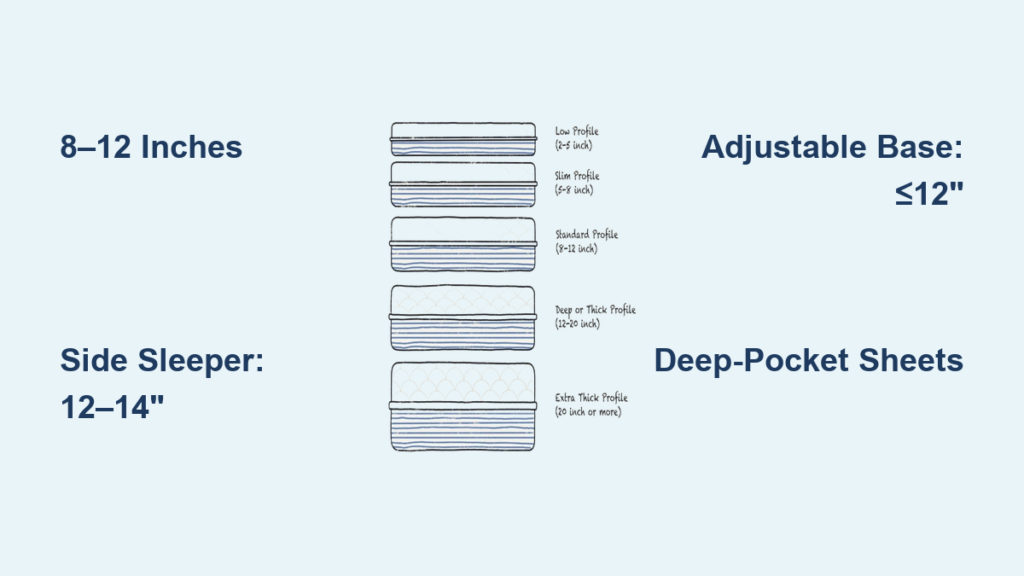

Moving a latex mattress can feel like tackling a heavy, sensitive piece of equipment because that’s exactly what it is. Unlike traditional innerspring or memory foam beds, latex mattresses are dense, heavy, and prone to damage from UV light, moisture, and prolonged compression. But here’s the good news: with the right approach especially if you own a modular design you can move your latex mattress safely, even solo. This guide walks you through every step, from disassembly and packing to transport, storage, and proper reassembly.
Identify Your Latex Mattress Type Before Moving
The first step in moving a latex mattress is understanding its construction, because this single factor determines your entire moving strategy.
Modular vs. Non-Modular: Why It Matters
A modular latex mattress features unglued layers enclosed in a zippered cover, allowing you to separate and handle each component individually. A non-modular mattress has all layers glued together into a single solid unit that must be moved as one piece.
A modular queen-size mattress might weigh 120 pounds total, but split into three 30-pound layers, one person can easily manage each piece. A glued queen-size mattress stays at a full 120 pounds and requires two to four people along with heavy-duty equipment like a dolly.
Pro Tip: If you anticipate moving in the future, modular designs are worth the investment for easier relocation.
Disassemble and Pack Modular Latex Mattresses
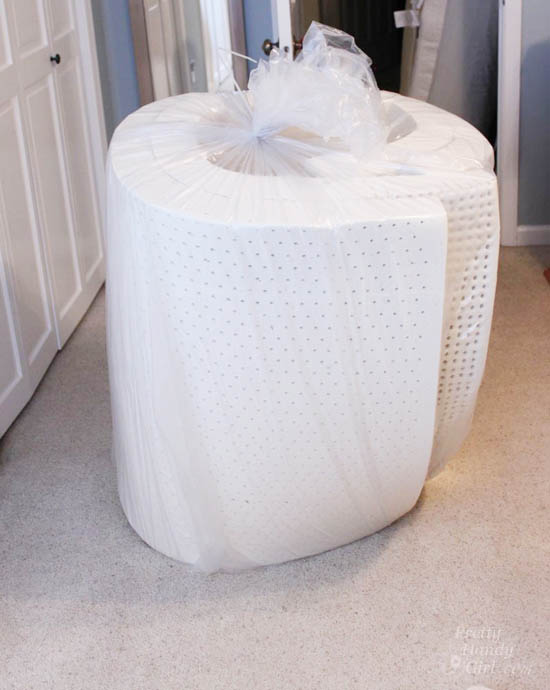
For zippered, layer-based latex beds, taking apart your mattress before moving is the smartest move you can make.
Remove the Cover System
Start by laying your mattress flat on a clean surface. Unzip the organic cotton or wool cover completely, then fold it neatly and place it inside a laundry bag or breathable storage sack. Label the bag clearly with the contents and mattress size to avoid confusion during reassembly.
Never drag the cover across rough surfaces, as wool blends can snag and tear easily.
Handle Each Latex Layer Separately
Each three-inch latex layer weighs between 20 and 30 pounds. Work methodically through these steps:
- Fold the layer lengthwise, bringing one long edge to meet the other.
- Roll the layer tightly from head to foot.
- Slide the roll into a heavy-duty trash bag, never taping directly to the latex foam.
- Seal the bag with tape at the top, ensuring no tape touches the foam itself.
Alternative Protection Method: Wrap the rolled layer in pallet wrap with one and a half turns, then place it inside a vacuum-seal bag. Add a plastic tube over the sealed package for extra rigidity during transport.
Box and Label Each Component
Place each bagged roll into a large moving box, filling empty space with soft items like pillows or towels. Label every box with specific information:
- Layer position (Bottom, Middle, Top)
- Firmness level (Firm, Medium, Soft)
- Mattress size (Queen, King)
Smaller boxes mean lower shipping costs if you decide to mail any components.
Move Non-Modular Latex Mattresses Safely
Glued latex mattresses cannot be broken down, so moving them demands proper equipment and enough helping hands.
Gather Essential Equipment
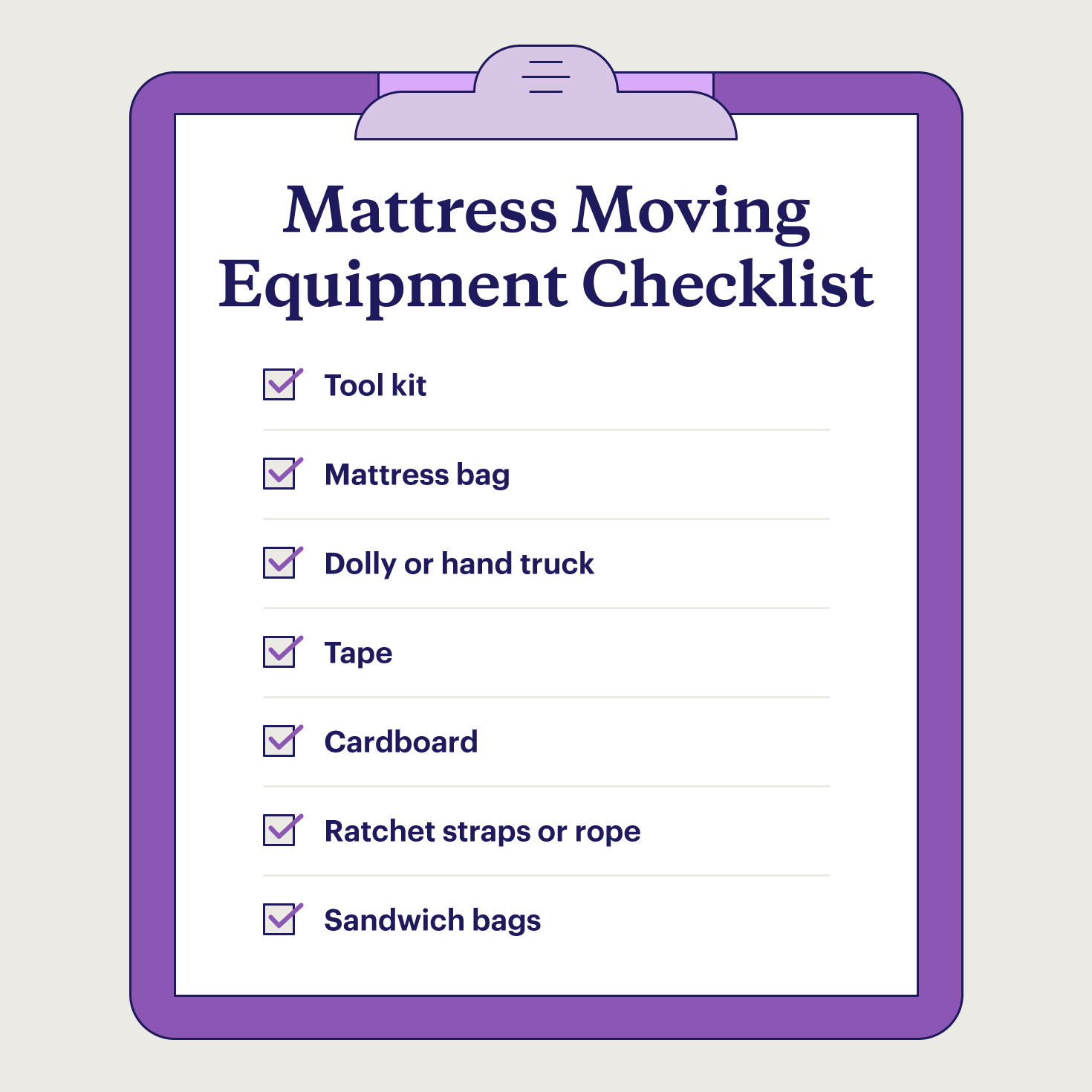
You will need a dolly or hand truck, ratchet straps or nylon rope, a heavy-duty mattress bag, two to four people, and cardboard inserts for added rigidity during transport.
Roll, Do Not Fold
Never fold a full latex mattress, as this risks permanent creasing and structural damage. Instead, roll it tightly from one end to the other, supporting the roll with ratchet straps to prevent uncoiling. Avoid sharp bends, as latex lacks steel support and excessive bending can crack the core.
Lift and Load With Teamwork
Slide a dolly behind the mattress, then lift using your legs rather than your back. Coordinate with your helpers to lift simultaneously, with one person guiding the front and another controlling the dolly. Tilt and secure the roll onto the dolly, then strap it tightly to prevent any shifting during transit.
Critical Warning: Never tie a latex mattress to a car roof. Weather exposure, debris, and wind can destroy it within hours.
Navigate Tight Spaces and Stairs
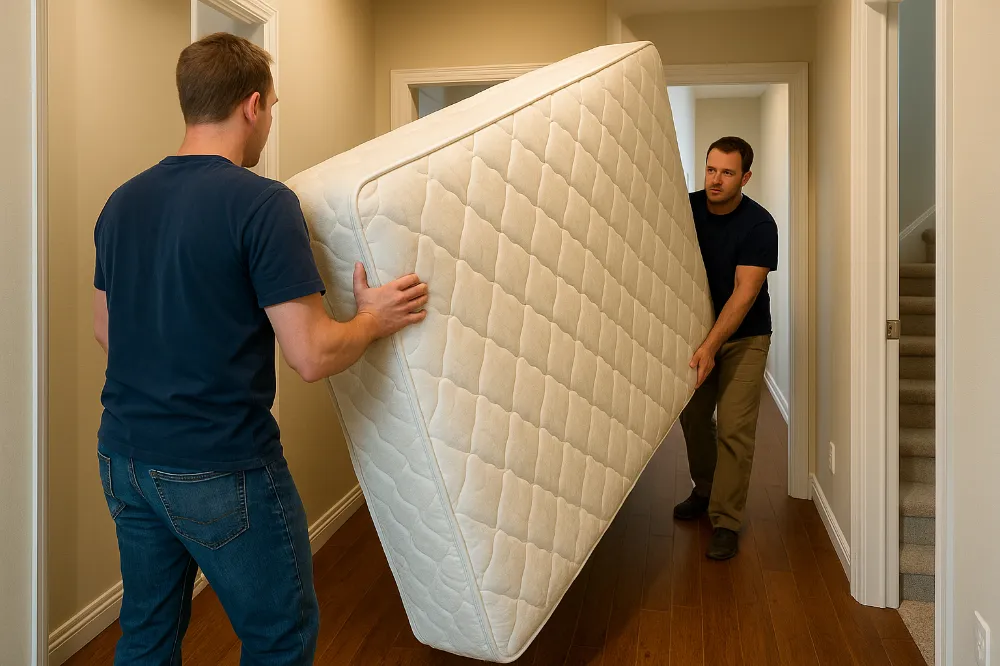
Doorways and stairwells present the biggest challenges even with perfect preparation.
Clear the Path First
Remove all wall art, rugs, and obstacles from your path. Open all doors fully and measure stair width and turns in advance to ensure the mattress will fit.
Use Furniture Sliders on Carpet
Place sliders under the mattress base when sliding across carpeted areas. Never drag the mattress, as this tears fabric and compresses the edges permanently.
Pivot Corners With Control
Stand the mattress on its side, then rock it gently through 90-degree turns. Use a spotter to guide the trailing edge and prevent wall damage or mattress tears.
Pro Move: For modular mattresses, carry each layer vertically through tight spaces, one at a time.
Choose the Right Transport Method
How you move your mattress depends on distance and your specific mattress design.
Local Moves: Car or SUV
Modular layers easily fit in trunks or back seats. Each bagged roll measures roughly 18 inches by 18 inches by 24 inches. Secure all boxes so they cannot shift during transit. With modular design, one person can handle the entire move.
Long-Distance Moves: Truck or Professional Movers
For non-modular queen or king sizes, hiring professional movers is strongly recommended. For modular designs, you can still DIY the move by boxing and labeling each component. Disassembling first and then hiring movers for the bagged components significantly reduces costs.
Shipping: Modular Is Mail-Ready
Box each vacuum-packed layer and ship via UPS, FedEx Freight, or uShip.com. Use the smallest box that fits each layer, as shipping costs depend on dimensions and weight.
Store Latex Mattresses the Right Way
Improper storage ruins even the best latex mattress, so follow these guidelines carefully.
Climate Control Is Essential
Never store a latex mattress in a garage, attic, or shed unless that space is climate-controlled. Ideal conditions range from 60 to 75 degrees Fahrenheit with low humidity. This prevents mold, odor, and material breakdown.
Short-Term Storage Guidelines
For storage under 30 days, you can keep layers rolled or folded in breathable bags. Store off the floor on pallets or slats. Never exceed 30 days in compressed form, as this causes permanent indentations.
Long-Term Storage Requirements
For storage exceeding 30 days, lay all layers flat in their full size. Stack only if fully supported from below. Reassemble the mattress inside its cover on a foundation if possible.
Protect From Light and Moisture
Never expose stored latex to direct sunlight, as UV rays cause oxidation and brittleness. Use breathable cotton covers rather than plastic. Avoid airtight sealing, as trapped moisture breeds mildew. Elevate on wooden slats, cover with a cotton sheet, and store in a dark, dry room.
Avoid These Common Mistakes
Even small errors can permanently damage your latex mattress. Here are the eight most critical mistakes to avoid:
- Taping directly to latex foam causes tearing when removed.
- Leaving layers rolled longer than 30 days creates permanent indentations.
- Storing in a hot garage accelerates material degradation.
- Exposing to sunlight breaks down natural rubber.
- Using airtight plastic long-term traps moisture and promotes mold.
- Dragging across floors damages both cover and core.
- Tying to a roof rack exposes the mattress to weather and debris.
- Stacking heavy items on stored layers causes permanent dents.
Reassemble Your Mattress Like a Pro
After the move, proper reassembly ensures your mattress maintains its comfort and longevity.
Step-by-Step Rebuild Process
Set up your foundation or bed frame first. Lay the unzipped cover flat on the foundation. Stack the layers with the firmest layer on the bottom and the softest layer on top. Align all corners and edges precisely. Zip the cover closed. Let the mattress air out for two to four hours if it was stored in plastic.
Good News: Natural latex requires no off-gassing. You can sleep on it the same night.
Post-Reassembly Inspection
Check for any misalignment or compression marks. If your mattress is flippable, rotate it head-to-foot every three to six months. Vacuum gently with a brush attachment for cleaning.
Frequently Asked Questions About Moving a Latex Mattress
Can one person move a latex mattress?
Yes, but only if the mattress is modular. One person can handle 20 to 30 pound layers individually. Non-modular mattresses require two to four people due to their total weight of 90 to 150 pounds.
Can you fold a latex mattress?
Individual layers can be folded in half lengthwise for short-term transport, but never leave them folded for more than 30 days. A full assembled mattress should never be folded; rolling is the safe alternative.
How long can you store a latex mattress?
Indefinitely, if stored correctly. Keep it flat, climate-controlled, and protected from light and moisture. Proper storage preserves natural latex for years.
Will moving damage my latex mattress?
Only if mishandled. Avoid folding, UV exposure, moisture, and compression beyond 30 days. Following proper procedures prevents all damage.
Should I hire professional movers?
For modular mattresses, professional movers are unnecessary. For non-modular queen or king sizes, movers are recommended. If hiring movers, disassemble the mattress into layers first and instruct them to handle each bagged piece separately.
Can I ship my latex mattress?
Yes, especially modular designs. Individual rolled and bagged layers can be boxed and shipped via UPS, FedEx, or uShip.com. Use the smallest suitable box to minimize shipping costs.
Do I need to air out the mattress after moving?
Only if it was stored in plastic bags. A few hours of ventilation removes any musty smell. Natural latex mattresses require no off-gassing.
Key Takeaways for Moving Your Latex Mattress
A latex mattress is a long-term investment that deserves careful handling during any move. The most important factors are understanding whether your mattress is modular or non-modular, because this determines your entire approach. For modular designs, disassembly into individual layers weighing 20 to 30 pounds each makes solo moves entirely feasible. For non-modular designs, gather proper equipment including a dolly, straps, and enough helpers to lift safely.
Always protect latex from UV light, moisture, and prolonged compression. Store in climate-controlled conditions, keep layers flat for long-term storage, and never leave a rolled mattress compressed beyond 30 days. With modular design, proper rolling technique, and smart storage, you can relocate your latex mattress safely anytime, anywhere. Choose disassembly over brute force, and your mattress will continue supporting you for years to come.