You likely spent hours researching mattress firmness and materials, yet the foundation underneath often gets ignored until it fails. Knowing how often to replace box spring units is vital because a worn foundation ruins even the best mattress.
This guide details the specific signs of wear, typical lifespans, and maintenance tips to protect your investment. You will learn exactly when to upgrade your setup to ensure proper spinal alignment and lasting comfort.
Identify Critical Signs It Is Time to Replace Your Box Spring

Your mattress might feel comfortable, but the foundation beneath could be failing silently. Ignoring these warning signs leads to premature mattress wear and poor sleep quality.
Detect Sagging or Uneven Surfaces Early
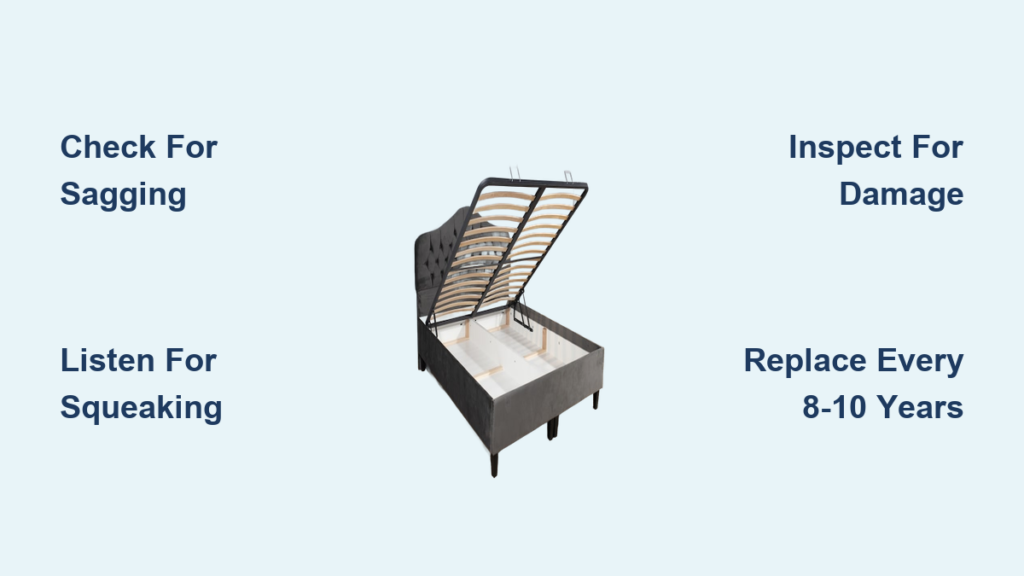
A flat sleeping surface is non-negotiable for proper back support. If you feel dips or soft spots, the internal wooden slats or metal grid are likely warped. Place a level on the bed frame to confirm if the foundation tilts or bows in the center.
Listen for Persistent Squeaking Noises
Chronic creaking when you move usually indicates loose joints or metal fatigue. While a drop of oil might silence a minor squeak, constant noise often signals structural failure. Ignoring this friction can cause further damage to the frame over time.
Inspect for Visible Damage and Wear
Regularly check the underside of your bed for physical defects. Look specifically for these issues:
* Cracked or splintered wood slats
* Rusted or bent metal coils
* Torn fabric covering exposed springs
* Signs of water damage or mold growth
Any visible compromise means the unit no longer offers reliable support for your body.
Monitor Mattress Wear Patterns
Check your mattress for premature sagging, especially in the middle or along the edges. If the mattress dips while the foundation looks flat, the box spring may not be distributing weight evenly. This mismatch accelerates wear on both components significantly.
Understand the Typical Lifespan of a Box Spring
Most experts recommend replacing your box spring every 8 to 10 years. This timeline aligns with the average lifespan of a quality mattress.
Evaluate Material Quality Impact
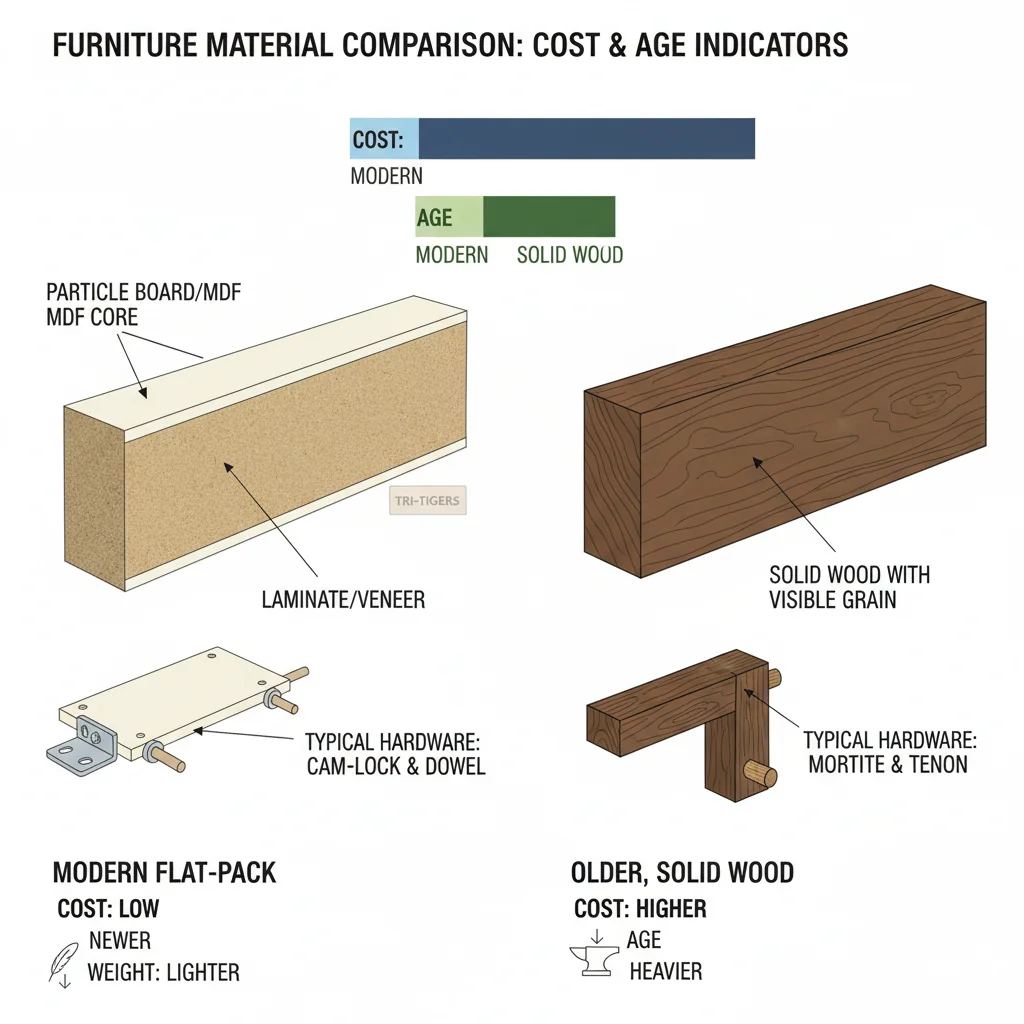
Higher-quality units last longer due to superior construction materials. Look for hardwood frames like pine rather than particleboard. Reinforced corners and thicker gauge steel coils also contribute to a longer functional life. Cheaper models often degrade within five years due to inferior inputs.
Consider Usage and Weight Load Factors
A foundation in a guest room lasts much longer than one in a master bedroom. Heavier sleepers or couples place more stress on the structure, increasing compression rates. Frequent use naturally shortens the timeline for how often to replace box spring components.
Ensure Bed Type Compatibility
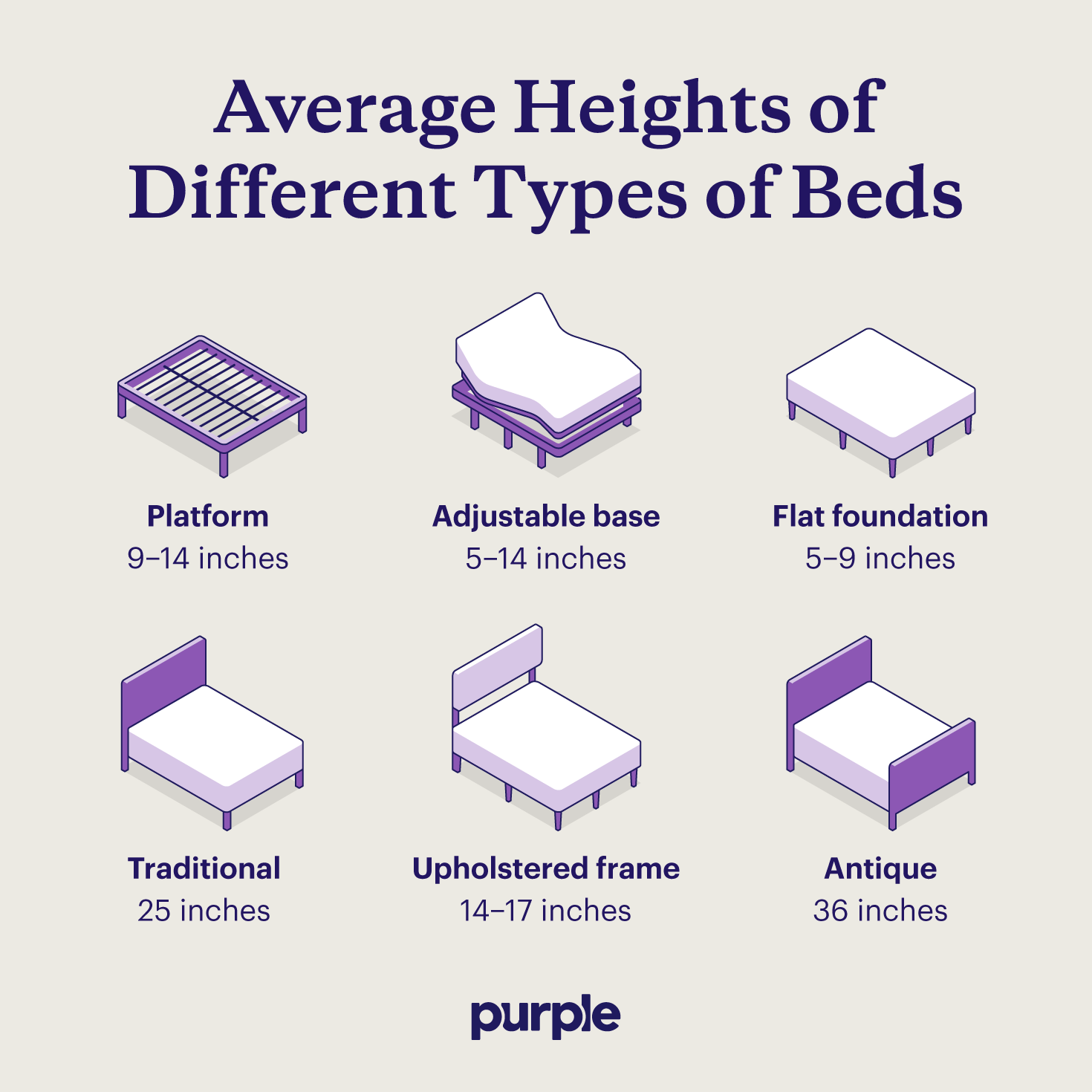
Using the wrong foundation type causes unnecessary strain on the system. For example, placing a traditional box spring on a platform bed designed for slats creates instability. Always verify manufacturer recommendations to ensure your setup matches your bed frame type.
When to Replace Earlier Than the Standard 8 Years
Certain situations demand immediate replacement regardless of the unit’s age. Acting quickly prevents health issues and further property damage.
Address Water or Pest Damage Immediately
Spills, flooding, or pest infestations compromise structural integrity and hygiene. Bed bugs, termites, or mold inside the fabric pose serious health risks. If the interior feels damp or shows contamination, replacement is the only safe option.
Adapt After a Mattress Upgrade
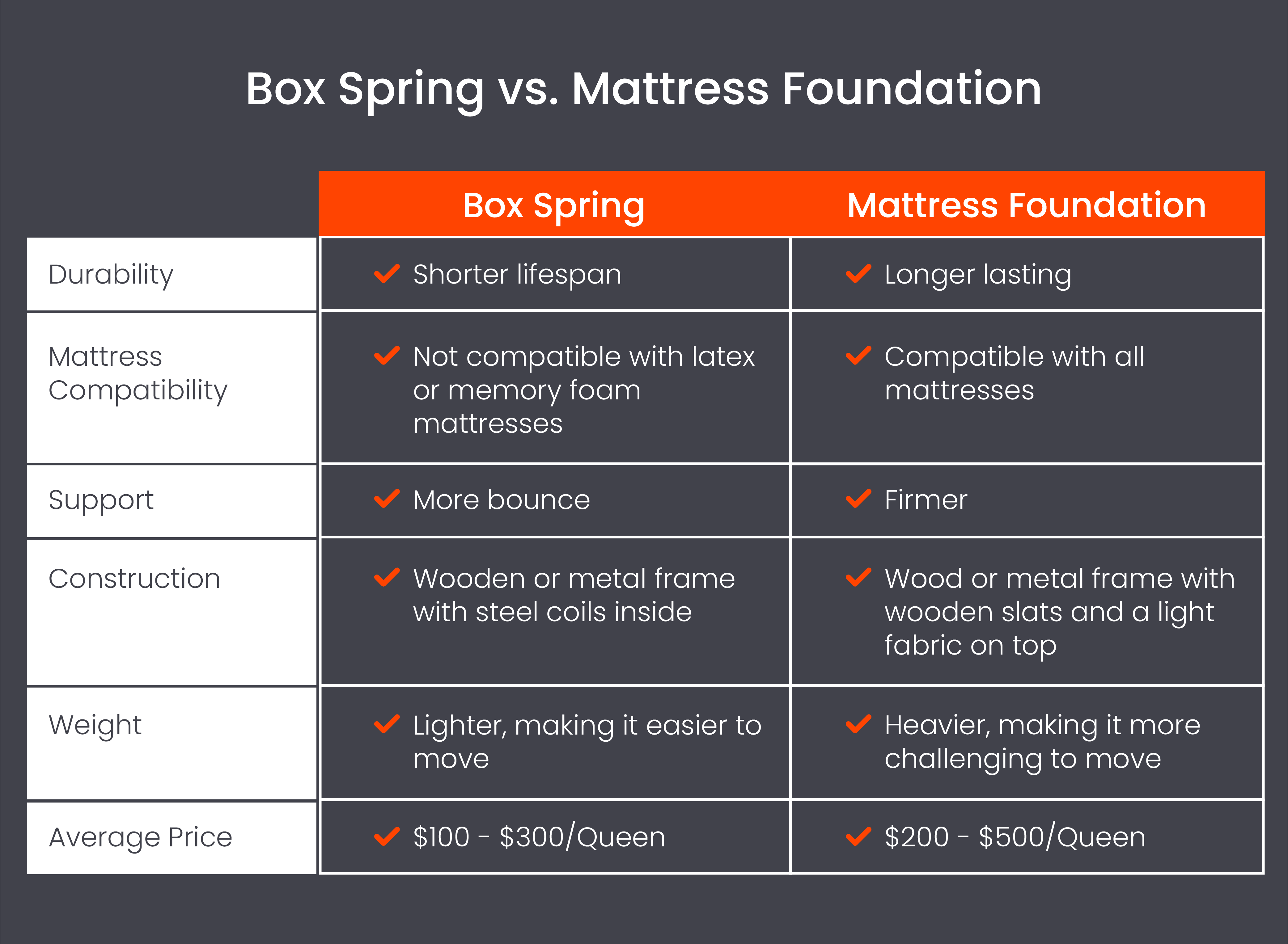
Switching to memory foam or latex often requires a solid platform rather than springs. Traditional box springs can allow foam mattresses to sag without proper support. In these cases, you must switch to a low-profile foundation or solid base.
Assess Damage From Moving or Relocation
Box springs are fragile during transport and prone to hidden damage. Dropping the unit or bending it around corners can break internal supports. If you recently moved and notice new noises or dips, inspect the foundation closely for transport-related issues.
Extend Box Spring Life With Proper Maintenance
Proper care maximizes the lifespan of your foundation and delays the need for replacement. Simple habits keep your sleep system sturdy for years.
Use a Protective Cover Effectively
A breathable, waterproof cover shields against dust, spills, and allergens. This barrier prevents moisture buildup that leads to mold or wood rot. It is a cheap investment that protects the structural integrity of the wood and fabric.
Rotate the Foundation Regularly
Although you cannot flip most box springs, you should rotate them 180 degrees every six months. This practice distributes wear evenly across the surface. It prevents one side from bearing the brunt of weight over time.
Keep the Unit Properly Elevated
Ensure the box spring rests fully on the bed frame support system. Never let the center hang unsupported, as this causes sagging. Use center support legs if your frame requires them, especially for queen and king sizes.
Avoid Direct Floor Contact
Placing a box spring directly on the floor restricts airflow and traps moisture. This setup increases exposure to dust, pests, and potential water damage. Use bed risers or a proper frame to elevate it at least two to three inches.
Choose the Right Replacement Foundation

When deciding how often to replace box spring units, consider modern alternatives that might suit your needs better.
Compare Standard Box Springs vs Alternatives
| Type | Best For | Lifespan | Notes |
|---|---|---|---|
| Traditional Box Spring | Innerspring mattresses | 8–10 years | Provides bounce and height |
| Low-Profile Box Spring | Platform beds | 8–10 years | Shorter height for easier access |
| Foundation (Wood Slats) | Memory foam and latex | 10–15 years | Sturdy with no moving coils |
| Platform Base | All mattress types | 10–15+ years | Built-in support needs no extra base |
Verify Mattress Warranty Requirements
Many warranties require a specific type of foundation to remain valid. Using an unsupported setup or a broken box spring can void your mattress coverage. Always check your warranty terms before purchasing a replacement.
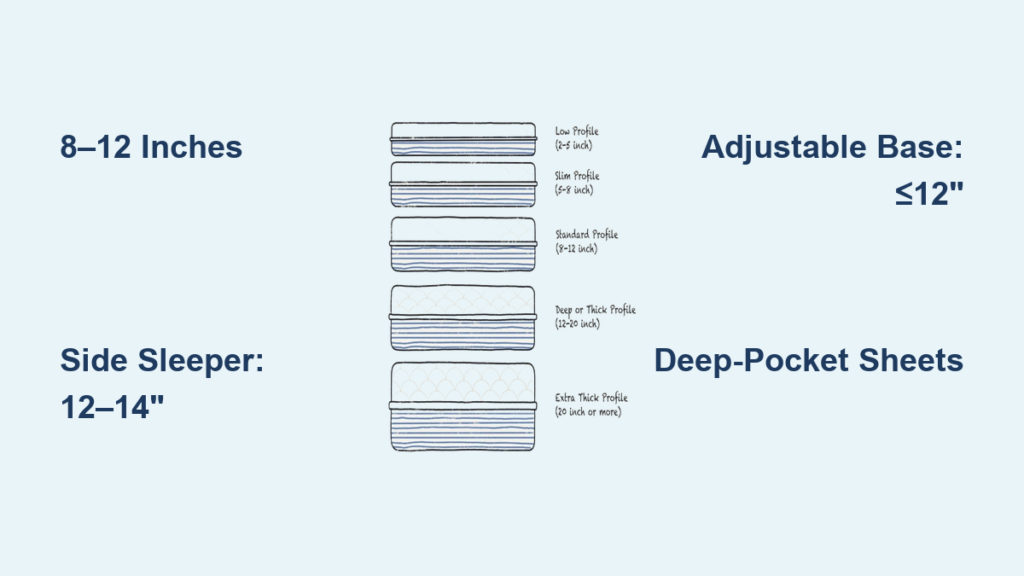
Measure Height and Clearance Needs
Taller box springs increase total bed height, which may cause mobility issues for some users. Measure the clearance under your bed if you plan to use storage containers. Choosing the right height ensures both comfort and functionality.
Decide Between DIY Fixes and Full Replacement
Minor issues might be repairable, but you must know when a fix is just a temporary bandage.
Apply Temporary Fixes for Minor Issues
You can extend the life of a slightly damaged unit with these steps:
* Tighten all bolts and screws at the joints
* Lubricate squeaky coils with silicone spray
* Replace broken slats with new pine boards
* Add a center support bar for middle sagging
These repairs work well if the damage is minimal and localized.
Recognize When Repair Is Not Worth It
Avoid patching the unit if more than two slats are broken. Do not attempt repairs if the frame is warped, the metal grid collapsed, or the fabric is heavily soiled. Spending money on repairs for an old unit is rarely cost-effective.
Calculate the Cost of Replacement
Expect to pay between $80 and $200 for a standard box spring. Prices vary based on size, brand, and material quality. Wooden foundations typically range from $100 to $300.
Review Price Estimates by Size
- Twin: $80–$130
- Full: $90–$150
- Queen: $110–$180
- King: $130–$200
Investing in a high-quality foundation saves money long-term by protecting your expensive mattress from premature wear.
Dispose of Your Old Box Spring Responsibly
Old box springs cannot go in regular trash bins due to their size and materials. Proper disposal is essential for environmental safety.
Explore Responsible Disposal Options
Contact your municipal waste service for bulky item pickup schedules. Junk removal services can haul it away for a fee, usually between $75 and $150. Some recycling centers accept the wood and metal components separately. If the unit is clean and functional, consider donating it to a local shelter.
Frequently Asked Questions About Box Spring Replacement
How do I know if my box spring is bad?
Look for sagging, uneven surfaces, or persistent squeaking noises. Visible cracks in the wood, rust on metal coils, or torn fabric also indicate failure. If your mattress sags despite being new, the foundation is likely the culprit.
Can I use a new mattress on an old box spring?
It is generally not recommended. An old box spring may not provide the support needed for a new mattress, potentially voiding the warranty. Mismatched ages can lead to premature wear on your new investment.
What happens if I don’t replace my box spring?
Failing to replace a worn foundation causes poor spinal alignment and disrupted sleep. It transfers excessive stress to your mattress, leading to early sagging and potential warranty issues. Your overall sleep quality will decline significantly.
Do all mattresses need a box spring?
No, not all mattresses require a traditional box spring. Memory foam and latex models often need a solid foundation or platform bed. Always check your specific mattress manufacturer guidelines for support requirements.
How long does a box spring actually last?
Most box springs last between 8 and 10 years with proper care. However, heavy usage, higher weight loads, or lower quality materials can shorten this lifespan to as little as 5 years. Regular inspection helps determine the exact timing for your specific unit.
Key Takeaways for Deciding How Often to Replace Box Spring
Replacing your box spring every 8 to 10 years ensures optimal support and mattress longevity. Watch for sagging, noise, and visible damage to determine if you need an upgrade sooner. Proper maintenance and choosing the right foundation type protect your investment and improve sleep quality.
Inspect your current setup today to identify any warning signs. If your foundation is old or damaged, select a compatible replacement that matches your mattress type. Taking action now prevents costly mattress replacements and ensures you continue sleeping soundly.