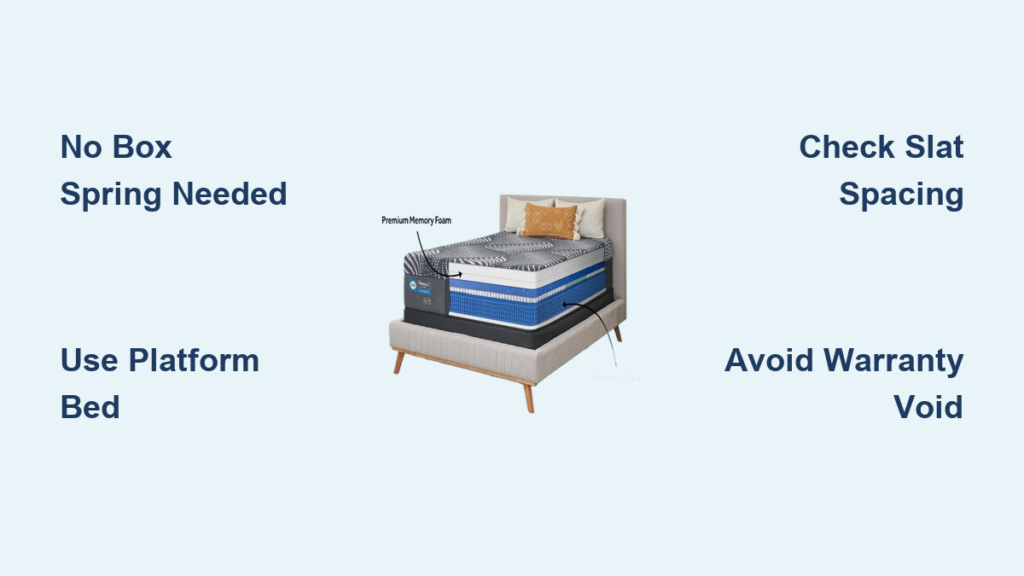
You just bought a new hybrid bed, but now you face a confusing question: does a hybrid mattress need a box spring? The answer is a clear no. Using an old box spring can actually damage your new investment rather than support it.
Modern hybrids require solid, flat surfaces like platform beds for proper support. This guide explains why box springs are outdated, which foundations work best, and how to protect your warranty with the right setup.
Best Foundation Options for Hybrid Mattresses

Your hybrid mattress needs a firm, stable base to function correctly. Unlike older innerspring models, today’s designs rely on dense foam layers and pocketed coils that require uniform support.
Why Platform Beds Offer Ideal Support
A platform bed is the top recommendation for hybrid mattresses. These frames feature a solid surface or closely spaced slats that prevent sagging. The flat foundation ensures your mattress coils and foam layers perform exactly as engineered.
Most modern platforms use wood or metal with integrated slats. This design eliminates the need for extra foundations while providing a sleek, low-profile look for your bedroom.
Slatted Base Requirements for Safety
If you choose a frame with slats, specific spacing rules apply. Gaps that are too wide allow the mattress to dip, causing structural damage over time.
Ensure your slats meet these criteria:
* They are solid and non-flexible
* Spacing is no more than 3 inches apart
* They run evenly across the entire frame
Check your manufacturer guidelines before purchasing. If your current frame has wide gaps, you must add a bunkie board to bridge them safely.
Why Box Springs Are Not Required
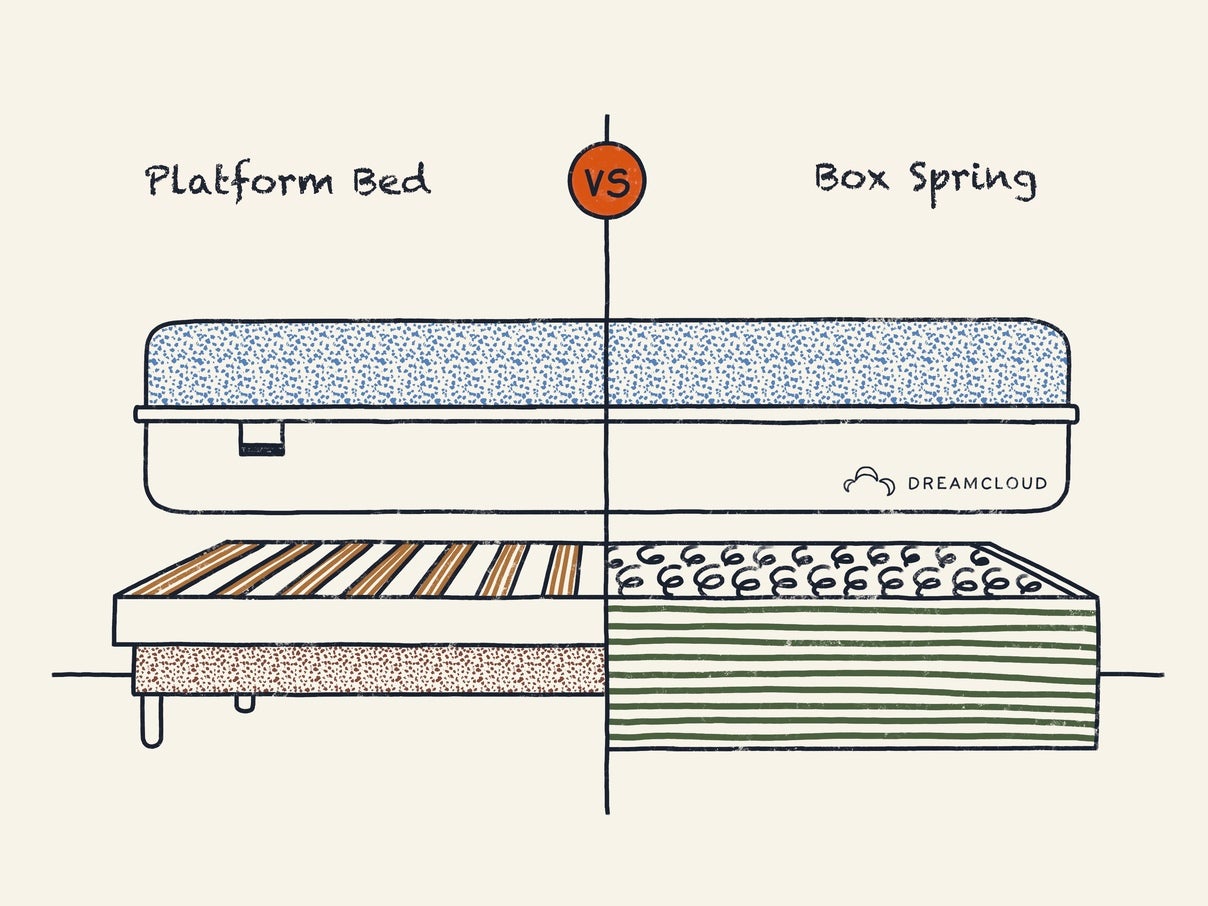
Box springs were built for traditional innerspring mattresses that needed extra bounce. Modern hybrids do not need this cushioning and often suffer when placed on such soft surfaces.
Outdated Design Risks for Modern Beds
Traditional box springs have a springy structure that conflicts with hybrid construction. Hybrids need a rigid base, not a bouncy one, to maintain their shape and support your spine.
Using a box spring under a hybrid can cause:
* Excessive sinking in the middle of the bed
* Uneven support leading to back pain
* Increased motion transfer between sleepers
* Potential voiding of your mattress warranty
Manufacturers often state clearly that box springs are not approved foundations. Ignoring this rule may leave you without coverage if your mattress sags prematurely.
Common Myths About Mattress Support
Many shoppers believe box springs are mandatory due to habit or retailer bundles. Some think adding one increases comfort or height, but this is rarely true for modern beds.
In reality, a box spring adds unnecessary weight and cost. It does not improve the feel of a hybrid mattress and can shorten its overall lifespan significantly.
Problems Cailed by Using a Box Spring
Placing a hybrid on a box spring introduces several issues that affect sleep quality and hygiene. These problems often appear within the first few months of use.
Noise and Movement Disruptions
Box springs contain metal coils that rub together over time. This friction creates creaks and squeaks that disturb sleep, especially when you move or get out of bed.
Couples often notice these sounds more than single sleepers. A solid platform bed remains silent because it lacks moving internal parts that generate noise.
Dust Traps and Allergen Accumulation
The fabric covering on box springs acts as a magnet for dust, pet hair, and allergens. Their hollow interior makes deep cleaning nearly impossible for most homeowners.
This environment attracts pests and worsens allergies. A low-profile platform or solid base is much easier to vacuum and keep free of debris.
Excessive Height and Accessibility Issues
Box springs raise the bed height significantly, sometimes making it difficult to climb in or out. This extra elevation poses risks for older adults or anyone with limited mobility.
A platform bed keeps the mattress at a safe, accessible level. You gain structural integrity without the dangerous added height of an old-fashioned spring base.
Better Alternatives to Box Springs

You have several superior options that provide better support than a traditional box spring. These alternatives ensure your hybrid mattress lasts longer and feels better.
Using a Bunkie Board for Reinforcement
A bunkie board is a thin, rigid panel placed between the mattress and frame. It is perfect for reinforcing frames with wide slat spacing or adding slight height without bulk.
These boards come in various materials:
* Plywood or solid wood
* Bamboo
* High-density foam with a fabric cover
Bunkie boards are lightweight and easy to install. Unlike box springs, they do not compress or squeak, offering a durable solution for extra support.
Adjustable Bases for Custom Comfort
An adjustable base allows you to elevate your head or feet for reading or watching TV. Most hybrid mattresses work well with these motorized foundations if labeled compatible.
Benefits of an adjustable base include:
* Improved blood circulation
* Reduced pressure on back and joints
* Built-in features like massage and USB ports
Always confirm compatibility with your specific mattress brand before buying. This upgrade offers flexibility that a static box spring cannot match.
Solid Foundations and Floor Placement
You can place a hybrid mattress directly on a solid foundation or even the floor. This works well provided the surface is clean, dry, and offers some ventilation.
Many users find floor setups comfortable and minimalist. However, you must ensure airflow underneath to prevent moisture buildup and mold growth.
Avoid placing mattresses directly on carpet unless you use risers. A breathable base is essential for maintaining a healthy sleep environment in these setups.
How to Verify Frame Compatibility

Before setting up your new bed, you must inspect your current frame. Proper compatibility prevents damage and ensures you get the support you paid for.
Checking Slat Spacing Measurements
Measure the gap between your slats carefully. Most manufacturers recommend a maximum 3-inch spacing for wooden slats and up to 4 inches for metal ones.
Wider gaps require immediate attention. Add a bunkie board or replace the slats with a solid panel to create a safe, uniform surface for your mattress.
Ensuring Adequate Center Support
Large beds like queens and kings need a center support beam. This beam should have at least one leg touching the floor to prevent middle sagging.
Verify that the support leg:
* Runs parallel to the existing slats
* Is adjustable for perfect leveling
* Makes direct contact with the floor
Without this center support, the weight of coils and foam can cause the frame to bow over time.
Signs Your Foundation Is Failing
Even a great mattress will fail if the base underneath it is weak. Watch for these warning signs that your foundation needs replacement.
Look for visible sagging in the center or edges of the bed. Listen for creaking or popping sounds when you move around. An uneven sleeping surface or a mattress that slides constantly indicates trouble.
If you see these signs, inspect your foundation immediately. A failing base damages your mattress and shortens its useful life significantly.
Maintenance Tips for Longevity
Proper care extends the life of both your mattress and its foundation. Simple habits keep your sleep system working like new for years.
Keeping the Base Clean and Dry
Dust your bed frame regularly and vacuum underneath the bed. Avoid spills and moisture, especially if your mattress sits on the floor or a low platform.
Rotating Your Mattress Regularly
Rotate your hybrid mattress every 3 to 6 months from head to foot. This practice prevents body impressions and ensures even wear across the surface.
Do not flip the mattress unless it is a double-sided model. Most hybrids have a specific top and bottom designed for one-way use.
Annual Support Inspections
Check your slats, bolts, and center supports at least once a year. Tighten loose screws and replace any cracked or warped wood immediately.
A stable foundation guarantees a better night’s sleep. Regular maintenance prevents small issues from becoming major problems later.
Frequently Asked Questions About Hybrid Mattress Foundations
Can I put a hybrid mattress on an old box spring?
It is not recommended. Box springs lack the firm support hybrids need and may void your warranty. They often cause sagging and increase noise levels significantly.
What is the best bed frame for a hybrid mattress?
A platform bed with solid or closely spaced slats is best. It provides the firm, uniform support required for hybrid coils and foam layers to function properly.
Do I need a bunkie board for my hybrid bed?
You only need one if your slats are spaced wider than 3 inches apart. Otherwise, a standard platform bed with proper slat spacing offers sufficient support.
Will using a box spring void my hybrid mattress warranty?
Yes, many manufacturers state that using a box spring voids the warranty. Always check your specific warranty terms before choosing a foundation type.
Can I place my hybrid mattress directly on the floor?
Yes, provided the floor is clean, dry, and allows for some airflow. Avoid carpeted floors unless you use risers to prevent moisture buildup and mold.
Key Takeaways for Hybrid Mattress Support
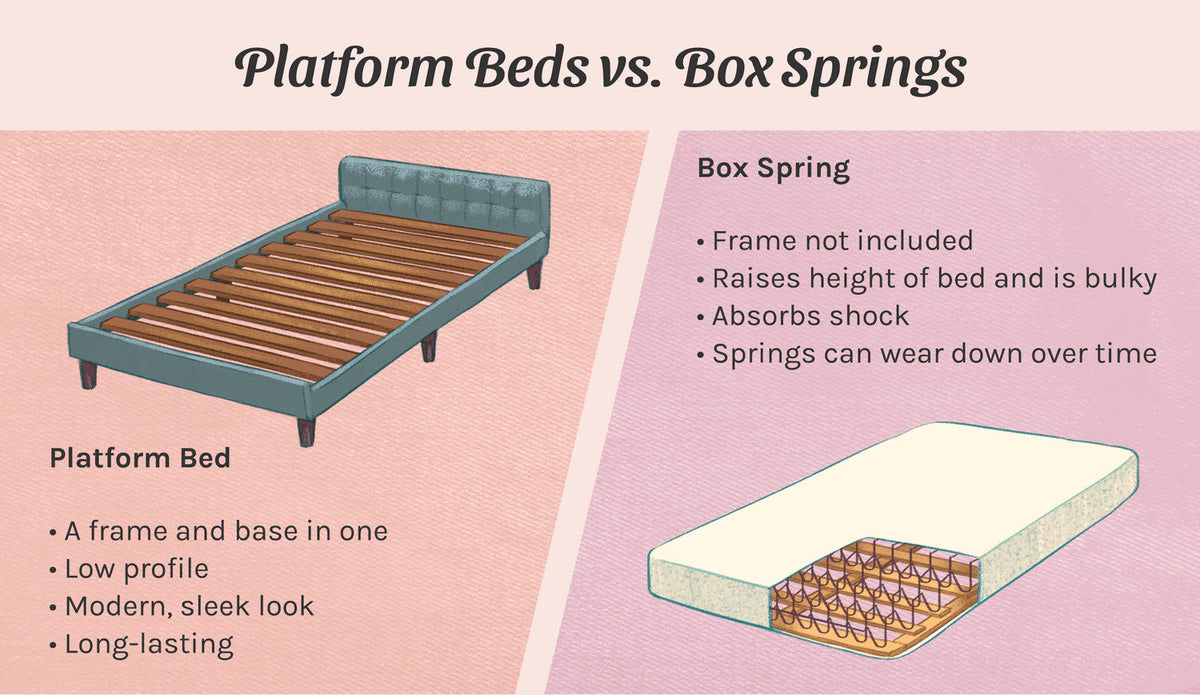
A hybrid mattress does not need a box spring and often performs worse with one. Modern designs require solid, flat surfaces like platform beds to ensure durability and proper spinal alignment. Box springs introduce noise, dust, and instability that compromise your sleep quality.
Choose a platform bed with correct slat spacing or use a bunkie board for reinforcement. This approach protects your warranty and maximizes the lifespan of your investment.
Skip the outdated box spring for a quieter, cleaner, and more supportive sleep experience. Your hybrid mattress is built for modern foundations, so give it the base it deserves.