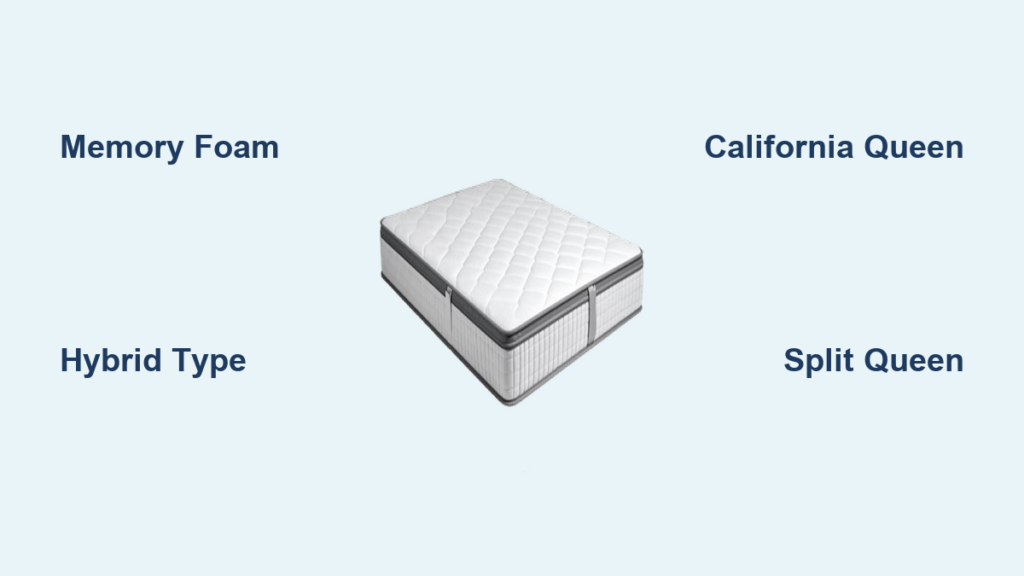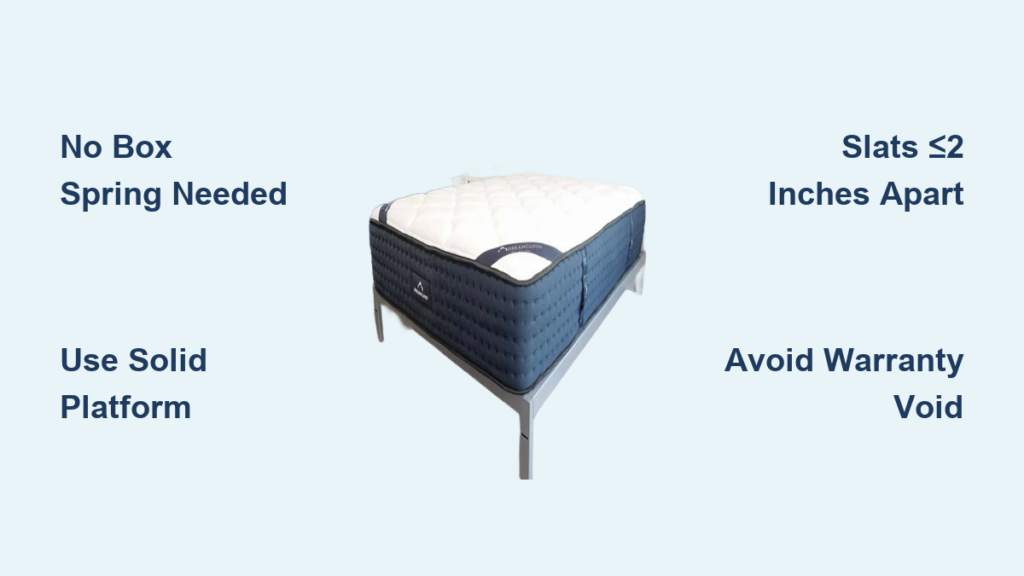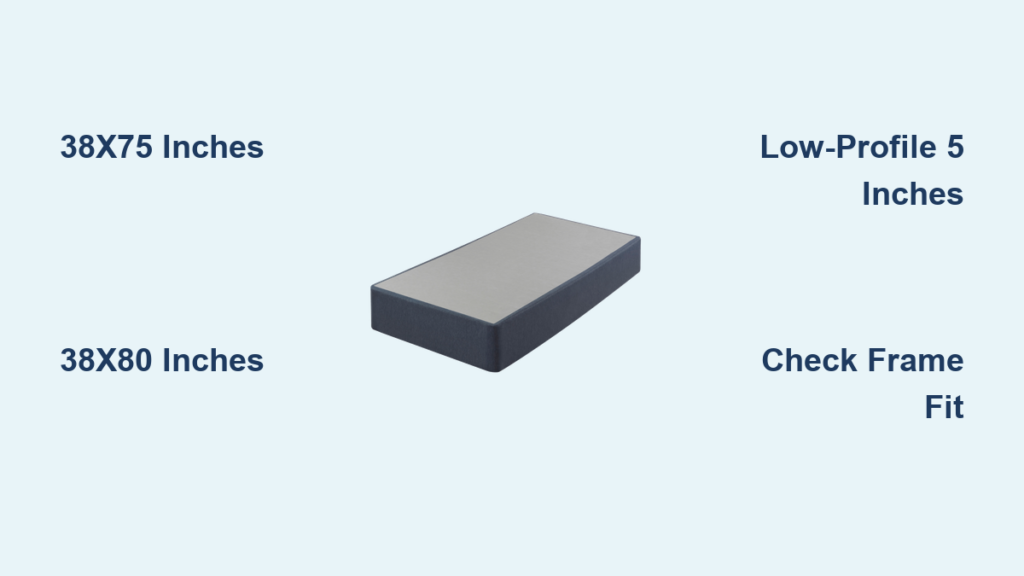
You found a stylish bed frame but now wonder if it needs a box spring for proper support. Choosing the wrong foundation causes sagging mattresses and voided warranties on many traditional designs.
This guide explains exactly which bed frames that need a box spring exist and how to spot them. You will learn to identify frame types and avoid common setup mistakes that ruin mattress life.
Identify Traditional Metal Rail Frames Requiring Box Springs

Traditional metal rail frames are the most common bed frames that need a box spring for structural integrity. These units feature a simple metal perimeter with center support legs but lack any built-in slats or decking.
Recognize Thin Metal Border Rails
Look for thin metal rails that form a rectangular border around the bed area. These frames offer no direct support surface between the outer edges.
* Thin metal border rails only
* Single support bar with center leg
* Complete absence of cross slats
Without a box spring, your mattress rests only on the outer rails and center beam. This setup leads to uneven pressure distribution and severe edge sagging over time.
Understand the Risk of Edge Sagging
The mattress material collapses into the empty space without a solid base. This creates uncomfortable dips and accelerates wear on the mattress coils or foam layers.
* Uneven sleeping surface develops quickly
* Mattress edges drop significantly lower than center
* Structural integrity of mattress fails prematurely
These frames were built when box springs were standard equipment for every bedroom. Pairing them with modern low-profile foundations often results in incorrect bed height and instability.
Determine If Tall Footbed Frames Need Extra Height
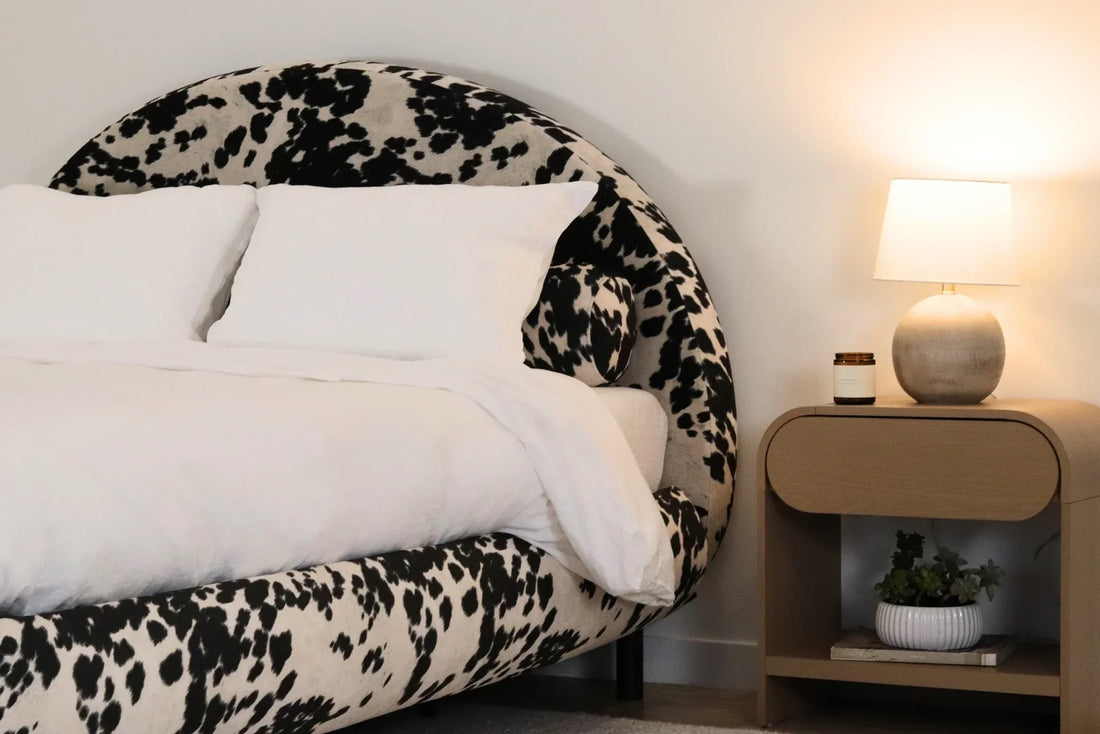
High foundation or tall footbed frames are specific bed frames that need a box spring to achieve the correct sleeping elevation. These designs sit significantly off the ground, often 12 inches or more from the floor.
Evaluate Sleeping Height Requirements
Without a box spring, the mattress sits too low for comfortable entry and exit. Most adults struggle to get out of bed when the surface is below knee level.
* Difficulty standing up from low position
* Awkward leg swinging motion required
* Increased strain on knees and back
The intended design relies on the added vertical space a box spring provides. Skipping this component disrupts the ergonomic balance of the entire bed setup.
Check for Deep Side Panels
These frames often feature ornate wood or upholstered designs meant to conceal the box spring completely. The deep side panels create a hollow interior space.
* Deep side panels hide the foundation
* Tall legs support elevated structure
* Hollow interior requires filling for stability
If your frame has these deep panels, it is likely engineered specifically for box spring use. The frame joints may also suffer strain without the weight distribution a box spring offers.
Assess Older Wooden Poster Beds for Support Needs
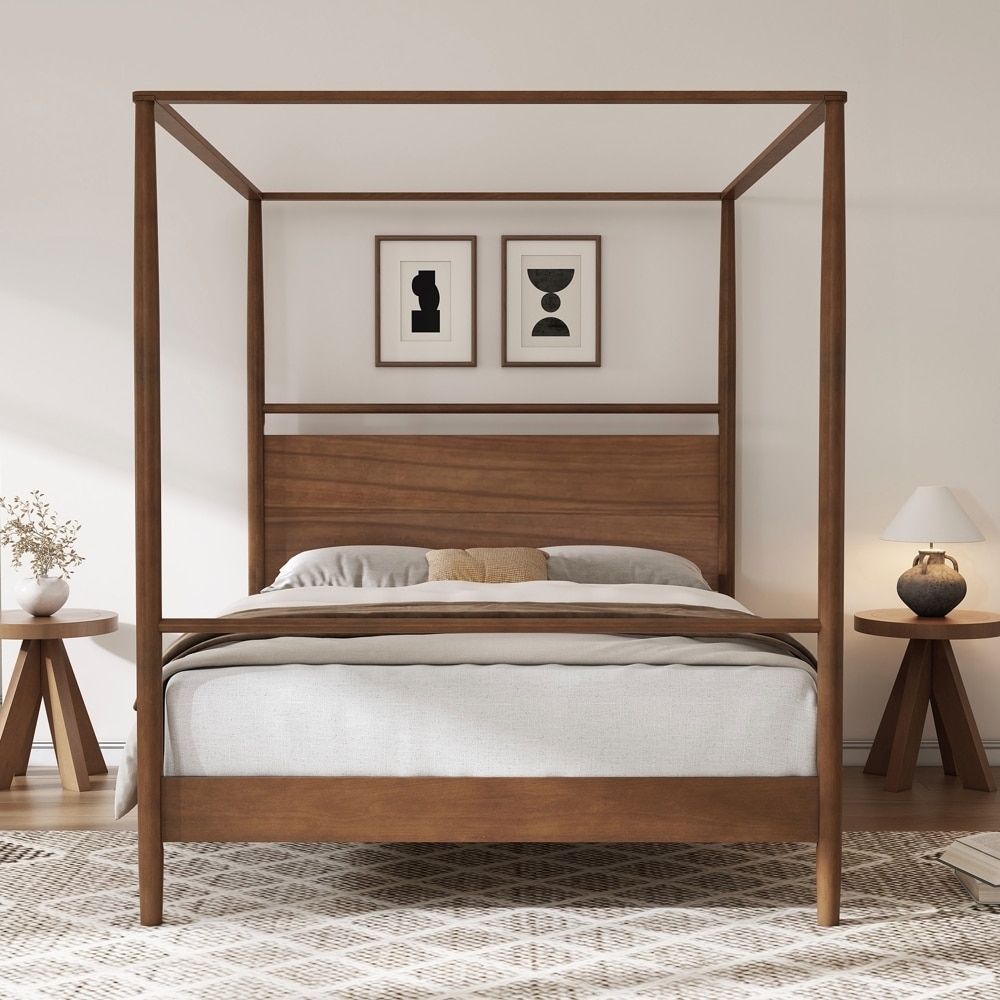
Classic four-poster beds made from solid wood are frequent bed frames that need a box spring due to their construction era. Many vintage or antique models predate modern platform bed designs entirely.
Inspect Corner Post Construction
These frames typically rely on corner posts and a basic perimeter rail for their shape. They often lack internal support systems like center beams or slat rollers.
* Reliance on corner posts for structure
* Basic perimeter rail only
* Missing internal support mechanisms
Attempting to use a mattress alone on such a frame risks significant drooping at the edges. The mattress simply has nowhere to rest except the very outer boundaries.
Verify Absence of Slat Brackets
Check specifically for pre-drilled slat brackets or support rails inside the frame perimeter. Their absence is a strong indicator that a box spring is required.
* No pre-drilled holes for slats
* Lack of wooden support strips
* Empty space beneath mattress area
Without slats or a center beam, these beds rely entirely on a box spring for mattress support. Using them without one causes excessive bounce and stress at connection points.
Review Manufacturer Specifications for Foundation Rules
Even if a frame looks supportive, always consult the manufacturer guidelines to confirm if it is one of the bed frames that need a box spring. Some frames appear robust but are explicitly designed for box spring use only.
Read Assembly Instructions Carefully
The instruction manual will clearly state whether a box spring is required, recommended, or unnecessary. Look for specific phrases regarding foundation needs.
* “Use with a box spring only”
* “Box spring required for proper support”
* “Not compatible with platform foundations”
Ignoring these warnings can void your warranty immediately. Structural damage occurring from unsupported use is rarely covered by manufacturers.
Locate Frame Labeling and Tags
Many bed frames have a tag or stamp on the underside or center rail indicating foundation requirements. These labels often include weight limits and safety warnings.
* “Must be used with box spring”
* “Do not place mattress directly on frame”
* Specific weight capacity ratings
These markings serve as definitive proof of design intent. If the label says a box spring is needed, do not attempt to bypass this requirement.
Understand Structural Reasons for Box Spring Necessity
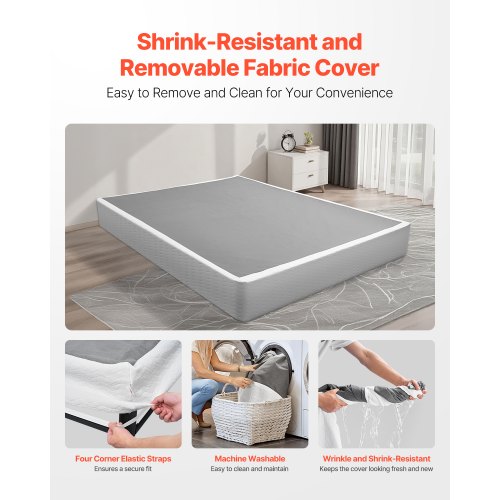
It is not just tradition that makes certain bed frames that need a box spring so dependent on them. Specific engineering and functional factors make box springs essential for these designs.
Distribute Weight Evenly Across Frame
Box springs act as a load-bearing foundation that spreads weight across the entire frame. They reduce stress on individual joints and support beams significantly.
* Prevents concentrated pressure points
* Reduces stress on frame joints
* Minimizes noisy creaking from metal fatigue
Without this layer, concentrated pressure develops under hips and shoulders. This leads to premature frame warping and mattress indentations.
Preserve Mattress Coil Integrity
Mattresses are designed to rest on a uniform, firm surface to maintain their shape. When placed on a frame with gaps, the material breaks down faster.
* Maintains proper spinal alignment
* Protects innerspring coil structure
* Extends overall mattress lifespan
Using a mattress without its intended foundation can void the warranty. Manufacturers often require proof of proper setup for any claims.
Avoid Common Setup Mistakes With Dependent Frames
Even with the right frame, setup errors can undermine performance and safety for bed frames that need a box spring. Avoid these frequent pitfalls to ensure longevity.
Install Center Support Legs Properly
Many dependent frames include a center support rail with legs that must touch the floor. Skipping this component leads to catastrophic failure even with a box spring.
* Prevents frame bowing under weight
* Stops sides from flexing inward
* Ensures box spring does not collapse
Always install center support legs and ensure they reach the floor firmly. Use shims if your floor is uneven to maintain stability.
Replace Worn or Sagging Box Springs
A damaged box spring defeats the purpose of having a supportive foundation. Signs it needs replacement include visible lumps or sunken areas.
* Creaking or collapsing when pressed
* Torn fabric or exposed springs
* Uneven surface causing mattress tilt
Using a compromised box spring accelerates mattress wear. It creates an unstable sleep surface that harms your back health.
Explore Alternatives to Traditional Box Springs

If you dislike the bulk of traditional foundations, alternatives exist for some bed frames that need a box spring. However, compatibility is key for these substitutions.
Consider Low-Profile Box Springs
These are shorter versions, about 4–5 inches tall, that provide standard support with reduced height. They are ideal for tall frames where a full box spring makes the bed too high.
* Same support as standard models
* Reduced vertical profile
* Compatible with most traditional frames
Ensure the low-profile version is rated for your specific mattress type and weight. Do not assume all low-profile options work with every frame.
Evaluate Foundation Panels
Also called bunkie boards, these 2–3 inch thick panels offer firm, flat support. They are much slimmer than box springs but lack shock absorption.
* Made from plywood or metal mesh
* Provides firm, flat surface
* Not suitable for all dependent frames
Because they lack height, they may not provide correct bed elevation. They work best for lightweight users or specific platform conversions.
Maintain Your Bed Frame and Foundation Setup
Proper care ensures your bed frame and foundation last for years without issues. Regular maintenance prevents common problems associated with dependent frames.
Rotate Box Spring Regularly
Like mattresses, box springs benefit from rotation every 3–6 months. This prevents uneven compression and extends the lifespan of the foundation.
* Prevents uneven compression
* Extends foundation lifespan
* Maintains consistent support level
Flip if it is a double-sided model, though most modern ones are one-sided. Rotate only if flipping is not an option.
Inspect Joints and Fasteners Quarterly
Loose bolts or warped connectors compromise stability over time. Check all joints quarterly, especially after moving the bed.
* Tighten loose screws immediately
* Replace worn brackets as needed
* Apply thread-locker on frequent loosening points
Dust and debris accumulation can also cause issues. Vacuum the box spring surface monthly to prevent odors and allergens.
Frequently Asked Questions About Bed Frames That Need a Box Spring
How do I know if my specific bed frame needs a box spring?
Check for thin metal rails, lack of slats, or deep side panels. Consult your manufacturer manual for explicit requirements regarding foundation types.
Can I use a platform bed foundation instead of a box spring?
Only if your frame allows slat retrofitting. Most traditional frames requiring box springs cannot accept platform foundations without modification.
What happens if I don’t use a box spring on these frames?
The mattress will sag, edges will collapse, and the frame may warp. You also risk voiding your mattress warranty immediately.
Are there lightweight alternatives to heavy traditional box springs?
Low-profile box springs and bunkie boards offer lighter options. Ensure they meet the height and support requirements of your specific frame.
Do memory foam mattresses need box springs on these frames?
Yes, if the frame lacks slats. Memory foam requires a solid, flat surface which the box spring provides on traditional frames.
How often should I replace my box spring?
Replace every 8–10 years or when you notice sagging, lumps, or noise. Match the replacement cycle to your mattress lifespan.
Key Takeaways for Identifying Bed Frames That Need a Box Spring
Traditional metal rails, tall footbeds, and older wooden poster beds are the primary bed frames that need a box spring. These designs lack internal support structures and rely on the foundation for stability and height.
Always verify requirements with manufacturer labels and avoid skipping the box spring to prevent damage. Proper setup ensures your mattress lasts longer and provides the comfort you expect.
Check your frame today and add the correct foundation if needed. Your back and your mattress will thank you for the proper support.