You just bought a new mattress and now face a critical question: does a mattress need a box spring? Modern bedding rules have changed significantly from the standards of the past. Many sleepers assume the old formula is still required, but this is often no longer true.
This guide explains exactly when you need a box spring and when you can skip it entirely. You will learn how different mattress types require specific bases for proper support and warranty protection. Let’s dive into the facts to help you build the perfect sleep setup.
Modern Mattress Support Requirements
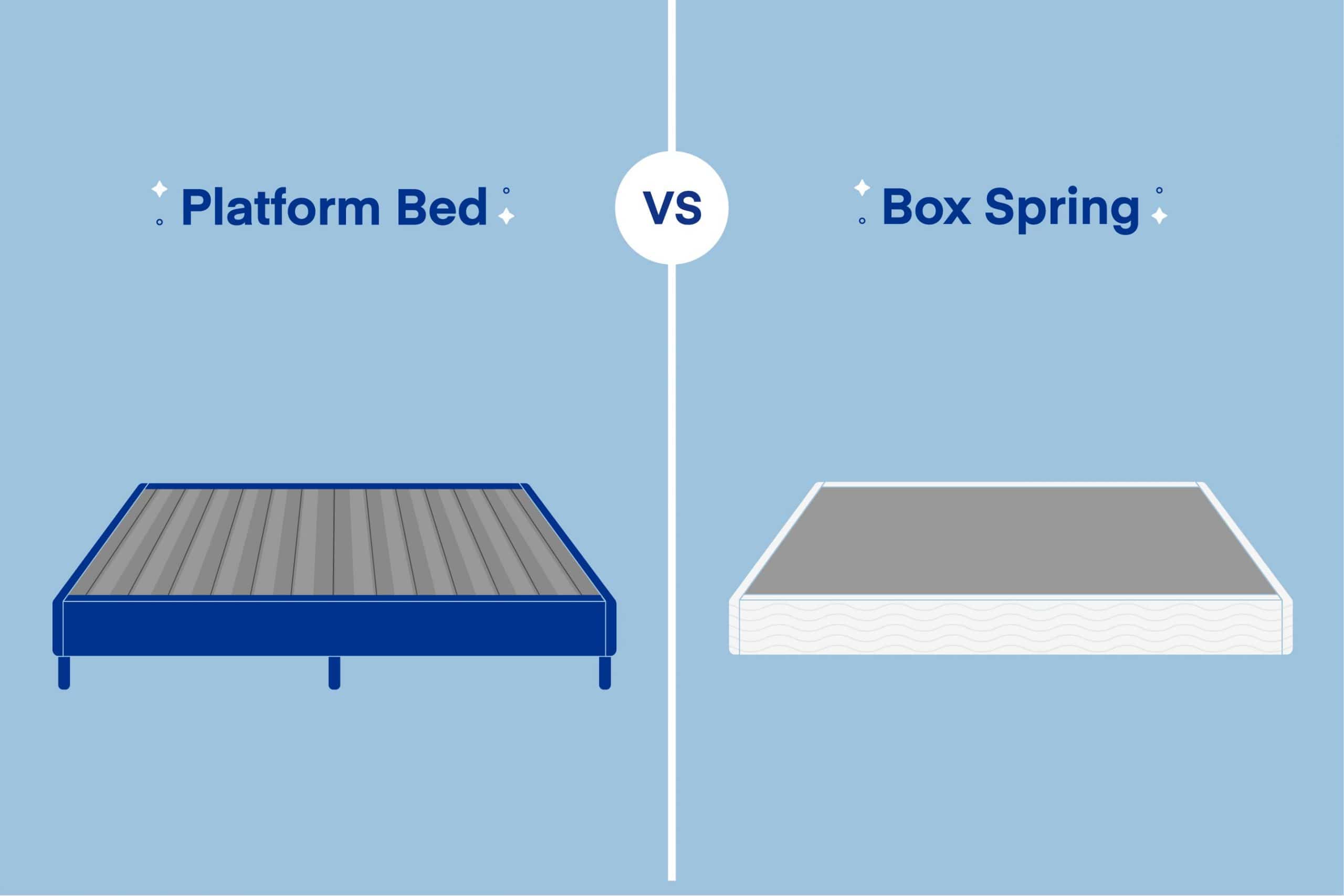
Mattress support technology has evolved beyond the traditional box spring model. Today’s memory foam, latex, and hybrid designs require flat, firm surfaces to function correctly. Using an outdated base can cause premature sagging or void your warranty entirely.
Manufacturers now engineer mattresses to work with solid platforms or closely spaced slats. The flexible nature of old box springs often conflicts with modern foam layers. You must match your base to your specific mattress type for optimal performance.
When a Box Spring Is Actually Required
Certain situations still demand the use of a traditional box spring for proper function. You should verify your specific needs before purchasing or discarding your current base.
- Traditional innerspring mattresses often rely on the give of a box spring for comfort.
- High-profile bed frames need the extra height a box spring provides for proper alignment.
- Specific warranty clauses may mandate a box spring to keep coverage valid.
Always check your product manual first. Ignoring these requirements can lead to costly warranty denials later.
Signs You Can Safely Skip the Box Spring
Many modern bedroom setups perform better without a box spring involved. You can likely eliminate this component if your current situation matches specific criteria.
- Platform beds feature built-in slats designed to support mattresses directly.
- Memory foam models need rigid support that soft box springs cannot provide.
- Adjustable bases replace the need for both frames and box springs completely.
- Solid foundations offer the flat surface that modern hybrids require.
If your base is already solid and flat, adding a box spring adds unnecessary height and instability.
Top Alternatives to Traditional Box Springs
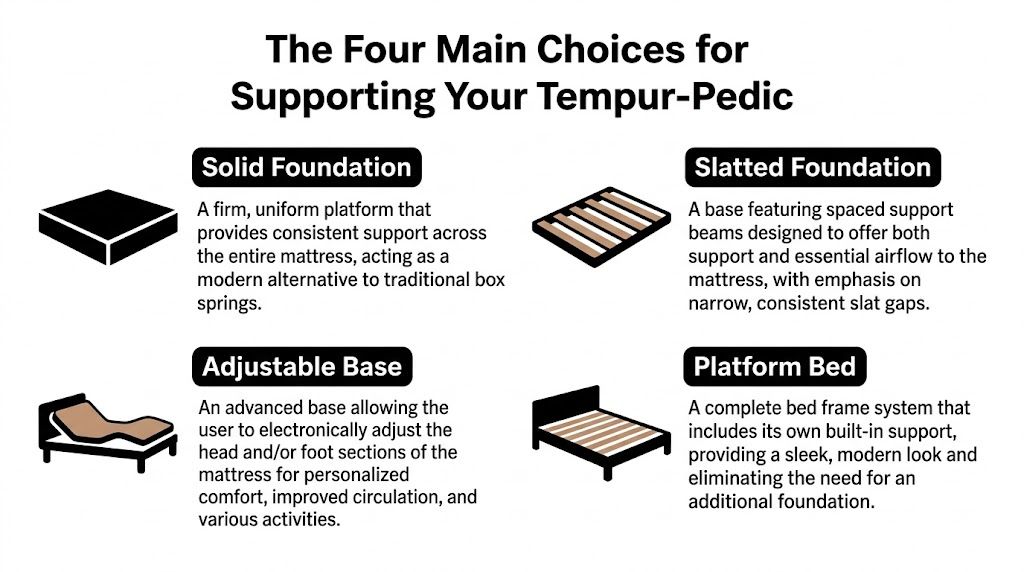
You have several excellent options if you decide a box spring is not right for you. These alternatives often provide superior durability and support for modern sleepers.
Use a Platform Bed Frame
Platform beds are a popular choice because they eliminate the need for extra foundations. They feature integrated slats spaced closely together to support all mattress types.
- Slats are typically spaced no more than 3 inches apart.
- The design sits lower to the ground for a modern aesthetic.
- No additional foundation purchase is necessary for most models.
This option works perfectly for memory foam, latex, and hybrid mattresses.
Try a Solid Foundation
A solid foundation consists of a flat, rigid surface made from wood or composite materials. It provides uniform support that prevents sagging in foam-based mattresses.
- Offers a completely flat surface for even weight distribution.
- Prevents the uneven wear caused by flexible box springs.
- Lasts significantly longer than traditional spring-based bases.
This is often the best choice for heavy mattresses or those with strict warranty requirements.
Install a Slatted Base
Many standard bed frames come with wooden or metal slats. You can use these effectively if they meet specific spacing and strength criteria.
- Ensure gaps between slats do not exceed 3 inches.
- Add a center support leg for queen and king sizes.
- Replace any bowed or cracked slats immediately to prevent damage.
You may need a bunkie board if your existing slats are too far apart.
Mattress Types and Base Compatibility
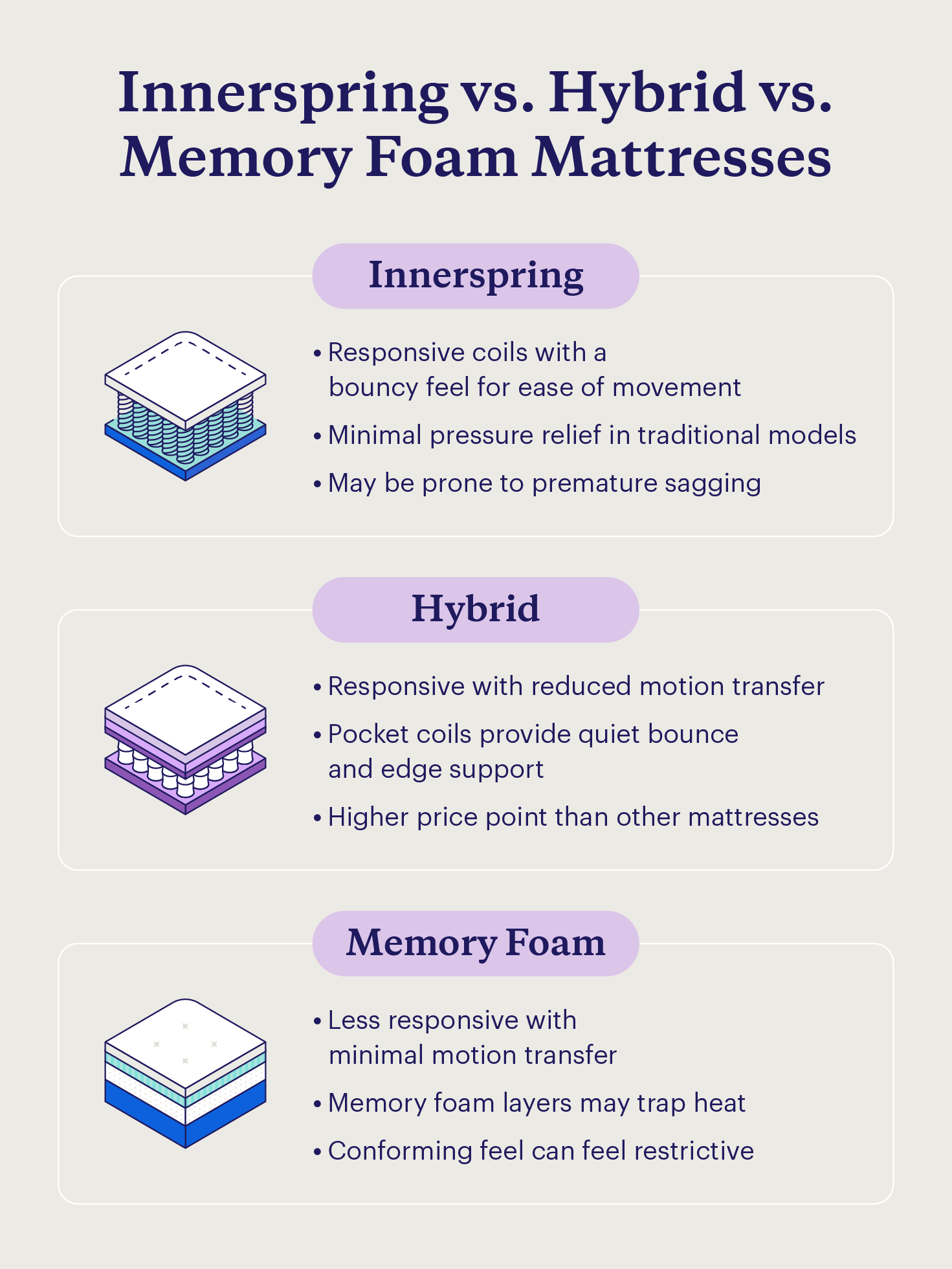
Not every mattress works with every type of base. Matching your specific mattress material to the correct foundation ensures comfort and longevity.
Innerspring Mattresses
Traditional coil systems were originally designed to pair with box springs. They benefit from the slight bounce and shock absorption these bases provide.
- Best base: Traditional box spring or low-profile foundation.
- Avoid: Solid platforms without adequate ventilation or support legs.
- Note: Newer hybrid coil models may have different requirements.
Memory Foam Mattresses
Foam layers need a firm, unyielding surface to prevent sinking and heat retention. A soft box spring allows the foam to dip, causing discomfort and damage.
- Best base: Solid foundation, platform bed, or adjustable base.
- Avoid: Traditional box springs with flexible tops.
- Tip: Choose a breathable foundation to help with airflow.
Latex Mattresses
Latex is dense and heavy, requiring a very stable and strong support system. It does not need the flexibility of a box spring.
- Best base: Closely spaced slats or a solid flat foundation.
- Avoid: Any base that sags or flexes under weight.
- Bonus: These pair excellently with adjustable bases for custom positioning.
Hybrid Mattresses
Hybrids combine coils with foam, needing a balance of support and stability. They generally require the same firm base as pure foam models.
- Best base: Low-profile foundation or sturdy platform bed.
- Avoid: Tall box springs that raise the center of gravity too high.
- Check warranty: Verify specific brand rules regarding base types.
How to Choose the Right Base for You
:max_bytes(150000):strip_icc()/platform-bed-vs-box-spring-5216570-5acea4bcf8f641d8a0c4e1a44e5ad321.png)
Selecting the correct base involves more than just style preferences. You must consider warranty rules, bed height, and long-term durability.
Match Manufacturer Requirements
Your mattress warranty is the most critical factor in this decision. Manufacturers specify exactly what kind of support system you must use.
- Read the warranty guide before buying any base.
- Note required slat spacing and center support needs.
- Using an unapproved base can void your warranty immediately.
Consider Bed Height and Accessibility
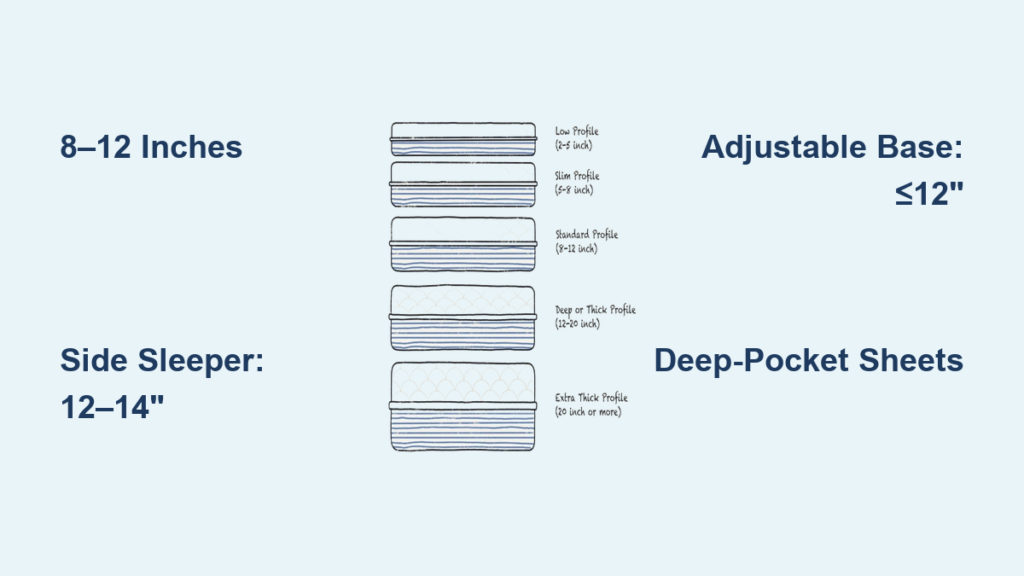
Box springs add significant height, usually between 5 and 9 inches. This impacts how easy it is to get in and out of bed.
- Accessibility: Lower platform beds help those with mobility issues.
- Aesthetics: Modern rooms often look better with lower profiles.
- Storage: Higher frames allow for under-bed storage bins.
Choose a height that fits your daily needs and room layout.
Evaluate Long-Term Durability
Box springs tend to wear out faster than modern alternatives. They often sag, creak, or lose structural integrity within a few years.
- Average lifespan: Box springs last 5 to 7 years typically.
- Alternatives last longer: Solid foundations often exceed 10 years.
- Maintenance: Box springs trap dust and are hard to clean thoroughly.
Investing in a durable base saves money and hassle over time.
Common Mistakes to Avoid When Setting Up Your Bed

Small errors in setup can ruin your mattress comfort and shorten its life. Avoid these common pitfalls to protect your investment.
Using an Old Box Spring with a New Mattress
Reusing an old base with a brand-new mattress is a frequent error. Old box springs often have hidden damage that transfers to the new bed.
- Sagging bases create uneven support surfaces.
- Worn coils transfer motion and create noise disturbances.
- Old models may not meet current warranty standards.
Always inspect your base closely or buy a new one with your mattress.
Ignoring Slat Spacing Guidelines
Wide gaps between slats cause foam mattresses to sag into the spaces. This creates permanent dips in the mattress surface.
- Use a bunkie board if slats are wider than 3 inches.
- Reinforce weak areas with cross supports.
- Never allow the mattress to hang unsupported between slats.
This is a leading cause of premature mattress failure.
Skipping Center Support for Large Beds
Large mattresses like queens and kings need extra support in the middle. Without it, the frame can bow and the mattress can crack.
- Install a center support bar with a leg touching the floor.
- Ensure the leg is adjusted to bear weight properly.
- Verify built-in platform support is strong enough for large sizes.
Neglecting this step leads to structural collapse over time.
Can You Place a Mattress Directly on the Floor?

Some people choose to skip the frame entirely and put the mattress on the floor. While possible, this approach has distinct pros and cons.
Pros of Floor Sleeping
Placing your mattress on the floor offers a unique feel for some sleepers. It maximizes firmness and creates a minimalist look.
- Provides maximum firmness and stability.
- Eliminates the need for a box spring or frame.
- Reduces costs and simplifies the bedroom layout.
This works well for those who prefer a very firm sleeping surface.
Cons of Floor Sleeping
However, keeping a mattress on the floor introduces several risks. Lack of airflow is the primary concern for most homeowners.
- Poor airflow increases moisture retention and mold risk.
- Dust and allergens accumulate faster near the ground.
- Getting up from the floor is difficult for many adults.
- Some warranties explicitly prohibit floor placement.
If you choose this route, lift the mattress regularly to air it out.
Frequently Asked Questions About Mattress Box Springs
Do all memory foam mattresses require a box spring?
No, memory foam mattresses generally do not need a box spring. They require a firm, flat surface like a platform bed or solid foundation to prevent sagging and maintain warranty validity.
What happens if I use a box spring with a foam mattress?
Using a box spring with a foam mattress can cause uneven support and premature sagging. The flexible nature of the box spring conflicts with the firm support foam layers need.
How can I tell if my current box spring is bad?
Look for visible sagging, listen for creaking noises, or check for broken slats. If the surface feels uneven or lopsided, it is time to replace the box spring.
Do hybrid mattresses need special foundations?
Hybrid mattresses usually need a solid, flat foundation or a platform bed with close slat spacing. Traditional box springs are often too soft for the foam layers in hybrid models.
Will skipping a box spring void my mattress warranty?
It depends on the manufacturer. Many modern warranties require a solid or slatted base, not a box spring. Always check your specific warranty terms before deciding.
Is a platform bed better than a box spring?
For most modern mattresses, a platform bed is better. It provides the firm, consistent support that foam and hybrid models need while lasting longer than traditional box springs.
Key Takeaways for Your Mattress Support Decision
Most modern mattresses do not need a box spring to perform well. Platform beds, solid foundations, and adjustable bases offer superior support for today’s foam and hybrid designs. Using the wrong base can void your warranty and reduce the life of your bed.
Always check your manufacturer’s guidelines before setting up your new mattress. Choose a base that provides firm, even support rather than following old habits. Your comfort and investment depend on making the right choice for your specific sleep system.