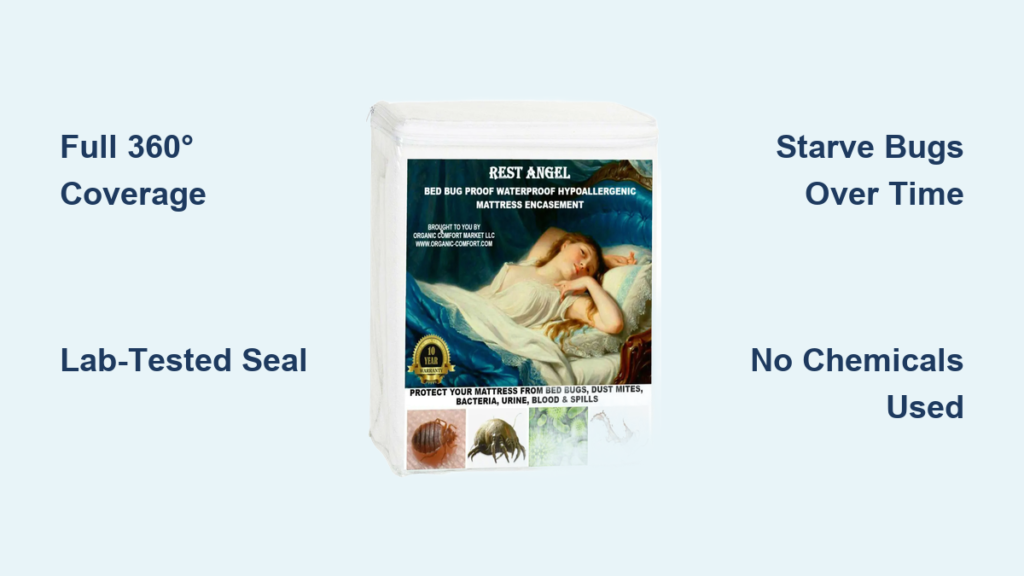
If you’ve ever woken up with itchy red bites or spotted dark stains on your sheets, you may have asked: do mattress covers prevent bed bugs? The answer is yes—but only if you’re using the right kind. Most standard mattress protectors sold in stores offer zero protection against bed bugs. What actually works are bed bug encasements: fully sealed, lab-tested covers designed to trap and starve bed bugs over time.
These specialized covers do not kill bugs instantly or stop them from crawling onto your bed, but they play a critical role in both preventing infestations and supporting treatment. By sealing off one of bed bugs’ favorite hiding spots—the mattress and box spring—encasements eliminate a major refuge and make detection easier. They are especially valuable in high-risk environments like apartments, hotels, and college dorms.
Bed Bug Encasements vs. Standard Mattress Protectors

Understanding the difference between these two products is essential for making the right choice.
Standard Mattress Protectors Offer No Bug Protection
Most people buy mattress protectors thinking they guard against all threats. In reality, these covers only protect against spills, sweat, and dust mites. They fit like a fitted sheet, covering the top and sides, but leave the bottom and seams exposed. This design creates perfect entry points for bed bugs.
These protectors are not bed bug proof, do not seal edges or zippers, and offer no barrier to crawling insects. They can even hide infestations by covering up signs that would otherwise be visible. Standard protectors work well for stain resistance and allergen reduction, but they are completely useless for bed bug prevention or control.
Bed Bug Encasements Provide Full-Proof Defense
True bed bug encasements are engineered to completely seal the mattress and box spring. They wrap all six sides with a 360-degree zipper and use tightly woven, impenetrable fabric. Once installed, they prevent bed bugs from entering, trap existing bugs inside, block access to feeding which leads to starvation, and make inspection easy due to smooth, light-colored surfaces.
Only fully enclosed, certified encasements provide real protection. Look for models tested and verified by independent labs before purchasing.
How Bed Bug Encasements Work
Starve Bugs Into Extinction
Encasements do not kill bed bugs on contact. Instead, they use a slow but effective strategy: starvation. Trapped bugs cannot reach a host to feed and will eventually die, typically within 4 to 18 months, depending on temperature and life stage.
This method works because bed bugs cannot survive long without blood, eggs inside the mattress will hatch but starve quickly, and no new bugs can enter once sealed. Key tip: leave the encasement on for at least 18 months to ensure all life stages die off.
Eliminate Hiding Spots
Mattresses and box springs are full of seams, tufts, and coils, which are ideal hiding places for bed bugs. Encasements remove these shelters, forcing any remaining bugs into the open where they are easier to detect and treat.
What Encasements Cannot Do
They Do Not Kill Bugs Instantly
Encasements are not extermination tools. They work over months, not days. If you have an active infestation, you will still need heat treatment, steaming, or professional pest control.
They Do Not Stop Bugs From Biting
A cover protects the mattress, not you. Bed bugs can still crawl onto the bed via bed frames, headboards, or curtains, bite while you sleep, and hide in nearby furniture, baseboards, or electronics. Encasements protect your mattress, not your skin.
They Do Not Replace Whole-Home Treatment
Bed bugs hide in over 150 locations beyond the bed, including upholstered furniture, electrical outlets, picture frames, and luggage. An encasement will not touch bugs in these areas. It is a targeted defense, not a full solution.
They Fail If Poorly Installed
Even the best encasement is useless if the zipper is not fully closed, there is a tear or puncture, or sharp bed frame parts rip the fabric. Always inspect for sharp edges before installation and cover any protruding hardware with adhesive felt pads.
Choosing an Effective Bed Bug Encasement
Full 360° Coverage Required
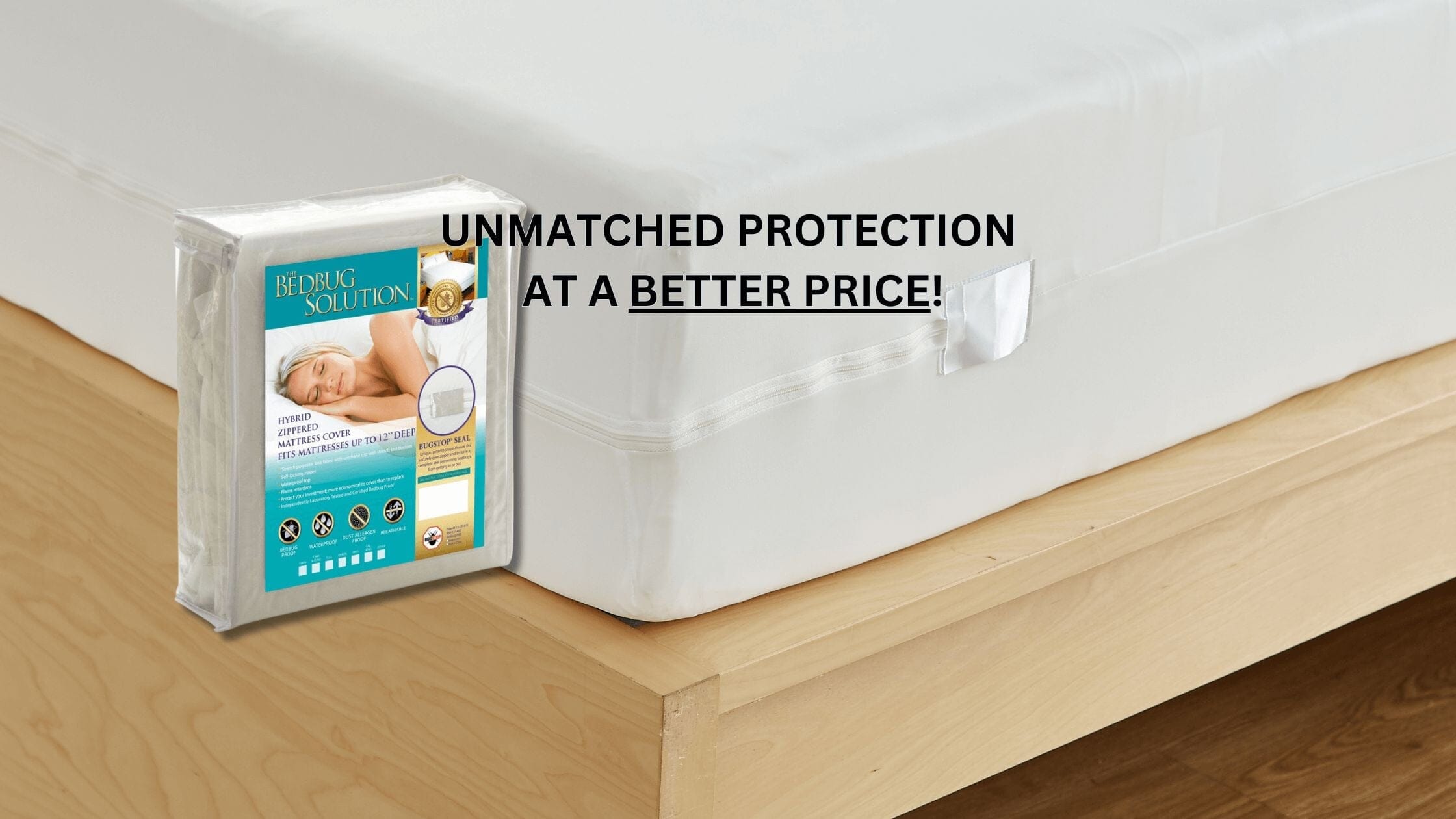
Look for covers that enclose the entire mattress and box spring, include separate encasements for each, and cover the bottom surface, which is a common weak spot. Partial or top-only covers leave your mattress vulnerable.
Sealed Zipper With Escape-Proof Design
The zipper is the weakest point. Choose models with double-seal zippers or zipper flaps, reinforced stitching, and lab-tested resistance to bug escape. Some brands use zip-lock seals or storm flaps to block tiny nymphs.
Lab-Tested and Certified
Only buy encasements verified by independent entomologists, third-party labs, and industry standards. Certification ensures no entry or escape by bed bugs, durability under stress, and long-term performance. Check product packaging for bed bug rated or tested to prevent entry and escape labeling.
Chemical-Free and Non-Toxic
Avoid encasements treated with pesticides. These expose you to insecticides during sleep, do not reliably kill bugs, and may cause skin irritation or respiratory issues. Opt for physical barrier-only models made from hypoallergenic, non-toxic materials.
How to Install and Maintain Encasements
Prep the Mattress First
Before installing, inspect thoroughly for bugs, dark spots, or shed skins. Vacuum all surfaces with a HEPA filter, scrub seams with a stiff brush, and remove debris before wiping with a damp cloth. Never install an encasement over an infested mattress, as trapping live bugs inside makes treatment harder.
Install in the Right Order
Cover the box spring first, then the mattress. Seal zippers completely and check for trapped air or folds. Get help with thick or heavy mattresses to avoid tearing the fabric during installation.
Never Remove It Prematurely
Once sealed, do not unzip for at least 12 to 18 months. Do not wash or dry clean unless the manufacturer specifies otherwise. Spot clean only with mild detergent. Unzipping too soon lets surviving bugs escape and restart the infestation.
Inspect Every Few Months
Check for tears or punctures, worn zipper teeth, and dirt or debris buildup. Replace the encasement immediately if damaged.
Complementary Bed Bug Prevention Strategies
Regular Inspections
Check weekly for live bugs, tiny white eggs in seams, dark fecal spots, and blood smears on sheets. Focus on mattress seams, headboard joints, and bed frame crevices.
Heat Treatment for Bedding
Kill bed bugs in laundry by washing in hot water at least 120 degrees Fahrenheit and drying on high heat for 30 minutes or more. Even if washing is not needed, toss clothes in the dryer for 30 minutes after travel.
Freezing Non-Washables
Items that cannot be heated, such as shoes or books, can be sealed in plastic bags and frozen at 0 degrees Fahrenheit for 4 days. Ensure items are dry before freezing to prevent moisture damage.
Steam Cleaning
Use a commercial steamer at least 120 degrees Fahrenheit to treat the mattress before encasement, box spring, upholstered furniture, and baseboards. Focus on seams, tufts, and folds, which are common bug hideouts.
Vacuum With HEPA Filter
Vacuum the mattress, box spring, bed frame, carpets, and nearby furniture. After vacuuming, seal the vacuum bag in a plastic bag and dispose of it in an outdoor trash can. Never use a bagless vacuum, as bugs can escape.
Use Interceptor Traps
Place climb-up bed bug interceptors under each bed leg. These trap bugs trying to climb up, help monitor for activity, and confirm when an infestation is gone. They work best on smooth bed frames where bugs cannot climb the inner walls.
Travel Smart to Avoid Infestations
Inspect Hotel Rooms Immediately
When checking in, place luggage on a rack and never on the bed or floor. Check mattress seams, headboard, and nightstands for dark spots, live bugs, or a sweet, musty odor. If you see signs, request a new room, preferably not adjacent or above or below the first.
Unpack Carefully After Trips
Unpack outside or in the garage. Wash all clothes in hot water and dry on high heat for at least 30 minutes. Inspect luggage and store it in a sealed plastic bin.
When to Call a Professional
DIY Is Not Enough for Active Infestations
If you have seen live bugs or multiple signs, call a licensed pest control expert. Do not rely on sprays or foggers, as they often spread bugs. Professionals use whole-room heat treatment, targeted steam and vacuuming, and safe, effective insecticides. Encasements increase treatment success by protecting mattresses during extermination.
Best Use Cases for Encasements
Encasements are recommended for apartments and condos where there is high risk of neighbor-to-neighbor spread, hotels and vacation rentals, college dorms and shared housing, frequent travelers, and after professional treatment to prevent reinfestation. They are not enough when dealing with severe infestations requiring full-home treatment, bugs in headboards or bed frames that must be cleaned or replaced, or infested furniture nearby.
Frequently Asked Questions About Mattress Covers and Bed Bugs
Do standard mattress protectors prevent bed bugs?
No. Standard mattress protectors only guard against spills, stains, and allergens. They fit like fitted sheets and leave the bottom and seams exposed, which are perfect entry points for bed bugs. They provide no barrier against insects.
How long does it take for bed bug encasements to work?
Encasements work through starvation, not instant killing. Trapped bed bugs typically die within 4 to 18 months, depending on temperature and life stage. Experts recommend leaving encasements sealed for at least 12 to 18 months to ensure all life stages are eliminated.
Can bed bugs still bite you if you have an encasement?
Yes. Encasements protect the mattress and box spring, not you. Bed bugs can still crawl onto the bed via bed frames, headboards, curtains, or bedding and bite you while you sleep. Encasements address the mattress hiding spots but do not prevent biting directly.
What should I look for when buying a bed bug encasement?
Look for full 360-degree coverage that encloses all six sides, a sealed zipper with flaps or double seals, lab testing and certification from independent entomologists, and chemical-free, non-toxic materials. Avoid chemically treated encasements that contain pesticides.
Can I use an encasement instead of professional pest control?
No. Encasements are a supplement, not a substitute, for comprehensive bed bug control. They protect the mattress and help starve trapped bugs, but they do not eliminate infestations elsewhere in the home. Active infestations require heat treatment, steaming, or professional extermination.
Key Takeaways for Preventing Bed Bugs with Mattress Covers
Standard mattress protectors do nothing against bed bugs. Only certified bed bug encasements offer real protection by trapping and starving bugs over time. They must be fully sealed, durable, and left in place for 12 to 18 months to be effective. Encasements are part of a broader system that includes heat treatment, vacuuming, interceptor traps, and professional help when needed.
For long-term peace of mind, invest in high-quality, chemical-free bed bug encasements for both your mattress and box spring. They represent one of the most effective, non-toxic ways to protect your mattress, simplify monitoring, and support treatment efforts. While they will not stop every bug, they remove a major battlefield from the war on bed bugs: your bed.