If you’ve ever wondered how firm a latex mattress really is, the answer isn’t one-size-fits-all. Latex mattresses can be precisely engineered to match your ideal firmness level, from plush-soft to extra-firm, thanks to their unique material properties and layered construction. Unlike memory foam that molds deeply or innersprings that feel rigid, latex delivers a balanced blend of support, responsiveness, and pressure relief.
The firmness of a latex mattress depends on several factors: the type of latex used, the Indentation Load Deflection rating of each layer, your body weight, and sleep position. This guide breaks down everything that affects latex mattress firmness so you can choose the exact feel that supports better sleep.
Measuring Firmness: The ILD Scale

The Indentation Load Deflection test is the standard method for measuring how firm latex feels. It measures how much force in pounds is needed to compress a 15-inch latex sample by 25% using a 4-inch-wide circular plate. A higher number means firmer foam.
What Is ILD and How It Works
The ILD test gives you objective data about firmness. A 20 ILD means 20 pounds of pressure compresses the foam by 25%. A 40 ILD means 40 pounds is needed, making it twice as firm. This isn’t a guess. It’s a repeatable lab test.
ILD applies to individual layers, not the whole mattress. The final feel also depends on layering, cover fabric, and your body weight.
ILD Ranges and Firmness Levels
ILD ratings map directly to firmness levels:
- 14-19 ILD: Soft, ideal for light side sleepers under 130 lbs
- 20-24 ILD: Medium-soft, best for side sleepers needing pressure relief
- 25-32 ILD: Medium to medium-firm, suits most combo sleepers
- 33-40 ILD: Firm, recommended for back and stomach sleepers
- 41-44 ILD: Extra-firm, for heavy individuals requiring maximum support
No consumer mattress exceeds 44 ILD. Beyond that, it’s industrial-grade material. Below 14 ILD is rare and usually only found in toppers.
How Sleep Position Affects Firmness

Your sleeping position directly impacts the firmness level you need for proper spinal alignment and pressure relief.
Side Sleepers: Cushion for Shoulders and Hips
Side sleepers need enough give in the top layer to let shoulders and hips sink slightly, keeping the spine straight. Too firm and you’ll feel pressure. Too soft and your hips drop out of alignment.
Ideal ILD range: 14-24 (soft to medium-soft)
Best latex type: Talalay, which is lighter and more responsive
Support strategy: Pair with a firm Dunlop core (36+ ILD) to prevent bottoming out
Visual cue: When lying on your side, your spine should form a straight line from neck to hips with no diagonal tilt.
Back Sleepers: Support for Spinal Alignment
Back sleepers need firm support to keep the lower back elevated and prevent the pelvis from sinking. This maintains a neutral spine and reduces lumbar strain.
Ideal ILD range: 35-44 (firm to extra-firm)
Best latex type: Dunlop, which is denser and more supportive
Warning: Soft mattresses below 30 ILD can cause back pain over time
Test tip: Slide a hand under your lower back when lying down. If it fits snugly, alignment is good.
Stomach Sleepers: Prevent Pelvic Drop
Stomach sleeping puts pressure on the abdomen. If the hips sink too far, it arches the back and strains muscles.
Ideal ILD range: 26-32 (medium-firm)
Best build: Firm top layer with slight cushioning underneath
Avoid: Soft or plush tops that increase sinkage and misalignment
Check: From the side, your body should form a straight line with no sagging hips or raised chest.
Combination Sleepers: Balance and Bounce
Combination sleepers switch positions often, so they need a surface that supports transitions without trapping motion.
Ideal ILD range: 25-32 (medium to medium-firm)
Why latex wins: Natural bounce lets you roll easily without the stuck feeling of memory foam
Best configuration: Medium-firm comfort layer over a firm Dunlop base
Bonus: Less motion transfer than coils and faster response than foam.
Body Weight and Firmness Matching
Your weight directly impacts how much you compress the foam. Two people on the same mattress will feel different firmness levels.
Lightweight Sleepers Under 130 lbs
Lighter bodies don’t compress foam as deeply, so softer layers provide better pressure relief.
Recommended ILD: 14-24
Best choice: Talalay top layer (16-20 ILD) with medium Dunlop base (28-32 ILD)
Risk: Firm mattresses above 30 ILD may feel too hard and cause discomfort
Sign of wrong firmness: Waking up with shoulder or hip pain after side sleeping.
Average-Weight Sleepers 130-200 lbs
This group makes up most adult sleepers and benefits from balanced support and cushioning.
Recommended ILD: 25-32
Ideal setup: Medium-firm comfort layer over firm base
Flexibility: Can adapt to side, back, or combo sleeping
Popular choice: Dual-firmness split beds for couples
Heavy Sleepers Over 200 lbs
More body mass means deeper compression. Without enough support, you’ll bottom out and lose spinal alignment.
Recommended ILD: 33-44
Must-have: High-density Dunlop base (40+ ILD, 5.3+ lb/ft³ density)
Top layer: Firm (33-40 ILD) to avoid excessive sink
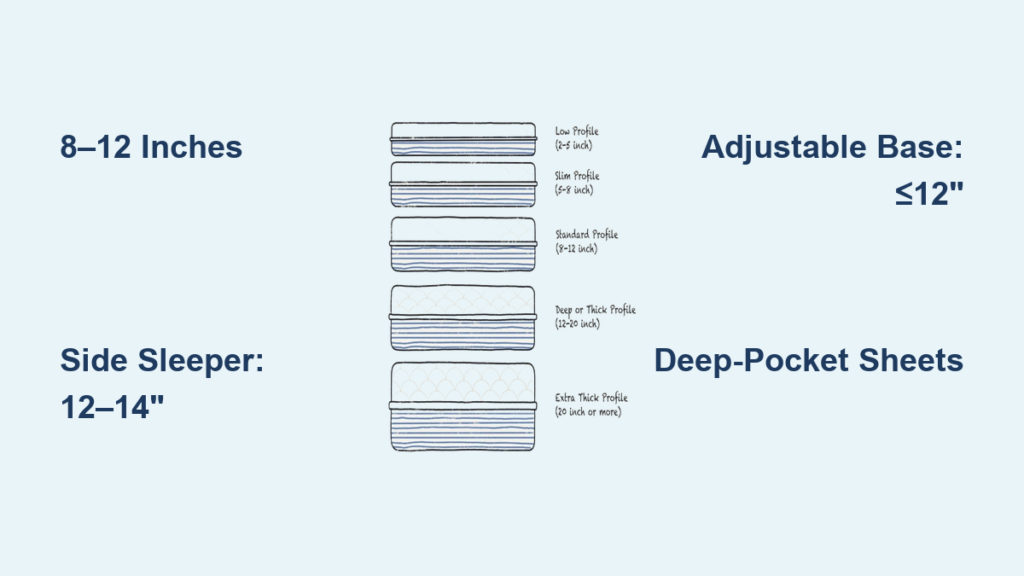
Mattress height: At least 10 inches total for proper layering
Durability key: Lower-density foams break down faster. Invest in thick, dense latex.
Dunlop vs. Talalay: Processing Differences
The manufacturing process significantly affects how latex feels, even at the same ILD rating.
Dunlop Latex: Dense and Supportive
Dunlop latex is poured and baked, causing heavier particles to sink and create a denser bottom section.
Feel: Firmer, heavier, more durable
Typical ILD: 24-44
Best for: Base layers and firm comfort layers
Even at the same ILD, Dunlop feels more substantial than Talalay. A 30 ILD Dunlop resists compression better and provides deeper support.
Talalay Latex: Light and Responsive
Talalay latex is vacuum-sealed, frozen, then baked, creating a uniform cell structure throughout.
Feel: Softer, bouncier, more consistent
Typical ILD: 14-32
Best for: Comfort layers and pressure relief
A 28 ILD Talalay feels like a medium-soft cloud. A 28 ILD Dunlop feels like a supportive cradle.
Layered Design and Customization
Most latex mattresses use three-layer systems to balance comfort and support.
How Layers Work Together
Top comfort layer (2-3 inches): Soft to medium-firm (14-32 ILD) determines initial feel
Transition layer (optional): Medium (28-36 ILD) smooths the shift to base
Base layer (6-8 inches): Firm to extra-firm (36-44 ILD) prevents sag and ensures durability
This design gives you softness on top with firmness underneath, providing both pressure relief and support.
Customization Options
Many brands let you personalize firmness.
Removable layers: Swap out comfort layers to adjust softness
Dual-firmness: Split sizes with different firmness on each side
Modular kits: Build your own stack with specific ILD combinations
Example: Spindle lets you rearrange three 3-inch layers. Put soft on top for side sleeping, firm on top for back sleeping.
Brand Examples
PlushBeds Botanical Bliss offers Medium (24 ILD comfort, rated 7/10) and Medium-Firm (36 ILD, rated 8.5/10). Free layer exchange is available within the trial period.
Spindle Organic Latex comes in Medium (ILD 26-29, density 4.68 lb/ft³) and Firm (ILD 34-37, density 5.31 lb/ft³).
Warning: ILD values aren’t cross-brand comparable. A 30 ILD from one company may feel different than another’s due to additives or processing.
Firmness Over Time: Durability
Latex is one of the most durable mattress materials, holding firmness longer than memory foam.
Why Latex Lasts Longer
Dunlop base layers last 10-15 years with minimal compression
Talalay comfort layers maintain resilience when protected by a firm base
High ILD means longer life. 40+ ILD foams resist body impressions best
Real-world data: Natural latex loses less than 5% firmness over 8 years, far less than memory foam’s 15-20%.
Preserving Firmness
Rotate every 3-6 months for even wear
Use breathable bedding like cotton or wool
Avoid standing or jumping on the mattress
Keep dry. Latex resists mold but degrades if damp long-term
Red flag: Permanent body impressions deeper than 1.5 inches mean the comfort layer is too soft for your weight.
Comparing Latex to Other Mattresses
Latex offers distinct advantages over other mattress types.
Latex vs. Memory Foam
Latex provides high firmness control with precise ILD ratings
Latex is bouncy with quick recovery versus slow hugging feel
Latex has low heat retention from natural breathability
Latex maintains stable firmness over time versus memory foam that softens
Latex vs. Innerspring
Latex offers consistent support across the surface
Latex provides solid edge support with no roll-off
Latex has good motion isolation
Latex lasts 10-15 years versus 5-8 years for innersprings
Latex vs. Hybrid
Pure latex wins on longevity and material purity
Hybrids offer more bounce at the cost of complexity
Hybrids last 8-12 years versus latex at 10-15 years
Selecting the Right Firmness
Follow these best practices when choosing your latex mattress firmness.
Use ILD as a Guide
Same ILD doesn’t mean same feel. A 30 ILD from one brand may feel softer than another due to additives, processing methods, and layer thickness.
Action step: Read reviews focused on feel, especially from people near your weight.
Test With a Sleep Trial
Most quality latex brands offer 90-120 night trials.
Break-in period: Latex softens slightly in the first 2-4 weeks
True test: Wait at least 30 nights before judging firmness
Use the trial: Swap layers or return if it’s not right
Layer Smartly
Avoid all-soft or all-firm builds.
Soft top plus firm base gives pressure relief plus support
Medium-firm throughout works for most sleepers
Pro tip: Add a 1-inch wool topper for warmth and slight cushioning.
Match Your Foundation
Slatted base provides slight give and may soften feel slightly
Solid platform gives firmer, more stable feel
Adjustable base can make the mattress feel softer due to bending
Warning: Gaps wider than 3 inches between slats can damage latex. Use plywood if needed.
Plan for the Long Term
Choose firmness that accommodates weight fluctuations, aging joints, and chronic back conditions. A slightly firmer mattress today may serve you better in 5 years.
Frequently Asked Questions About Latex Mattress Firmness
What firmness level is best for side sleepers?
Side sleepers typically need soft to medium-soft latex (14-24 ILD) to allow shoulders and hips to sink slightly while maintaining spine alignment. Talalay latex works best for the comfort layer due to its responsive, conforming properties.
Can I change the firmness of a latex mattress after purchase?
Yes, many latex mattresses feature removable or interchangeable layers. Brands like PlushBeds and Spindle offer free layer exchanges during trial periods. You can also add a topper to soften the feel or place a firmer layer underneath.
Does latex firmness change over time?
Natural latex maintains its firmness remarkably well. High-quality latex loses less than 5% firmness over 8 years, compared to memory foam which can soften 15-20%. Regular rotation and proper care help preserve the original feel.
How do I know if my latex mattress is too firm?
Signs of excessive firmness include pressure points causing pain, difficulty moving or changing positions, and feeling like you’re lying on top of the mattress rather than in it. A hand should slide snugly under your lower back when lying down.
Is a firmer latex mattress more durable?
Generally, yes. Higher ILD latex is denser and more resistant to compression. Dunlop latex at 40+ ILD offers the best longevity, especially in support layers. However, comfort layers naturally soften slightly over time regardless of firmness.
What’s the ideal firmness for combination sleepers?
Combination sleepers benefit from medium to medium-firm latex (25-32 ILD). This range supports back sleeping while still providing enough cushioning for side positions. The natural bounce of latex also helps with position transitions.
Key Takeaways for Choosing Latex Mattress Firmness
A latex mattress isn’t just firm or soft. It’s engineered to be exactly as firm as you need it to be. The ILD scale provides objective measurement, but real-world feel depends on layering, body weight, and sleep position.
Remember these core points when shopping. First, match ILD to your sleep position. Side sleepers need 14-24 ILD, back sleepers need 35-44 ILD, and stomach sleepers need 26-32 ILD. Second, consider your body weight. Lightweight sleepers should choose softer latex, while heavier individuals need firmer support layers. Third, choose Dunlop for support and Talalay for comfort. Dunlop provides density and durability for base layers, while Talalay offers cushioning and responsiveness for top layers.
Finally, take advantage of sleep trials. Use the 90-120 night trial period to test your mattress and exchange layers if needed. Your perfect firmness level is out there. Use the ILD scale as your guide, test with a trial, and build a mattress that works for you.