Finding the right mattress becomes critical when you weigh over 230 lbs. A standard mattress may sag, overheat, or fail within just a few years under heavier weight, leading to poor sleep and chronic body pain. The best mattress for a heavy person combines high weight capacity, firm yet balanced support, strong edge construction, and effective cooling features. This guide walks you through exactly what to look for, using expert testing data and real user experiences to help you make an informed decision.
Weight Capacity Requirements for Heavy Sleepers

Minimum 500 lbs Per Side
For anyone over 230 lbs, aim for a mattress rated for at least 500 lbs per side. Many standard beds max out at 250 to 300 lbs per side, which significantly increases the risk of premature sagging and can void the warranty if exceeded. Look for models like the Titan Plus Core, WinkBed Plus, and Helix Plus, all engineered to support up to 500 lbs per side. These beds feature reinforced coils and high-density base foams designed to withstand long-term pressure. If you share the bed with a partner who is also heavy, ensure the total system capacity reaches 1,000 lbs. Airbeds like Sleep Number go even further, supporting up to 1,000 lbs per side thanks to adjustable air chambers.
Avoid Under-Rated Models
Mattresses rated for only 250 to 300 lbs may work for lighter individuals but often fail under heavier loads. While the Nectar Classic is affordable and sleeps cool, its base foam is not dense enough for long-term use by those over 300 lbs. Always check manufacturer specifications before buying. Exceeding weight limits not only shortens the lifespan but can void the warranty entirely. If you weigh 300 lbs or more, skip budget all-foam beds unless they explicitly state high weight capacity and use base foam with density of 2.0 lb per cubic foot or higher.
Optimal Firmness Levels for Heavy Sleepers
Finding Your Ideal Firmness Range
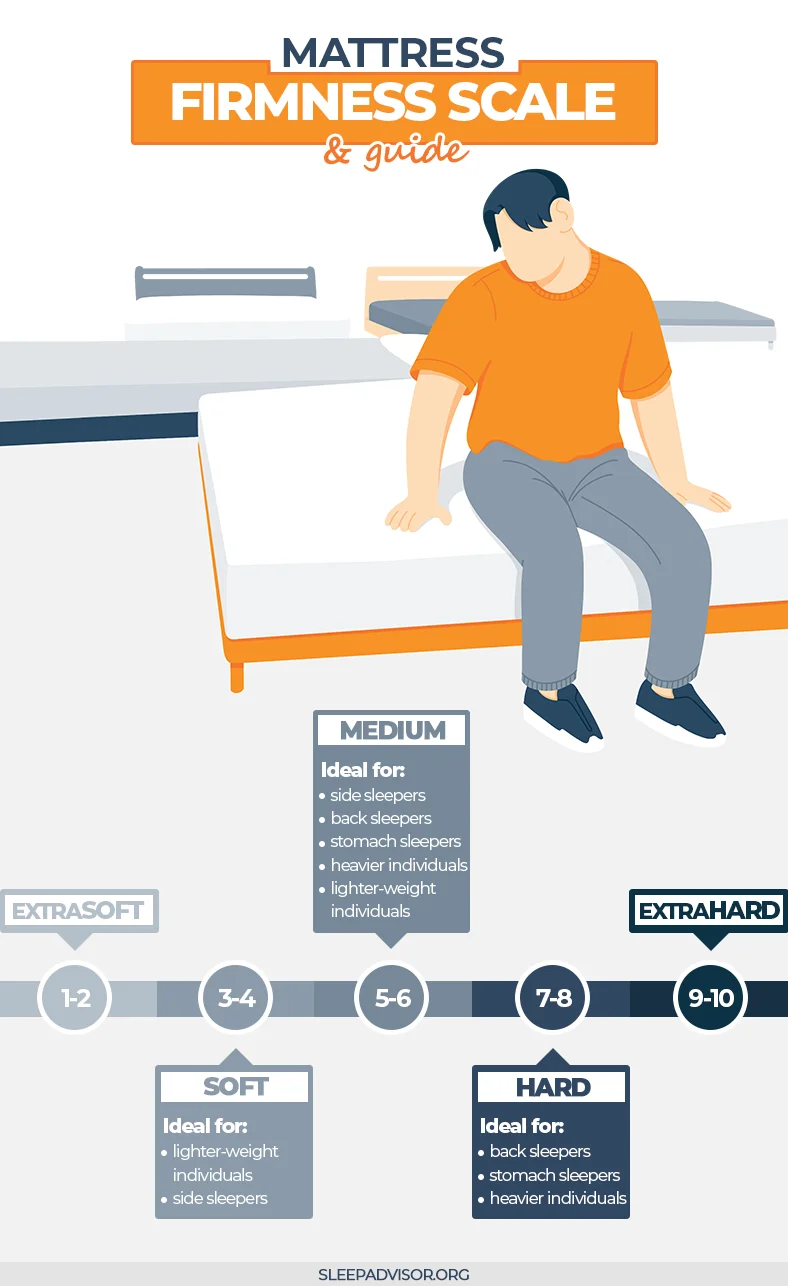
The ideal firmness for a heavy sleeper falls between 6.5 and 8 out of 10 on the firmness scale, depending on your sleeping position. This range provides enough cushioning to relieve pressure while maintaining structural support to prevent excessive sinking. Back sleepers benefit from 7 to 8 out of 10 firmness for proper lumbar alignment. Side sleepers need 6.5 to 7.5 out of 10 to cushion hips and shoulders without losing spinal support. Stomach sleepers should choose 7.5 to 8 out of 10 to stop the hips from sinking too deeply, which causes lower back strain. Combination sleepers do best with a 7 out of 10 balance, firm enough to support but responsive enough to shift positions easily.
Why Extra-Firm Is Not Always Better
A common myth is that heavier people always need the firmest bed possible. However, overly firm mattresses can create pressure points, especially for side sleepers with broad shoulders or wide hips. If your abdomen carries extra weight, you may need some contouring to avoid discomfort. The goal is support with slight sinkage, not a rigid surface. Models like the Nolah Evolution Comfort+ and Leesa Plus Hybrid offer this balance, combining firm support with targeted pressure relief.
Support and Spinal Alignment Essentials
High-Density Materials That Actually Last
Spinal alignment is critical for pain-free sleep. To maintain a neutral spine, your mattress must resist compression under your heaviest points, which are the hips, abdomen, and shoulders. Look for foam layers with density of 1.8 lb per cubic foot or higher and base foams with density of 2.0 lb per cubic foot or higher. These high-density materials prevent the hammock effect where you sink too deeply. In hybrids, pocketed coils with 12 to 14 gauge steel offer superior load-bearing strength. The WinkBed Plus uses industrial-strength coils, while the Saatva HD features dual coil systems with one layer for support and another for contouring.
Zoned Support for Lumbar Relief
Zoned support, especially in the lumbar region, helps maintain proper spinal curvature. The Helix Plus and Nolah Evolution Comfort+ use zoned coils that are firmer in the center third of the bed, providing targeted reinforcement where you need it most. This prevents lower back sagging and reduces morning stiffness. If you suffer from back pain, prioritize models with reinforced lumbar zones and a firmness of 7 to 8 out of 10. These features are why the WinkBed Plus is frequently recommended by chiropractors and pain specialists.
Pressure Relief for Side Sleepers
Getting Cushioning Without Collapse
Side sleepers need deep pressure relief at the shoulders and hips, but too much softness leads to misalignment. The best pressure relief comes from contouring comfort layers made of memory foam, latex, or gel-infused foams. The Nolah Evolution Comfort+ uses AirFoamICE, a proprietary foam that cushions joints while resisting compression. For heavy side sleepers, memory foam density should be 4.0 lb per cubic foot or higher to avoid bottoming out. All-foam models can work, but only if they are firm enough and thick enough, at least 12 inches.
Testing for Balanced Support
A mattress that scores 4 out of 5 or higher in both back and side pressure relief is ideal. The Titan Plus Core and Helix Plus deliver this balance, allowing side sleepers to sink slightly without losing support. Avoid beds with thick, plush pillow tops because they may feel soft initially but compress quickly under heavier weight, leading to long-term discomfort.
Edge Support That Actually Holds Up
Reinforced Perimeter Construction
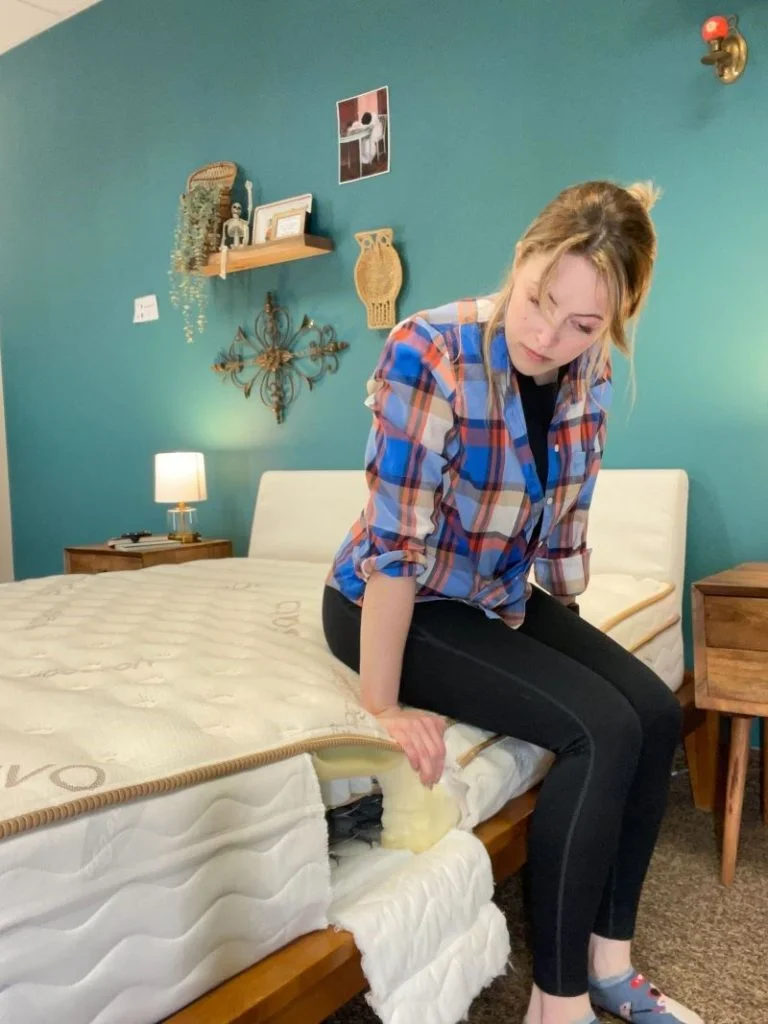
Strong edge support is essential for heavy individuals. It allows full use of the bed, makes sitting on the edge easier, and prevents the roll-off sensation. Look for dense foam encasement, reinforced coils, or flexible border rods around the perimeter. The Birch Luxe Natural scores 4.7 out of 5 in edge support thanks to its natural latex and sturdy border. The Brooklyn Bedding Aurora Luxe uses a dual-steel coil edge for stability, scoring 4.6 out of 5. Without strong edges, usable sleeping space shrinks and durability drops significantly.
Why Weak-Edge Budget Beds Fail
The Nectar Classic has only 3.4 out of 5 edge support, making it unstable for heavier users who sit or sleep near the edge. Even if the center feels supportive, weak edges increase sag risk and reduce longevity. If you are over 300 lbs or share the bed, prioritize models with edge support of 4.0 out of 5 or higher. The DreamCloud and Titan Plus Core are better choices for full-bed utilization and easier mobility.
Cooling Solutions for Hot Sleepers
Hybrid and Latex Sleep Cooler
Heavy individuals often sleep hotter due to increased body mass and surface contact with the mattress. Hybrid and latex models sleep cooler than all-foam because airflow through coil layers dissipates heat effectively. The Nectar Classic scores 5 out of 5 for cooling thanks to its temperature-neutral cover, but its poor edge support limits its use for heavier sleepers. The Titan Plus Core with Glaciotex cover offers excellent breathability and is praised by users as the coolest mattress they have ever slept on.
Active Cooling Features to Look For
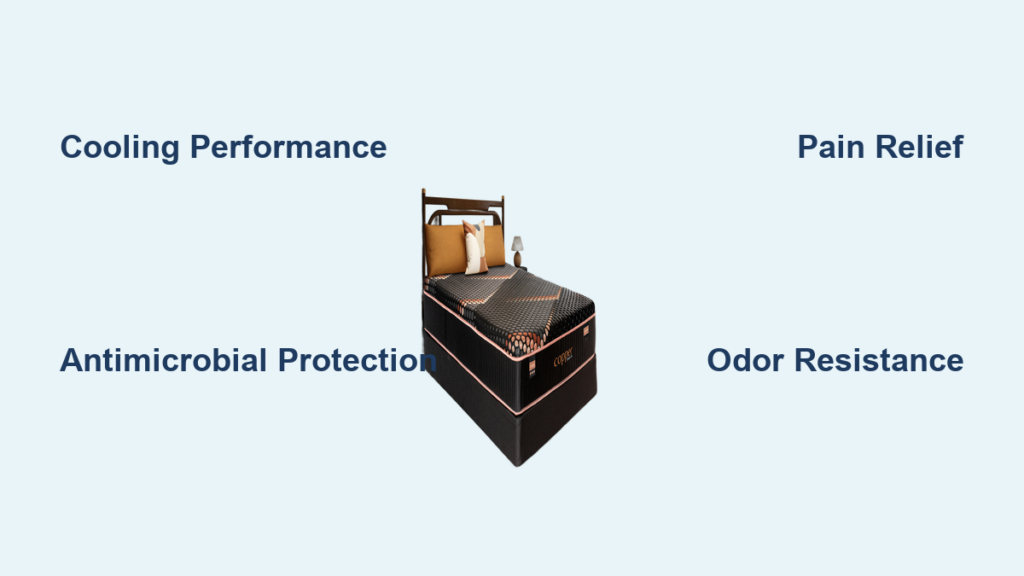
Cooling is not just about airflow, it is built into the materials. Key features include gel-infused foams, phase-change materials, copper or graphite infusions, and breathable covers made of Tencel, bamboo, or cotton. The Bear Elite Hybrid uses copper-infused foam for heat dissipation, though its thick pillow top can still trap warmth. Avoid all-foam beds without cooling technology because most retain heat unless specifically engineered for breathability.
Durability and Longevity Expectations
Getting 7 to 10 Years From Your Mattress
With proper materials, a mattress should last 7 to 10 years under heavy use. Signs of failure include sagging deeper than 1.5 inches, permanent body impressions, and loss of support or responsiveness. To maximize lifespan, choose models with high-density base foams of 2.0 lb per cubic foot or higher, tempered steel coils, and reinforced edge construction. The Big Fig mattress is known for its ultra-durable foundation, designed specifically for heavy users. While it has not innovated recently, its build quality remains solid for back sleepers who prioritize longevity.
Warranty and Trial Periods Matter
Look for 10-year non-prorated warranties as the best indicator of durability. Brands like WinkBed and Titan offer lifetime warranties, though these often become prorated after 10 years. Sleep trials should be 100 to 365 nights to test long-term performance. The DreamCloud offers a 365-night trial, one of the longest in the industry. Most brands require a supportive foundation, and sleeping on the floor or a weak box spring may void the warranty.
Best Mattress Types for Heavy Sleepers
Why Hybrids Dominate
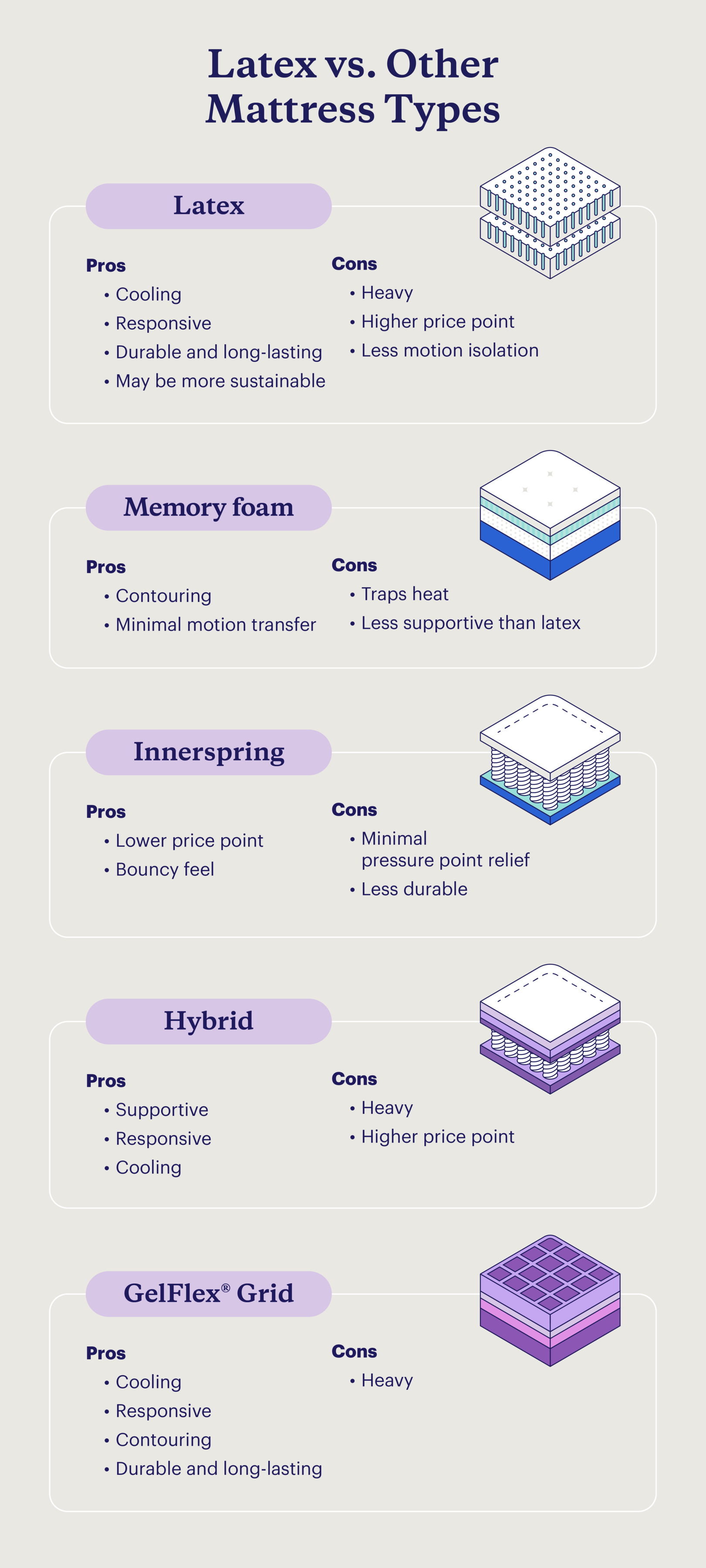
Hybrid mattresses are the best choice for most heavy individuals. They combine coil support with foam or latex comfort layers, offering strong support, good airflow, excellent edge stability, and a responsive surface. Top picks like the Titan Plus Core, Helix Plus, and WinkBed Plus are all hybrids that handle weight well, resist sagging, and provide balanced comfort. For couples, hybrids offer superior motion isolation and dual weight capacity.
When All-Foam Can Work
All-foam can work if it is firm and high-density. The Nectar Classic is a budget-friendly option for back sleepers under 300 lbs. However, most all-foam beds lack edge support and heat up over time. Avoid low-density foams under 1.5 lb per cubic foot because they compress quickly under heavy use.
Latex and Airbed Alternatives
Natural latex hybrids like the Birch Luxe Natural are durable, responsive, and eco-friendly. They sleep cool and resist sagging, making them great for back and side sleepers who want a sustainable option. However, they are heavier and more expensive than standard hybrids. Airbeds like Sleep Number let you adjust firmness on each side, ideal for couples with different preferences. They support up to 1,000 lbs per side and offer excellent adjustability, though they are pricier and require maintenance.
Matching Mattress to Your Sleep Position
Best Mattresses for Back Sleepers
Back sleepers need 7 to 8 out of 10 firmness and lumbar reinforcement. The WinkBed Plus offers 8 out of 10 with zoned support. The Titan Plus Core provides 7.5 out of 10 with responsive feel. The Big Fig delivers firm, durable foundation support. These keep the spine neutral and reduce lower back pain effectively.
Best Mattresses for Side Sleepers
Side sleepers need 6.5 to 7.5 out of 10 firmness with hip and shoulder cushioning. The Nolah Evolution Comfort+ offers 7 out of 10 with zoned coils. The Helix Plus provides 7 out of 10 with pressure-relieving layers. The Leesa Plus Hybrid delivers 6.5 out of 10 and is ACA-endorsed. These models prevent pressure points while maintaining proper alignment.
Best Mattresses for Stomach Sleepers
Stomach sleepers must avoid hip sinkage. Choose 7.5 to 8 out of 10 firmness. The WinkBed Plus at 8 out of 10 keeps hips lifted. The DreamCloud at 7.5 out of 10 provides balanced support. A firm surface keeps hips elevated and spine straight.
Best for Combination Sleepers
You need a responsive surface to move easily. The Titan Plus Core and Bear Elite Hybrid both score 5 out of 5 for responsiveness. The Helix Plus also scores 5 out of 5. Avoid slow-foam beds because they hinder repositioning throughout the night.
Foundation and Setup Requirements
Use a Supportive Base
A mattress is only as strong as its foundation. Use platform beds, slatted frames with slats no more than 3 inches apart, or heavy-duty adjustable bases. Avoid standard box springs because they compress under weight. The Big Fig foundation is the most durable option for heavy users. Placing a mattress directly on the floor risks moisture buildup, mold, and sagging.
White-Glove Delivery Worth the Cost
Many heavy mattresses offer white-glove delivery, including old mattress removal and setup. This is worth the cost because these beds can weigh over 100 lbs and are difficult to maneuver alone. Brands like Big Fig and Nolah provide this service.
Final Recommendations by Need
Best Overall: Titan Plus Core
This mattress combines 7.5 to 8 out of 10 firmness, 5 out of 5 responsiveness, and 500 lbs per side support. It delivers excellent balance of support, cooling, and durability for most heavy sleepers.
Best for Back Pain: WinkBed Plus
This extra-firm option at 8 out of 10 features zoned support and industrial coils. It is ACA-recommended for lumbar relief and provides exceptional cooling.
Best for Couples: Helix Plus
This mattress offers near-perfect motion isolation at 4.5 out of 5 and 500 lbs per side capacity. It is ideal for undisturbed sleep even when sharing the bed.
Best for Side Sleepers: Nolah Evolution Comfort+
This model provides deep contouring with zoned coils and zero off-gassing. It delivers luxurious feel while maintaining supportive structure.
Best Budget Option: Nectar Classic
At approximately $650 for a queen, it is the most affordable choice. It offers great cooling and motion isolation but only for those under 300 lbs.
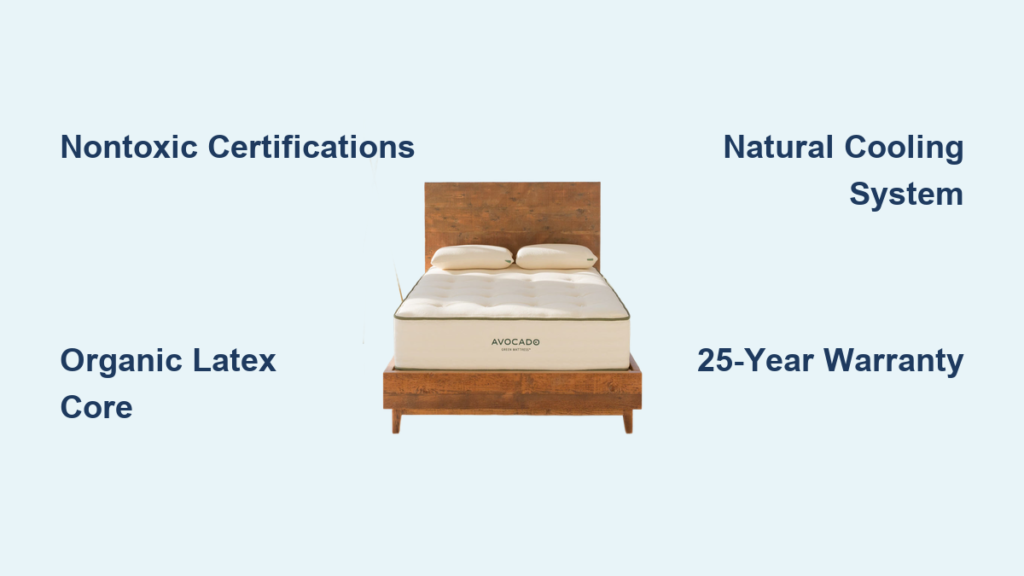
Best Eco-Friendly: Birch Luxe Natural
This mattress uses natural latex with 4.7 out of 5 edge support and 5 out of 5 responsiveness. It is ideal for green-conscious buyers who want sustainable materials.
Frequently Asked Questions About Choosing a Mattress for Heavy People
What firmness level is best for a heavy person?
The ideal firmness range is 6.5 to 8 out of 10, depending on your sleeping position. Back sleepers need 7 to 8 out of 10, side sleepers need 6.5 to 7.5 out of 10, and stomach sleepers need 7.5 to 8 out of 10. The key is finding balance between support and pressure relief.
How much weight capacity do I need in a mattress?
For individuals over 230 lbs, look for a mattress rated for at least 500 lbs per side. This ensures the bed can handle your weight without premature sagging. Couples where both partners are heavy should aim for total system capacity of 1,000 lbs or more.
Can a heavy person use an all-foam mattress?
Yes, but only if it is firm enough and made with high-density materials. The base foam should be 2.0 lb per cubic foot or higher, and the mattress should be at least 12 inches thick. However, hybrids generally perform better for heavy sleepers due to superior edge support and durability.
What is the best mattress type for heavy sleepers?
Hybrid mattresses are the top recommendation because they combine coil support with foam comfort layers. They offer the best balance of support, durability, cooling, and edge stability. Look for hybrids with reinforced coils and high-density base foams.
How thick should a mattress be for a heavy person?
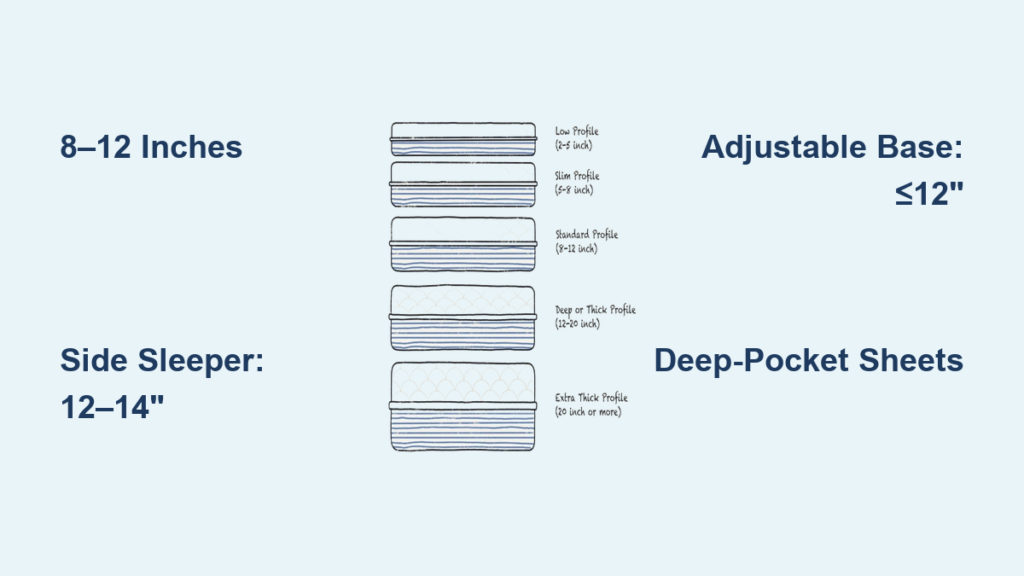
Aim for at least 12 inches of thickness to prevent bottoming out. Thicker models between 13.5 and 15 inches, like the WinkBed Plus and Nolah Evolution Comfort+, provide deeper comfort layers and better long-term support.
Do I need a special foundation for a heavy mattress?
Yes, use a platform bed, slatted frame with slats no more than 3 inches apart, or a heavy-duty adjustable base. Standard box springs often compress under heavier weight and may void your warranty. The Big Fig foundation is specifically designed for heavy users.
Key Takeaways for Choosing the Right Mattress
Finding the best mattress for a heavy person comes down to prioritizing four essential features. First, ensure the mattress has a weight capacity of at least 500 lbs per side to prevent premature sagging and voided warranties. Second, choose a firmness between 6.5 and 8 out of 10 that matches your sleeping position, balancing support with pressure relief. Third, look for high-density materials including foam layers at 1.8 lb per cubic foot or higher and base foams at 2.0 lb per cubic foot or higher. Fourth, select a hybrid design with reinforced edge support and strong coil systems for durability. Take advantage of long sleep trials to test the mattress in your own home, and invest in a supportive foundation to maximize the lifespan of your purchase. With the right research and product selection, restful, pain-free sleep is absolutely achievable regardless of your body size.