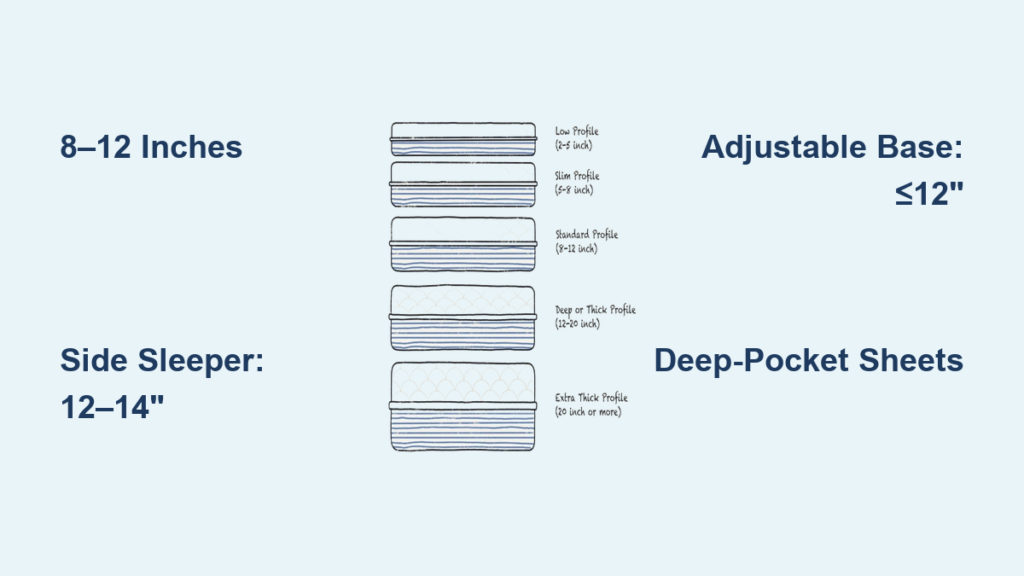
Choosing the right mattress for a child isn’t just about comfort—it directly impacts their physical development, sleep quality, and long-term health. Children spend up to 14 hours a day sleeping in their early years, making proper spinal alignment and support essential for growth. A poor-quality or unsuitable mattress can lead to irritability, poor concentration, and weakened immunity. This guide walks you through exactly how to choose a mattress for a child, covering age-specific needs, safety certifications, material options, and expert recommendations to help you make a confident decision.
Match Mattress to Your Child’s Age and Developmental Stage
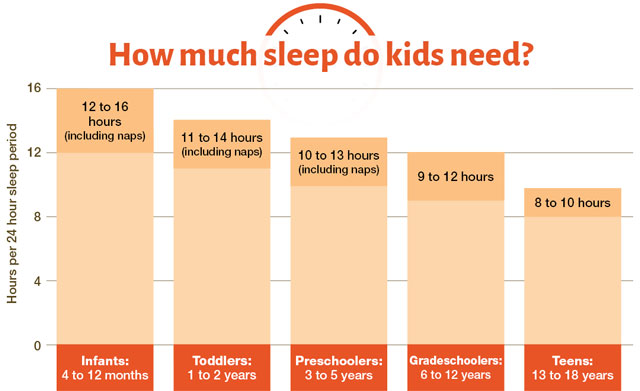
A child’s sleep needs change rapidly. What works for a toddler won’t suit a growing teen. Selecting the right mattress means aligning firmness, size, and safety features with specific developmental milestones.
Infants Need Firm, Flat Surfaces for Safe Sleep
For babies aged 0 to 12 months, firmness is non-negotiable. A soft or sagging mattress increases the risk of suffocation and Sudden Unexpected Infant Death. The surface must remain flat and tight-fitting in the crib with no gaps where a baby could become trapped. Look for mattresses that don’t compress under light pressure. Organic cotton or wool covers provide breathability while reducing chemical exposure. Always air out a new mattress for 2 to 3 days before first use to minimize off-gassing and chemical odors.
Toddlers Transition to Low, Sturdy Beds
When moving from crib to toddler bed around ages 1 to 3, prioritize low bed height—around 25.5 inches—for safe, independent access. The mattress should remain firm to support a rapidly developing spine and withstand active rolling and jumping. A snug fit inside the bed frame prevents entrapment hazards. Consider a junior-size mattress for transition or jump directly to a Twin size for longer-term value.
School-Age Kids Need Balanced Support and Comfort
Children ages 3 to 12 grow quickly, and their mattress must adapt. Look for medium to medium-firm support that balances cushioning with proper spinal alignment. Active sleepers benefit from responsive materials like latex or hybrid coils. Side sleepers need pressure relief at hips and shoulders, while back sleepers require even support throughout. Flippable mattress models extend usability—a softer side for younger years and a firmer side during growth spurts.
Teens Need Durable, Cooling Mattresses
Teenagers ages 13 to 17 require a mattress that handles increased body weight, supports recovery from active days, and adapts to changing sleep habits. A medium-firm feel rated 6.5 to 7.5 out of 10 works best for most teens. Hybrid or latex models provide durability, strong edge support, and temperature control. Consider Twin XL or Full size for taller teens—these sizes avoid frequent upgrades and offer long-term value extending into college years.
Select the Right Mattress Type for Your Child’s Needs
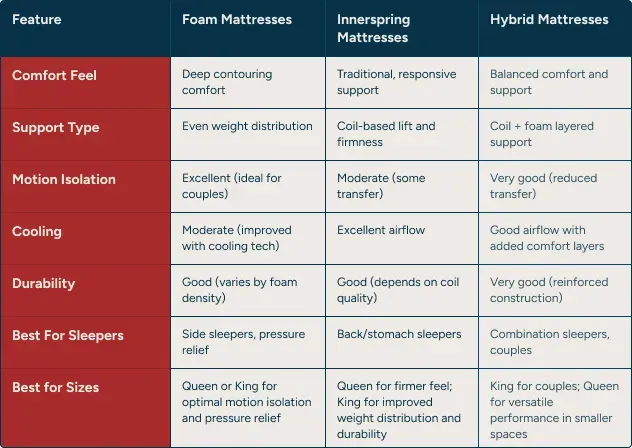
Each mattress type offers distinct benefits. The best choice depends on your child’s age, sleep style, and any sensitivity to heat or motion.
Innerspring Mattresses: Supportive and Breathable
Innerspring mattresses use coil systems with foam padding to provide support and durability. They’re naturally breathable, making them good for children who sleep hot. Individually wrapped coils reduce motion transfer—ideal if your child shares a bed or moves frequently during sleep. However, basic models may develop squeaks over time and lack deep pressure relief for side sleepers.
Memory Foam Mattresses: Contouring and Quiet
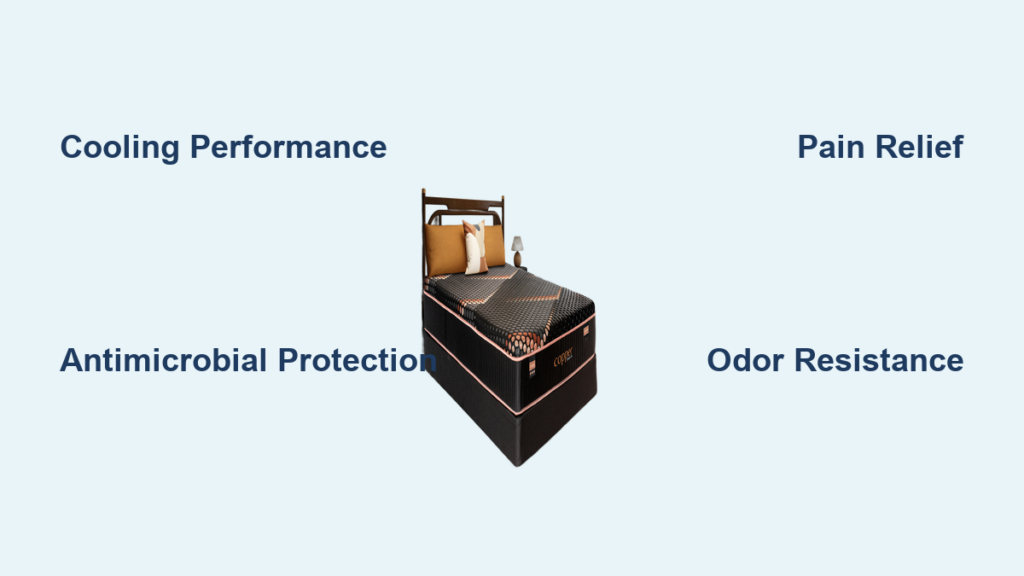
Memory foam conforms closely to the body, relieving pressure points and isolating motion—perfect for light sleepers who wake easily. It’s quiet and stable, but lower-end versions can trap heat. Look for gel-infused, open-cell, or copper-infused foam to improve cooling performance. Avoid overly soft models for young children, as they may sink too much and compromise spinal alignment.
Hybrid Mattresses: Best of Both Worlds
Hybrid mattresses combine foam or latex comfort layers with a coil support core. They offer excellent support, breathability, and edge strength—ideal for growing children. The coil system enhances airflow, reducing overheating common with all-foam beds. Premium hybrids use pocketed coils to minimize motion transfer. While heavier and pricier, they last longer and represent a smart long-term investment.
Latex Mattresses: Natural and Resilient
Natural latex is responsive, durable, and naturally resistant to dust mites and mold. It’s cooler than traditional memory foam and eco-friendly when certified organic. However, latex can feel too firm for younger kids and may have a slight rubber smell initially. It’s best suited for older children and teens who need bounce and robust support.
Air Mattresses: Temporary Use Only
Air mattresses are adjustable and portable, but they’re not recommended for daily long-term use. They lack consistent support and durability for growing children. Reserve air mattresses for guests, camping trips, or short-term transitional needs only.
Prioritize Safety and Certifications

Children are more vulnerable to chemical exposure and overheating than adults. Always verify safety standards and certifications before purchasing.
Essential Certifications to Look For
Look for these key certifications when shopping for a child’s mattress:
- GREENGUARD Gold: Ensures low chemical emissions—safe for sensitive developing systems
- CertiPUR-US: Certifies foam is free from formaldehyde, heavy metals, and phthalates
- OEKO-TEX Standard 100: Tests fabrics for harmful substances
- GOTS and GOLS: Verify organic cotton and latex for eco-conscious families
- EN 16890: European standard for child mattress safety including firmness, flame resistance, and chemical content
Materials to Avoid
Steer clear of fiberglass insulation, which can irritate skin and lungs if it escapes the cover. Avoid unverified or unknown materials entirely. Use the Danish EPA’s Tjek Kemien app to scan products for harmful chemicals listed by the EU.
Choose the Correct Size for Growing Children
Picking a size that accommodates growth prevents frequent replacements and saves money over time.
Mattress Size Guide by Age
| Size | Dimensions | Best For |
|---|---|---|
| Junior | Approximately 50″ x 25.5″ | Toddlers transitioning from crib |
| Twin | 38″ x 75″ | Young children, small rooms |
| Twin XL | 38″ x 80″ | Taller children and teenagers |
| Full | 54″ x 75″ | Older kids needing more space |
| Queen | 60″ x 80″ | Shared rooms or teens |
Pro tip: If your child is tall or likely to grow quickly, jump to Twin XL or Full size early. It’s more cost-effective than replacing a Twin mattress in just a few years.
Get Firmness Right for Each Age Group
Firmness directly affects spinal health and comfort. A mattress too soft provides poor support, while one too firm causes discomfort and resistance to sleep.
Firmness Recommendations by Age
- Toddlers: Firm support prevents sinking and properly supports developing spines
- Children ages 3 to 12: Medium to medium-firm balances comfort with proper alignment
- Teens: Medium-firm handles increased weight and supports side sleeping positions
Use Flippable Mattresses for Flexibility
Dual-sided mattress models let you adapt firmness as your child grows. The softer side works for younger kids who prefer cushioning, while the firmer side supports growth spurts and heavier body weights. Top flippable picks include Helix Kids, Nectar Kids, and Nolah Nurture Kids.
Ensure Proper Temperature Regulation
Children overheat more easily than adults due to their higher surface-area-to-mass ratio. A hot mattress disrupts sleep and causes night sweats, affecting rest quality.
Cooling Features to Look For
Select mattresses with these cooling technologies:
- Breathable covers made from Tencel or organic cotton
- Gel-infused or open-cell foam construction
- Copper-infused layers for heat dissipation
- Coil ventilation in hybrid models
- Phase-change materials in premium options
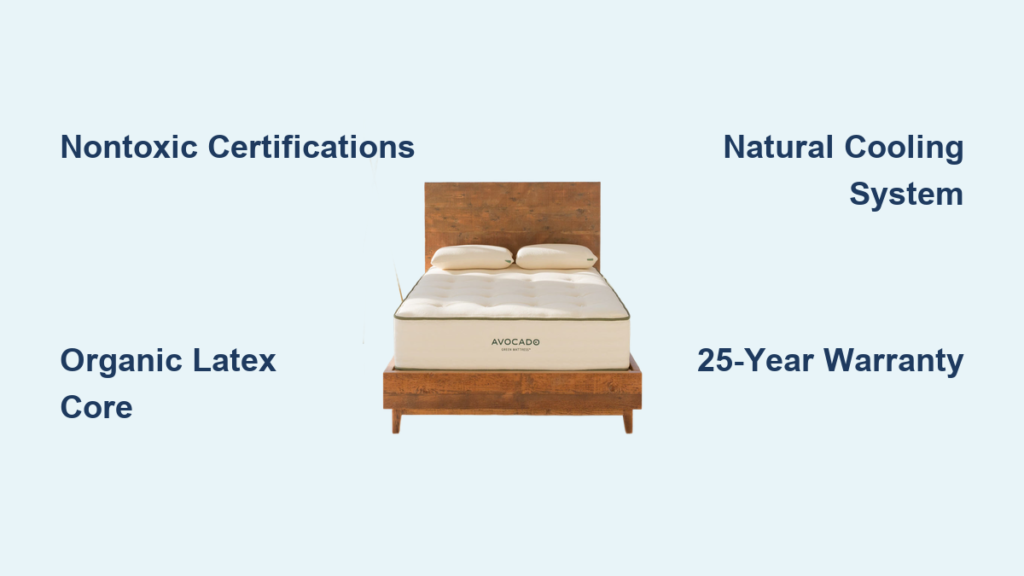
Top cooling mattresses for kids include Leesa Kids with open-cell foam and breathable cover, and Avocado Eco Organic with natural latex and organic cotton.
Maintain Hygiene and Extend Mattress Life
A clean, well-maintained mattress lasts longer and stays healthier for your child.
Choose Washable, Stain-Resistant Covers
Spills, sweat, and nighttime accidents happen frequently with children. A removable, machine-washable cover is essential. Look for waterproof yet breathable finishes that block liquids without trapping heat.
Use a Mattress Protector
Add a breathable, waterproof protector to shield against stains, allergens, and bedwetting without affecting comfort. This simple addition significantly extends mattress lifespan.
Rotate and Flip Regularly
Rotate the mattress every 3 to 6 months to prevent uneven sagging. Flippable models double the usable lifespan by allowing rotation between sides. Never allow jumping on the mattress—this damages internal coils and foam.
Avoid Secondhand Mattresses
Old mattresses lose firmness, harbor dust mites, and may contain contaminants that pose health risks. Always buy new, especially for infants and toddlers whose immune systems are still developing.
Check Warranty and Trial Period Before Buying
Peace of mind comes with testing the mattress and having protection against defects.
Look for Generous Trial Periods
A 100 to 120 night trial period lets your child adjust to the new mattress while you assess comfort and quality. Most online mattress brands offer free returns during this period.
Choose Strong Warranty Coverage
Opt for 10-year or lifetime warranties covering sagging deeper than 1.5 inches, body impressions, and material defects. Read the fine print to understand requirements—some warranties require a specific type of foundation or box spring.
Top Mattress Recommendations by Category
Best Overall: Helix Kids
This flippable hybrid offers medium-soft and medium-firm sides, breathable coils, and a Tencel cover. It includes a 120-night trial and lifetime warranty, making it an excellent long-term investment.
Best for Young Kids: Bear Cub
A firm hybrid rated 6.8 out of 10, GREENGUARD Gold certified, with gel memory foam and wrapped coils. Perfect for active sleepers who need consistent support.
Most Comfortable: Nectar Kids
Dual-sided memory foam with firm and soft options. Excellent motion isolation and pressure relief make this a quiet, comfortable choice.
Best Value: Brooklyn Bedding BB Kids
Budget-friendly pricing between $200 and $400 with firm foam and a stain-resistant cover. A solid choice for cost-conscious parents.
Best Organic: Birch Kids
Latex-hybrid with GOTS and GOLS certifications. Made with organic cotton, wool, and natural latex—ideal for eco-conscious families.
Best for Combination Sleepers: Avocado Eco Organic
Responsive latex hybrid with excellent airflow. Ideal for children who shift positions throughout the night.
Best for Spinal Alignment: Saatva Youth
Reversible innerspring designed specifically for proper spinal posture with zoned support technology.
Best Cooling: Leesa Kids
Open-cell foam and a breathable cover keep sleepers cool throughout the night. Great for children who tend to overheat.
Avoid These Common Mistakes
Don’t Choose Based on Price Alone
Cheap mattresses often lack proper support, durability, and safety certifications. Investing in quality saves money long-term by avoiding premature replacements.
Never Reuse an Old Mattress
Secondhand beds may be sagging, unhygienic, or contain unsafe materials from older manufacturing standards. Always buy new for children.
Don’t Ignore Safety Certifications
Mattresses without certifications may contain unknown or harmful materials. Prioritize CertiPUR-US, GREENGUARD Gold, and OEKO-TEX labels.
Avoid Too-Soft Mattresses for Babies
Infants require firm surfaces. Soft mattresses increase suffocation risk and don’t support proper spinal development.
Don’t Overlook Cooling Features
Hot sleepers wake more frequently. Choose breathable materials and airflow design to prevent sleep disruptions.
Don’t Buy Too Small
A Twin mattress that won’t last 3 years isn’t a bargain. Think long-term—Twin XL or Full size may be the smarter investment.
When to Replace Your Child’s Mattress
Even the best mattress eventually needs replacement. Watch for these signs:
Replace If You Notice
- Sagging deeper than 1.5 inches
- Child complains of back pain or poor sleep quality
- Mattress is over 7 to 10 years old
- Major growth spurts have occurred
- Visible stains, odors, tears, or broken coils
A well-chosen, properly maintained mattress should last 7 to 10 years before needing replacement.
Final Checklist: How to Choose a Mattress for a Child
Before purchasing, verify these key factors:
- Match age and size appropriately—Twin XL for tall children, Full for teens
- Select firmness by developmental stage—firm for toddlers, medium-firm for teens
- Choose mattress type based on sleep needs—hybrid or latex for balance, foam for quiet motion isolation
- Verify safety certifications—GREENGUARD Gold, CertiPUR-US, OEKO-TEX, GOTS
- Check cooling features—Tencel cover, gel foam, or coil ventilation
- Ensure washable cover and use a protector for hygiene
- Get a 100-plus night trial and long warranty for peace of mind
- Avoid secondhand or untested brands entirely
- Pair with a proper bed frame—slats no more than 3 inches apart
- Prioritize airflow and ventilation in the bedroom
Key Takeaways for Choosing Your Child’s Mattress
Selecting the right mattress for a child requires balancing age-appropriate firmness, safety certifications, cooling performance, and long-term durability. Infants and toddlers need firm, flat, certified-safe surfaces, while school-age children benefit from medium-firm support with pressure relief. Teenagers require durable, cooling mattresses that handle increased body weight and support recovery. Hybrid and latex models offer the best balance of support, temperature regulation, and lifespan. Always prioritize safety certifications, choose a size that accommodates growth, and invest in a quality mattress that will last 7 to 10 years. With the right mattress, your child gets the restful sleep they need for healthy development, better behavior, and optimal learning.
Frequently Asked Questions About Choosing a Mattress for a Child
What firmness level is best for a child’s mattress?
Firmness should match your child’s age. Toddlers need firm mattresses to support developing spines, children ages 3 to 12 benefit from medium to medium-firm, and teens do well with medium-firm around 6.5 to 7.5 out of 10.
How often should I replace my child’s mattress?
Most quality children’s mattresses last 7 to 10 years. Replace sooner if you notice sagging over 1.5 inches, your child complains of back pain, or after major growth spurts.
Are memory foam mattresses safe for children?
Yes, CertiPUR-US certified memory foam is safe and offers excellent motion isolation. Look for cooling features like gel or copper infusion to prevent overheating.
What size mattress should I buy for a 5-year-old?
A Twin size works well for most children ages 5 to 10. If your child is tall or you want longer use, consider Twin XL to avoid needing an upgrade in a few years.
Do children need cooling mattresses?
Children overheat more easily than adults due to their body composition. Cooling features like breathable covers, gel foam, or coil ventilation help prevent night sweats and improve sleep quality.