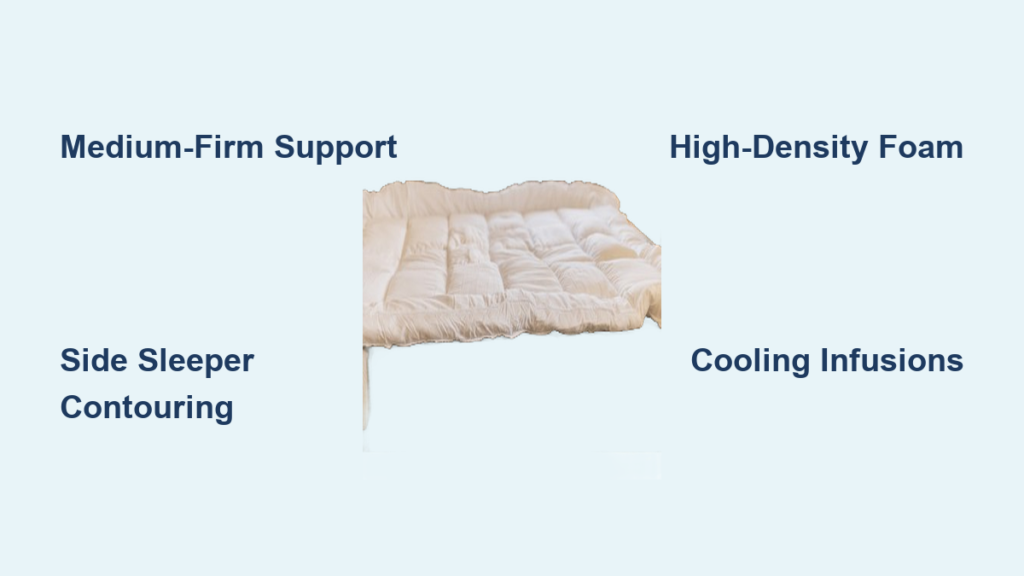
If you wake up with stiffness, soreness, or nagging lower back pain, your mattress might be the culprit. A quality mattress topper can transform an uncomfortable bed into a supportive sleep surface, restoring spinal alignment and relieving pressure without the $1,000+ price tag of a new mattress.
Back pain affects millions, and poor sleep only makes it worse. The right topper adds targeted cushioning where you need it most, especially under the hips, shoulders, and lumbar region. In this guide, you’ll learn exactly how to choose a mattress topper for back pain based on your sleeping position, body weight, material preferences, and specific pain points.
Match Your Topper to Your Sleep Position
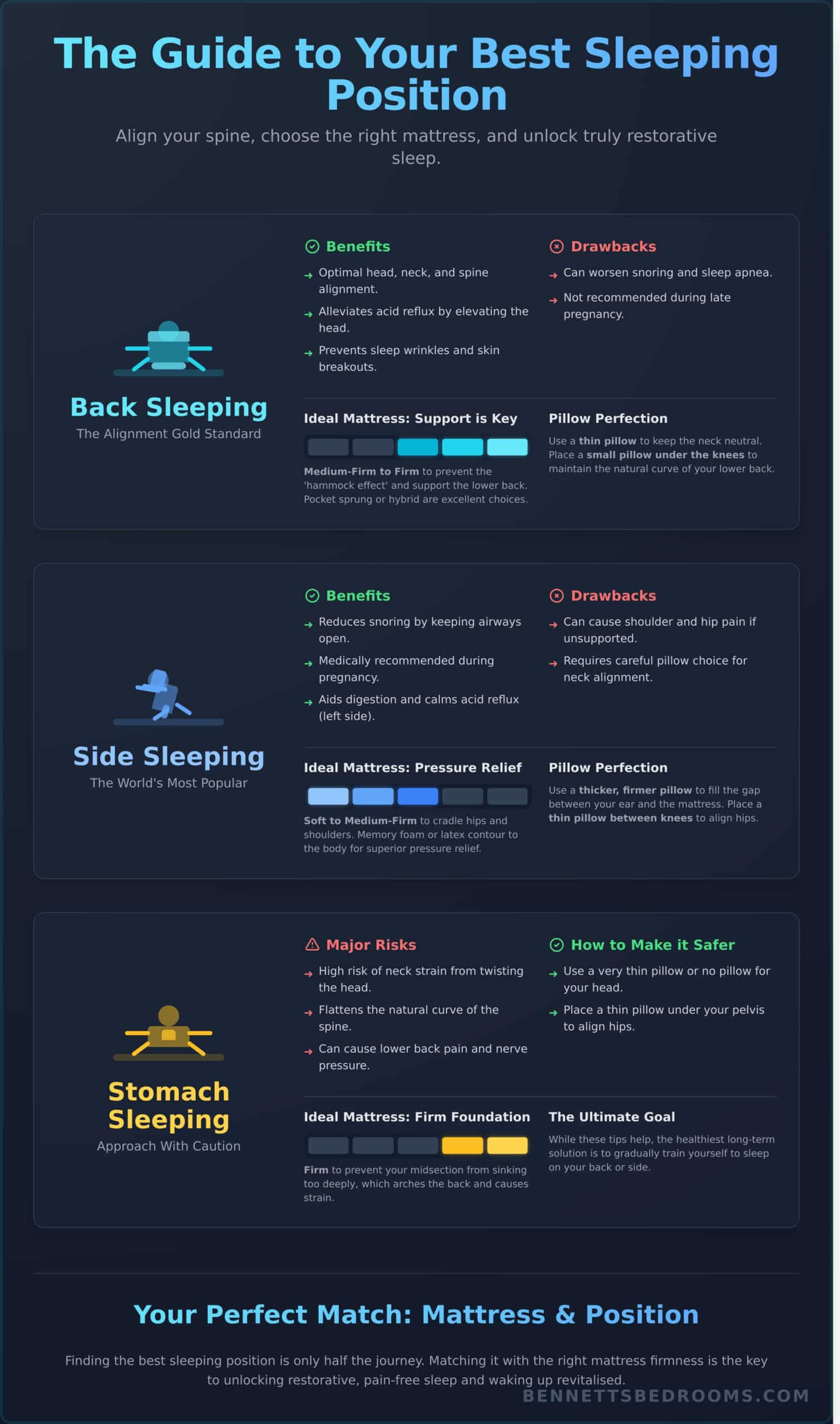
Your sleeping posture dictates how your spine aligns and where pressure builds. Choosing a topper that supports your position is critical for back pain relief.
Back Sleepers: Choose Medium-Firm Support
Back sleepers need even support from head to hips to maintain a neutral spine. A medium-firm to firm topper prevents the lower back from sinking, which creates an unnatural arch and strains lumbar muscles.
Look for these features in a back sleeper topper:
- 2 to 3 inches of high-density foam or latex
- Firm enough to prevent hip drop
- Avoid plush or ultra-soft materials
Stomach Sleepers: Pick a Thin, Firm Topper
Stomach sleeping stresses the spine by overextending the neck and arching the lower back. A thick or soft topper worsens this by letting hips sink too deeply.
Key recommendations for stomach sleepers:
- Use a 1.5 to 2 inch firm topper to minimize sinkage
- High-density memory foam or latex works if it is not plush
- Avoid anything over 3 inches
Side Sleepers: Prioritize Contouring and Hip Cushioning
Side sleepers often suffer from back pain due to uneven pressure. Hips and shoulders sink at different rates, tilting the spine. A medium-soft to medium-firm topper cushions these joints while keeping the spine straight.
What side sleepers should look for:
- 3 inches of memory foam or latex for optimal contouring
- High-density foam prevents bottoming out over time
- Consider a body pillow to align hips and reduce strain
Combination Sleepers: Select a Responsive, Balanced Topper
Frequent movers need a topper that supports multiple positions without trapping heat or restricting movement.
Ideal characteristics for combination sleepers:
- Medium-firm provides the right balance
- Latex or hybrid toppers offer bounce and quick response
- Avoid slow-memory foams that delay repositioning
Pick the Right Firmness for Pain Relief
Firmness is not one-size-fits-all. The goal is spinal neutrality, not maximum hardness.
Why Medium-Firm Wins for Back Pain
Research consistently shows that medium-firm surfaces provide the best balance of support and comfort for back pain sufferers.
The three firmness problems to avoid:
- Too soft: Spine curves unnaturally, increasing pressure on discs
- Too firm: Creates pressure points at hips and shoulders, reducing blood flow
- Just right: Keeps spine straight and distributes weight evenly
A 2021 review in the Journal of Orthopaedics and Traumatology found medium-firm sleep surfaces significantly reduced chronic back pain and improved sleep quality.
Adjust Based on Your Mattress Condition
Your existing mattress determines what firmness you need in a topper:
- Soft or sagging mattress: Add a firm topper (latex or high-density foam) to restore support
- Too firm or uncomfortable: Use a softer memory foam or hybrid topper to cushion joints
Test this: Lie down for 10 minutes. If your hips or shoulders press painfully into the bed, you need more cushioning.
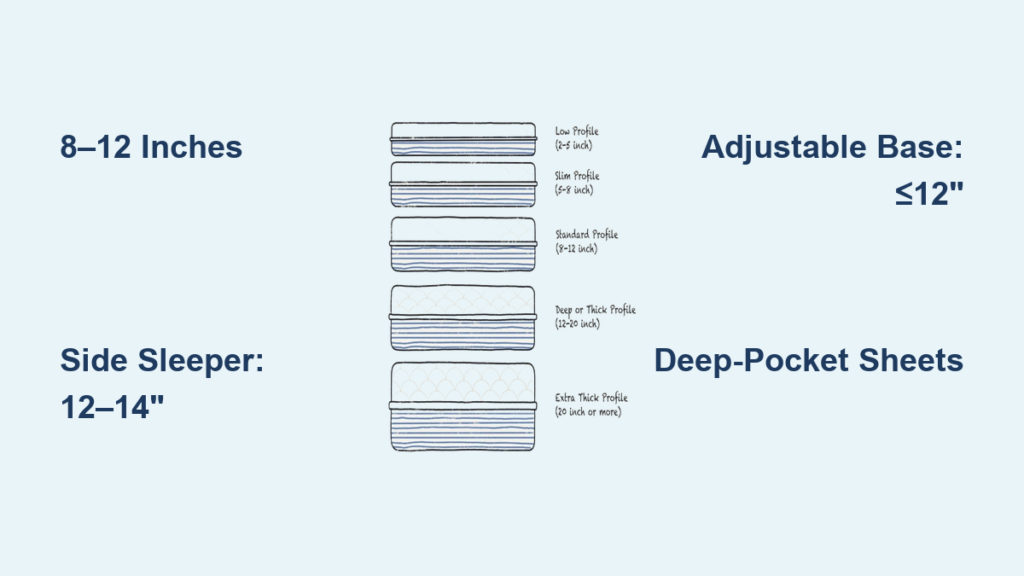
Choose the Optimal Thickness

Thickness directly impacts how well a topper relieves pain and maintains support.
2 to 3 Inches: Ideal for Most Back Pain Sufferers
This range delivers enough cushioning to relieve pressure without sacrificing support.
Best for:
- Side and back sleepers
- Moderately worn mattresses
- Does not drastically change bed height
1.5 Inches: Light Cushioning for Stomach Sleepers
Thin toppers add minimal loft, perfect for firming up a plush bed without deep sinkage.
Ideal for:
- Stomach sleepers needing slight softness
- Adding a touch of comfort to very firm mattresses
4+ Inches: Deep Support for Heavy Users
Thicker toppers absorb more pressure but require a solid base.
Recommended for:
- People over 230 lbs
- High-density foam prevents bottoming out
- May require deep-pocket sheets
Compare Materials for Support and Comfort
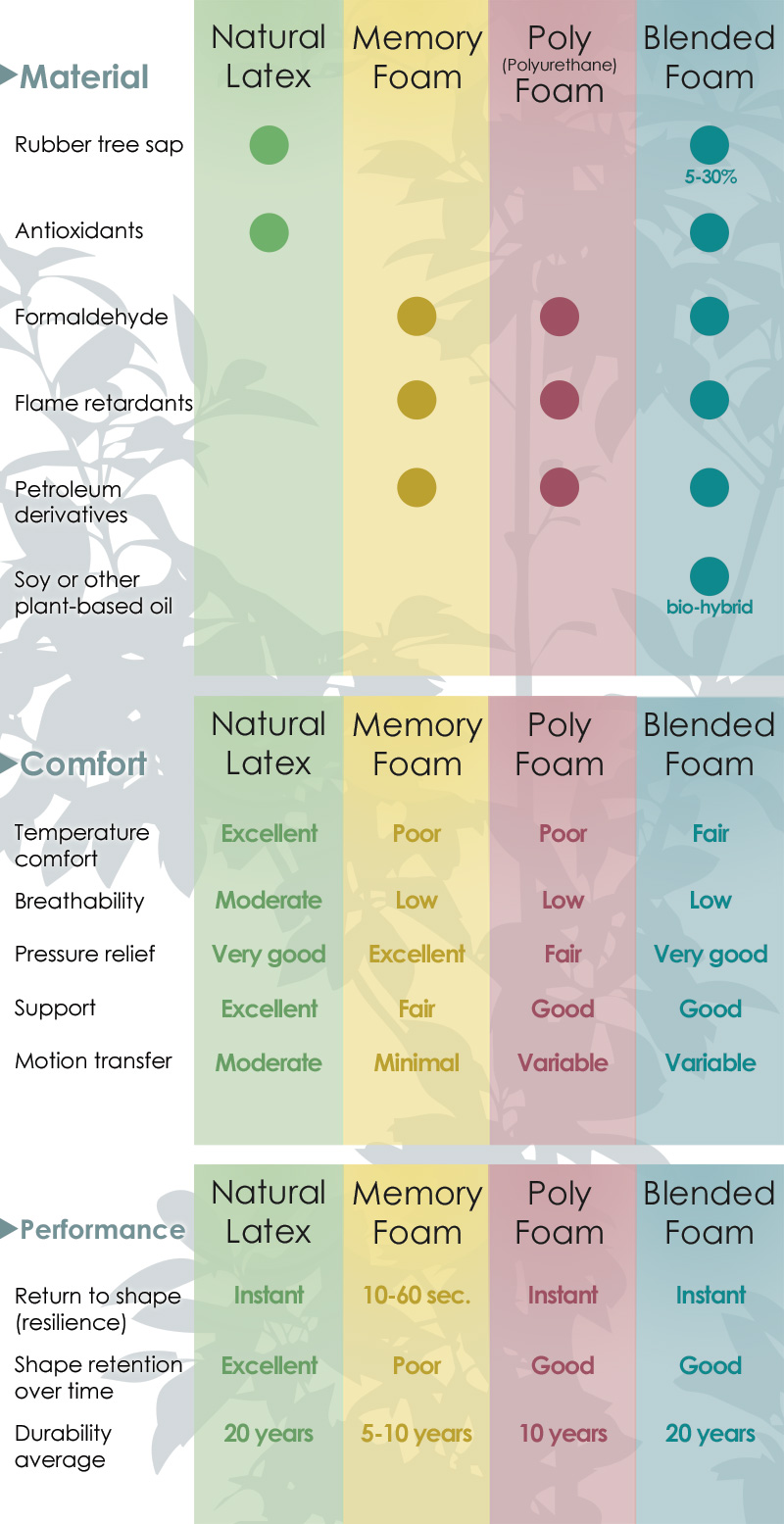
The material determines how well the topper relieves pain, sleeps cool, and lasts over time.
Memory Foam: Best for Pressure Relief
Memory foam contours closely to the body, cradling hips and shoulders to keep the spine aligned.
Best for:
- Side sleepers
- Hip and lower back pain
- Gel, copper, or graphite infusion improves cooling
Top picks include Bear Pro Topper (3-inch copper-infused foam) and TEMPUR-Adapt Topper (uses the same medical-grade foam as Tempur-Pedic beds).
Drawback: Traditional memory foam traps heat. Choose infused versions if you sleep hot.
Latex: Responsive and Long-Lasting
Natural or Talalay latex offers bounce, breathability, and firm support, ideal for back and combination sleepers.
Advantages:
- More responsive than memory foam
- Naturally cooling and dust mite resistant
- Eco-certified options available (GOTS, GREENGUARD Gold)
Top picks include Saatva Natural Latex Topper (1.5-inch perforated for airflow) and Birch Plush Organic Topper (organic wool, cotton, and Talalay latex).
Note: Latex is firmer by nature, ideal if you dislike sinking into your bed.
Hybrid: Foam Plus Microcoils for Targeted Support
Hybrid toppers combine memory foam with miniature coils for enhanced lumbar support and breathability.
Benefits:
- Microcoils reinforce the lower back area
- Better edge support and airflow than solid foam
- Slightly heavier but more stable
Top pick: Helix GlacioTex Topper (3.75-inch with 0.75-inch microcoil layer under memory foam).
AirFoam: Cool and Pressure-Relieving
Nolah’s proprietary AirFoam claims 4x more pressure relief than traditional memory foam while staying cool.
Ideal for:
- Hot sleepers with hip or back pain
- Open-cell structure enhances airflow
- Luxury Firm or Plush options available
Top pick: Nolah Mattress Topper (2-inch eco-certified with two firmness levels).
Avoid These Materials
Do not choose down, feather, or low-density poly foam:
- Down and feather feel plush but offer zero support and can worsen back pain
- Poly foam under 3 lb/ft³ is cheap but compresses quickly and is not recommended for chronic pain
Select the Right Density for Durability
Density measured in pounds per cubic foot determines how long a topper lasts and how well it supports your body.
Low Density (Under 3 lb/ft³): Not Ideal for Pain
These toppers have a softer feel but break down fast. They compress under heavier users and should be avoided if you have chronic back pain.
Medium Density (3 to 5 lb/ft³): Balanced Support
This range offers good support for average-weight sleepers (130 to 230 lbs) and lasts 3 to 5 years with proper care. It provides contouring without excessive sinkage.
High Density (Over 5 lb/ft³): Best for Heavy Users
High-density toppers resist compression and maintain shape. They support the spine without bottoming out. They are heavier (queen can exceed 40 lbs) but much more durable.
Pro tip: High-density toppers like ViscoSoft Select are built to last and are ideal for long-term pain relief.
Prioritize Cooling for Pain Management
Heat increases inflammation and disrupts sleep. A hot bed can make back pain worse.
Cooling Features to Look For
Effective cooling technologies include:
- Infused foams: Graphite (Saatva), copper (Bear), or gel (Layla) draw heat away
- Breathable covers: Organic cotton, moisture-wicking fabric
- Ventilation: Perforated latex, baffle-box design (Coop Retreat), airflow channels
- Phase-change materials: Some premium toppers regulate temperature dynamically
Top cooling picks: Saatva Graphite Topper, Nolah Topper, and Helix GlacioTex.
Factor in Your Body Weight
Your weight affects how much a topper compresses and how long it lasts.
Under 130 lbs: 2 to 3 Inches, Medium-Firm
Lighter bodies do not need deep cushioning. Avoid thick or soft toppers that cause excessive sinkage. Latex or medium-density memory foam works well.
130 to 230 lbs: 2 to 4 Inches, Medium to Medium-Firm
This range benefits most from pressure relief and support. High-density memory foam or hybrid toppers are ideal. This ensures even weight distribution and spinal alignment.
Over 230 lbs: 4+ Inches, High-Density Foam
Thin or low-density toppers compress too quickly. Look for 4-inch high-density memory foam. This prevents bottoming out and extends lifespan.
Ensure Stability and Edge Support
A shifting topper ruins alignment and comfort.
Features That Keep It in Place
Look for these stability features:
- Non-slip bottom: Rubberized or grippy fabric grips the mattress
- Adjustable straps: Secure corners to prevent sliding
- Staytight technology (TEMPUR-Adapt): Anchors topper firmly
Fix it: Use a fitted sheet over the topper to reduce movement.
Choose Certified, Non-Toxic Materials
If you have allergies, sensitivities, or want peace of mind, certifications matter.
Key Certifications to Look For
- CertiPUR-US: Foam free of harmful chemicals, VOCs, and heavy metals
- GREENGUARD Gold: Low emissions, safe for kids and sensitive individuals
- GOTS: Ensures organic cotton and wool
- eco-INSTITUT: Independent testing for pollutants
Best for allergy sufferers: Birch Plush Organic Topper (GOTS and GREENGUARD certified with natural wool fire barrier).
Balance Price and Long-Term Value
A cheap topper may save money now but cost more in the long run.
Budget Range ($100 to $200): Basic Comfort
These toppers use thin poly foam or low-density memory foam. They have a short lifespan and may degrade within a year. They are not recommended for chronic back pain.
Mid-Range ($250 to $400): Quality and Durability
These toppers use high-density memory foam or basic latex. They offer better cooling and longer warranties. This is a solid choice for most pain sufferers.
Examples: Bear Pro, ViscoSoft 4-inch.
Premium ($400+): Long-Lasting Relief
These toppers use organic, hybrid, or proprietary materials. They offer extended trials (180 nights) and better warranties. They are worth it for long-term pain management.
Top premium picks: Saatva Graphite Topper ($445, 3-inch graphite-infused with 180-night trial) and Helix GlacioTex ($498.80 with microcoils and cooling cover).
Top 9 Mattress Toppers for Back Pain (2026)
Here are the top-rated options based on expert testing and user feedback:
- Saatva Graphite Topper: Overall best, 3-inch graphite-infused memory foam
- Nolah Topper: Best for back and hip pain, 2-inch AirFoam
- Helix GlacioTex: Best for firm support, 3.75-inch memory foam plus microcoils
- Birch Plush Organic: Best for natural materials, 2-inch organic latex, wool, cotton
- ViscoSoft 4-inch: Best for deep cushioning, 4-inch high-density memory foam
- Bear Pro: Best for cooling and pressure relief, 3-inch copper-infused memory foam
- TEMPUR-Adapt: Best for lower back pain, 3-inch TEMPUR-Material
- Coop Retreat: Best for breathability, 5-inch microfiber plus memory foam pockets
- Saatva Natural Latex: Best for side sleepers, 1.5-inch natural latex
Avoid These Common Mistakes
1. Choosing a Topper That Is Too Soft
A plush topper may feel cozy at first but can cause spinal misalignment, especially for back and stomach sleepers. Prioritize support over softness.
2. Ignoring Mattress Condition
A topper cannot fix a severely sagging or broken-down mattress. If your base has deep indentations over 2 inches, consider replacement.
3. Overlooking Density and Thickness
Thin or low-density foams compress fast, losing support and worsening pain over time.
4. Prioritizing Price Over Quality
Cheap toppers often degrade within a year. Invest in durability for lasting relief.
5. Skipping Cooling Features
Heat retention increases inflammation and disrupts sleep, especially for chronic pain sufferers.
6. Letting the Topper Slip
A shifting topper creates uneven support. Use non-slip features or a tight-fitting sheet.
Frequently Asked Questions About Choosing a Mattress Topper for Back Pain
Can a mattress topper relieve back pain?
Yes, especially if it corrects spinal alignment and relieves pressure on hips and shoulders. A medium-firm topper that promotes neutral spine positioning can significantly reduce back pain.
Is firm, soft, or medium-firm best for back pain?
Medium-firm is best for most people. It balances support and cushioning without creating pressure points or causing spinal misalignment.
Latex vs. memory foam: which is better for back pain?
Memory foam offers better contouring for side sleepers. Latex is more responsive, cooler, and ideal for back sleepers who want bounce with support.
What thickness is best for back pain relief?
Two to 4 inches offers optimal support and pressure relief without instability. This range works for most sleep positions and body types.
Can a mattress topper cause back pain?
Yes, if it is too soft (misaligns spine) or too firm (creates pressure points). A mismatched topper can worsen existing pain.
What is the best topper for lower back and hip pain?
A 2 to 3 inch medium-firm memory foam or latex topper works best. Nolah and Saatva Graphite are top choices for targeting lower back and hip pain.
Is a topper the same as a mattress pad?
No. A topper (1 to 4+ inches) changes firmness and support. A pad (under 1 inch) protects the mattress but does not significantly alter feel.
How long does a mattress topper last?
Memory foam lasts 3 to 5 years. Latex lasts 5 to 7 years. High-density foams can last up to 7 years with proper care.
Key Takeaways for Choosing a Mattress Topper for Back Pain
Selecting the right mattress topper for back pain requires matching several factors to your specific needs. First, identify your primary sleeping position and choose firmness accordingly: back sleepers need medium-firm support, side sleepers require contouring cushioning, and stomach sleepers should opt for thin, firm options.
Second, prioritize material quality. Memory foam excels at pressure relief, latex offers responsiveness and cooling, and hybrid designs provide targeted lumbar support. Always choose medium-firm firmness and 2 to 4 inches thickness for the best balance of comfort and spinal alignment.
Third, consider your body weight and any cooling needs. Heavier individuals need high-density, thicker toppers to prevent bottoming out. Hot sleepers should look for graphite, copper, or gel-infused foams, or opt for breathable latex.
Finally, invest in quality. A premium topper with a long sleep trial (like Saatva’s 180 nights) and solid warranty protects your investment. The right mattress topper for back pain can extend the life of your mattress, improve your sleep quality, and help you wake up pain-free.