Dog vomit on your mattress is more than just a messy inconvenience. It is a biohazard that can seep deep into fibers, leave stubborn stains, and create lingering odors if not handled quickly and correctly. The longer you wait, the harder it becomes to fully remove both the stain and the smell. But with the right steps, tools, and timing, you can restore your mattress to a clean, fresh, and safe condition.
This guide delivers a clear, step-by-step plan using proven DIY solutions and professional techniques. You will learn how to remove vomit safely, eliminate odors at the source, dry the mattress properly, and prevent future accidents.
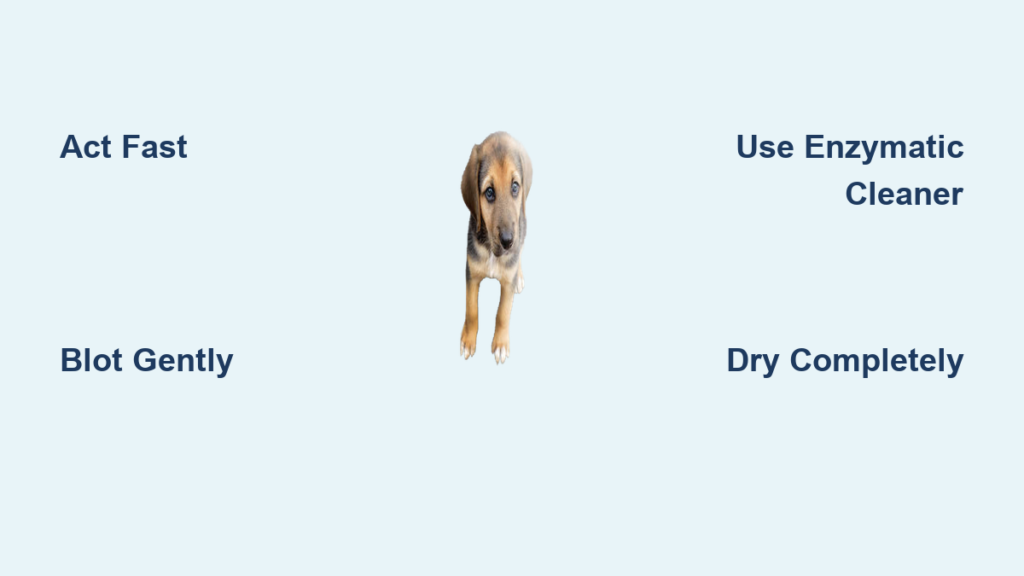
Act Fast: Why Time Matters
The first 10 to 15 minutes after your dog vomits are critical. Immediate action prevents deep penetration, especially in absorbent materials like memory foam. Vomit contains proteins, fats, pigments, and stomach acids that begin bonding to fibers quickly. Delayed cleanup increases the risk of permanent staining from oxidized proteins, lingering odors caused by bacteria breaking down organic matter, mold or mildew growth from trapped moisture, and the spread of pathogens like Salmonella or E. coli.
Pro Tip: Keep an emergency pet-accident kit nearby. Include gloves, paper towels, baking soda, vinegar, and an enzymatic cleaner so you can act fast when disaster strikes.
Protect Yourself First
Before touching anything, safeguard your health from biohazard exposure.
Wear Protective Gear
Wear disposable nitrile or rubber gloves to prevent direct contact with vomit. Consider a face mask if the odor is strong or someone in your home has respiratory sensitivities. Avoid touching your face during cleanup.
Contain the Area
Keep pets and children away from the affected area. Seal vomit waste in a plastic bag and dispose of it outside immediately. Disinfect any tools or containers used after cleanup to prevent cross-contamination.
Warning: Never handle vomit barehanded. Even healthy dogs can carry harmful bacteria. After cleanup, wash your hands thoroughly and launder any clothing worn during the process.
Remove Solids and Blot Liquid
Start with physical removal to reduce the mess before applying any cleaner.
Scoop Bulk Vomit
Use a spatula, dull knife, or paper plate to gently lift solids. Wear a plastic bag over your hand for extra protection. Scrape gently without pressing down, or you will push material deeper into the mattress.
Blot Liquid Residue
Use paper towels or a clean, absorbent cloth. Press down firmly and replace towels as they soak up liquid. Continue until no more moisture transfers. Blot gently from the outside inward to contain the spill.
Do: Blot gently. Do not: Rub, scrub, or massage the area, as this spreads the stain.
This step alone removes up to 80 percent of the mess.
Choose the Right Cleaning Method

The best method depends on how fresh the stain is and what type of mattress you have.
Use Vinegar and Dish Soap for Fresh Stains
This method works best for recent spills when commercial products are not available.
What You Will Need
- Distilled white vinegar
- Liquid dish soap (unscented)
- Water
- Spray bottle
- Clean cloths
- Baking soda
- Vacuum with upholstery attachment
Steps
- Mix equal parts vinegar and water in a spray bottle. Add 1 teaspoon of dish soap.
- Spray lightly on the stained area, just enough to dampen, not soak.
- Wait 5 to 15 minutes for the solution to break down proteins and neutralize odor.
- Blot dry with clean cloths.
- Sprinkle baking soda generously over the area, extending beyond the visible stain.
- Let sit for 6 to 12 hours, preferably overnight.
- Vacuum thoroughly with an upholstery attachment.
Why it works: Vinegar contains acetic acid that disinfects and deodorizes. Dish soap cuts through grease and helps the solution penetrate.
Let the mattress dry completely before remaking the bed.
Try Enzymatic Cleaner (Best Overall)
The gold standard for pet messes destroys stains and odors at the molecular level.
What You Will Need
- Enzymatic cleaner (Nature’s Miracle or Bissell Pet Stain Eraser)
- Baking soda
- Vacuum
Steps
- After blotting, apply enzymatic cleaner directly to the stain.
- Let it sit for 30 minutes to overnight. Do not blot during this time. Enzymes need moisture to digest proteins, fats, and carbohydrates in vomit.
- Blot excess moisture gently.
- Sprinkle baking soda and let sit for 4 hours or more.
- Vacuum well.
Advantage: Unlike air fresheners, enzyme cleaners eliminate odor-causing compounds instead of masking them.
Pro Tip: For old or deep stains, repeat the process after 24 hours.
Try Hydrogen Peroxide Mix for Stubborn Stains
This method is powerful for lifting set-in stains but requires caution.
What You Will Need
- 3% hydrogen peroxide
- Dish soap (1 tablespoon)
- Clean cloth
- Spray bottle
- Steam iron (optional)
- Baking soda
- Vacuum
Steps
- Test first on a hidden spot to check for discoloration.
- Mix 1 cup hydrogen peroxide with 1 tablespoon dish soap.
- Dab gently on the stain with a cloth, working from the edges inward.
- Wait 5 to 10 minutes. Bubbling indicates it is breaking down proteins.
- Optional: Place a dry towel over the area and lightly steam iron to lift residue. Keep the iron moving.
- Let dry, then apply baking soda and vacuum after 6 or more hours.
Caution: Hydrogen peroxide can bleach fabrics or damage foam if overused. Use sparingly and avoid repeated applications.
Never mix hydrogen peroxide and vinegar, as they create peracetic acid, a corrosive substance.
Handle Old or Deep Stains
For vomit that has dried or soaked deep into the mattress core, follow these steps.
Steps
- Rehydrate by lightly misting with cold water to loosen dried proteins.
- Apply vinegar solution (1 part vinegar to 3 parts water). Wait 10 minutes, then blot.
- Apply enzymatic cleaner and let sit overnight.
- Blot with a damp cloth to remove residue.
- Use hydrogen peroxide mix if the stain remains.
- Try the steam iron method if safe for your mattress.
- Apply baking soda and let sit overnight.
- Vacuum thoroughly.
- Repeat if odor or stain persists.
- Consider professional cleaning if DIY methods fail.
Old stains may require multiple treatments. Patience is key.
Kill the Smell for Good
Stains can be invisible, but odors linger, especially if vomit reached the inner layers.
Best Odor-Killing Tactics
Baking soda is essential. Sprinkle it thickly and leave it overnight to absorb moisture and neutralize acids. Enzymatic cleaners destroy odor-causing organic matter. Vinegar mist neutralizes alkaline residues. Maximize airflow by opening windows, using fans, or running a dehumidifier.
Expert Tip: Karina Toner from Spekless Cleaning recommends leaving baking soda for at least 8 hours for maximum odor absorption.
Avoid scented sprays. They only mask smells temporarily.
Adjust for Mattress Type
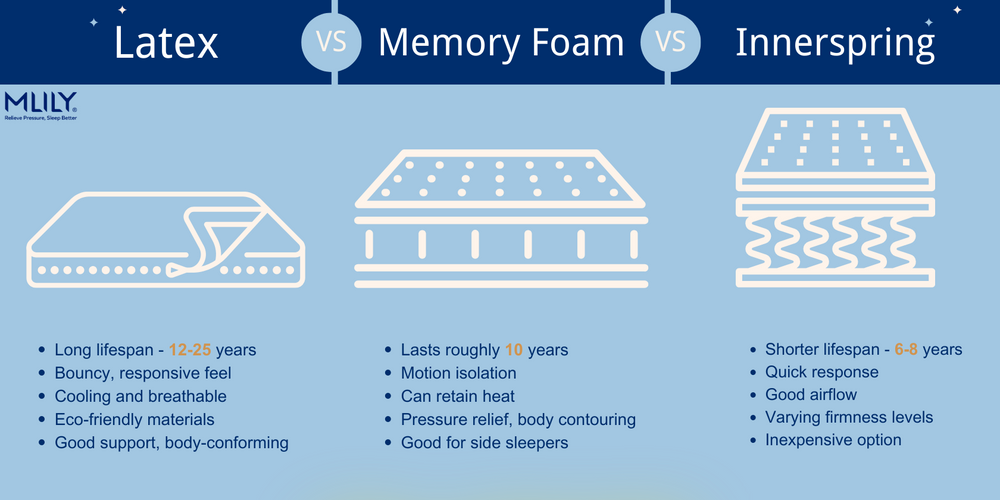
Different materials react differently to moisture and cleaners.
Clean Memory Foam Safely
Memory foam absorbs liquids fast and dries slowly. Use minimal moisture.
Do: Use spot cleaning only. Apply solutions with a spray bottle, misting rather than soaking. Blot aggressively after each step. Increase airflow to speed drying.
Do not: Submerge or saturate the foam. Use excessive heat, which can warp foam. Skip the baking soda step.
Warning: Over-wetting can cause delamination, mold, or permanent sagging.
Care for Latex Mattresses
Natural latex is durable but sensitive to harsh chemicals.
Do: Use mild cleaners only (diluted vinegar, enzyme sprays). Blot gently. Allow long drying time.
Do not: Use bleach, ammonia, or undiluted vinegar, as they degrade latex. Expose to direct sunlight for long periods.
Handle Innerspring or Hybrid Mattresses
These are less absorbent than foam, but moisture can still damage internal coils.
Do: Focus on surface cleaning. Use waterproof protectors to prevent fluid from reaching the core. Dry thoroughly to avoid rust or mildew inside.
Do not: Let liquids pool or soak through seams.
Dry the Mattress Completely
Drying is the most overlooked but most critical step.
How to Dry Fast and Safely
Air dry only. Do not use hairdryers, heaters, or irons directly on the mattress. Prop the mattress up against a wall or on blocks to allow airflow underneath. Use fans and open windows to boost circulation. Rotate or flip the mattress if possible to expose all sides. Wait 6 to 24 hours before using it again.
Test for dryness: Press your palm on the area. If it feels cool or damp, wait longer.
Pro Tip: A dehumidifier can cut drying time significantly in humid environments.
Clean Bedding and Surrounding Areas
Vomit rarely stays confined to the mattress.
Wash Sheets and Linens
Remove immediately and seal in a plastic bag if transporting. Rinse under cold water first, as hot water sets protein stains. Pre-treat with vinegar or enzymatic spray. Wash in the warmest water safe for the fabric. Cotton can handle hot water at 60 degrees Celsius for disinfection. Use warm water for delicates. Add OxiClean or color-safe bleach for extra cleaning power. Dry completely in a dryer or sunlight.
Expert Advice: Jeremy Klein, Senior Product Testing Manager, recommends pre-cleaning sheets before washing for best results.
Disinfect Nearby Surfaces
Clean floors, baseboards, and furniture that may have been splashed. Sanitize tools, gloves, and containers used during cleanup. Launder any clothing worn during the process.
Prevent Future Accidents
Avoid repeat incidents with smart, proactive steps.
Use a Mattress Protector
Waterproof encasements offer full coverage and are ideal for homes with pets. They prevent liquids from reaching the core and block allergens, dust mites, and bedbugs. Top protectors are easier to wash but less comprehensive.
A 30-dollar protector can save you from replacing a 1,000-dollar mattress. Look for quiet, breathable materials to avoid crinkling noises.
Create a Pet-Safe Zone
Place a washable blanket or puppy pad under your dog’s sleeping area. Keep a pet-safe pail nearby if your dog is prone to nausea. Train your dog to sleep on a dedicated pet bed that is easier to clean than a mattress.
Build a Cleanup Kit
Store these items together for fast response: disposable gloves, paper towels, spatula, white vinegar, 3% hydrogen peroxide, baking soda, spray bottle, enzymatic cleaner, and clean cloths.
Having a kit ready reduces cleanup time and limits damage.
Know When to Replace the Mattress
Sometimes cleaning is not enough.
Replace If
Replace the mattress if vomit came from a dog with an infectious illness like parvovirus or giardia. Replace if there is repeated exposure to biological waste. Replace if odor persists after multiple cleanings. Replace if mold, mildew, or dark spots appear. Replace if the mattress is older than 7 to 8 years. Replace if foam is sagging or discolored.
Reality Check: John Ryan from By Design notes that if your mattress is old or damaged, it may be time to invest in a new one. A new mattress is a better investment than endless cleaning attempts.
Frequently Asked Questions About Cleaning Dog Vomit from a Mattress
How soon should I clean dog vomit from a mattress?
Act immediately, ideally within the first 10 to 15 minutes. The longer you wait, the deeper vomit penetrates the fibers, making stain and odor removal much harder.
Can I use hydrogen peroxide on all mattress types?
No. Test hydrogen peroxide on a hidden area first. It can bleach fabrics and damage memory foam or latex if overused. Use it sparingly and only for stubborn, dried stains.
Why does the smell linger after cleaning?
Odor persists because vomit contains organic matter trapped deep in the mattress fibers. Baking soda and enzymatic cleaners address this. Scented sprays only mask the smell temporarily.
How long should I leave baking soda on the mattress?
Leave baking soda for at least 6 to 12 hours, ideally overnight. This gives it enough time to absorb moisture and neutralize odor-causing acids.
Should I replace the mattress if the smell will not go away?
Yes, consider replacement if odor persists after multiple thorough cleanings, if mold or mildew has formed, or if the mattress is older than 7 to 8 years.
Can I speed up drying with a hairdryer?
No. Avoid direct heat from hairdryers, heaters, or irons. Use air circulation through fans and open windows instead. Direct heat can damage foam and cause warping.
Key Takeaways for Cleaning Dog Vomit from Your Mattress
Act fast and begin cleanup within minutes to prevent deep staining and odor penetration. Always wear disposable gloves and protect yourself from biohazards before starting. Blot gently and never rub, as rubbing spreads the stain and drives vomit deeper into fibers. Use enzymatic cleaners for the best results on organic stains and odors. Apply baking soda and leave it overnight for maximum odor absorption. Never soak the mattress, especially memory foam or latex, as excess moisture causes permanent damage. Dry completely using airflow, not heat, before using the mattress again. Wash all bedding in hot water after pre-treating stains. Invest in a waterproof mattress protector to prevent future damage. Replace the mattress if odors persist, mold forms, or the mattress is old and compromised.
Cleaning dog vomit from a mattress is not pleasant, but it is manageable with the right approach. Speed, the correct cleaning method, and thorough drying make all the difference. By acting quickly and using enzyme-based cleaners and baking soda, you can remove both stain and smell safely. Most importantly, invest in a waterproof mattress protector. It is the simplest way to avoid this stressful cleanup in the future and protect your sleep surface for years to come.