Choosing the right mattress for an elderly person isn’t just about comfort, it’s a vital part of maintaining health, mobility, and quality of life. As we age, conditions like arthritis, chronic back pain, poor circulation, and temperature sensitivity become more common, making sleep harder to achieve and sustain. A poorly chosen mattress can worsen stiffness, increase fall risk, and disrupt rest, while the right one supports pain relief, spinal alignment, and safe movement in and out of bed.
The best mattress for seniors balances pressure relief, support, temperature control, edge stability, and ease of use. This guide cuts through the noise with data-backed insights, clear comparisons, and actionable tips to help caregivers and seniors make confident decisions when they need to choose a mattress for elderly needs.
Prioritize Pain and Pressure Relief for Better Sleep
Chronic joint and back pain affect millions of older adults. The right mattress reduces pressure on hips, shoulders, and spine, preventing discomfort that interrupts sleep and increases morning stiffness.
Choose Contouring Materials for Joint Support
Memory foam and latex mold to the body, distributing weight evenly and cushioning sensitive areas. For side sleepers, which are most common among seniors, this helps prevent hip and shoulder pain caused by excessive pressure.
Memory foam excels at deep pressure relief, especially when layered over supportive coils or high-density base foam. Latex offers a responsive bounce with natural elasticity, ideal for those who want cushioning without sinking deeply. Hybrids combine the best of both: foam or latex comfort layers for softness, plus pocketed coils for structural support.
The Helix Midnight Luxe scored 4.21 out of 5 for pain relief due to its adaptive foam and zoned support core, making it a top choice for seniors with arthritis or spinal stenosis.
Avoid Overly Firm or Sagging Mattresses
A common misconception is that firmer is always better. But an overly firm surface can increase pressure on bony joints, worsening discomfort. Conversely, a sagging mattress fails to support the spine, leading to misalignment and pain.
The ideal firmness range varies by sleep position. Side sleepers should aim for 5 to 6.5 on the firmness scale. Back sleepers benefit from medium-firm options between 6 and 7. Stomach sleepers need firmer surfaces rated 7 to 8. Seniors under 130 pounds benefit from medium-firm support to avoid bottoming out, while those over 230 pounds need high-density materials to prevent sinking.
Ensure Proper Spinal Alignment During Sleep

Spinal health is critical for aging bodies. A misaligned spine during sleep leads to muscle strain, nerve compression, and worsening of conditions like sciatica or osteoporosis.
Look for Zoned Support Systems
Mattresses with targeted support zones reinforce key areas, especially the lumbar region, keeping the spine in a neutral position. Zoned pocketed coils or dual-layer foams provide firmer support under the hips and midsection while allowing shoulders to sink slightly. This is crucial for back sleepers who need consistent support from head to pelvis.
The Helix Midnight Luxe uses zoned layering to maintain alignment, earning top marks for spinal support in independent testing.
Test Neutral Body Positioning
When lying down, ears, shoulders, and hips should form a straight line. No gap should exist between the lower back and mattress. Shoulders and hips should be cushioned, not compressed. If you wake up stiff or sore, your mattress may be throwing your spine out of alignment.
Boost Mobility with Edge and Surface Support
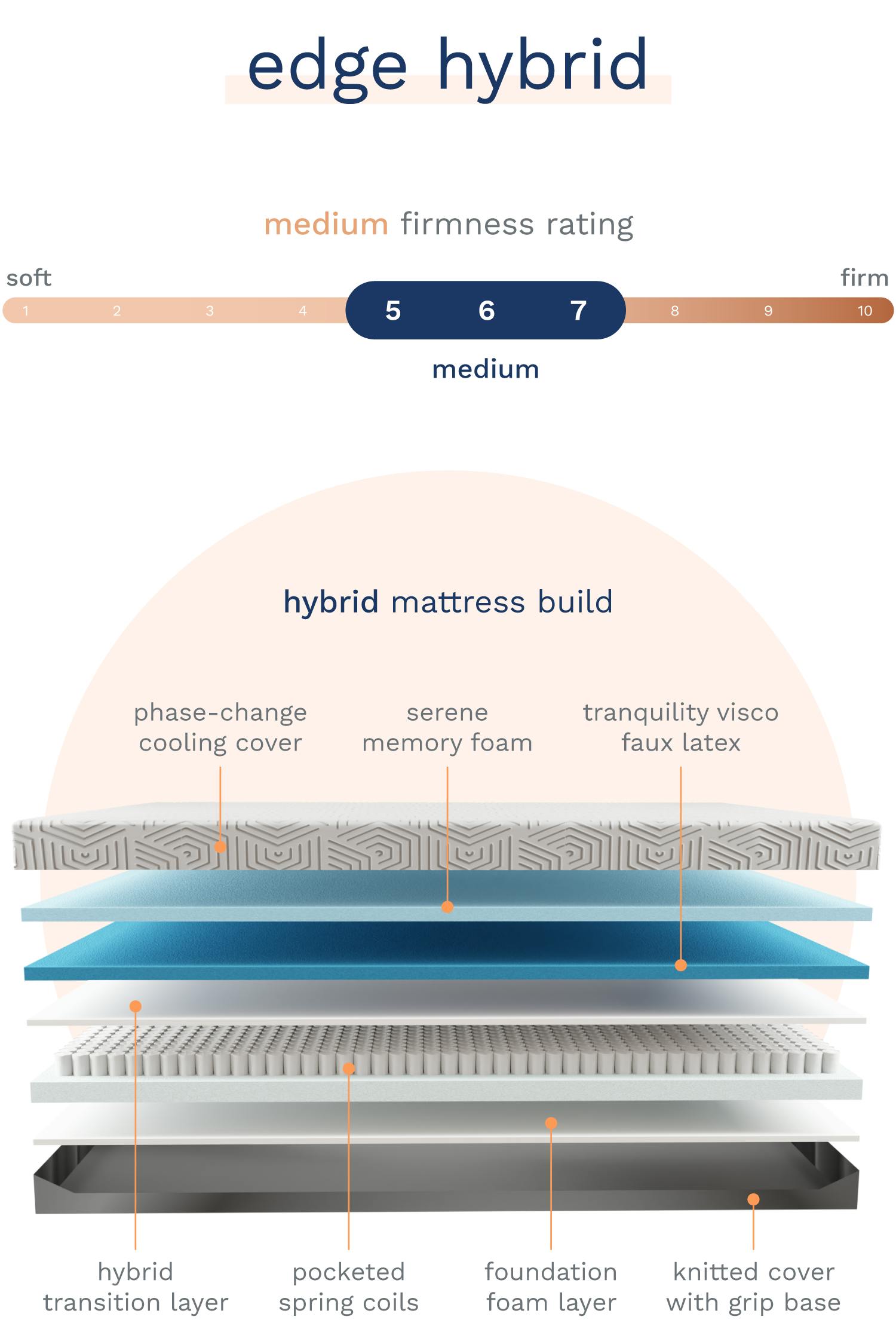
Getting in and out of bed becomes harder with age. A responsive, stable mattress makes movement easier and reduces fall risk.
Choose Strong Edge Support
Weak edges collapse when sitting, making transfers difficult and dangerous, especially for those with Parkinson’s, post-surgery limitations, or balance issues. Reinforced perimeter foam or denser outer coils prevent edge sagging. Hybrid and latex models typically offer superior edge support compared to all-foam beds.
The Helix Midnight Luxe ranks among the top 10 for accessibility thanks to its firm, stable edges and moderate bounce.
Optimize Bed Height and Responsiveness
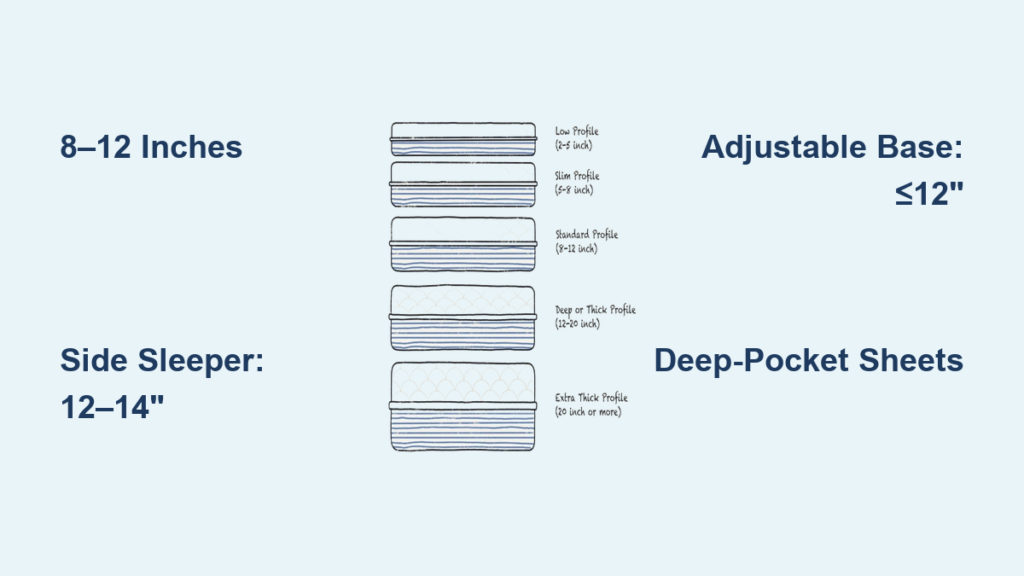
The ideal bed height is 20 to 23 inches from floor to mattress top, which allows feet to rest flat when seated, aiding standing. Responsive materials like latex or hybrid coils help users reposition easily, unlike slow-rebounding memory foam that creates a stuck feeling.
Use bed risers or low-profile foundations to adjust height. Pair with an adjustable base for personalized positioning.
Control Sleep Temperature for Better Rest
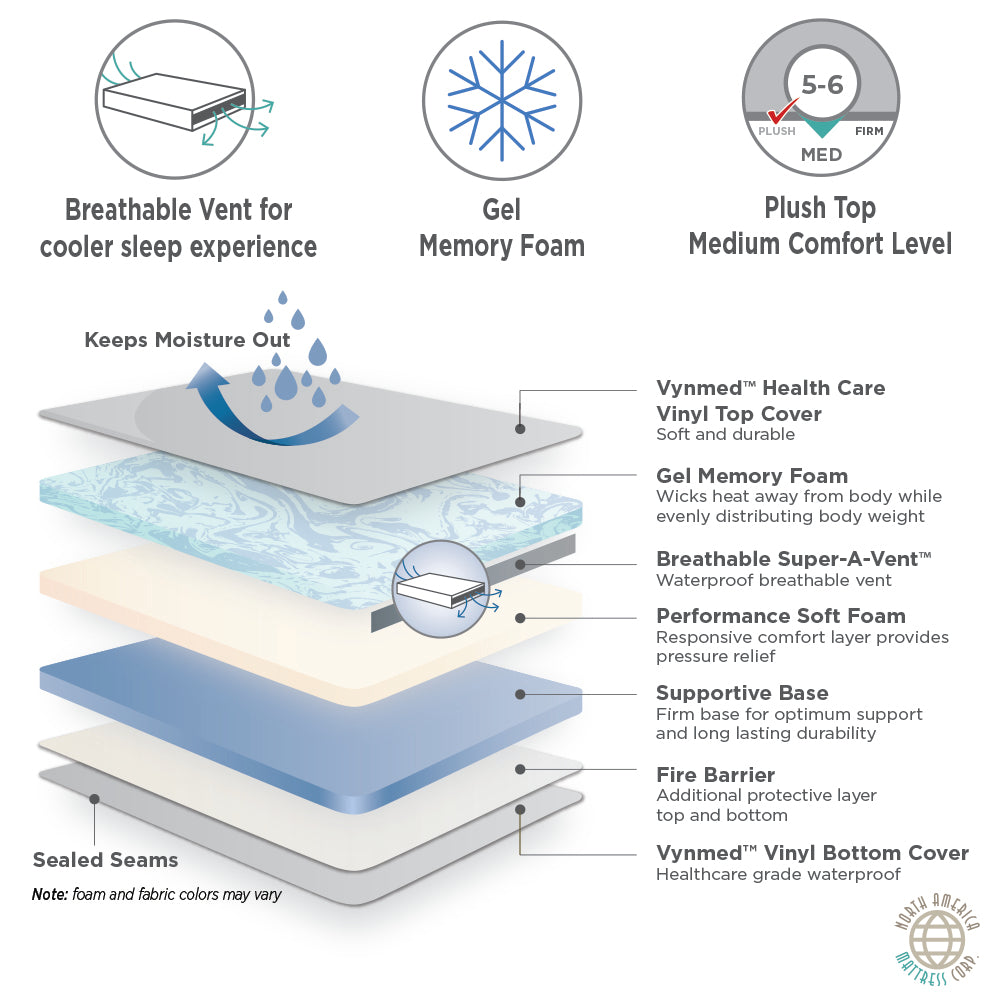
Many seniors struggle with night sweats, chills, or hot flashes due to hormonal changes, medications, or thyroid issues. A mattress that traps heat disrupts sleep cycles and increases restlessness.
Select Naturally Cooling Materials
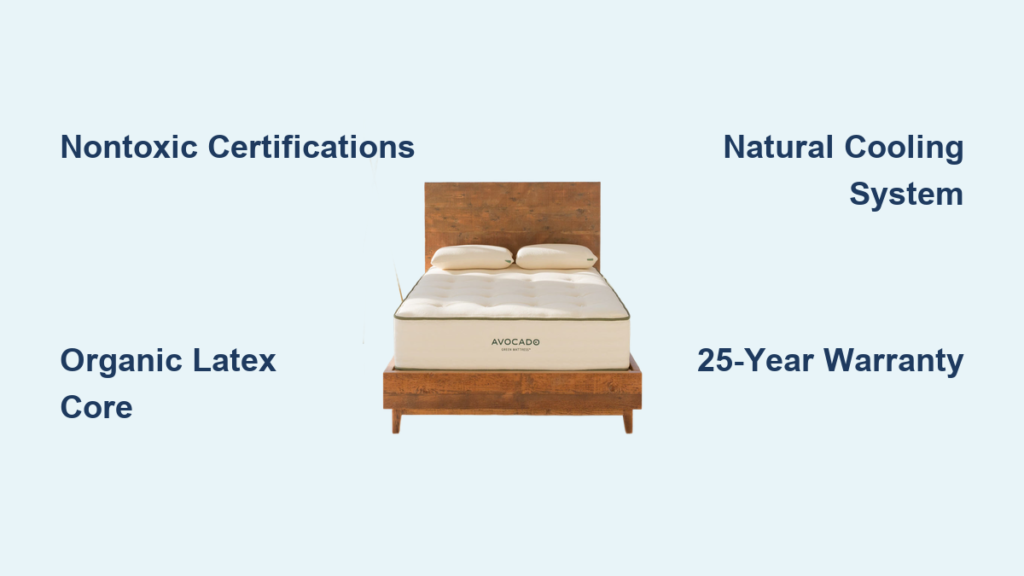
Latex offers high cooling performance due to its open-cell structure and natural breathability. Hybrids provide high cooling through airflow through coil layers. Gel-infused memory foam offers moderate to high cooling by drawing heat away from the body. Traditional memory foam retains heat unless enhanced with cooling technology.
Tencel, bamboo, or cotton covers wick moisture and stay cool to the touch. Phase-change materials absorb excess heat and release it slowly, stabilizing surface temperature.
The Helix Midnight Luxe includes breathable fabric and optional gel layers, helping it stay cooler than standard memory foam beds.
Avoid Solid Foam Cores for Hot Sleepers
All-foam mattresses without ventilation channels trap body heat. If overheating is a concern, prioritize hybrids or latex models with open airflow designs.
Match Firmness to Sleep Position and Weight
One size does not fit all. The ideal firmness depends on how you sleep and your body type.
Firmness Guidelines by Sleep Position
Side sleepers need softer support rated 5 to 6.5, which is soft enough to cushion hips and shoulders while preventing pressure buildup. Back sleepers benefit from balanced firmness between 6 and 7, which supports the natural curve of the spine without over-sinking. Stomach sleepers require firmer surfaces rated 7 to 8 to prevent pelvic drop and strain on the lower back.
Adjust for Body Weight
Seniors under 130 pounds benefit from medium-firm options to prevent excessive sinkage. Those between 130 and 230 pounds get optimal balance from medium to medium-firm hybrids. People over 230 pounds need high-density foam or reinforced coils to prevent bottoming out. The Helix Midnight Luxe may lack support for heavier users.
Compare Mattress Types for Senior Needs
Not all mattresses are created equal. Each type has strengths and weaknesses that matter more as we age.
Hybrid: Best Overall for Most Seniors
Hybrid mattresses combine pressure-relieving foam with supportive coils and offer excellent edge support plus good airflow and a responsive surface that aids movement. The drawbacks include being heavier and more expensive than basic foams. Hybrids work best for seniors seeking balanced performance in pain relief, support, cooling, and mobility.
Memory Foam: Ideal for Pain Relief
Memory foam provides deep contouring that reduces joint pressure and superior motion isolation, which is great for couples. The cons include potential heat retention and slow responsiveness that makes repositioning harder. Memory foam works best for side sleepers with arthritis or chronic pain, especially when paired with cooling technology.
Latex: Durable and Natural
Latex lasts 8 to 10 years or longer and is naturally breathable and hypoallergenic while remaining responsive yet supportive. The cons include higher cost and less contouring than memory foam. Latex suits eco-conscious buyers, allergy sufferers, and hot sleepers best.
Innerspring: Budget-Friendly but Limited
Innerspring mattresses offer low cost, good airflow, and a bouncy surface. However, they provide poor pressure relief, tend to sag, and have a short lifespan of 5 to 7 years. Innersprings work best for budget buyers who sleep cool and do not have significant pain issues.
Expert consensus indicates hybrid mattresses offer the best balance for elderly users across all key criteria.
Enhance Safety with Smart Design Features
Falls are a leading cause of injury among seniors. Your mattress can play a role in prevention.
Reinforce Edges to Reduce Fall Risk
A firm perimeter provides a stable sitting surface, reducing the chance of rolling off or collapsing during transfer. Look for models with high-density foam rails or reinforced outer coils. Strong edge support provides a secure base, making it easier and safer to stand up or sit down, which significantly reduces fall risks.
Use Non-Slip Bases and Proper Bed Height
Anti-slip pads keep the mattress from shifting on the foundation. The 20 to 23 inch bed height allows safe transitions with feet flat on the floor when seated. Pair with bed rails or handles if balance is a concern.
Ensure Compatibility with Adjustable Bases
Many seniors use adjustable beds to manage reflux, sleep apnea, circulation, or chronic pain. Not all mattresses work with adjustable bases.
Choose Flexible, Hinge-Friendly Mattresses
Foam, hybrid, and latex models flex smoothly at hinge points. Avoid traditional innerspring unless labeled adjustable-base compatible. Check manufacturer specs because some void warranties if used on adjustable frames.
Adjustable bases allow you to elevate the head to reduce GERD and snoring, raise legs to improve circulation and reduce edema, and customize positions for arthritis, sciatica, or post-surgery recovery.
The Helix Midnight Luxe is adjustable-base compatible and resists creasing at flex points.
Invest in Durability and Long-Term Value
Seniors often prefer long-lasting solutions. Frequent mattress replacements are costly and physically taxing.
Look for High-Density, Long-Lasting Materials
Innerspring mattresses last 5 to 7 years with pocketed coils and reinforced edges. Memory foam lasts 6 to 8 years with density of at least 3 pounds per cubic foot. Hybrid mattresses last 6 to 8 years with high-density foam and pocketed coils. Natural latex lasts 8 to 10 years or longer and resists compression.
Warranty tip: Look for coverage against sagging of 1.5 inches or more and material defects. Avoid low-density foams under 3 pounds per cubic foot because they degrade faster.
A $2,000 mattress used for 8 years costs just $0.68 per day, which is less than a cup of coffee.
Simplify Setup and Maintenance
Practical concerns matter, especially for seniors living alone.
Consider Delivery and Unboxing Challenges
Mattress-in-a-box models arrive compressed in heavy packages weighing 50 to 100 pounds or more, requiring help to move. Unboxing involves cutting plastic and waiting 24 to 72 hours for full expansion. White glove delivery, which includes in-room setup and old mattress removal, is not standard.
Choose brands offering white glove service if mobility is limited. Schedule delivery with a caregiver or family member. Confirm old mattress disposal policies because many retailers include pickup.
Test, Trial, and Buy with Confidence
Never buy a mattress based on feel alone. Use real-world testing and risk-free trials.
In-Store Testing Tips
Lie down for 10 to 15 minutes in your usual sleep position. Bring mobility aids like a cane or brace to simulate real use. Test edge stability by sitting on all four sides. Try rolling over to assess responsiveness and ease of movement.
Leverage Sleep Trials and Warranties
Look for at least 100-night trials because some offer 365 nights like the DreamCloud Classic. Check warranty for sagging coverage of 1.5 inches or more, full versus prorated replacement, and price matching or free returns.
Top Mattress Picks for Seniors
Helix Midnight Luxe: Best Overall
This hybrid mattress offers medium firmness rated 6 out of 10. The queen size costs $1,719 to $2,856 with a 100-night trial and 10-year warranty. It wins because of exceptional pain relief, zoned support, strong edges, cooling options, and adjustable-base compatibility. The downsides include no white glove delivery and less supportive performance for heavier users.
Nectar Premier Hybrid: Best for Back Pain
This hybrid features zoned support with targeted lumbar reinforcement for spinal alignment. It is medium-firm at 6.5 out of 10 and is ideal for seniors with sciatica, degenerative disc disease, or chronic back pain.
DreamCloud Classic Hybrid: Best Budget Option
This hybrid offers medium-firm feel at 6.5 out of 10 with a queen size price around $1,700. It features premium materials at mid-tier pricing and the longest trial period at 365 nights.
Final Recommendations by Need
For chronic pain, choose hybrid or memory foam with contouring layers, zoned support, and high pain relief rating. For mobility issues, select hybrid with edge support, reinforced perimeter, responsive materials, and moderate bounce. For overheating, pick hybrid or latex with gel-infused foam, breathable cover, and coil ventilation. For adjustable base use, ensure foam, hybrid, or latex with verified compatibility and flexible construction. For budget-conscious buyers, mid-tier hybrid offers long trial, strong durability, and value pricing. For heavyweight sleepers, high-density hybrid with at least 3 pounds per cubic foot foam and heavy-gauge coils provides the needed support.
Frequently Asked Questions About Choosing a Mattress for Elderly
What firmness level is best for seniors with back pain?
Medium-firm mattresses rated 6 to 7 on the firmness scale typically work best for seniors with back pain. This level provides enough support to maintain spinal alignment while still offering enough cushioning for pressure relief. The Nectar Premier Hybrid with its zoned lumbar support is specifically designed for back pain relief.
How does mattress thickness affect senior mobility?
Mattress thickness impacts ease of movement and bed height. Thicker mattresses with multiple layers often provide better pressure relief but may make getting in and out of bed more difficult. A total bed height of 20 to 23 inches from floor to mattress top is ideal for seniors to sit with feet flat on the floor.
Are hybrid mattresses better than memory foam for elderly sleepers?
Hybrid mattresses generally outperform memory foam for most elderly sleepers because they combine pressure-relieving foam layers with supportive coils. Hybrids offer better edge support, easier movement, and improved cooling compared to all-foam beds. However, memory foam remains an excellent choice for seniors primarily needing pressure relief for joint pain.
What safety features should seniors look for in a mattress?
Seniors should prioritize strong edge support to prevent falls when sitting on the bed edge. Reinforced perimeter foam or additional outer coils provide this stability. Non-slip mattress bases and optimal bed height around 20 to 23 inches also enhance safety. Compatibility with bed rails if needed is another important consideration.
How long should a mattress last for elderly users?
The expected lifespan varies by mattress type. Latex mattresses last 8 to 10 years or longer, making them excellent for seniors seeking long-term value. Hybrid and memory foam mattresses typically last 6 to 8 years, while innerspring models last 5 to 7 years. Higher-density materials last longer and resist sagging better over time.
Do seniors need special cooling features in their mattress?
Many seniors experience temperature regulation issues due to hormonal changes, medications, or thyroid conditions. Cooling features become particularly important for these individuals. Look for gel-infused memory foam, breathable covers made from Tencel or bamboo, phase-change materials, or coil-based hybrid construction that promotes airflow and heat dissipation.
Key Takeaways for Choosing the Right Mattress for Elderly
Quality sleep supports healthy aging, and selecting the right mattress is one of the most impactful decisions you can make for senior comfort and wellbeing. The ideal mattress for elderly individuals must address five core areas: pressure relief for joint and back pain, proper spinal alignment to prevent morning stiffness, sufficient edge support to reduce fall risk during transfers, temperature control for comfortable sleep, and durable construction that provides long-term value.
Hybrid mattresses consistently emerge as the best overall choice for seniors because they balance all these critical factors. The Helix Midnight Luxe stands out as our top recommendation due to its exceptional pain relief, zoned support system, strong edges, and adjustable-base compatibility. However, individual needs vary, so consider the specific requirements: chronic pain sufferers may prefer memory foam options, hot sleepers should choose latex or hybrid with cooling technology, and those on a budget can still find quality options like the DreamCloud Classic Hybrid with its generous 365-night trial.
Use this guide to make a confident, informed decision because every senior deserves rest that restores health, independence, and quality of life for years to come.