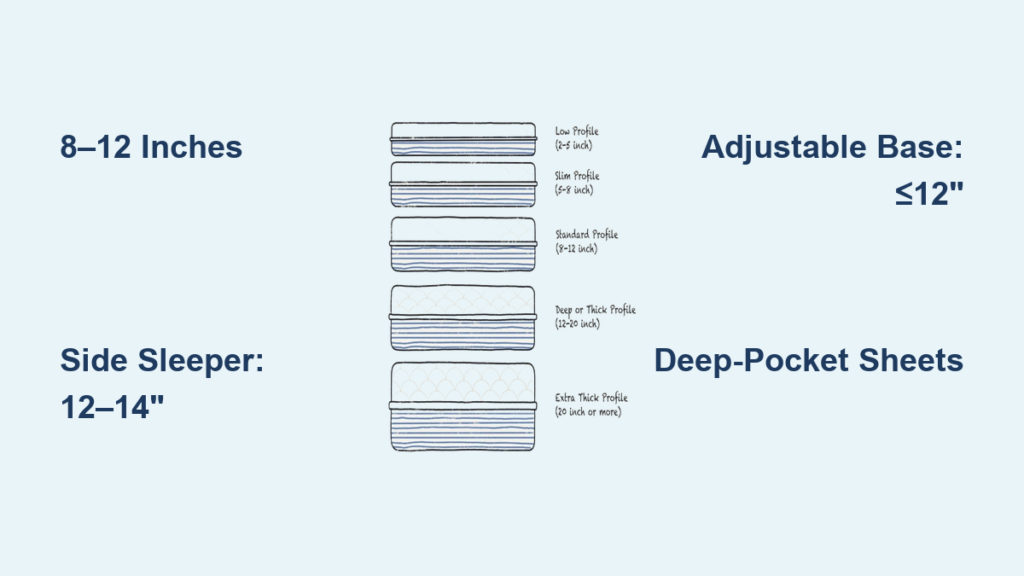
Choosing the right mattress height affects how easily you get in and out of bed, how well your spine aligns during sleep, and even how your bedroom looks. Most adult mattresses range from 8 to 14 inches thick, but the ideal choice depends on your body type, sleeping position, mobility needs, and existing furniture. Getting this decision right means better sleep, fewer aches, and a bed that fits your lifestyle for years to come.
This guide walks you through every factor that determines the best mattress height for your situation. You will learn how thickness impacts support and durability, which heights work best for different sleep positions and body weights, and how to calculate the total bed height that feels right in your space.
Match Mattress Height to Your Sleep Position

Your sleep posture determines how much cushioning and support you need from a mattress. Thickness influences pressure relief and spinal alignment differently for each position.
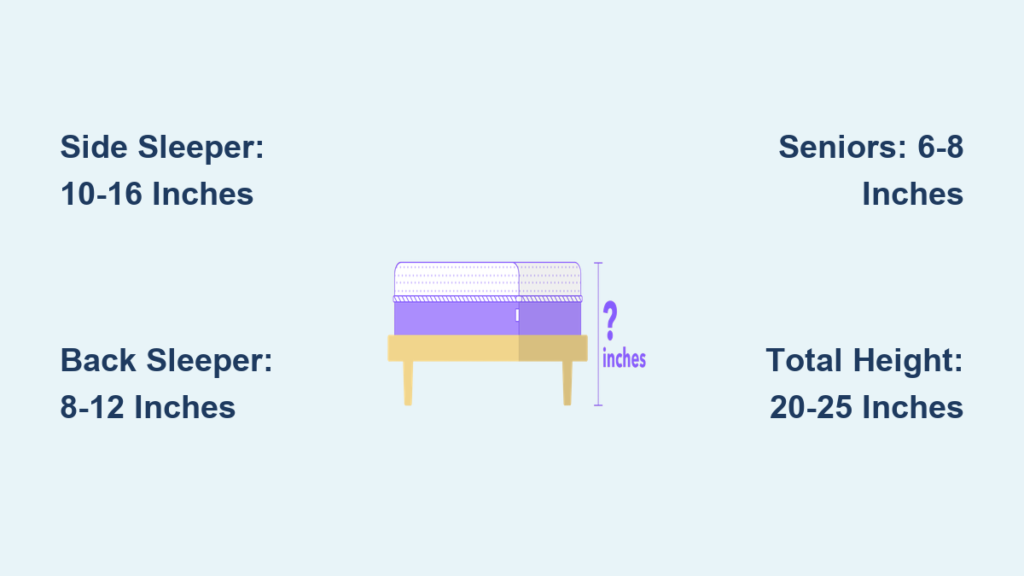
Side Sleepers Need 10 to 16 Inches
Side sleepers require enough depth to allow shoulders and hips to sink in comfortably while keeping the spine straight. A mattress that is too thin will not provide adequate contouring, leading to joint pain and morning stiffness.
The ideal thickness range is 10 to 16 inches. Look for at least 3 to 4 inches of comfort layer material such as memory foam, latex, or adaptive grid technology. Hybrid and memory foam mattresses work best for this position. Avoid mattresses under 10 inches unless they feature high-quality plush layers designed for pressure relief.
Heavy side sleepers weighing more than 230 pounds should prioritize 14-inch or thicker hybrid models with dense support cores to prevent bottoming out.
Back Sleepers Do Best with 8 to 12 Inches
Back sleepers need balanced support for the natural curve of the lower back without excessive sinkage. The ideal thickness range is 8 to 12 inches, with a comfort layer of 1.5 to 3 inches of responsive material like latex or open-cell foam.
Medium to medium-firm firmness works best for this position. Avoid ultra-thick soft models that cause the pelvis to drop, which misaligns the spine. When lying on your back, your spine should form a straight line from neck to hips.
Stomach Sleepers Should Choose 6 to 10 Inches
Stomach sleeping places the spine at risk if the midsection sinks too deeply. A firm, moderately thick mattress prevents this by keeping the body relatively flat.
The ideal thickness is 6 to 10 inches with a strong support core of at least 6 inches of high-density foam or coils. The top layer should provide minimal cushioning, under 2 inches, to avoid over-sinking. Latex, firm foam, or low-profile hybrids work best for this position.
Mattresses over 12 inches with soft tops often worsen back pain for stomach sleepers and should be avoided.
Combination Sleepers Thrive on 8 to 12 Inches
Frequent position changers need a balance of responsiveness and contouring to transition smoothly between sleeping on their side, back, or stomach.
The ideal thickness range is 8 to 12 inches at medium to medium-firm firmness. Latex hybrids or zoned memory foam models offer the best performance. Look for quick response time to prevent feeling stuck when shifting positions. Transition layers help shift weight without lag.
Adjust Mattress Height for Your Body Weight
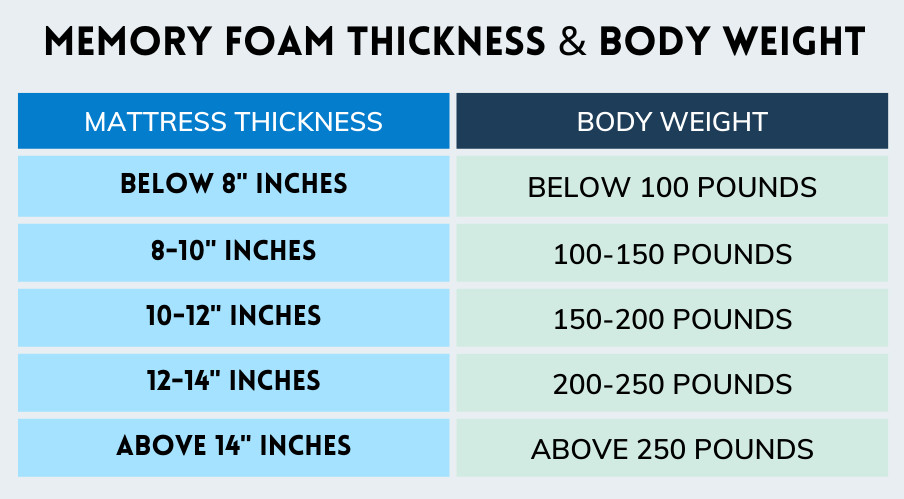
How much you weigh directly affects how deeply you compress the mattress and how long it lasts. Matching thickness to body weight ensures proper support and extends the mattress lifespan.
Lightweight Sleepers Under 130 Pounds
Lighter individuals exert less pressure, so very thick mattresses may feel unnecessarily soft or unstable. The recommended thickness is 6 to 10 inches.
Focus on material quality rather than just height. Plush comfort layers, such as 3-inch memory foam, improve pressure relief without feeling too firm. Avoid ultra-thick firm models because they may feel too rigid for lightweight frames.
A 7-inch high-density latex mattress can outperform a 14-inch low-density foam bed for lightweight users.
Average-Weight Sleepers Between 130 and 230 Pounds
This group matches the design specifications of most standard mattresses. The ideal range is 8 to 12 inches, with wide compatibility across foam, hybrid, and innerspring types.
Medium firmness works best for most sleepers in this category. Well-constructed models last 7 to 10 years with proper care. Use a 100-night sleep trial to test real-world comfort before committing.
Heavyweight Sleepers Over 230 Pounds
Extra weight increases compression and wear. Thicker, high-density builds are essential for support and longevity. The minimum recommended thickness is 12 inches.
Look for a support core of at least 6 inches of high-density foam or pocketed coils. Reinforced edges prevent sagging and improve edge-to-edge use. With quality materials, expect a lifespan of 8 to 12 years or more.
Heavy users report sagging within 2 to 3 years in mattresses under 10 inches.
Consider Who Shares the Bed
More bodies mean more weight, motion transfer, and faster wear. This requires a thicker, more durable build to maintain performance over time.
Single Sleepers
Single sleepers can choose from 6 to 12 inches depending on their weight category. Lightweight sleepers need 6 to 8 inches, while average-weight sleepers benefit from 8 to 12 inches. Standard models perform well with minimal motion transfer concerns.
Couples or Pet Owners
Combined weight often exceeds 300 pounds, demanding deeper support. The recommended thickness is 10 to 14 inches or more.
Thicker hybrids with pocketed coils offer superior motion isolation. Reinforced edge support expands the usable surface area. Extra-thick models at 14 inches or more are recommended if both partners are heavyweight.
Look for dual-layer memory foam or zoned support systems to balance comfort and responsiveness for couples.
Prioritize Mobility and Accessibility
For seniors, those with joint pain, or anyone recovering from surgery, ease of entry and exit is essential. The right mattress height makes a measurable difference in safety and independence.
Seniors and Mobility-Impaired Adults
The ideal sitting height places knees level with hips with feet flat on the floor. This translates to a recommended total bed height of 20 to 25 inches.
For mattress thickness, aim for 6 to 8 inches on a low-profile foundation. A firm feel prevents sinking and improves stability. Avoid beds over 22 inches total height because they increase fall risk and strain on joints.
Solutions for High Beds
If you love a thick mattress but struggle with access, several options exist. Bed risers lower the effective height of the entire bed. Adjustable bases raise or lower the bed as needed. Bed steps or grab bars improve safety without changing the mattress.
Test your current bed by sitting on the edge. If your knees are above hip level, the bed is too low. If your feet do not touch the floor, the bed is too high.
Factor in Health Conditions
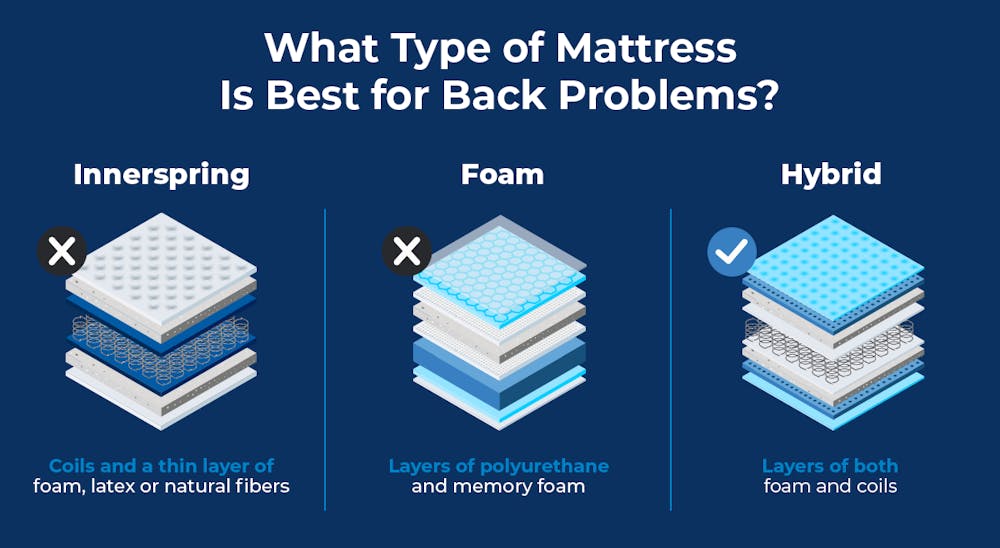
Medical needs often dictate specific support and pressure distribution requirements. Matching mattress height to your condition improves comfort and can aid recovery.
Arthritis or Joint Pain
Plush top layers of 3 to 4 inches of memory foam or gel grid reduce pressure on sensitive joints. Even weight distribution prevents localized pain. Hybrids or Purple models with adaptive surfaces work well for this condition.
The recommended thickness is 10 to 14 inches.
Chronic Back Pain
A mattress that supports the natural spinal curve without over-sinking works best for back pain sufferers. The recommended thickness is 8 to 12 inches at medium-firm firmness.
Avoid ultra-soft, thick models because they can cause misalignment. Latex or zoned foam offers targeted support for the lower back.
Poor Circulation or Pressure Sores
Pressure-relieving materials like gel-infused foam or Purple non-foam grid minimize tissue compression and enhance blood flow. The recommended thickness is 10 inches or more.
Pair these mattresses with adjustable bases for elevation benefits.
Sleep Apnea or GERD
Elevating the upper body reduces symptoms of these conditions. The mattress must be flexible enough to bend with an adjustable base.
The maximum recommended thickness is 14 inches for full articulation. Check compatibility with your specific adjustable base model before purchasing.
Know Your Mattress Type Ideal Thickness
Each construction type has structural limits and performance characteristics tied to thickness. Understanding these helps you choose wisely.
Innerspring Mattresses
Innerspring mattresses perform best at 8 to 12 inches. The coil core provides support while the comfort layer remains relatively thin. A pillow-top adds 1 to 3 inches of cushioning. This type works best for back sleepers and average-weight users.
Memory Foam Mattresses
Memory foam requires at least 3 inches of comfort layer for proper contouring. The ideal thickness range is 8 to 14 inches.
Denser foam lasts longer, so look for 4 to 5 pound density. Choose gel-infused or open-cell versions to improve cooling.
Latex Mattresses
Latex performs well even at lower thickness due to its natural support and breathability. The ideal range is 9 to 13 inches.
This type suits hot sleepers and eco-conscious buyers who want natural materials.
Hybrid Mattresses
Hybrids combine coils and foam for balanced support and comfort. The most popular range is 12 to 14 inches, with the ideal thickness at 10 to 14 inches.
Hybrids excel for couples, side sleepers, and heavyweight individuals.
Purple GelFlex Grid Mattresses
Purple uses proprietary grid technology that adds 2 to 4 inches of adaptive cushioning. Thickness ranges from 8 to 18.5 inches.
The Rejuvenate Luxe reaches 18.5 inches, one of the tallest available. This type is highly breathable and durable.
Adjustable Base Compatible Mattresses
Mattresses for adjustable bases must bend freely at hinge points. The ideal thickness is 10 to 12 inches, with a maximum of about 14 inches.
Flexible foam or hybrid layers work best. Avoid ultra-thick rigid models.
Material quality matters more than thickness. A 10-inch high-density foam mattress outlasts a 14-inch low-density one.
Calculate Total Bed Height
Mattress thickness alone does not determine how high your bed feels. Your foundation and frame matter just as much.
Foundation Heights by Type
Standard box springs add approximately 9 inches. Low-profile foundations add about 5 inches. Platform beds range from 6 to 10 inches. Adjustable bases range from 5 to 12 inches depending on the model.
The formula for total bed height is mattress plus foundation plus frame. For example, a 12-inch mattress on a 9-inch box spring equals a 21-inch bed.
Target Total Height for Most Adults
Aim for 20 to 25 inches total bed height. This allows easy sitting and standing with knees level to hips. The maximum recommended height for accessibility is 22 inches or less.
Tall beds over 30 inches may require bed steps or ladders. They can interfere with ceiling fans, headboards, or room proportions. In large, high-ceilinged rooms, 14-inch or thicker mattresses enhance a luxury, hotel-like feel.
Match Mattress Height to Room Style
Your bedroom layout and decor influence the best mattress height. The right choice complements your space visually and functionally.
Small Bedrooms
A mattress height of 8 to 12 inches prevents visual bulk and maintains an open, airy feel. This pairs well with low-profile platform beds.
Large or High-Ceiling Rooms
Thicker mattresses at 14 inches or more fill vertical space and support luxury, traditional aesthetics. This works with tall headboards and ornate frames.
Modern Interiors
Low-profile mattresses at 5 to 10 inches create a clean, grounded look. This matches minimalist or Scandinavian styles and works well with platform or floating beds.
Traditional Bedrooms
Mattresses at 12 to 16 inches or more convey grandeur and opulence. This style is popular in classic or vintage designs.
Contemporary design favors lower beds with 12 to 18 inches total height.
Ensure Long-Term Durability
Thicker is not always better when it comes to how long a mattress lasts. Support core depth and material density are bigger predictors of lifespan.
Support Core Requirements
The support core should constitute 50 to 70 percent of total mattress height. The minimum recommended depth is 6 inches of high-density foam or pocketed coils. This prevents sagging and extends the useful life.
Coil gauge and foam density matter more than sheer thickness.
Expected Lifespan by Thickness
Mattresses under 8 inches last 3 to 5 years and are prone to early wear, especially under heavy use. Mattresses between 8 and 12 inches last 7 to 10 years with proper care. Mattresses between 12 and 16 inches last 8 to 12 years or more due to deeper, higher-quality materials.
Many brands void warranties if the mattress is used on incompatible foundations. Check specifications before buying.
Pick the Right Sheets for Mattress Height
Mattress height determines which sheets will fit properly. Mismatched sheets slip off or will not stretch over the corners.
Sheet Pocket Depth Guide
Standard pocket sheets fit mattresses up to 12 inches. Deep-pocket sheets fit mattresses up to 18 inches. Extra-deep-pocket sheets fit mattresses up to 22 inches.
Always check the fitted sheet pocket depth rating. Do not assume deep means 18 inches. Stretchy fabric blends like jersey, bamboo, or spandex handle thick mattresses better than cotton.
Choose Cooling Materials Over Thinness
Thickness does not cause overheating. Material type is the dominant factor in temperature regulation.
Cooling Performance by Material
Latex offers excellent natural breathability. Hybrid mattresses with coils provide high airflow through the coil system. Memory foam tends to retain heat, but gel-infused or open-cell versions improve performance. Purple GelFlex Grid offers superior cooling through its non-foam structure.
A 14-inch hybrid can sleep cooler than a 10-inch solid foam mattress.
Weigh Cost and Practical Considerations
Thicker models cost more, weigh more, and can be harder to move. Understanding the trade-offs helps you make a smart decision.
Price Trends
Budget models typically cap at 10 to 12 inches with thinner comfort layers. Premium hybrids and latex models in the 12 to 14 inch range are standard. Customizable options like Flo Mattress let you choose thickness and firmness independently.
Handling Challenges
Mattresses over 12 inches can weigh 100 pounds or more. They may require professional delivery or installation. Rotation becomes more difficult with extra thickness.
Budget-Friendly Alternatives
Add a 2 to 3 inch topper of memory foam or latex to boost cushioning on a thinner base. Use bed risers or a thicker foundation to adjust height without buying a new mattress.
Debunk Common Myths About Mattress Height
Several misconceptions lead people to choose the wrong mattress height. Knowing the facts prevents costly mistakes.
Myth: Thicker Always Means Better
Too thick mattresses hurt accessibility, especially for shorter or mobility-limited users. Too thin lacks support for side sleepers and heavy individuals. Fit matters more than size.
Myth: Thicker Means More Durable
Durability depends on material density and base layer quality, not total height. A 14-inch low-density foam bed may sag faster than an 8-inch high-density one.
Myth: Thicker Means Softer
Firmness comes from layer composition, not height. A thick latex mattress can be firm. A thin memory foam one can be soft.
Myth: Thicker Means Better Support
Support comes from the core, not overall thickness. A well-built 8-inch latex bed may offer better spinal alignment than a poorly made 16-inch hybrid.
Final Selection Checklist
Before buying, answer these questions to confirm your choice.
What is your sleep position? Match to the recommended thickness range for that position. How much do you weigh? Adjust for compression needs. Who sleeps with you? Add thickness for combined weight. Do you have mobility issues? Prioritize 6 to 8 inch models. What is your bed frame height? Calculate total bed height and aim for 20 to 25 inches. Are you a hot sleeper? Choose breathable materials, not just thinner builds. What sheets do you have? Ensure deep-pocket availability. Is it adjustable base compatible? Check maximum thickness limits. Does it come with a trial? Look for 100-night or longer sleep trials and 10-year warranties. Can you test it? Sit on edges and lie in your normal position.
Many online brands offer risk-free trials. Use them to assess real comfort in your home.
Frequently Asked Questions About Choosing Mattress Height
What is the best mattress thickness for side sleepers?
Side sleepers should choose 10 to 16 inch mattresses. This thickness allows shoulders and hips to sink in comfortably while maintaining spinal alignment. Look for at least 3 to 4 inches of comfort layer material like memory foam or adaptive grid.
Does mattress height affect how easy it is to get in and out of bed?
Yes. Total bed height directly impacts accessibility. The ideal height ranges from 20 to 25 inches, allowing knees to level with hips and feet flat on the floor. Mattresses over 22 inches total height increase fall risk for seniors and mobility-impaired users.
Can a thicker mattress cause back pain?
Yes, if the mattress is too soft and thick for your sleep position. Thick, soft mattresses allow the pelvis to sink too deeply, creating spinal misalignment for back and stomach sleepers. Choose medium-firm thickness in the 8 to 12 inch range for back pain relief.
How does body weight influence the ideal mattress thickness?
Lightweight sleepers under 130 pounds need 6 to 10 inches. Average-weight sleepers between 130 and 230 pounds need 8 to 12 inches. Heavyweight sleepers over 230 pounds need 12 to 16 inches or more for proper support and durability.
What mattress height works best with an adjustable base?
Adjustable bases typically work with mattresses 10 to 12 inches thick, up to a maximum of 14 inches. The mattress must be flexible enough to bend at the hinge points without damaging the material or the base.
Key Takeaways for Choosing Mattress Height
Choosing the right mattress height is about matching thickness to your unique body, sleep habits, and lifestyle. Most adults find their ideal match in the 8 to 12 inch range, which provides balanced support and works across most mattress types.
Side sleepers and heavyweight individuals benefit from thicker mattresses at 12 to 16 inches for better pressure relief and durability. Seniors and those with mobility concerns should prioritize lower profiles at 6 to 8 inches for safety and easier access.
Remember that total bed height matters as much as mattress thickness. Calculate your mattress plus foundation plus frame to ensure the final height falls between 20 and 25 inches for optimal comfort and accessibility. Prioritize material density and core quality over sheer thickness, and always verify sheet compatibility before purchasing.