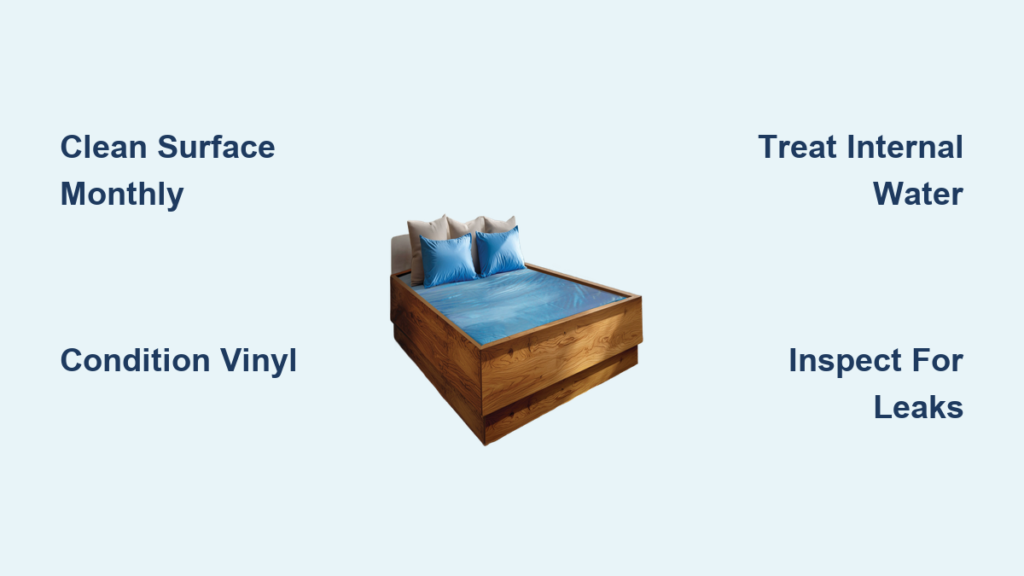
If you own a waterbed, you know it offers unmatched comfort and support, but that luxury comes with unique care requirements. Over time, body oils, sweat, and environmental factors can degrade the vinyl surface, while stagnant water inside creates a breeding ground for bacteria, mold, and foul odors. Knowing how to clean a waterbed mattress properly is essential to protect your investment, ensure hygiene, and extend its lifespan beyond 10 years. This guide walks you through every step, from monthly surface cleaning to annual internal conditioning, so you can keep your waterbed fresh, safe, and functional.
Clean the Exterior Surface
The outer vinyl of your waterbed collects body oils, sweat, and dust, which can break down the material over time. To prevent grime buildup and maintain shine, clean the surface at least once a month.
Monthly Vinyl Wipe-Down
Start by removing all bedding, including sheets, pads, and covers, so you can access the entire top and side areas. Use a soft cloth or sponge dampened with a solution of mild dish soap and warm water. Gently wipe the entire surface in circular motions, focusing on high-contact zones like the center and edges where skin contact is frequent.
Avoid harsh chemicals like bleach, ammonia, or abrasive cleaners. These strip plasticizers from the vinyl and accelerate cracking. If you prefer a specialized product, choose a non-abrasive vinyl cleaner such as Blue Magic Vinyl Cleaner. After cleaning, rinse thoroughly with a clean, water-dampened cloth to remove any soap residue. Finally, dry the mattress completely with a microfiber towel and allow it to air dry before replacing bedding. Never use a hairdryer or direct heat, as this can warp the vinyl.
Remove Odors and Disinfect
If your waterbed has developed a musty smell or you want deeper sanitization, take extra steps beyond basic cleaning. For odor absorption, sprinkle baking soda lightly over the surface and let it sit for 15 to 30 minutes before wiping away. This helps neutralize lingering smells caused by trapped moisture or bodily fluids.
For disinfecting, some users safely apply a diluted Pine-Sol solution, using 1 part Pine-Sol to 3 parts water, but only if the manufacturer allows it. Apply sparingly with a cloth, never spray directly onto the mattress, and rinse well afterward. Always test any new cleaner on a small, hidden area first to check for discoloration or damage. Once cleaned and disinfected, follow up with a vinyl conditioner to restore moisture and protect the surface.
Condition the Vinyl Externally
Even with regular cleaning, the vinyl on your waterbed will dry out over time due to exposure to air, sunlight, and body oils. Without conditioning, it becomes stiff, discolored, and prone to cracks.
Apply Protector Every 3 to 4 Months
Apply a vinyl conditioner and protector at least 3 to 4 times per year. For best results, many experts recommend monthly applications. Use a trusted product like Blue Magic Vinyl Conditioner and Protector, which contains UV inhibitors and ozone blockers to guard against environmental wear.
Apply a small amount to a soft, lint-free cloth and rub it evenly over the entire surface. Pay special attention to the sides and corners, where flexing occurs most. Let the conditioner absorb for 10 to 15 minutes, then wipe off any excess. Do not apply to a wet surface. Always ensure the mattress is completely dry first.
Why External Conditioning Matters
While internal water treatment is more critical, because vinyl degrades from the inside out, external conditioning plays a key role in preserving appearance and durability. It shields the mattress from ozone exposure, common near windows or electronics, prevents fading, and keeps the surface supple. Think of it as sunscreen and moisturizer for your waterbed. Routine use significantly extends its life and maintains that like-new look.
Treat the Internal Water

One of the most overlooked yet vital steps in waterbed maintenance is treating the water inside the bladder. Over time, untreated water stagnates and fosters bacterial growth, leading to foul odors.
Add Conditioner Annually
Always treat the water when first filling the mattress. For ongoing care, add fresh conditioner once per year as standard practice. If you notice an unpleasant smell during cleaning, consider treating every six months instead. A widely trusted option is Blue Magic Waterbed Conditioner, which inhibits microbial development and helps maintain vinyl flexibility.
Follow dosage instructions based on your mattress size, typically queen or king. Over-treating is not necessary and will not improve results. Stick to the recommended amount. Pour the conditioner through the fill valve, then gently rock the bed side to side to distribute it evenly throughout the water.
Shock Treatment for Contaminated Water
If your waterbed emits a strong, swampy odor or you suspect contamination, a shock treatment with biocide may be needed. This powerful disinfectant kills bacteria, mold, and algae already present in the water. Use a product specifically designed for waterbeds, such as a biocide shock treatment kit.
Follow label directions carefully. After application, let the solution circulate for the recommended period, usually 24 to 48 hours. Monitor the water for clarity and smell. Repeat only if necessary. Overuse can degrade internal components. Shock treatment is not a substitute for regular conditioning. It is a corrective measure for neglected or problematic systems.
No Need to Replace Water
Contrary to popular belief, you do not need to drain and refill your waterbed regularly. With proper conditioning, the same water can last for years. Draining should only occur when moving the bed, repairing a leak, or replacing the heater. When refilling, always flush hoses thoroughly before connecting to avoid introducing contaminants from garden hoses.
Inspect and Maintain Key Components
Even minor punctures or cracks can lead to major water damage. Inspect your waterbed every 3 to 6 months for signs of wear.
Check for Leaks and Damage
Look closely at seams, valves, and high-pressure areas. If you notice dampness under the bed, check the safety liner, as it may have caught a slow leak. For small holes or tears, repair immediately using a vinyl patch kit like the Blue Magic Vinyl Repair Kit. Clean and dry the area completely, apply adhesive, and press the patch firmly. Allow it to cure fully before putting weight on the mattress. Delaying repairs increases the risk of larger failures.
Replace the Safety Liner Every 3 to 5 Years
The safety liner sits beneath the mattress and acts as a secondary containment system. Over time, it can trap dirt, moisture, and mold, especially if leaks have occurred. An old liner may also lose integrity and fail when needed most. Replace it every 3 to 5 years, or sooner if you notice warping, staining, or odors. A fresh liner protects your floors from flood damage and extends the life of the mattress by shielding it from sharp frame edges or hardware.
Service the Heater Every 5 Years
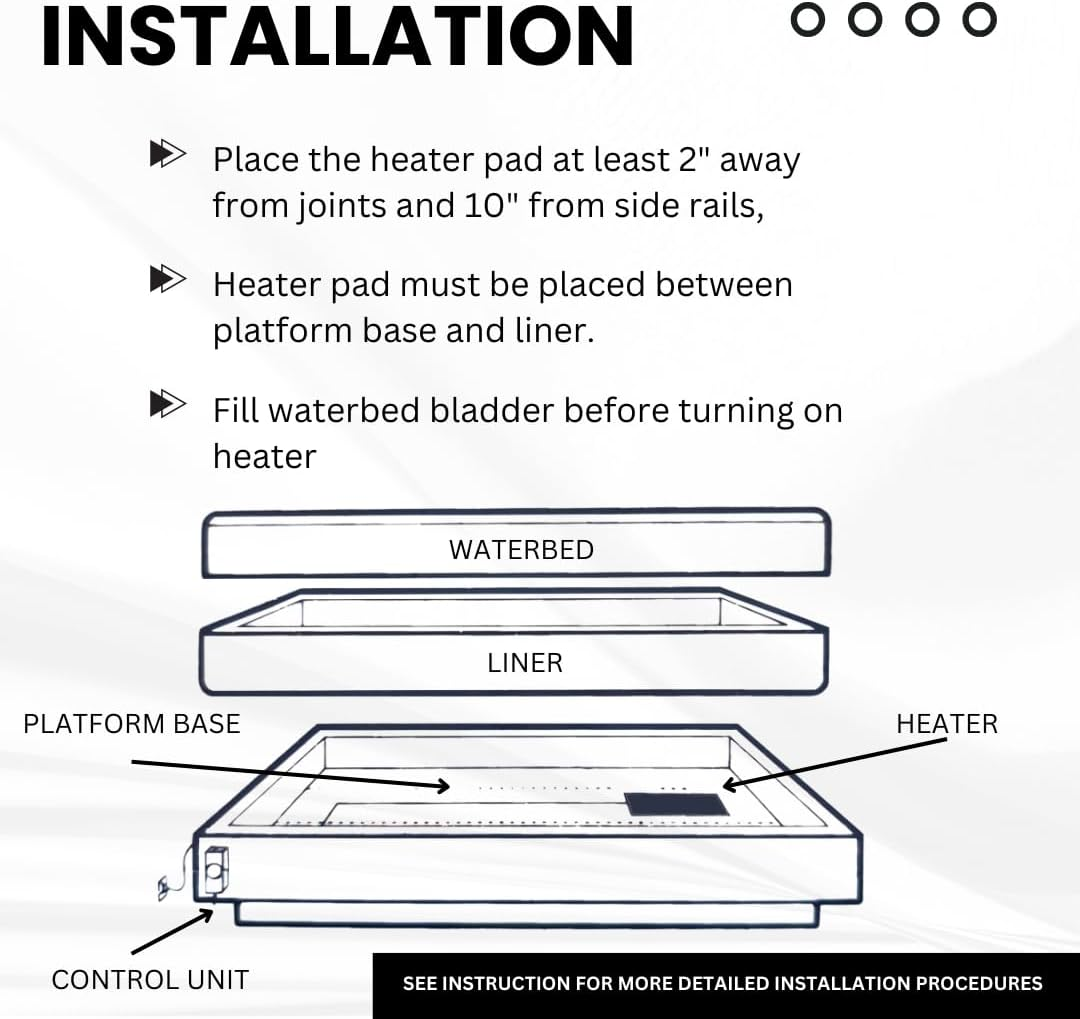
The waterbed heater maintains a consistent temperature, usually around 85 degrees Fahrenheit, and helps inhibit microbial growth. However, heaters degrade over time and should be replaced every 5 years or as specified by the manufacturer. Signs of failure include cold spots, inconsistent warmth, or complete loss of heat. When replacing, unplug the old unit carefully to avoid puncturing the mattress. Install the new heater according to instructions and plug it into a grounded outlet. Test the temperature before fully loading the bed.
Use Protective Accessories
One of the easiest ways to reduce cleaning frequency and prolong mattress life is to use protective accessories.
Install a Heavy-Duty Mattress Pad
Place a heavy-duty waterproof mattress pad directly on the vinyl. It blocks body oils, sweat, and spills from reaching the surface. This barrier minimizes direct contact with the vinyl, reducing wear and odor buildup. Choose a pad designed for waterbeds, as standard pads may not stretch adequately or resist punctures.
Choose a Zip Cover for Full Protection
For maximum defense, invest in a zippered mattress cover. These fully enclose the mattress, protecting all sides from abrasion, UV light, and accidental spills. Options include quilted covers that add comfort and insulation, pillowtop zip covers that deliver a plush, hotel-like feel, and deluxe fabric covers that combine style with durability. A zip cover makes cleaning easier. You can often spot-clean or machine-wash the cover instead of the mattress itself. It also reduces the need for frequent vinyl conditioning.
Care for Bedding and Fabrics
Your bedding harbors the same contaminants as any bed, including dead skin, oils, and bacteria. On a waterbed, moisture retention can worsen mold and odor issues.
Wash Sheets and Pads Weekly
Wash sheets, mattress pads, and removable covers every 1 to 2 weeks in hot water to kill germs. For deep cleaning or odor removal, use a two-cycle wash method. First, wash with white vinegar, using no detergent, to disinfect and break down organic residue. Then, rewash with regular detergent to eliminate vinegar smell and lift remaining grime.
Sun-Dry for Natural Disinfection
Whenever possible, air-dry bedding outdoors on a clothesline. Sunlight contains natural UV radiation that kills bacteria, mold spores, and dust mites. This step enhances cleanliness and leaves fabrics smelling fresh without chemical fragrances. If pre-washing is needed due to visible mold or heavy soiling, gently scrub affected areas with a soft brush and mild detergent before machine washing. Avoid bleach, which can weaken fabric fibers over time.
Follow a Maintenance Schedule
Consistency is key to long-term waterbed health. Use this schedule to stay on track.
Recommended Maintenance Timeline
Clean the exterior surface monthly. Apply external vinyl conditioner every 3 to 4 months, with monthly application being ideal. Add internal water conditioner annually, or every 6 months if odor is present. Shock treat water only as needed. Wash bedding every 1 to 2 weeks. Inspect for leaks every 3 to 6 months. Replace the heater every 5 years. Replace the safety liner every 3 to 5 years. Set calendar reminders or mark your planner to avoid skipping critical steps. A few minutes of maintenance now can prevent costly repairs or replacement later.
Special Considerations
Softside and hardside models require the same water and vinyl care. Softside models have fabric sides that should be vacuumed or spot-cleaned regularly to prevent moisture absorption. If you filled your mattress with well water, monitor for odor more closely, as natural minerals and microbes may require more frequent biocide treatments. Periodically wipe down the space between the mattress and safety liner to remove dust and moisture that can cause mildew.
Avoid Common Mistakes
Do Not Use Harsh Cleaners
Never use bleach, ammonia, or abrasive scrubbers on your waterbed. These damage the vinyl protective layer and accelerate aging. Stick to mild soap, vinegar on fabrics only, or approved vinyl-safe products.
Do Not Skip Internal Treatment
Many owners focus only on surface cleaning but forget the water inside. Internal conditioning is the most important step in preventing odor and structural failure. Without it, even a spotless exterior hides a deteriorating core.
Do Not Overlook Ventilation
Always clean and dry your waterbed in a well-ventilated room. Trapped humidity encourages mold growth on both the mattress and nearby surfaces. Open windows or use a fan during and after cleaning.
Key Takeaways for Cleaning Your Waterbed Mattress
Keeping your waterbed clean is not complicated, but it is essential. By following these proven steps, you will enjoy a hygienic, odor-free, and durable sleep surface for over a decade. Regular cleaning, proper conditioning, and timely inspections make all the difference. Focus on both external surface care and internal water treatment, as neglecting either one leads to problems. With the right care, your waterbed will continue delivering comfort night after night, year after year.
Frequently Asked Questions About Cleaning a Waterbed Mattress
How often should I clean the outside of my waterbed mattress?
Clean the external vinyl surface at least once per month. Wiping down the top and sides with mild soap and warm water removes body oils, sweat, and dust before they break down the material. Rinse thoroughly and dry completely before replacing bedding.
Can I use bleach to clean my waterbed?
No, never use bleach, ammonia, or abrasive cleaners on your waterbed. These chemicals strip protective plasticizers from the vinyl, causing it to crack and deteriorate faster. Stick to mild dish soap and warm water, or use a specialized non-abrasive vinyl cleaner.
How do I get rid of smell in my waterbed?
Sprinkle baking soda over the surface and let it sit for 15 to 30 minutes to absorb moisture and neutralize odors. For deeper sanitization, apply a diluted Pine-Sol solution, then rinse well. The most effective solution is adding waterbed conditioner to the internal water, as odor often comes from stagnant, untreated water inside the bladder.
Do I need to drain and refill my waterbed water?
No, you do not need to drain and refill regularly. With proper annual conditioning, the same water can last for years. Only drain when moving the bed, repairing a leak, or replacing the heater. Always add waterbed conditioner when first filling and once per year thereafter.
What happens if I never condition my waterbed?
Without internal conditioning, the vinyl loses plasticizers and becomes brittle, leading to cracks and potential leaks. The water also stagnates, creating a breeding ground for bacteria that causes foul odors. External cleaning alone cannot prevent this internal degradation. Annual water treatment is the most important maintenance step for longevity.
How do I repair a small leak in my waterbed mattress?
Clean and dry the damaged area completely. Apply a vinyl patch kit, following the product instructions carefully. Press the patch firmly and allow it to cure fully before putting weight on the mattress. Repair small holes immediately to prevent them from becoming larger tears.