Waking up to a greasy spot or yellow stain on your mattress? You are not alone. Body oil from skin, sweat, and sebum naturally transfers to your bed every night, especially if you sleep hot or use skincare products before bed. Over time, these oils oxidize, creating stubborn discoloration and musty odors. The good news: most stains can be removed with simple household items and the right technique. This guide shows you exactly how to clean body oil from a mattress safely and effectively without damaging the fabric or trapping moisture that leads to mold.
You will learn step-by-step cleaning methods, drying best practices, and how to prevent future stains for good. Whether you are dealing with fresh grease or set-in yellow stains, there is a solution that works for your situation.
Immediate Oil Absorption Steps
The faster you act, the easier it is to remove body oil. Start by drawing out as much grease as possible before it sets into the fabric.
Blot Fresh Oil Immediately
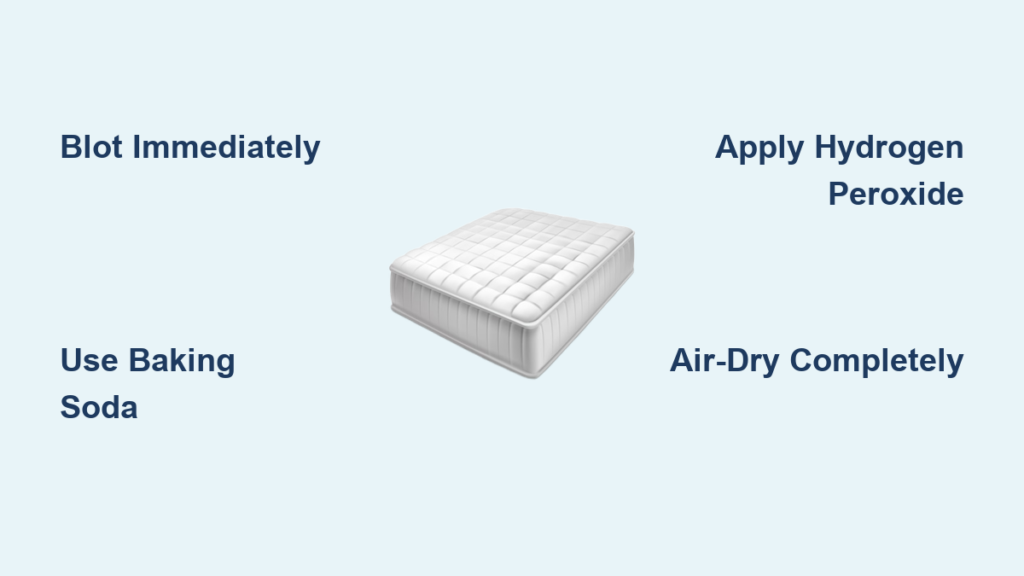
When you notice oil on the mattress, use paper towels or a clean dry cloth to gently press down and absorb excess. Never rub this pushes the oil deeper into fibers. Keep replacing the cloth until no more oil transfers. This step is crucial for reducing the total load before deep cleaning.
Apply Baking Soda or Cornstarch
Sprinkle a thick layer of baking soda or cornstarch over the entire stained area. Both powders are natural absorbents that pull grease from fabric and padding. Let sit for at least 30 minutes or overnight for heavy buildup. The longer it sits, the more oil it extracts.
Pro Tip: Baking soda also neutralizes odors caused by bacterial growth in oily residues.
Vacuum Thoroughly
After the powder has done its job, use a vacuum with a clean upholstery attachment to remove every trace. Vacuum in slow, overlapping passes to ensure full pickup. This step prepares the surface for liquid cleaning and prevents clumping.
Effective Cleaning Methods for Body Oil
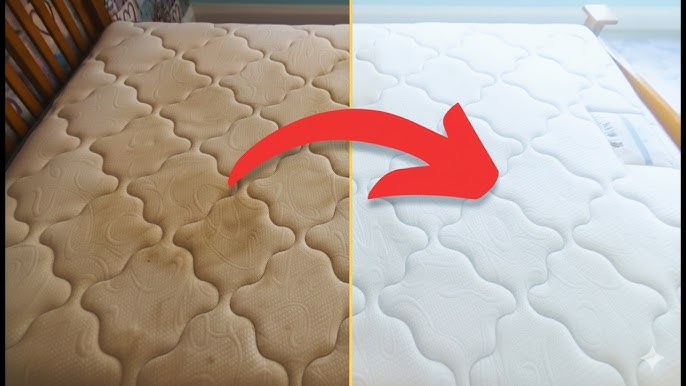
Once oil is absorbed, use targeted cleaning solutions to break down remaining residue and lift discoloration.
Use Dish Soap and Water for Light Stains
For fresh or mild oil marks, a simple dish soap solution works wonders.
Mix a Gentle Cleaning Solution
Combine 1 to 2 drops of mild liquid dish soap like Dawn with 1 cup warm water. Dish soap is designed to cut grease making it perfect for body oil.
Blot, Do Not Soak
Dip a clean cloth into the solution and gently blot the stain, working from the edges inward to avoid spreading. Never pour liquid directly onto the mattress. After cleaning, rinse with a cold water dampened cloth to remove soap residue, then blot dry with a towel.
Air-Dry Completely
Let the area dry for at least 8 to 10 hours with a fan or open window. Moisture trapped in foam can lead to mold.
Try Hydrogen Peroxide Paste for Yellow Stains
Oxidized body oil creates yellow or rust-colored stains. This powerful yet safe mix lifts discoloration and disinfects.
Prepare the Cleaning Paste
Mix 1 part 3% hydrogen peroxide with 2 parts water. Add baking soda until a thick paste forms, then include 2 to 3 drops of dish soap. Alternatively, create a spray version by combining 16 oz hydrogen peroxide, 4 Tbsp baking soda, and 2 drops dish soap.
Warning: Always test on a hidden area first. Hydrogen peroxide can bleach colored fabrics.
Apply and Let Sit Overnight
Spread the paste over the stain with a cloth or soft brush. Avoid soaking just dampen the surface. Let it sit for 6 to 12 hours to break down oils and brighten the fabric. The baking soda lifts grime while peroxide disinfects and whitens.
Vacuum After Drying
Once fully dry, vacuum again to remove any leftover powder. Repeat if the stain persists.
Use Enzyme Cleaner for Odors and Deep Stains
If your mattress smells sour or the oil has been there for months, enzyme-based cleaners are your best bet.
Why Enzymes Work
These cleaners contain natural bacteria that digest organic matter like sweat, oils, and dead skin. They are ideal for chronic buildup and odor control.
How to Apply
Vacuum the area first. Sprinkle a light layer of baking soda and let sit 15 to 30 minutes. Spray or apply the upholstery enzyme cleaner as directed. Blot with a dry cloth to absorb moisture. Allow 8 to 10 hours to dry completely.
Best for: Side sleepers, hot sleepers, or anyone with musty mattress smells.
Ammonia for Extreme Grease
Only use ammonia if other methods fail and the stain is deeply greasy.
Safety First
Never mix ammonia with bleach or vinegar toxic fumes result. Wear gloves and work in a well-ventilated room. Test on a hidden spot first.
Spot-Treat Grease
Dampen a cloth with small amounts of ammonia and dab the stain. Do not soak. Follow with a cold water rinse and blot dry. Let the area air-dry fully before reassessing.
Note: The fabric may look darker when wet wait until it is dry to check results.
Alternative Household Solutions
You do not need specialty products to clean body oil. Common pantry items work well.
White Vinegar for Discoloration
Mix equal parts white vinegar and water in a spray bottle. Spray lightly on stained areas, let sit 15 to 30 minutes, then blot dry. Vinegar helps remove yellowing and kills bacteria.
Bonus: Combine with baking soda for a foaming action that lifts grime.
Rubbing Alcohol to Speed Drying
After cleaning, lightly mist the area with rubbing alcohol to help evaporate moisture. Add 5 to 10 drops of essential oil like lavender for a fresh scent and antimicrobial boost.
Critical Drying Techniques
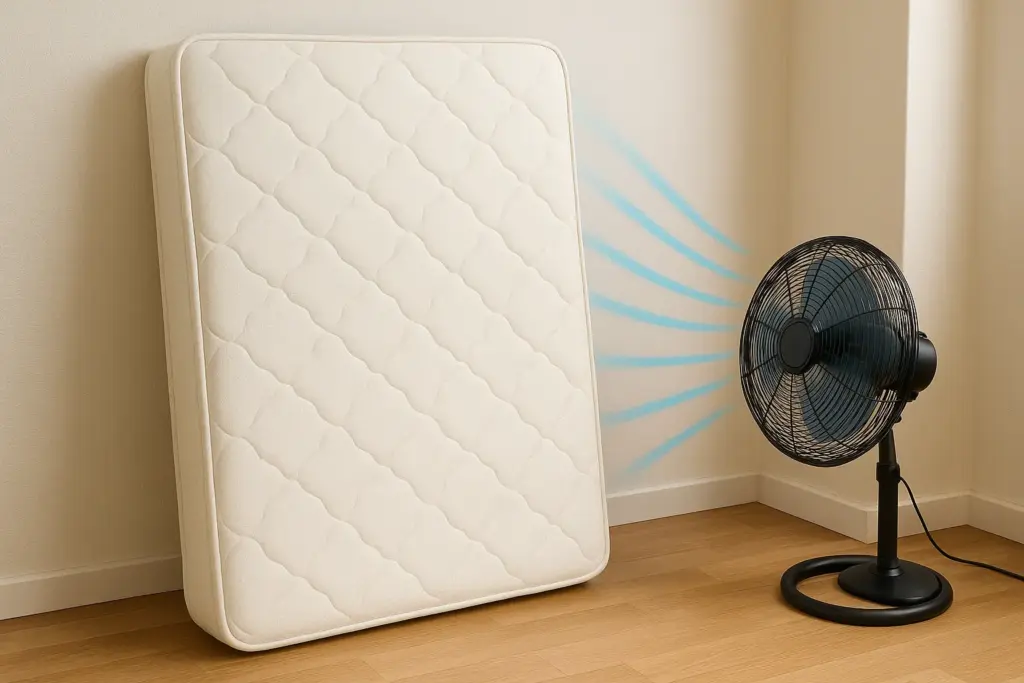
Improper drying causes more problems than the stain itself. Mold, mildew, and lingering smells often come from trapped moisture.
Air-Dry for 8 to 10 Hours Minimum
Never rush this step. Keep the room well-ventilated with open windows or a fan. For memory foam or hybrid mattresses, allow up to 24 hours.
Use a Fan or Dehumidifier
Position a box fan or ceiling fan to blow across the surface. A dehumidifier reduces ambient moisture, speeding evaporation and preventing mold.
Try Indirect Sunlight
If possible, place the mattress in indirect sunlight for a few hours. UV rays naturally kill bacteria and help bleach yellow stains. Avoid direct sun to prevent fabric fading.
Flip and Rotate During Drying
If your mattress is accessible underneath, flip or rotate it halfway through drying to expose all sides to airflow.
Rule of Thumb: Only remake the bed when the mattress is completely dry to the touch and smell.
Prevent Body Oil Stains Long-Term
Cleaning is half the battle. Prevention keeps your mattress fresh and extends its life.
Use a Washable Mattress Protector
A waterproof, breathable protector is the number one defense against body oil. Choose one that is removable and machine-washable, hypoallergenic, and breathable to avoid overheating. Wash it every 1 to 2 months or more if you sweat heavily.
Pro Tip: Look for protectors with a fitted skirt that stays in place and covers all sides.
Wash Bedding Weekly
Sheets trap oils before they reach the mattress. Wash them weekly in hot water with regular detergent. Add 1/2 cup baking soda for deep cleaning and 1/4 cup white vinegar as a natural fabric softener and deodorizer.
Shower Before Bed If Using Oily Products
Night creams, lotions, and oils transfer to your sheets and mattress. Showering before bed removes excess residue, especially helpful for acne treatments or heavy moisturizers.
Vacuum Monthly
Use your vacuum upholstery attachment to remove dust, dead skin, and oil buildup. Do this every 4 to 6 weeks to keep the surface clean.
Refresh with Baking Soda Every 3 to 6 Months
Sprinkle baking soda over the entire mattress, let sit for 1 to 2 hours, then vacuum. This absorbs odors and keeps the fabric fresh between deep cleans.
When to Replace Your Mattress
Even with the best care, some damage cannot be reversed.
Signs It Is Time to Replace
Stains have soaked into inner foam layers and will not lift. Persistent musty or sour smell after multiple cleanings. Visible mold or mildew, black or green spots. Mattress is 7 to 10 years old or shows sagging. Fabric is permanently discolored or brittle.
Expert Note: If your mattress no longer feels fresh or supportive and cleaning does not help, it may be time to let it go.
Special Considerations by Mattress Type
Different materials require different care, especially when moisture is involved.
Memory Foam and Hybrid Mattresses
These retain moisture easily. Always use damp cloths, never wet. Avoid soaking or steam cleaning. Allow extra drying time, 12 to 24 hours. Clean in small sections to prevent pooling.
Non-Removable Covers
Most modern mattresses have permanent covers. In these cases, only spot clean. Use minimal liquid. Blot aggressively after each application. Never submerge or machine wash.
Add Antimicrobial Power with Essential Oils
After cleaning and drying, lightly mist the mattress with a DIY essential oil spray. Mix 1/4 cup rubbing alcohol, 1 cup distilled water, and 10 to 30 drops tea tree, lavender, or eucalyptus oil. Tea tree oil fights mold and mildew while lavender adds a calming scent.
Tools You Will Need
Gather these items before starting your mattress cleaning project.
Baking soda for absorbing oil and odors. Dish soap like Dawn for breaking down grease. 3% hydrogen peroxide for lifting yellow stains. White vinegar for deodorizing and disinfecting. Enzyme cleaner for removing organic buildup. Clean cloths for applying and blotting solutions. Spray bottle for even liquid distribution. Vacuum for removing powders and debris. Fan or dehumidifier for speeding drying. Mattress protector for preventing future stains.
Frequently Asked Questions About Cleaning Body Oil from Mattresses
How do you get old body oil stains out of a mattress?
For old or set-in stains, start by sprinkling baking soda to absorb surface oils. Then apply a hydrogen peroxide, baking soda, and dish soap paste. Let it sit overnight, then vacuum thoroughly. For stubborn odors, follow with an enzyme-based cleaner. Repeat the process if the stain persists.
Can I use steam cleaning on my mattress to remove oil?
No. Steam cleaning is not recommended for most mattresses, especially memory foam. The heat and moisture can damage foam materials and get trapped inside, leading to mold growth. Stick to spot cleaning with damp cloths instead of soaking the mattress.
How long does it take for a mattress to dry after cleaning?
A mattress needs at least 8 to 10 hours to dry completely. Memory foam and hybrid mattresses may require up to 24 hours. Use fans or a dehumidifier to speed up the process. Never remake the bed until the mattress is fully dry to the touch.
Will hydrogen peroxide damage my mattress fabric?
Hydrogen peroxide is generally safe but can bleach or lighten certain fabrics. Always test the solution on a hidden corner of the mattress first. Use the 3% concentration found in most drugstores and avoid leaving it on for too long.
How often should I clean my mattress to prevent oil buildup?
Vacuum your mattress monthly to remove dust and surface oils. Sprinkle baking soda every 3 to 6 months for a deep refresh. Wash your sheets weekly in hot water. Using a mattress protector is the best way to minimize cleaning frequency.
Key Takeaways for Removing Body Oil from Your Mattress
Acting fast is the most important factor in successful oil removal. The sooner you blot and treat a stain, the easier it is to eliminate completely. Always blot never rub, as rubbing pushes oil deeper into fabric fibers.
Baking soda is your first line of defense for absorbing fresh oil, while hydrogen peroxide paste works best for yellowed, oxidized stains. Enzyme cleaners tackle stubborn odors and deep-seated buildup. No matter which method you choose, drying completely is essential to prevent mold and mildew.
Prevention beats deep cleaning every time. Invest in a quality mattress protector, wash your sheets weekly, and maintain your mattress with regular vacuuming and baking soda treatments. With consistent care, your mattress stays fresh, clean, and supportive for years to come.