Waking up to a damp or yellowed spot on your mattress is frustrating, especially when drool is the culprit. Whether it is a teething baby, a beloved pet, or simply sleeping with your mouth open, drool stains lead to discoloration, odors, and potential microbial growth if ignored. The good news? These organic stains respond well to the right cleaning approach.
This guide walks you through proven methods to remove drool stains from your mattress, from immediate spot treatment to deep cleaning set-in yellow marks. You will learn which supplies work best, step-by-step procedures for different stain ages, and prevention strategies to keep your mattress fresh.
Identify the Stain and Assess Severity
Before cleaning, determine how deep the stain has penetrated and whether it is fresh or set-in. This assessment dictates your cleaning method and expected results.
Fresh vs. Set-In Drool Stains
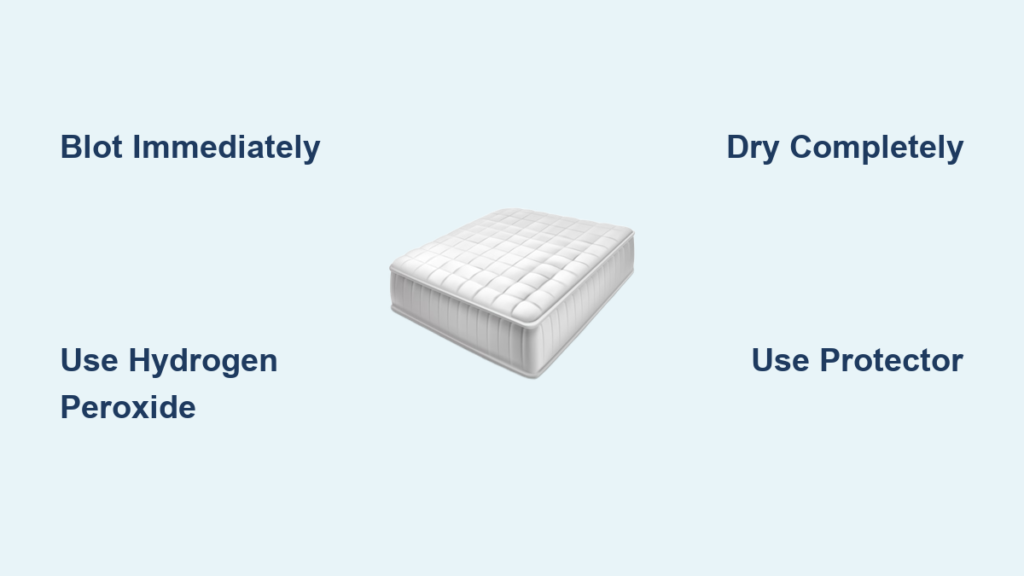
Fresh stains appear damp and slightly shiny, often showing no discoloration yet. These respond well to mild soap and water solutions. Set-in stains develop a pale yellow to amber hue within 24 to 48 hours due to oxidation of saliva proteins and skin oils. These require stronger treatments like hydrogen peroxide or enzyme cleaners.
The longer drool sits, the more it bonds with fabric fibers and oxidizes. Early intervention produces the best results.
Check for Odors and Moisture
Press a clean white towel against the area. If moisture transfers, the stain is still active. A sour or musty smell indicates bacterial growth, requiring deodorizing with baking soda or vinegar.
Gather Essential Cleaning Supplies
Use safe, accessible tools and non-toxic agents to avoid fabric damage or health risks.
Required Tools
Spray bottle with fine mist setting
Clean white microfiber cloths or towels
Upholstery vacuum attachment
Mixing bowl and small strainer
Approved Cleaning Agents
Hydrogen peroxide (3%) removes yellowing and disinfects
White distilled vinegar neutralizes odors and sanitizes
Baking soda deodorizes and absorbs moisture
Clear liquid dish soap breaks down surface oils
Salt provides mild abrasion in paste form
Enzyme cleaner targets old or recurring stains with odor
Avoid bleach, ammonia, steam cleaners (unless approved), and harsh detergents. These can weaken fibers, set stains, or promote mold growth.
Blot and Prep the Mattress
Always start with immediate moisture control and surface preparation.
Remove Bedding Immediately
Strip sheets, pillowcases, and mattress protectors. Wash in cold water to prevent setting transferred stains.
Vacuum the Entire Surface
Use an upholstery tool to clean the stained area, seams, edges, and corners. This removes dust mites, dead skin, and debris, ensuring the cleaning solution works directly on the stain.
Apply the Right Cleaning Method

Choose your approach based on stain age and severity.
Treat Fresh Drool With Dish Soap Solution
This method works best for stains caught within hours.
Mix one teaspoon of mild dish soap with one cup of lukewarm water in a bowl or spray bottle. Dampen a microfiber cloth without soaking it. Dab gently on the stain rather than pouring solution directly. Blot dry with a clean towel, then rinse with a water-dampened cloth to remove soap residue. Blot again until dry, then sprinkle baking soda over the area, wait one hour, and vacuum.
Dish soap emulsifies oils in saliva without oversaturating the fabric.
Remove Set-In Stains With Hydrogen Peroxide Mix
This is the most effective approach for yellowed or odorous spots.
Combine one and a half cups of hydrogen peroxide (3%) with one teaspoon of clear dish soap. Optional additions include five to ten drops of tea tree or lavender oil for antimicrobial properties. Mix gently to avoid suds and transfer to a spray bottle.
Test on a hidden corner first, as peroxide may bleach colored fabric. Lightly mist only the stained area without soaking. Wait 15 to 30 minutes for the solution to break down organic matter. Blot thoroughly with a dry microfiber cloth, pressing rather than rubbing. Sprinkle one cup of baking soda over the area and let sit overnight for maximum odor absorption. Vacuum completely the next day.
The hardest part is waiting, but letting the solution sit delivers the best results.
Use Baking Soda and Salt Paste for Surface Stains
This approach works well for mild discoloration or routine maintenance.
Combine half a cup of baking soda with a quarter cup of salt. Add cold water gradually to form a thick paste. Apply to the stain with fingers or a soft cloth, gently rubbing in circular motions without scrubbing. Wait 30 minutes, then wipe with a damp microfiber cloth. Blot dry and follow with a full baking soda deodorizing step.
Neutralize Odors With Vinegar Solution
Vinegar works best when peroxide is not an option or for sensitive fabrics.
Mix one part white distilled vinegar with one part cold water. Spray lightly after blotting excess moisture. Blot repeatedly until no residue transfers. Repeat if needed, then immediately apply baking soda to absorb the vinegar odor and lingering moisture. Wait one to two hours, then vacuum.
The vinegar smell disappears as it dries.
Dry the Mattress Completely
Improper drying causes mold, mildew, and lingering odors. This is the number one mistake in mattress cleaning.
Speed Up Drying Safely
Use a fan positioned nearby to circulate air without blowing directly on the mattress. Target damp spots with a hairdryer on the cool setting. Open windows to maximize airflow in the room. Place the mattress outside in indirect sunlight for UV sanitization, avoiding direct sun for more than one to two hours, which can degrade foam.
Drying Time Estimates
Lightly damp areas require two to four hours. Deep-treated stains need six to 12 hours. Humid environments may require up to 24 hours.
Press a dry towel to the area to test for dryness. If it comes away damp, continue drying.
Deodorize and Refresh the Entire Mattress
Even after spot cleaning, refresh the full surface to eliminate residual odors and maintain hygiene.
Vacuum the entire mattress. Mix one cup of baking soda with five to ten drops of essential oil if desired. Use a sieve to sprinkle evenly, avoiding clumps. Let sit for one to 24 hours, with overnight being ideal. Vacuum thoroughly, especially along seams.
Leaving baking soda overnight makes the whole bed smell fresh.
Prevent Future Drool Stains
The easiest way to avoid repeat cleaning is to stop stains before they happen.
Use a Waterproof Mattress Protector
A waterproof mattress protector is the number one preventive measure. It blocks saliva, sweat, and spills, extends mattress life by eight or more years, and is machine washable every one to 2 months.
It is worth purchasing a protector because it can be easily removed and washed.
Maintain a Cleaning Schedule
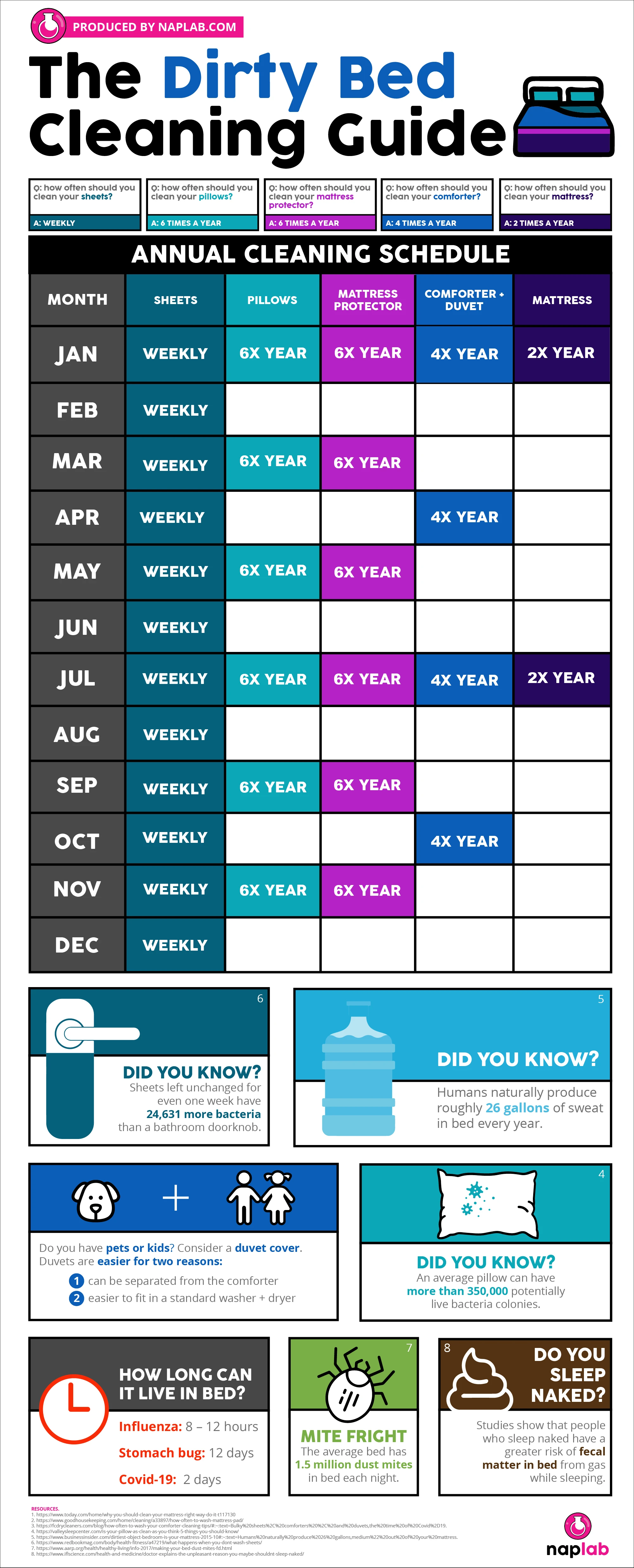
Wash bedding weekly. Vacuum the mattress monthly. Rotate the mattress every three to six months. Perform deep cleaning every three to six months. Deodorize with baking soda every three months.
Keep bedroom humidity below 50% to prevent moisture buildup.
Avoid Common Cleaning Mistakes
Steer clear of practices that damage your mattress or worsen the problem.
What Not to Do
Never oversaturate with liquid, which leads to mold in foam layers. Avoid bleach or ammonia, which weaken fibers and create toxic fumes. Skip hot water or steam, which sets protein stains and warps foam. Never scrub aggressively, as this spreads stains and damages fabric. Do not skip drying, which invites mildew and persistent odors.
Soaking the fabric may cause mold and mildew. Always check the manufacturer care label before cleaning, as some warranties are voided by improper methods.
Know When to Call a Pro or Replace the Mattress
Some stains and conditions cannot be fixed at home.
Signs You Need Professional Help
Seek professional help if the stain persists after two to three cleaning attempts. A musty or ammonia-like odor that remains indicates deeper issues. Visible mold or mildew (black or green spots) requires expert intervention. A mattress that feels damp inside needs professional attention. Exposed springs or crumbling foam signal structural problems.
If spot cleaning fails, contact a professional cleaner with mattress expertise.
Replace If
Mattress is over 10 years old. Deep sags or permanent indentations are present. Chronic back pain results from sleeping on the mattress. Nighttime allergies are triggered. Unremovable stains or odors persist.
Replacement is often more cost-effective than repeated cleaning of an aging mattress.
Alternative Methods Without a Vacuum
If you do not have a vacuum, try these alternatives carefully.
Steam Cleaner
Use only on a low-moisture setting. Allow 24 or more hours drying time. Not recommended for memory foam unless manufacturer-approved.
Carpet Cleaner or Manual Wipe-Down
Use minimal extraction water with a carpet cleaner and blot aggressively after. For manual wipe-down, apply baking soda paste, wipe with a damp cloth, and air dry completely before remaking the bed.
Key Takeaways for Removing Drool Stains From Mattresses
Cleaning drool stains off a mattress is straightforward when you act fast and use the right method. Blot fresh drool immediately rather than letting it dry and oxidize. Choose your cleaner based on stain age, using dish soap and water for fresh stains and hydrogen peroxide for set-in yellow marks.
Always apply solutions lightly, never soaking the fabric. Blot firmly rather than rubbing to avoid spreading the stain. Allow adequate dwell time for cleaning agents to work, and dry completely using fans or cool air before remaking the bed.
Invest in a quality waterproof mattress protector and stick to a regular maintenance routine. These simple steps prevent future stains, extend your mattress lifespan, and keep your sleep surface hygienic for years to come.
Frequently Asked Questions About Cleaning Drool Stains Off Mattresses
Does hydrogen peroxide damage mattress fabric?
Hydrogen peroxide (3%) is generally safe for most mattress fabrics, but it may bleach colored materials. Always test on a hidden corner first, such as the edge or bottom of the mattress, before applying to the stained area.
How long does it take for a mattress to dry after cleaning?
Lightly damp areas dry in two to four hours. Deep-treated stains require six to 12 hours. In humid environments, drying may take up to 24 hours. Always verify dryness with a dry towel before remaking the bed.
Can I use a steam cleaner on my mattress?
Steam cleaners are not recommended unless specifically approved by the manufacturer. The heat and moisture can warp foam, set protein stains, and encourage mold growth. If used, choose the lowest moisture setting and allow 24-plus hours drying time.
Why do drool stains turn yellow?
Drool contains proteins and enzymes that react with body oils and oxygen over time. This oxidation process creates the yellow to amber discoloration typical of set-in drool stains. The earlier you treat, the less likely yellowing occurs.
How often should I deep clean my mattress?
Deep clean your mattress every three to six months. Households with infants, pets, or allergy sufferers may benefit from quarterly cleaning. Spot clean immediately upon discovering fresh drool or spills.
Will a mattress protector help with drool stains?
Yes, a waterproof mattress protector is the most effective prevention tool. It creates a barrier that blocks saliva from reaching the mattress fabric, making cleanup simple and protecting the mattress interior from moisture and stains.