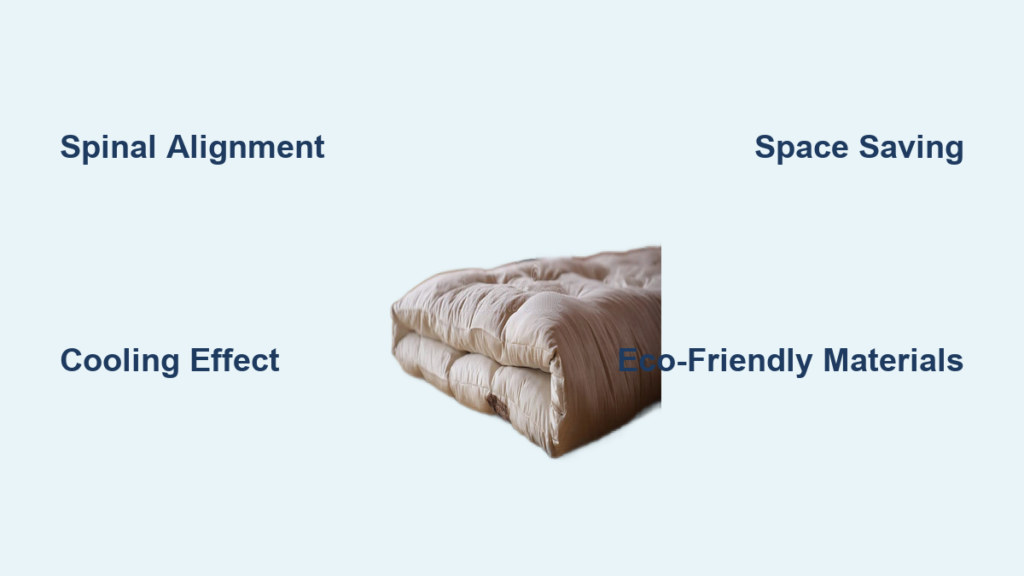
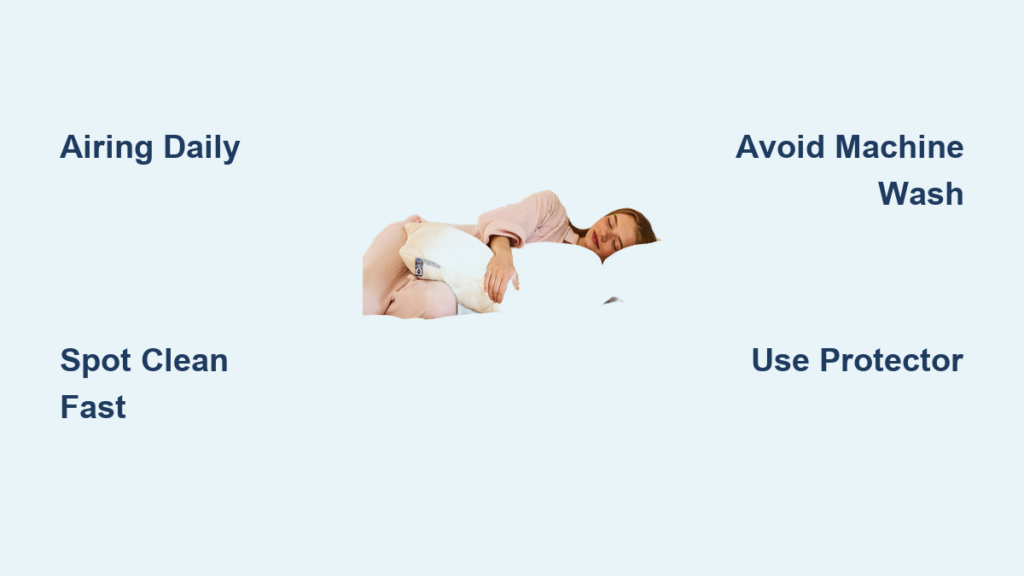
You’ve invested in a wool mattress topper for its natural breathability, temperature regulation, and comfort—but now it’s time to clean it. The big question: Can you wash it? The short answer is no—unless the care label says otherwise. Most wool toppers are not machine washable, and improper cleaning can ruin them forever. Water, heat, and agitation cause wool fibers to felt, shrink, and clump, destroying their structure and sleep-enhancing benefits.
But don’t panic. Cleaning a wool mattress topper doesn’t mean soaking it. In fact, wool is naturally self-cleaning thanks to lanolin, a waxy protective layer that resists bacteria, dust mites, and odors. With the right care—like airing, spot cleaning, and preventive protection—you can keep your topper fresh for years without ever submerging it. This guide gives you safe, proven methods based on manufacturer guidelines, fiber science, and real-world best practices.
Airing Your Wool Topper Regularly
Why Sunlight Is Your Best Cleaning Tool
Airing is the most effective and safest way to clean a wool mattress topper. UV rays from sunlight naturally disinfect, deodorize, and revitalize wool fibers. Because wool can absorb up to 30% of its weight in moisture without feeling wet, it traps sweat and humidity overnight. Daily airing prevents buildup and maintains freshness.
How to Air Your Topper Properly
Remove all bedding each morning. Pull the topper down over the foot of the bed or prop it upright against a wall.
Leave it exposed for 1–2 hours to release trapped moisture.
Every 3–4 weeks, take it outside in direct sunlight for 2–4 hours. Flip it halfway through.
If outdoors isn’t possible, place near a warm (not hot) heat source like a radiator or fireplace.
Pro Tip: Never leave wool in damp shade—this encourages mildew. Always use dry, sunny conditions.
Spot Clean Spills Immediately

Blot, Don’t Rub—Always
When accidents happen (sweat, spills, urine), act fast. Wool resists stains, but delay can make them permanent. Never scrub—this pushes liquid deeper and damages fibers.
Blot excess with a dry, absorbent towel.
Use a clean cloth dampened with cool water and a wool-safe detergent.
Gently dab the area—don’t soak it.
Rinse by blotting with a water-dampened cloth.
Press a dry towel on the spot to pull out moisture.
Let it air dry completely before remaking the bed.
Warning: Excess water causes clumping. Use only a slightly damp cloth.
Treat Protein Stains the Right Way
For urine, blood, or sweat, use only cold water—heat sets protein stains. After blotting, apply a paste of baking soda, salt, and water. Spread it thickly, let it dry fully, then brush off gently. Follow with sun airing to neutralize odor.
Why it works: The paste draws out moisture and neutralizes ammonia smells naturally.
Deep Cleaning: When & How
Hand Wash Only If Label Allows
Most full-sized wool toppers should not be submerged. But if you have a removable cover or small topper labeled hand-washable:
Fill a bathtub with cool water (under 30°C / 86°F).
Add wool-safe detergent (e.g., Eucalan, Woolite).
Submerge gently—do not agitate.
Soak for 30 minutes, then lightly swoosh.
Drain and refill with clean water for rinsing—repeat until water runs clear.
Press out water—never wring or twist.
Lay flat on a clean towel, reshape, and dry away from direct heat.
Critical: Never hang wool—it stretches. Always dry flat.
Machine Wash? Only With Caution
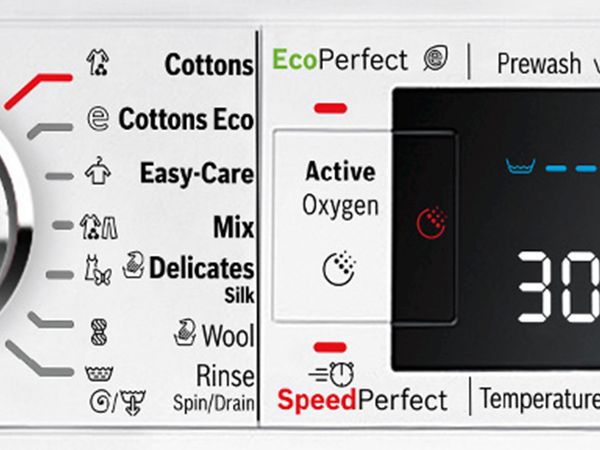
Check the Label First
Some brands (like Woolroom) treat wool to make it machine-washable. If your label says “yes,” follow these rules:
Use a front-loading washer only—top loaders are too rough.
Select delicate or wool cycle with cold water.
Use low spin speed and minimal water level.
Add pH-neutral wool detergent.
Never overload—give it space to move gently.
Reality check: Even with precautions, 10–30% shrinkage is possible. Laundromat machines handle large items better.
Never machine wash if the label doesn’t explicitly allow it.
Avoid Dry Cleaning Unless Necessary
Harsh Chemicals Risk Fiber Damage
While some brands (e.g., Putnams) recommend dry cleaning only, many experts warn against it. Standard dry cleaners use solvents that strip natural lanolin, weaken wool fibers, and leave chemical residues.
If dry cleaning is required, choose a cleaner specializing in natural fibers. Ask about eco-friendly solvents (e.g., liquid CO₂). Avoid facilities that use perchloroethylene (perc).
Alternative: Spot clean and air instead—most soiling doesn’t require full dry cleaning.
Preventive Care That Works
Use a Breathable Mattress Protector
A 100% cotton or Coolmax protector is essential. It blocks spills and sweat, allows airflow (won’t trap heat), is machine washable weekly, and reduces need for topper cleaning.
Best practice: Wash the protector every 1–2 weeks to prevent odor transfer.
Rotate and Flip for Even Wear
Prevent Body Impressions
Wool compresses over time. To keep support even, rotate head-to-foot monthly. Flip top-to-bottom every 3–6 months. For new toppers: flip weekly for the first month, then monthly.
Why it matters: Flipping prevents lumps and extends lifespan to 5–10 years.
Vacuum Gently, Not Aggressively
Remove Dust Without Damage
Once a month, use the upholstery attachment. Set vacuum to low suction. Pass slowly over the surface—no beater bar. Focus on seams and edges where dust collects.
Avoid: Steam vacuums or wet extraction—too much moisture.
Deodorize With Baking Soda
Natural Odor Removal, No Water Needed
If your topper smells stale, sprinkle a light layer of baking soda over the surface. Wait 1 hour (don’t let it clump). Vacuum thoroughly with upholstery tool.
Bonus: Baking soda also helps absorb residual moisture.
What NOT to Do—Ever
Critical Mistakes That Ruin Wool
Machine washing (unapproved) causes felting, shrinkage, and clumping.
Tumble dry heat destroys protein structure—irreversible damage.
Hot water cleaning sets stains and damages fibers.
Scrubbing stains pushes dirt deeper and breaks fibers.
Submerging entire topper waterlogs wool and leads to uneven drying and mold.
Steam cleaning adds too much moisture—clumping risk.
Beating or shaking breaks fibers and creates lumps.
Alkaline detergents strip lanolin and cause odor retention.
Golden Rule: If it involves heat, soaking, or scrubbing—don’t do it.
Care by Brand: What Manufacturers Say
Follow Your Label’s Instructions
Woolroom machines washable on cool, delicate cycle—no need to remove cover.
Putnams dry-clean only—600 gsm wool requires professional care.
Shepherd’s Dream spot clean only—no dry cleaning due to chemical sensitivity.
Generic Untreated Wool air and spot clean only—never machine wash.
Always check the tag—treatments vary even within brands.
Signs of Damage vs. Healthy Wear
Know When It’s Time to Act
Healthy Topper Signs include even loft and softness, fresh smell after airing, and no visible stains or lumps.
Warning Signs of Damage include hard, matted, or lumpy areas, noticeable shrinkage, musty odor that won’t go away, loss of springiness, and discoloration or fiber breakage.
If damaged: Deep cleaning won’t fix felting. Consider replacement.
Final Maintenance Schedule
Simple Routine for Long Life
Unmake bed for airing daily to release moisture.
Rotate topper monthly for even wear.
Flip topper every 3–6 months to maintain support.
Sun airing every 3–4 months to disinfect and refresh.
Spot clean spills as needed to prevent stains.
Vacuum surface monthly to remove dust.
Use protector always to prevent soiling.
Deep clean only if labeled safe to restore hygiene.
Frequently Asked Questions About Cleaning a Wool Mattress Topper
Can I machine wash my wool mattress topper?
Only if the care label explicitly states “machine washable.” Most wool toppers are not machine washable due to the risk of felting and shrinkage. Machine washing can cause 10–30% shrinkage and permanently damage the fibers.
How often should I air my wool mattress topper?
Air your topper daily by pulling back bedding for 1–2 hours. Every 3–4 weeks, place it in direct sunlight for 2–4 hours to disinfect and deodorize naturally. This regular airing prevents moisture buildup and extends the topper’s lifespan.
What should I do if I spill something on my wool topper?
Act immediately by blotting excess liquid with a dry towel. Never rub. Use a clean cloth dampened with cool water and wool-safe detergent to gently dab the area. Let it air dry completely before remaking the bed.
Can I use baking soda to clean my wool mattress topper?
Yes. Sprinkle a light layer of baking soda over the surface, wait one hour, then vacuum thoroughly with an upholstery attachment. This naturally deodorizes without adding moisture. Baking soda also helps absorb residual humidity.
Is dry cleaning safe for wool mattress toppers?
It depends on the manufacturer. Some brands like Putnams recommend dry cleaning, but many experts advise against it due to harsh chemicals that strip lanolin. If required, choose a cleaner specializing in natural fibers with eco-friendly solvents.
How long does a wool mattress topper last with proper care?
With proper care—including daily airing, monthly rotation, and protective use—a wool mattress topper can last 5–10 years. The key is prevention over correction: air regularly, use a cotton protector, and never expose wool to heat or soaking.
Key Takeaways for Cleaning Your Wool Mattress Topper
A wool mattress topper is a long-term investment in better sleep. With proper care, it can last a decade, supporting deeper recovery and cooler rest. The key is prevention over correction. Air it daily, protect it with cotton, clean only when necessary, and never expose it to heat or soaking.
Remember the golden rules: never machine wash unless the label explicitly allows it, always use cold water for spot cleaning, and avoid all forms of heat, agitation, and excess moisture. Spot treat spills immediately, rotate and flip monthly, and use a breathable mattress protector to minimize cleaning needs. Stick to these rules, and your wool topper will stay fresh, resilient, and effective—without ever seeing a washing machine.