
You wake up with back pain, toss and turn all night, and notice a strange ridge running down the middle of your bed. If you’re dealing with a hump in your mattress, you’re not alone especially if you own a queen or king-size bed. This raised center line, commonly known as a king’s ridge, is one of the most frequent complaints among mattress owners. While it might look like a defect, it’s often caused by normal wear, poor support, or how you and your partner sleep. The good news? Most humps can be fixed or significantly reduced without replacing the entire mattress, especially if caught early.
A hump forms when the outer edges of the mattress compress from repeated use, leaving the center untouched and seemingly raised. Over time, this uneven wear distorts the surface, leading to discomfort and spinal misalignment. But before you consider buying a new bed, it is crucial to diagnose whether the issue stems from your sleeping habits, foundation problems, internal material shifting, or actual structural failure. This guide walks you through every step from identifying the type of hump to applying targeted fixes, preventing future issues, and knowing when it is time to replace your mattress.
Diagnose Your Mattress Hump
Before jumping into fixes, identify what kind of hump you are dealing with. Not all raised areas are the same, and treatment depends on the root cause.
Check for King Ridge
A king ridge is not a true bulge. It is the illusion of a raised center because the sides have compressed over time. This is common in wider beds where both sleepers stay close to the edges.
Signs include a firm, straight line down the middle, soft sunken sides, and discomfort when lying across the center. To test, place a straight edge like a yardstick across the mattress. If the center touches the stick but the sides dip more than three-quarter inch, it is likely a wear-induced ridge. This issue is most common in queen and king mattresses, especially softer models with memory foam or pillow tops.
Inspect for Internal Layer Shift
If the hump appeared suddenly after moving or cleaning, internal padding may have shifted. Signs include a localized lump or fold often near the center, fabric bunching, and one side feeling firmer than the other. The cause is typically vertical storage or improper handling that caused foam or fiberfill to slide downward. This type of hump is often fixable with manual realignment or flipping.
Evaluate Foundation Support
Your bed base plays a bigger role than you think. A weak or misaligned foundation can create or worsen a hump. Missing center legs are a common issue. Queen, king, and California king frames require a center support beam with a leg touching the floor. Without it, the frame bows. Slat spacing matters too. Gaps between slats wider than four inches lead to unsupported zones, increasing sag risk. Check cross beams with a bubble level to ensure they are flat across their length. Also inspect box springs for softness or wear, as old box springs lose shape and can become convex, pushing the mattress upward.
Assess Air Mattress Issues
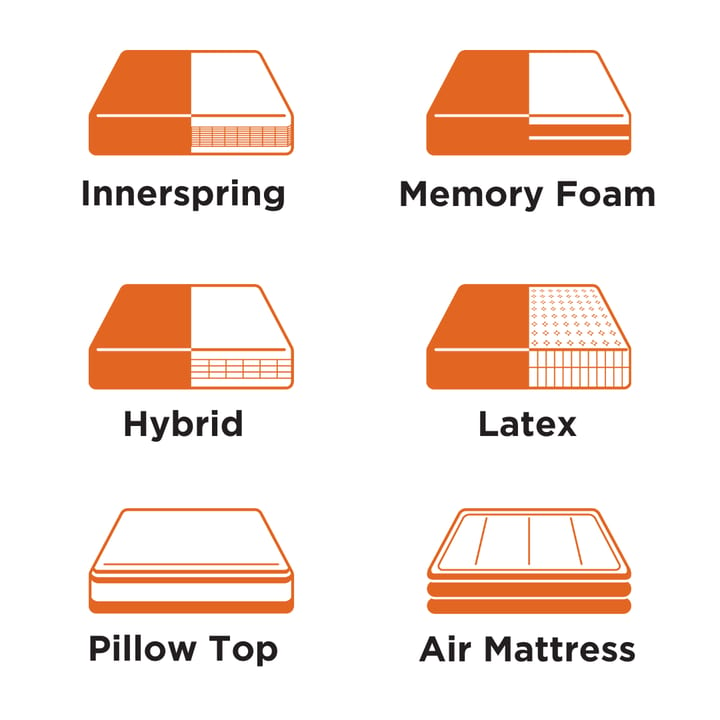
For Sleep Number or adjustable beds, humps are usually due to air chamber misalignment. Symptoms include one side deflating overnight, visible gap between chambers, or firmness imbalance. Quick fixes include inflating both sides to maximum firmness and letting sit for 24 to 48 hours. Check hoses and seals with soapy water for leaks.
Flatten a Wear-Induced Hump
When the hump is caused by long-term edge use, these methods restore balance by compressing the center and supporting the structure.
Rotate or Flip the Mattress
This simple habit evens out wear and reduces ridge formation. Rotate 180 degrees every three to six months to swap head and foot positions. Flip only if double-sided, as most modern mattresses are one-sided. For split kings, rotate each half individually. Set phone reminders to maintain consistency.
Apply Heavy Pressure to the Center
Force the elevated area to compress using weight. Use books, weight plates, a child is swing set, or even filled water jugs. Place items directly on the hump for seven to 14 days. Rotate items weekly to avoid creating new indentations. This works best during vacations or when the bed is not in use.
Reinforce with Plywood or Bunkie Board
Add rigid support beneath the mattress to eliminate sag and stabilize the center. Cut three-quarter-inch plywood to match mattress dimensions and place between mattress and foundation. For split setups, use two separate pieces. Alternatively, install a bunkie board, which is a thin solid platform, for a cleaner look. This method distributes weight evenly and prevents soft spots.
Install Center Support Leg
If your frame lacks a center leg, add one immediately. Ensure it extends from the center rail to the floor. Adjust leg height so it firmly contacts the ground with no wobbling. For adjustable bases, confirm the center bracket is locked and level.
Repair Internal Material Displacement
If the hump is due to shifted foam or padding, especially after moving, these techniques can reset the layers.
Flip the Mattress to Reset Layers
Turning it over uses gravity to pull displaced materials back into place. This works best immediately after noticing the hump. It is effective for pillow tops or layered hybrids. Let sit for 24 to 48 hours to allow full resettling.
Manually Reposition Foam Through Seams
Some mattresses allow access to internal layers. Locate side seams or zippers, common in older or higher-end models. Carefully open with a seam ripper. Reach in and pull backward on bunched foam, mimicking a shake-out motion. Smooth layer by layer. Re-sew using heavy-duty thread and an upholstery needle.
Use Beatdown and Rolling Methods
Physical agitation helps redistribute loose fillings. For the beatdown method, hang the mattress over a clothesline or sturdy bar. Gently strike with a clean broom or foam bat for five to 10 minutes. Focus on the humped area. For non-removable tops, beat directly on the bed after removing bedding. For the rolling method, roll across the mattress with your body weight. Use a rolling pin for targeted pressure. Or let a child bounce safely if allowed by manufacturer. For vertical reshaping, hold mattress upright with a helper and roll from top to bottom.
Wash and Fluff Removable Covers Only
If the pillow top has a washable cover, remove and wash on gentle cycle. Dry with clean tennis balls to break up clumps and fluff fibers. Hang to dry, then smooth by hand or broom. Reattach carefully. Never machine-wash non-removable covers as this can ruin the mattress.
Fix Air Mattress Humps
Adjustable beds like Sleep Number need specific care to resolve humps.
Maximize Firmness and Allow Settling
Set both sides to firmness level 100. Wait several minutes for full inflation. Smooth the surface by hand. Let sit 24 to 48 hours after setup or movement, as temporary bulges often resolve.
Realign Internal Components
Open the cover if accessible. Check for misaligned foam layers or shifted air chambers. Gently reposition any displaced parts. Ensure hoses are connected and straight, not kinked.
Detect and Repair Air Leaks
If one side deflates overnight, mix dish soap and water. Apply to hose connections, valves, and seams. Look for bubbles, which indicate leaks. Tighten or replace faulty parts. Contact customer support if leak persists.
Request Replacement Parts Under Warranty
Damaged air chambers, covers, or hoses are often replaceable at no cost. Provide model number and proof of purchase. Some brands dispatch certified technicians for repairs.
Prevent Future Mattress Humps
Prevention is easier and cheaper than repair. Build these habits early to extend your mattress life.
Rotate Every Three to Six Months
Rotation prevents deep impressions and evens out compression. Turn 180 degrees so head becomes foot. Set calendar alerts to stay consistent.
Use the Full Bed Width
Train yourself and your partner to use the center. Sleep in the middle when alone. Spend 30 minutes daily sitting, reading, or stretching in the center. Encourage both partners to shift positions occasionally. This gradual compression of the unused zone reduces ridge height over weeks.
Upgrade Your Foundation
A strong base prevents sag and supports longevity. Use solid platform or slats no more than three to four inches apart. Avoid placing mattress directly on carpet. Replace old sagging box springs with a hybrid foundation or bunkie board.
Avoid Vertical Storage
Never store a mattress on its side. This causes foam and padding to shift downward, creating folds. If temporary, such as during cleaning, limit to a few hours. Always store flat on a clean dry surface.
Choose Hump-Resistant Mattresses
When buying new, prioritize durability. High-density memory foam resists impressions better than low-density. Natural latex is naturally resilient and less prone to sagging. Hybrids with pocketed coils provide zoned support and reduce edge collapse. Avoid ultra-plush models if two people sleep on the edges.
When to Replace the Mattress
Some humps cannot be fixed, especially if the mattress is old or structurally damaged.
Signs It Is Time to Replace
Replace if sag or indentation is deeper than 1.5 inches. Replace if mattress is older than seven to 10 years. Replace if foam is crumbling, coils are poking through, or fabric is torn. Replace if persistent back or hip pain persists despite fixes. Replace if one side of an air bed will not hold air after leak checks.
What Mattress Warranties Cover
Most manufacturers cover deep sags exceeding one inch but not king ridge. Covered items include indentations from normal use exceeding warranty threshold. Not covered items include raised center ridges, since they are not depressions. Warranty is voided by vertical lifting, DIY disassembly, or using an incompatible base.
How to File a Warranty Claim
First, check warranty terms, which are usually 10 or more years. Measure the sag with a straight edge and ruler. Take clear photos showing the defect. Keep original receipt and warranty card. Submit via brand website, as some require professional inspection.
Action Plan Timeline
Follow this schedule to resolve and prevent humps effectively.
Immediate This Week
Measure side impressions with a straight edge. Inspect frame for center support and leg contact. Check slat spacing, which must be four inches or less. Rotate mattress 180 degrees.
Short-Term This Month
Set rotation reminders every three to six months. Spend 30 minutes daily using the center. Review warranty terms. Photograph any deep sags.
Long-Term Next Three Months
Install center support leg if missing. Add plywood or bunkie board for extra support. Buy a two to three inch latex topper to smooth minor humps.
Evaluation After Six Months
Re-measure impressions. Assess sleep quality and pain levels. Decide whether to file a warranty claim or replace the mattress.
Frequently Asked Questions About Mattress Humps
Is a hump in my mattress a defect?
Usually not. It is typically caused by normal use patterns and uneven compression, not manufacturing flaws. The king ridge phenomenon results from how couples sleep, leaving the center unused while edges compress.
Can rotating the mattress prevent a king ridge?
Rotation helps distribute wear but does not completely prevent the ridge. Flipping the mattress if it is double-sided is more effective at redistributing compression across the entire surface.
Will sleeping in the middle help fix the hump?
Yes. Regular use of the center compresses the elevated foam, gradually reducing the height difference between the center and compressed edges. Spending 30 minutes daily in the center speeds up this process.
Can a mattress topper fix the hump?
A two to three inch topper, especially latex, can smooth out minor ridges and improve comfort. It provides a temporary solution but does not address the underlying structural issue.
Why do king and queen beds get humps more often?
Wider beds create larger gaps between sleepers, leaving the center unused and uncompressed. This asymmetry in weight distribution is the primary cause of the king ridge phenomenon.
How do I know if my frame is causing the hump?
Check for missing center legs, uneven support legs, or slats spaced more than four inches apart. Use a bubble level to verify cross beams are flat. Inspect for worn or soft box springs.
Key Takeaways for Fixing Your Mattress Hump

King ridge is normal, not a defect. It results from how couples sleep, not poor manufacturing. Fixable humps respond well to rotation, targeted weight application, and foundation upgrades. Structural humps from material shift can often be reversed with flipping or manual realignment. Air mattress humps usually resolve with inflation adjustments, realignment, or part replacement. Prevention beats repair. Rotate regularly, use the full bed width, and ensure solid support. Replace if sag exceeds 1.5 inches, age exceeds seven to 10 years, or pain persists despite fixes. Warranty claims cover deep sags but not raised center ridges, so document everything carefully before attempting repairs.