Waking up to a stained pillow top mattress is frustrating, but most stains can be safely removed with the right method. The plush layer that makes pillow top mattresses so comfortable also makes them vulnerable to absorbing liquids and oils deep into the padding. Over-wetting or using harsh chemicals can damage the foam, degrade adhesives, or void your warranty. This guide walks you through proven solutions for sweat, urine, blood, grease, and more using household ingredients and professional best practices.
Identify the Stain Type First
Before applying any cleaner, determine what caused the stain. Different substances require different treatments.
Know Your Stain Chemistry
- Yellow stains: Usually body oils, sweat, or oxidation, common in head and torso zones.
- Protein stains: Blood, urine, vomit, contain compounds that bind tightly to fibers.
- Tannin stains: Coffee, wine, juice, plant-based pigments that dye fabric quickly.
- Grease stains: Lotion, makeup, facial oils, repel water and attract dirt.
- Mold/mildew: Black or gray spots with a musty smell, indicate prolonged moisture exposure.
Pro Tip: Use a flashlight at an angle to spot subtle discoloration or dampness you might miss under normal light.
Strip and Vacuum Before Cleaning
Remove All Bedding Immediately
Take off sheets, mattress protectors, and pillows. Wash them in hot water at 60°C or higher to kill dust mites and bacteria.
Vacuum the Entire Surface
Use an upholstery attachment to clean every inch. Focus on seams, tufts, and high-contact areas. Vacuum both sides if accessible. This removes up to 80% of surface contaminants before liquid cleaning.
Blot Fresh Spills Aggressively
For recent spills, press paper towels or a clean cloth firmly into the area. Do not rub this pushes the stain deeper. Replace towels as they soak through and continue until no moisture transfers.
Warning: The longer a liquid sits, the harder it becomes to remove, especially urine and tannins.
Patch Test Any Cleaning Solution
Mattress fabrics vary widely. Always test first by applying a small amount of solution to a hidden corner under the sheet line. Wait 15 to 30 minutes and check for discoloration, foam softening, or sticky residue. Avoid bleach, ammonia, or alcohol as these degrade foam and emit toxic fumes.
Treat Yellow Sweat and Oil Stains
:max_bytes(150000):strip_icc()/clean-your-mattress-the-natural-way-350742-dd95404f7ac54f9b90f09045d9b4e98c.png)
Use Hydrogen Peroxide Paste
Supplies needed:
– Half cup hydrogen peroxide (3%)
– 1 tablespoon baking soda
– 1 teaspoon clear dish soap
– Soft brush or cloth
Steps:
1. Blot area if damp.
2. Mix ingredients into a foaming paste.
3. Apply directly to the stain.
4. Let sit 30 to 60 minutes, up to 2 hours for old stains.
5. Dab with a damp cloth to remove residue.
6. Air dry completely.
7. Vacuum after drying.
Note: Hydrogen peroxide may lighten colored fabric, always patch test first.
Alternative: Vinegar and Baking Soda Fizz
Spray equal parts white vinegar and water on the stain. Sprinkle baking soda over it and watch it bubble. Let sit 30 to 60 minutes. Blot with a damp cloth and dry fully before remaking the bed.
Eliminate Urine Stains and Odors
Step 1: Neutralize with Vinegar
Urine contains uric acid crystals that resist regular detergents. Mix 1 part white vinegar with 1 part cold water. Optional: Add a few drops of dish soap. Spray or pour on the stain and let sit 5 to 10 minutes. Blot thoroughly with a clean cloth.
Why vinegar works: Acetic acid breaks down alkaline urine salts and reduces odor.
Step 2: Apply Enzyme Cleaner
Only enzymes can fully digest uric acid and proteins. Saturate the area with an enzyme-based cleaner. Let it sit 10 to 30 minutes, or overnight for severe cases. Do not wipe off, allow to dry naturally as the enzymes continue working as they dry.
User Insight: 87% of pet owners report complete odor removal only after using enzyme cleaners.
Step 3: Deodorize with Baking Soda
Sprinkle baking soda over the area and let sit 6 to 8 hours or overnight. Vacuum thoroughly. Add 5 to 10 drops of tea tree or lavender essential oil to the baking soda for a fresh scent, mixing first never applying oil directly.
Remove Dried or Set-In Blood Stains
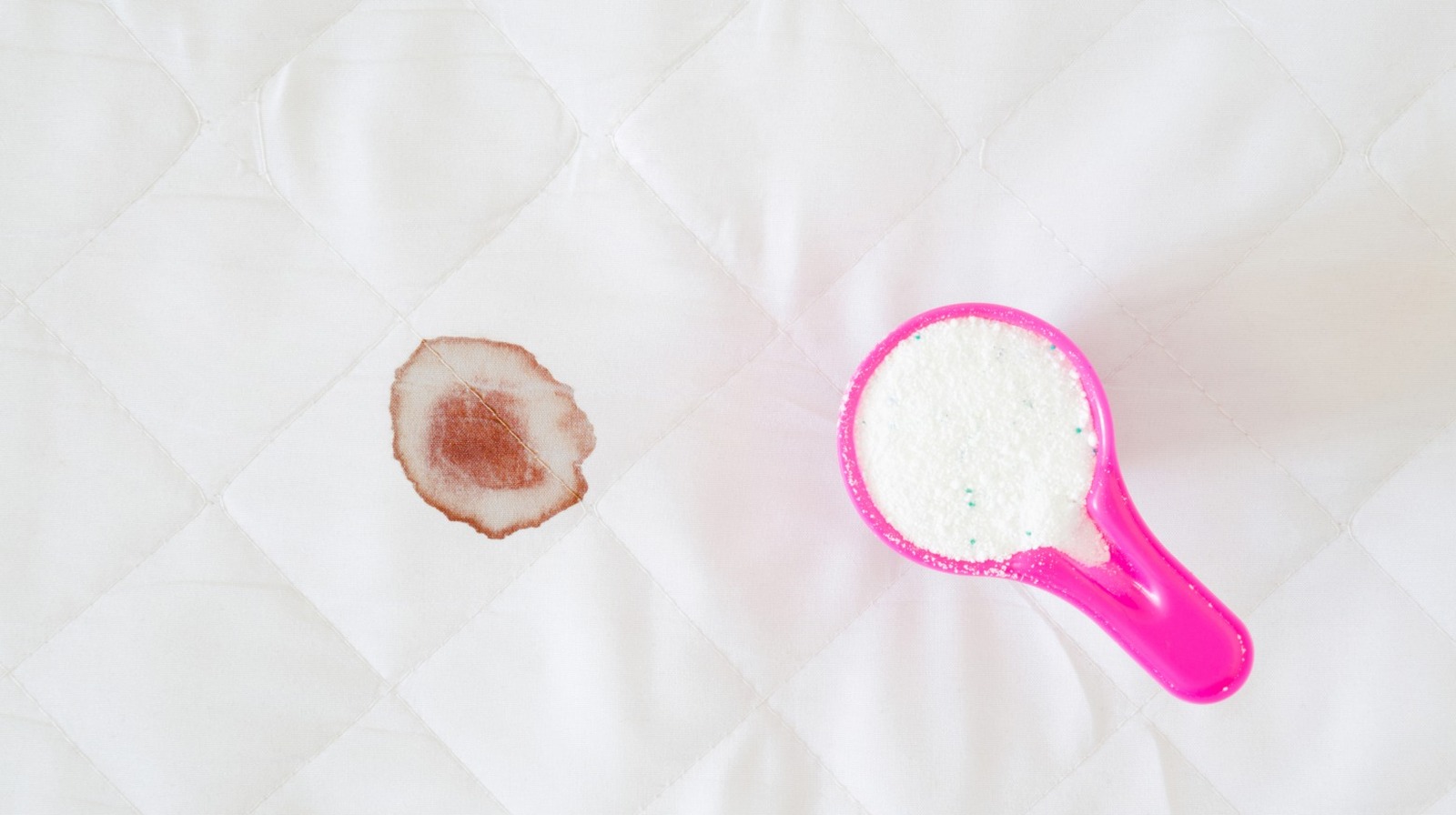
For Fresh Blood
Blot with cold water only, hot water sets protein stains. Spray a 50/50 mix of cold water and white vinegar. Let sit 30 minutes then blot. Repeat until gone and air dry.
For Dried Blood: Use Meat Tenderizer Paste
Meat tenderizer contains papain, an enzyme that breaks down hemoglobin.
Steps:
1. Mix 1 tablespoon meat tenderizer powder with 2 teaspoons cold water.
2. Apply to the stain.
3. Work in gently with a soft brush.
4. Let dry completely, 1 to 2 hours.
5. Vacuum or blot off residue.
6. Repeat if needed.
Alternative: Dab hydrogen peroxide (3%) on the stain, it will bubble as it oxidizes blood cells. Test first.
Clean Grease, Lotion, or Makeup Stains
Absorb Oils First
Grease repels water, so start with dry absorption. Cover the stain with baking soda, cornstarch, or talcum powder. Let sit 2 to 4 hours, overnight for heavy stains. Vacuum thoroughly.
Follow with Dish Soap Dab
If residue remains, mix 1 teaspoon dish soap with 1 cup cold water. Dab lightly on the area with a cloth. Blot with a damp cloth to rinse and dry completely.
Never scrub: This spreads oils deeper into the foam.
Handle Tannin Stains (Coffee, Wine, Juice)
Act Within 1 to 2 Hours
Tannins set quickly and become permanent with heat. Blot with a cold, damp cloth. Place a weighted, damp cloth over the stain to prevent drying. Within 2 hours, sponge with warm water plus 1 drop dish soap and blot dry.
For Older Stains
Try hydrogen peroxide method, test first as it may bleach. Or use enzyme cleaner as some break down tannins.
Never use hot water: It permanently sets tannin stains.
Deep Clean and Deodorize the Entire Mattress
Baking Soda Deodorizing
Vacuum the mattress thoroughly. Sprinkle an even layer of baking soda over the surface. Add 5 to 10 drops of essential oil if desired, mixing into powder first. Let sit 30 minutes to 8 hours, overnight for strong odors. Vacuum completely, especially seams and edges.
Benefits: Neutralizes odors, absorbs residual moisture, lifts surface oils.
Air Out in Indirect Sunlight
Place mattress in indirect sunlight for 2 to 4 hours. UV rays kill bacteria and mold spores. Natural ventilation removes mustiness.
Caution: Avoid direct sun for long periods, it can degrade foam and fabric.
Dry Thoroughly to Prevent Mold
Moisture trapped in foam leads to mildew, odors, and structural damage.
Best Drying Methods
Use fans placed nearby, a dehumidifier to reduce humidity, or open windows for cross-ventilation. Minimum drying time is 4 to 6 hours. Thick pillow tops may need 12 to 24 hours.
Test for Dryness
Touch the area, if cool or damp keep drying. Never remake the bed until completely dry.
Risk: Sleeping on a damp mattress encourages microbial growth and may void your warranty.
Prevent Future Stains with a Protector
Use a Waterproof Mattress Encasement
A full zip-around cover blocks liquids, allergens, and bed bugs. Choose one with a PU or TPU liquid barrier, breathable hypoallergenic fabric, deep pockets for secure fit, and machine washable design.
Wash Bedding Weekly
Wash sheets weekly at 60°C or higher. Wash pillow protectors bi-weekly. Wash duvets and pillows every 3 to 6 months.
Impact: A protector reduces deep cleaning needs by up to 90%.
Rotate and Maintain Regularly
Rotate Head to Foot Every 3 to 6 Months
Most pillow top mattresses are non-flippable. Rotate 180 degrees to even out wear and prevent sagging.
Check the care tag: Some brands void warranties if rotated incorrectly.
Deep Clean Twice a Year
Spot clean spills immediately. Full deodorizing with baking soda every 6 months. Inspect for stains, tears, or odors monthly.
When to Replace the Mattress
Even the best cleaning cannot fix everything.
Replace If You See
- Persistent odors after multiple cleanings
- Visible mold or mildew
- Sagging, lumps, or foam breakdown
- Allergy symptoms that worsen at night
- Age over 7 to 10 years
- Unremovable stains or loss of support
Expert Insight: “If your pillow top isn’t providing support or has stains and smells you cannot fix, it is on its last legs.” — Daniel Noyed, Senior Product Editor
Avoid These Prohibited Practices
Do NOT
- Use bleach, it damages fibers and foam.
- Use steam cleaners, they add too much moisture.
- Apply hot water to protein stains, it sets them permanently.
- Scrub aggressively, it spreads stain and damages fabric.
- Sleep on a damp mattress, it invites mold.
- Remove non-removable covers, it voids warranty.
Safe Rule: If it is not explicitly approved by the manufacturer, do not do it.
Frequently Asked Questions About Removing Stains from Pillow Top Mattresses
Can I use bleach on my pillow top mattress?
No, you should never use bleach on a pillow top mattress. Bleach damages fibers and foam, releases toxic fumes, and can void your warranty. Stick to gentler options like hydrogen peroxide, vinegar, or enzyme cleaners.
How do I get old yellow stains out of a pillow top mattress?
Old yellow stains from sweat and body oils respond best to hydrogen peroxide paste. Mix half cup hydrogen peroxide with 1 tablespoon baking soda and 1 teaspoon dish soap. Apply to the stain, let sit 30 to 60 minutes, then blot and air dry. For very old stains, extend the dwell time to 2 hours.
Why does my mattress still smell after cleaning?
The mattress likely was not dried thoroughly or the cleaning solution did not penetrate deep enough. Urine specifically requires enzyme cleaners to break down uric acid crystals. Ensure you use an enzyme-based cleaner, let it dry naturally without wiping, and use baking soda afterward to absorb remaining odors.
How long does a pillow top mattress take to dry after cleaning?
Minimum drying time is 4 to 6 hours. Thick pillow tops may require 12 to 24 hours. Use fans or a dehumidifier to speed the process. Never sleep on or remake the bed until the mattress is completely dry.
Will cleaning my mattress void the warranty?
It depends on the method. Most warranties are voided by immersion in water, dry cleaning, bleach, or steam cleaning. Always check the care tag sewn into the mattress side before cleaning. Spot cleaning with approved methods typically does not void warranty.
How often should I deep clean my pillow top mattress?
Deep clean with baking soda every 3 to 6 months. Spot clean spills immediately when they occur. Vacuum the surface monthly and rotate the mattress every 3 to 6 months to maintain even wear.
Key Takeaways for Removing Stains from Your Pillow Top Mattress
Most stains on a pillow top mattress can be removed safely using simple, effective methods. The key is matching the solution to the stain type: hydrogen peroxide paste for yellow sweat stains, vinegar and enzyme cleaners for urine, meat tenderizer for dried blood, and absorbent powders followed by dish soap for grease. Always patch test cleaning solutions, use minimal moisture, and dry thoroughly to prevent mold growth.
With regular maintenance and a good mattress protector, your pillow top can stay fresh and comfortable for 7 to 10 years. Wash bedding weekly at 60°C or higher, use a waterproof encasement, and deep clean with baking soda every six months. Do not rush to replace a stained mattress, try these proven techniques first before considering replacement.