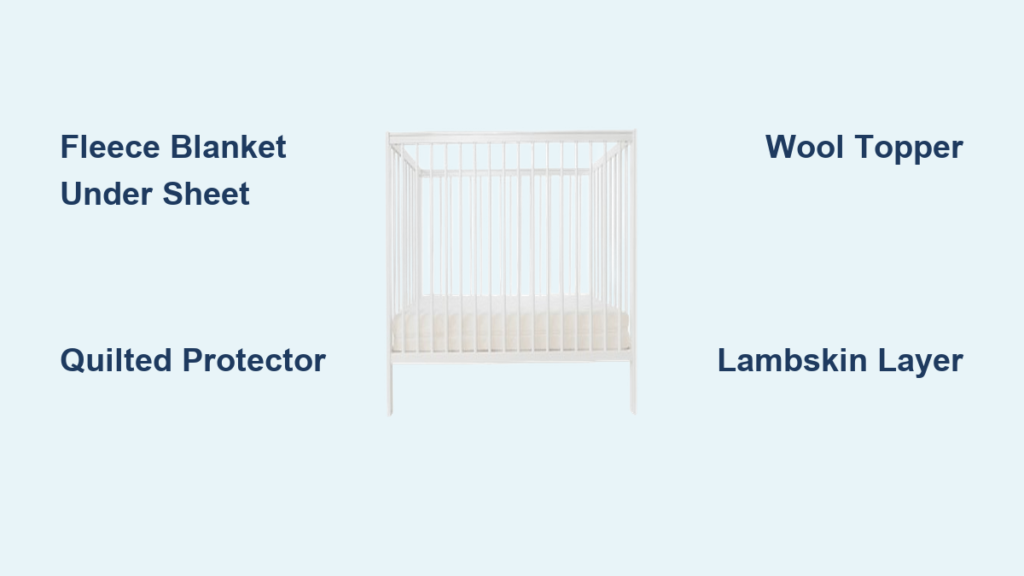
Many parents find their baby’s crib mattress feels too firm, almost like sleeping on a board. If you have wondered how to make a crib mattress softer without risking safety, you are not alone. While infant sleep guidelines strongly emphasize a firm, flat surface to prevent Sudden Infant Death Syndrome (SIDS), some parents seek subtle ways to improve comfort, especially during sleep transitions or for older babies.
The truth is, crib mattresses are intentionally firm. U.S. and Canadian safety standards require this firmness because soft or sinking surfaces can conform to a baby’s face, increasing suffocation risk. This guide breaks down safe, parent-tested methods to gently soften a crib mattress, age-specific recommendations, and materials that balance comfort with safety.
Safe Softening Methods for Toddlers

For children 12 months and older, SIDS risk declines sharply, and minor cushioning becomes a reasonable comfort upgrade. These methods add softness without compromising safety when done correctly.
Use a Fleece Blanket Under the Sheet
A thick fleece blanket folded to fit and tucked securely under the fitted sheet adds gentle plushiness.
• Choose a non-slip fleece throw to reduce shifting
• Fold into quarters for even thickness and full coverage
• Tuck all edges tightly so it cannot bunch or loosen during sleep
• One parent reported their toddler slept more soundly with this setup
Pro Tip: Avoid overly thick or fluffy fleece. It should cushion lightly, not compress significantly.
Try a Quilted Mattress Protector
Quilted waterproof protectors offer padding while guarding against spills.
• Look for models with organic cotton and light batting
• Recommended: American Baby Company Organic Quilted Waterproof Mattress Protector
• Adds slight cushioning without softening the base
• Machine-washable and breathable
Note: Standard vinyl-backed pads add no softness. Opt for quilted texture.
Add a Wool Topper or Blanket
Wool provides natural softness, temperature control, and airflow.
• Fold a wool baby blanket in half and place under the fitted sheet
• Wool resists compression, so it will not create a sinking hazard
• Naturally wicks moisture and repels dust mites
• One parent noted the wool topper really helps with comfort on a hard mattress
Best For: Cool rooms where wool keeps babies warm without overheating.
Natural Materials That Enhance Comfort
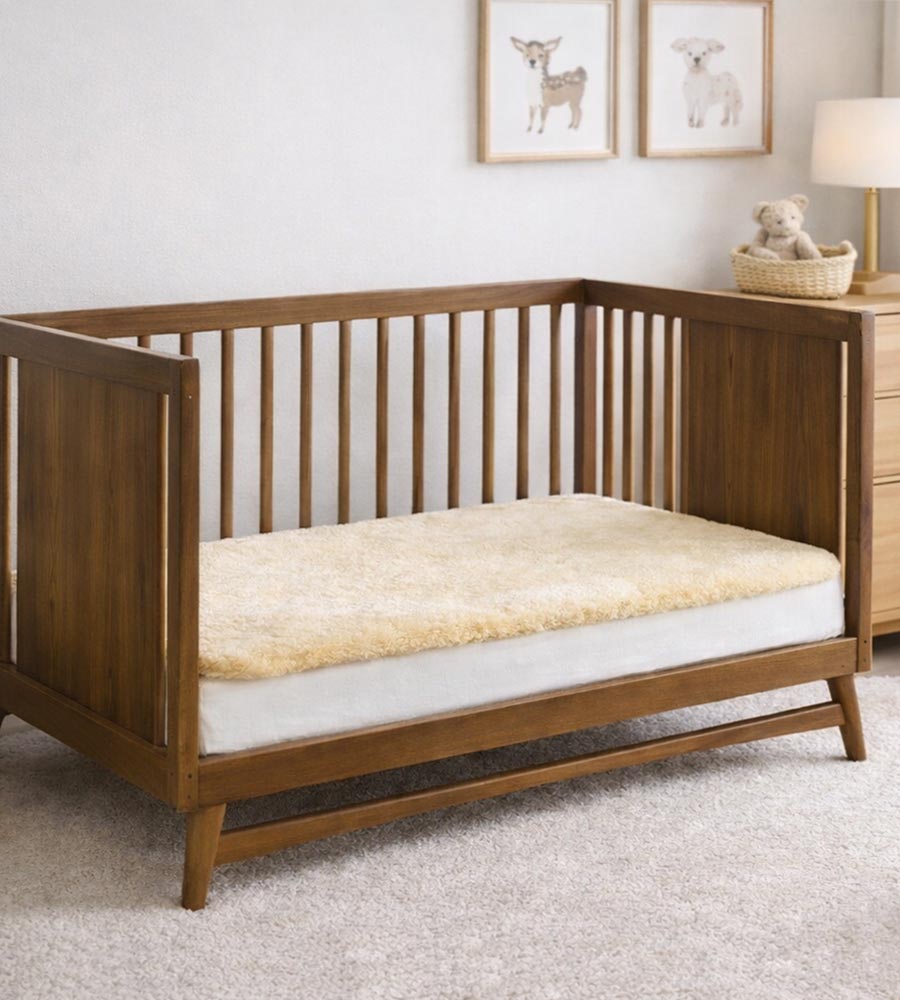
Certain natural fabrics add softness while staying breathable and safe for older babies and toddlers.
Lambskin or Sheepskin Under the Sheet
High-quality lambskin is a favorite among parents for its luxurious softness.
• Feels luxuriously soft and warm
• Regulates temperature and wicks moisture
• Often used across cribs, strollers, and travel beds
• Place under a fitted sheet, never let baby sleep directly on it under 12 months
Safety Note: Keep it clean and dry to prevent bacterial growth.
Microfiber or Plush Baby Blankets
A soft microfiber blanket can work when folded and tucked properly.
• Fold to size and tuck tightly under all mattress edges
• One parent said it made the mattress more plush and improved sleep
• Machine-washable and affordable
Warning: Never use loose or partially untucked blankets. They must stay flat and secure.
Age-Based Safety Guidelines
Your baby’s age determines whether softening is safe and how much flexibility you have.
Under 12 Months: Keep It Firm
For newborns to infants, do not soften the mattress.
• AAP guidelines require only a firm, flat surface with a tight-fitting sheet
• No blankets, padding, memory foam, or toppers
• Soft surfaces increase suffocation and rebreathing risks
If baby resists the crib, focus on room temperature between 68°F and 72°F. Use a wearable blanket for warmth. Try white noise or a pacifier for comfort. Room-sharing can provide reassurance.
Remember: A firm mattress is not about comfort, it is about survival.
12+ Months: Soften With Caution
Once your child is a toddler, you can safely add thin, secured layers.
• Flip to the toddler side of a dual-sided mattress, often slightly softer
• Use quilted pads, fleece, wool, or lambskin under a fitted sheet
• Avoid thick, compressible materials like memory foam
Signs it is safe to upgrade include when baby can sit, stand, and roll confidently. They should no longer be swaddled and may be transitioning to a toddler bed soon.
Unsafe Methods to Avoid
Some softening attempts are dangerous even if they seem to work.
No Memory Foam Toppers
Never use memory foam in a crib. It conforms to the body, creating a suffocation hazard if baby rolls face-down. No infant-safe memory foam toppers exist.
One parent warned that memory foam is not recommended at all for babies.
Avoid Loose Blankets or Comforters
Down comforters, quilts, or unsecured padding are suffocation risks. Even in Europe where softer cribs are common, U.S. guidelines prohibit loose bedding. A 3-month-old may sleep better on a hotel down comforter, but it is not safe.
AAP Rule: Nothing in the crib except baby and a fitted sheet under 12 months.
Do Not Use Pillow Tops or Thick Pads
Pillow-top layers compress and defeat the purpose of a firm base. No crib-rated pillow tops are approved for infants. Even firm adult-style toppers are too soft for babies.
Skip Swaddles as Mattress Pads
Swaddles and weighted blankets are for wrapping, not padding. Placing them under the baby adds softness and risk. They can shift and cover the face.
Better Alternatives to Softening the Mattress
Instead of changing the sleep surface, adjust the environment.
Optimize Room Temperature and Humidity
Ideal room temperature is 68°F to 72°F. Use a cool-mist humidifier in dry months to ease breathing. Babies wake easily if too hot or cold.
Pro Tip: Dress baby in breathable cotton pajamas. No hats or socks needed indoors.
Choose Breathable Bedding
Use organic cotton, muslin, or Wovenaire sheets. Avoid vinyl, polyethylene, or plastic-backed fabrics. Fitted sheets only, never loose corners.
Why it matters: Breathable fabrics reduce overheating and skin irritation.
Room-Share, Not Bed-Share
Keep the crib in your room for the first 6 to 12 months. Proximity provides comfort through smell and sound. This setup is linked to reduced SIDS risk and better sleep.
Avoid co-sleeping until baby is at least 12 to 16 months old.
Clean and Rotate the Mattress
Wash sheets weekly and clean protectors monthly. Rotate the mattress every 3 months if two-sided. Use baby-safe cleaners to avoid chemical residue.
Bonus: This prevents body impressions and extends mattress life.
When to Consider a New Mattress
If the current mattress feels excessively hard, it might be time to upgrade safely.
Choose a Latex Crib Mattress
Natural latex offers slight cushioning without sinkage. It is more responsive than foam, creating small body indentations for comfort. One parent said their baby cushioned so much better on latex.
Look for Green Guard Gold Certification for low VOCs. Avoid polyurethane foam and vinyl. Choose dual-sided options with infant and toddler sides.
Flip to the Toddler Side
Many mattresses have a firmer infant side and softer toddler side. Flip it when baby turns 1. Check manufacturer instructions for specific age requirements.
Parent-Tested Tips for Better Sleep
Real-world feedback reveals what actually works.
She Slept the Best Ever on Springs
One parent noticed their baby slept better on a relative’s older crib with metal springs instead of wooden slats. Springs offer slight give while still meeting safety standards. Consider a mattress with coil support if firmness is an issue.
50% Better Sleep With a Folded Blanket
A parent added a folded microfiber blanket to a co-sleeper. The result was 50% improvement in sleep. The key was that it was fully tucked and secure.
Transitioning From Co-Sleeping
Babies used to soft adult beds often resist hard cribs.
Solutions include using a portable crib with a softer pad for travel. Introduce the crib gradually, starting with naps. Use a loved blanket or lambskin under the sheet for familiarity.
Frequently Asked Questions About Making a Crib Mattress Softer
Is it safe to make a crib mattress softer for a newborn?
No. For infants under 12 months, crib mattresses must remain firm and flat. Adding any padding, foam, or soft layers increases suffocation risk. The American Academy of Pediatrics recommends only a firm mattress with a tight-fitting sheet for safe sleep.
What age can I start softening my baby’s crib mattress?
You can safely add thin, secured softening layers once your child reaches 12 months. At this age, SIDS risk drops significantly. Use quilted pads, fleece, wool, or lambskin under the fitted sheet, but avoid memory foam and thick compressible materials.
Can I use a mattress topper in my toddler’s crib?
Yes, but choose carefully for toddlers over 12 months. Safe options include quilted mattress protectors, thin wool toppers, or fleece blankets tucked under the sheet. Never use memory foam, pillow-top pads, or thick padding that could create a sinking hazard.
Does flipping to the toddler side of the mattress help?
Yes. Most dual-sided crib mattresses have a firmer infant side and a softer toddler side. Flipping to the toddler side when baby turns 1 provides a slightly cushioned surface while maintaining safety standards. Check manufacturer guidelines for the recommended flipping age.
What materials are safest for softening a crib mattress?
The safest materials for toddlers include fleece blankets, natural lambskin or sheepskin, wool toppers, and quilted cotton protectors. All must be secured under a fitted sheet and checked regularly to ensure they have not shifted or bunched.
My baby resists the hard crib after co-sleeping. What can I do?
Start with environmental adjustments before modifying the mattress. Optimize room temperature, use white noise, try a wearable blanket, and place the crib in your room for proximity. For toddlers, introduce a thin layer like lambskin or fleece under the sheet to ease the transition from softer sleeping surfaces.
Key Takeaways for Making a Crib Mattress Softer

You can make a crib mattress softer, but only when it is safe to do so. For infants under 12 months, firm is non-negotiable. Focus on room temperature, breathable clothing, and white noise instead of modifying the sleep surface. For toddlers, thin, secured layers made from fleece, wool, or lambskin can improve comfort without risk.
The best safe options include quilted waterproof protectors, fleece blankets tucked under the sheet, wool or lambskin under-sheet layers, and latex or dual-sided mattresses. Always avoid memory foam, loose blankets or comforters, thick pillow-top toppers, and any unsecured padding.
Your baby’s safety comes first, but comfort matters too. By following age-appropriate guidelines and choosing breathable, natural materials, you can create a sleep environment that is both safe and soothing. Monitor your child’s response to any changes and adjust accordingly.