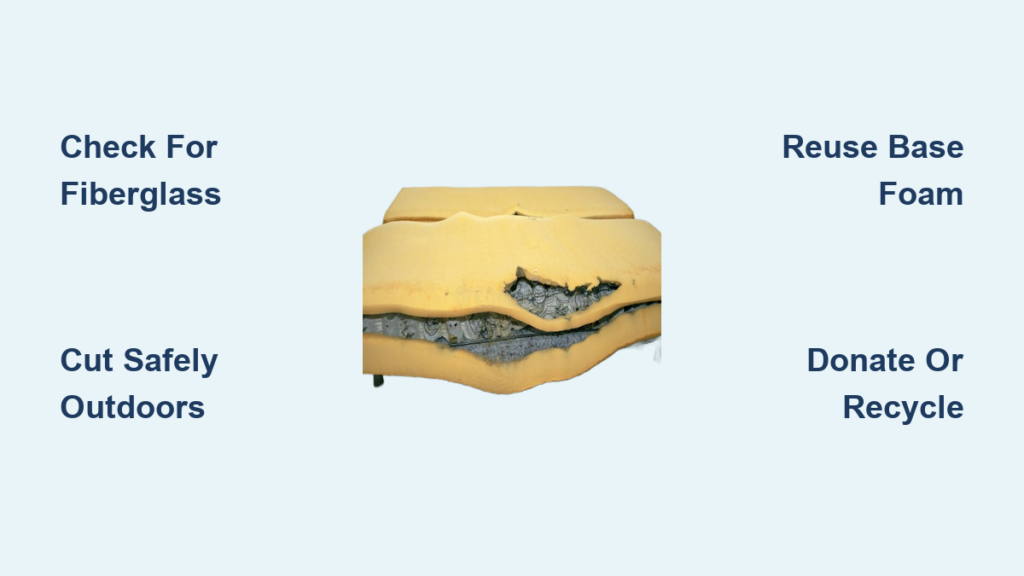
Tossing an old foam mattress into a landfill is easy, but reusing it is smarter, cheaper, and kinder to the planet. Every year, over 20 million mattresses end up in U.S. landfills, where they can take 50 to 200 years to decompose. Yet most memory foam mattresses contain a hidden treasure: a high-density base layer that often remains in excellent condition even after a decade of use. Instead of wasting it, you can cut, reshape, and repurpose this durable foam into furniture, pet beds, garden aids, or even insulation. This guide walks you through safe cutting techniques, creative reuse ideas, and end-of-life options so you can make the most of your old foam mattress without risking your health or wasting valuable materials.
Check Your Mattress Condition Before Starting
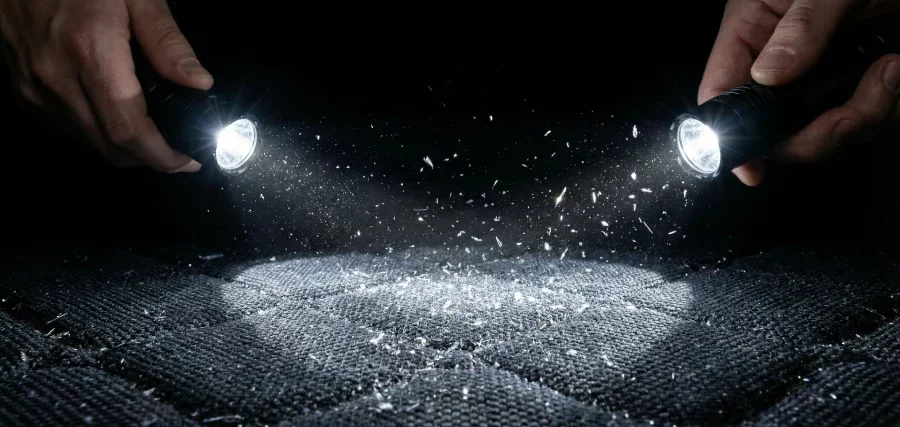
Before cutting or repurposing, inspect your mattress thoroughly. Not all old foam is reusable, and some mattresses contain hazardous materials that require special handling.
Inspect Structural Integrity
Press down on the foam surface and observe how quickly it rebounds. Slow recovery indicates degraded foam that may not hold up to repurposing. Look for sagging or permanent body impressions deeper than 1.5 inches, which means the top comfort layer is worn out. Inspect edges for crumbling or separating sections, as these signal advanced breakdown. Even if the top 3 inches are compressed, the 5-plus inch base layer beneath may still be firm and fully supportive.
Identify Dangerous Fiberglass Materials
Many budget foam mattresses contain fiberglass fire barriers that pose serious health risks. Check the label for terms like “glass fiber,” “fire sock,” or “do not remove cover.” Look for a thin, shiny, woven fabric beneath the outer cover. If manufacturer websites list “fiberglass” in materials, proceed with extreme caution. If fiberglass is present, do not cut the mattress indoors. Wear an N95 mask, gloves, and goggles. Use a seam ripper to open the cover cleanly, never tear it.
Understand Foam Density and Quality
Foam durability depends on density measured in pounds per cubic foot. Low-density foam (1.2 to 1.8 lb/ft³) feels soft and sags quickly, making it suitable only for short-term use. Medium-density foam (1.9 to 2.5 lb/ft³) offers moderate firmness for seat cushions and floor pads. High-density foam (2.6+ lb/ft³) feels firm and lasts 10 or more years when repurposed into sofa bases, pet beds, or insulation.
Cut Foam Safely and Effectively
Cutting foam requires the right tools and setup to avoid jagged edges and health risks. With proper preparation, you can achieve clean, professional results.
Gather Essential Tools
You will need an electric carving knife for smooth, even cuts through thick foam. A serrated bread knife works well as a manual alternative when you use long, even strokes. Keep a paring knife handy for trimming rough edges. A seam ripper opens covers without releasing fiberglass. You also need a measuring tape, straight edge, permanent marker, and a stiff work surface like plywood to prevent sagging during cutting.
Step-by-Step Cutting Process
Lay the mattress flat on a rigid surface. Use a seam ripper to cut stitches along the edge, then peel back fabric carefully and stop immediately if fiberglass is visible. Measure your desired dimensions and use a straight edge and marker to draw bold lines on all sides. For the cut, use an electric knife with slow, steady back-and-forth motion, letting the blade do the work without pressing down. For mattresses thicker than 10 inches, cut halfway from one side, then finish from the other. Trim frayed areas with a paring knife and lightly sand rough spots outdoors only.
Refresh Your Mattress With a New Topper

Instead of buying an entirely new mattress, you can refurbish your existing one by replacing only the worn top layer. This approach saves significant money while keeping useful materials out of landfills.
When Refurbishing Makes Sense
Most wear happens in the top 2 to 4 inches of memory foam. The base layer often remains intact even after years of use. If your mattress isn’t sagging, moldy, or contaminated with bedbugs, you can reuse the base layer. This method works only on mattresses without fiberglass fire barriers. Check the label or manufacturer website before proceeding.
Cost Savings Comparison
A new queen memory foam topper costs 150 to 250 dollars. A full premium mattress costs 800 dollars or more. By refurbishing with a new topper, you save 60 to 80 percent compared to buying new. The process requires a new memory foam topper, spray adhesive like 3M Super 77, a utility knife, and a clean workspace. Simply remove the old comfort layer, clean the base foam, apply adhesive, press the new topper into place, and reattach the cover.
Re-Stuff Furniture Cushions
Old foam makes perfect replacement padding for sagging sofas and chairs. High-density base foam provides firm support, and when wrapped in polyester batting, it feels soft and luxurious.
Why It Works for Furniture
One user replaced 20-year-old living room cushions using old mattress foam for a total cost of 60 dollars. The professional reupholstery quote was 600 dollars. The process involves removing old cushion inserts, cutting foam to match dimensions using a serrated knife, wrapping with batting and securing with adhesive, then inserting into existing or new zippered covers. Find batting at local upholstery shops, as it’s often cheaper than online.
Build a DIY Sofa or Daybed
Turn a full or twin foam mattress into a stylish, space-saving lounge piece. Place the mattress on a wooden or metal frame and add armrests from foam blocks or wood. Sew a custom zippered cover to unify the look. Use two twin mattresses side-by-side for a sectional setup. For a daybed, elevate the mattress on a platform or pallet frame and add sideboards or a headboard for style. Use weather-resistant fabric cover for outdoor options and store indoors when not in use to prevent moisture damage.
Make Pet Beds and Floor Cushions
Give your pets or guests a cozy spot with repurposed foam. For a DIY pet bed, cut foam to fit a crate or sleeping area, wrap in durable washable fabric like canvas or microfiber, then sew or use fabric glue to close. Add a zipper for removable covers. For floor seating, cut into 24-by-24 inch squares and stack two layers for extra thickness. Cover with vinyl or machine-washable fabric. Clean foam thoroughly before child use, as old mattresses harbor dust mites, bacteria, and dead skin cells.
Use in Garden and Yard
Foam isn’t just for sleeping; it’s useful outdoors too. Cut an 18-by-24 inch rectangle for a garden kneeling pad and wrap in waterproof tarp or outdoor fabric. Shred foam into small chunks and place at the bottom of large planters to improve drainage and reduce soil weight. Limit shredded foam to less than 10 percent of compost volume since it breaks down slowly. Lay foam sheets under mulch as a temporary weed barrier, replacing it annually.
Repurpose as Insulation or Soundproofing
Foam’s dense structure makes it useful for temperature and noise control. Cut foam to fit wall or ceiling panels in sheds or garages and secure with construction adhesive, then cover with plywood or drywall. Note that standard foam is not fire-rated, so use it only in non-living areas. For acoustic panels, cut foam into 2-by-2 foot squares, wrap in fabric like burlap or cotton, and mount on walls to reduce echo in home studios.
Craft Creative Home Décor
Foam is a lightweight, easy-to-shape medium for art and decor. Cut foam into stars, hearts, or abstract shapes, paint with acrylics, and mount with adhesive or picture hangers. Carve simple designs into foam blocks for stamps and dip in paint to stamp on fabric or paper. For kids’ projects, make garlands by stringing painted foam shapes or create puzzle mats for playrooms. Schools can use shredded foam for sensory bins or craft supplies.
Donate or Sell Responsibly
If your mattress is still usable, someone else might need it. Donate when there are no stains, tears, odors, bedbugs, or mold, and it’s still reasonably supportive. Accepting organizations include The Salvation Army, Furniture Bank, domestic violence shelters, and mission trips or churches. Most Goodwill locations do not accept mattresses. Call ahead as many require appointments and ask for a tax receipt if donating to a 501(c)(3). Some organizations offer free pickup through services like Donation Town.
For selling, use Facebook Marketplace, Craigslist, or OfferUp. Clean with enzyme cleaner or vinegar solution and take clear photos from all angles. Disclose age, brand, and any wear. Price at 30 to 50 percent of original retail price, meaning a 200-dollar queen mattress could sell for 60 to 100 dollars.
Recycle as Last Resort
When reuse isn’t possible, recycling keeps foam out of landfills. Steel springs get melted and reused, foam gets ground into carpet padding or gym mats, fabric turns into industrial rags, and wood gets composted or burned for fuel. Use ByeByeMattress.com for U.S. and Canada or Earth911.com by entering your ZIP code to find recyclers. Many recyclers charge 30 to 50 dollars and don’t accept memory foam due to chemical additives, so call ahead as appointments are often required.
Key Takeaways for Reusing Old Foam Mattress

Reusing an old foam mattress isn’t just about saving money; it’s about stewardship and doing the least harm with what we already have. High-density base foam can last 10 or more years when repurposed into furniture, pet beds, or insulation. Always check for fiberglass fire barriers before cutting, and wear protective gear if present. Spending 200 to 300 dollars to reuse high-quality foam is smarter than replacing durable materials prematurely. With planning and care, your old foam mattress can live a second life as a sofa, pet bed, garden aid, or art project. Prioritize safety, maximize reuse before considering donation or recycling, and remember that every repurposed mattress is one less taking up space in a landfill.
Frequently Asked Questions About Reusing Old Foam Mattress
Can I cut a foam mattress myself at home?
Yes, you can cut a foam mattress at home with an electric carving knife or serrated bread knife. Always work outdoors or in a well-ventilated area, and wear a dust mask. Check for fiberglass fire barriers first, as these require special handling.
How do I know if my mattress contains fiberglass?
Check the product label for terms like “glass fiber,” “fire sock,” or “do not remove cover.” Look for a thin, shiny woven fabric beneath the outer cover. Many budget brands like Zinus, Linenspa, and Lucid use fiberglass fire barriers.
Is it worth refurbishing an old foam mattress?
Refurbishing by replacing only the top layer saves 60 to 80 percent compared to buying a new mattress. A new queen topper costs 150 to 250 dollars, while a full mattress costs 800 dollars or more. This works best if the base layer is still firm and the mattress has no mold or bedbugs.
What can I do with old foam if I can’t reuse it?
Donate usable mattresses to The Salvation Army, Furniture Bank, or domestic violence shelters. Sell secondhand on Facebook Marketplace or Craigslist. If fully worn out, use ByeByeMattress.com or Earth911.com to find recycling facilities, though many charge 30 to 50 dollars and don’t accept memory foam.
How long does repurposed foam last?
High-density base foam (2.6+ lb/ft³) can last 10 or more years when repurposed into seating, pet beds, or insulation. Low-density foam (1.2 to 1.8 lb/ft³) degrades quickly and is suitable only for short-term projects.