Waking up sore, stiff, or restless after a night on a hard mattress? You’re not alone. Many people struggle with firm sleep surfaces, especially when switching from a soft bed or adjusting to a new mattress. While a firm mattress can offer excellent spinal support, especially for back and stomach sleepers, it may feel uncomfortably rigid at first. The good news: you don’t need to replace it right away. With the right adjustments, you can make a hard mattress feel softer, more comfortable, and even luxurious without breaking the bank.
This guide reveals 11 proven ways to sleep better on a hard mattress, from adding a plush topper to adjusting your sleep position and bedding. You’ll also learn how to tell if your mattress is too firm for your body type, how long it takes to break in, and when it’s time to consider a replacement. Whether you’re dealing with pressure points, poor sleep quality, or just cannot get comfortable, these expert-backed tips will help you transform your firm bed into a restful sanctuary.
Add a Plush Mattress Topper
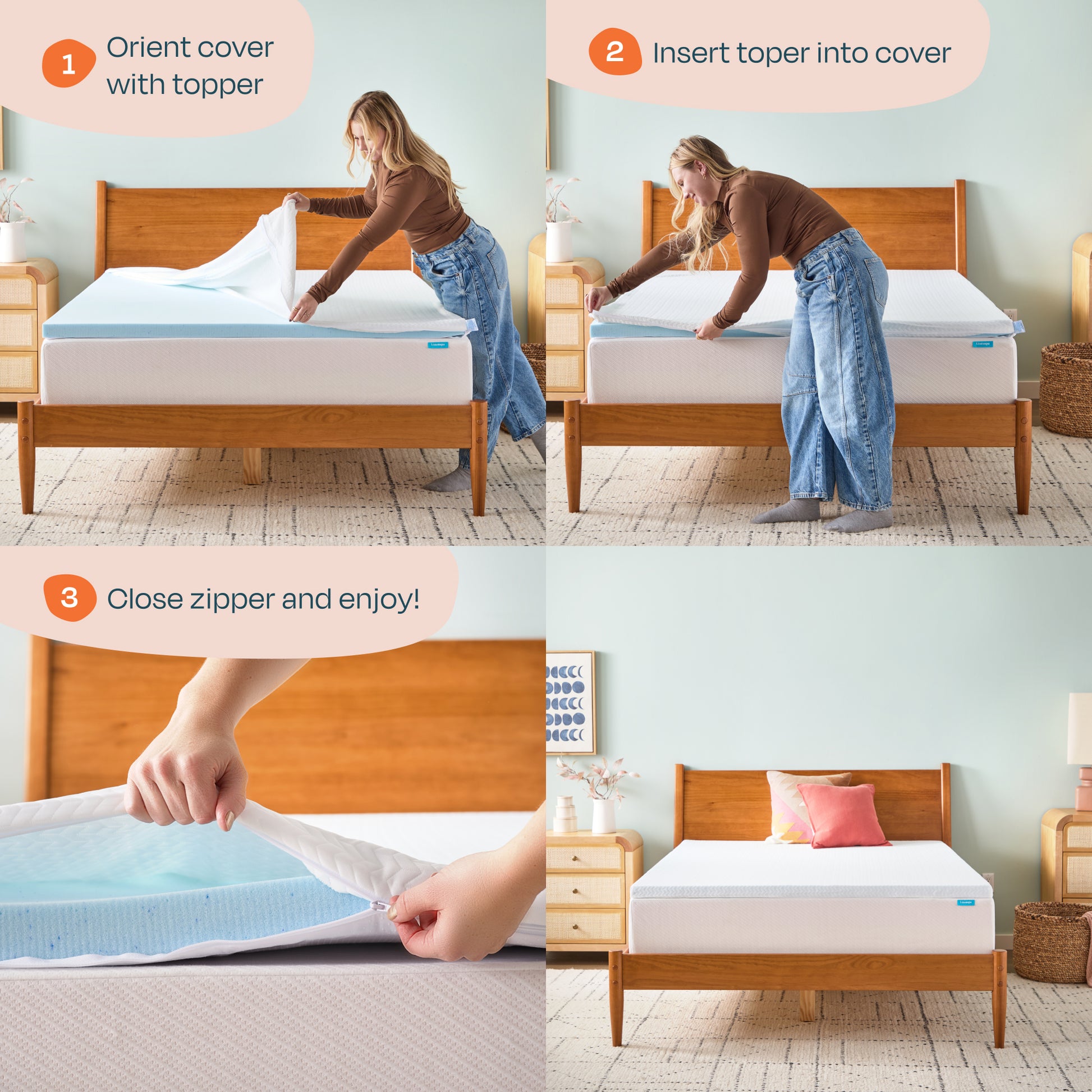
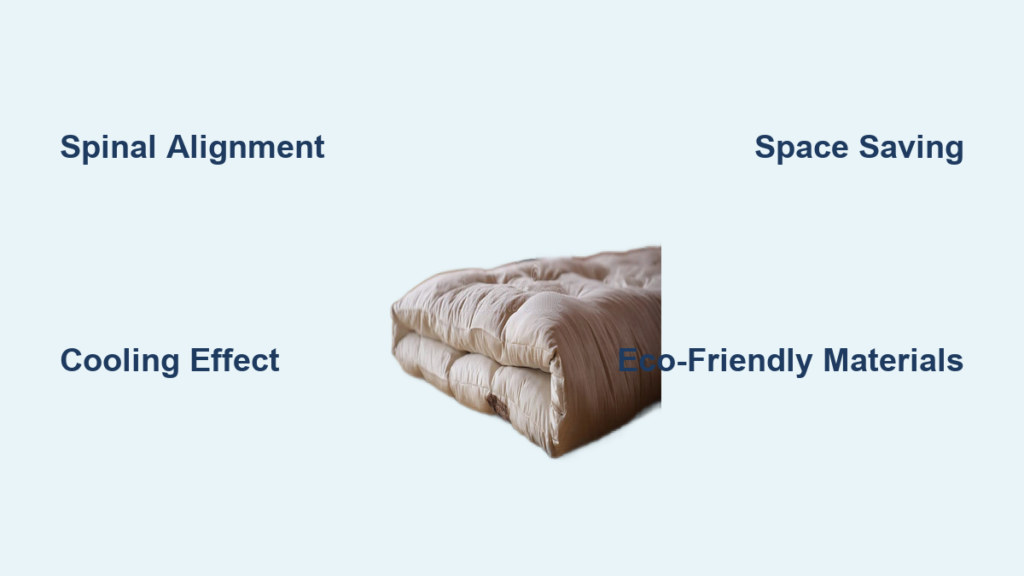
A high-quality mattress topper is the fastest, most effective way to soften a hard mattress. This simple addition can transform your sleep surface without the expense of buying a new bed.
Choose the Right Topper Material
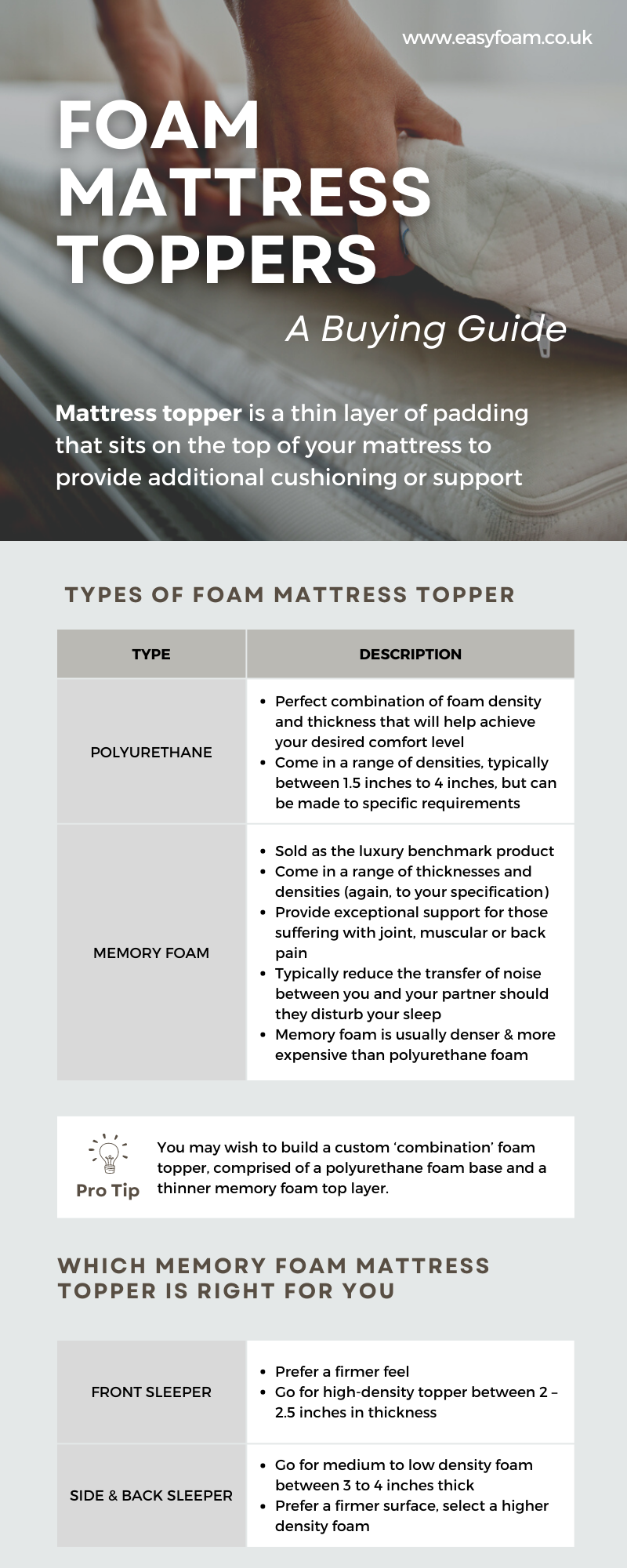
Look for options made from memory foam, latex, or down alternative fill. Memory foam contours to your body, relieving pressure on hips and shoulders. Latex offers responsive cushioning and stays cool, while down alternatives provide a fluffy, breathable layer. For allergy sufferers, opt for hypoallergenic, organic materials with removable, machine-washable covers.
Install It Correctly
Place the topper directly on top of your mattress, ensuring it lies flat without wrinkles. Secure it with a fitted mattress protector or gripper sheet to prevent slipping. Most toppers need 24 to 48 hours to fully expand after unboxing, so allow time before sleeping on them.
Pro Tip: A 2 to 3 inch topper offers the ideal balance of softness and support. Thicker versions may reduce breathability or affect edge stability.
Upgrade to Softer Bedding
Luxurious bedding sets trick your brain into thinking you have a soft sleep surface, similar to how a thick carpet feels more forgiving than bare concrete.
Use Lightweight, Breathable Sheets
Swap out stiff cotton or polyester sheets for soft, organic fabrics like bamboo, TENCEL, or high-thread-count Egyptian cotton. These materials feel silky against the skin and add a subtle cushioning effect, making your hard mattress feel less unforgiving. Avoid heavy flannel in warm climates, as it can trap heat and increase discomfort.
Layer with a Quilt or Duvet
Add a lightweight quilt or down-filled duvet over your comforter for extra plushness. This top layer acts like a cloud, softening the feel of the bed without compressing the mattress underneath.
Pick the Right Pillow
Your pillow plays a bigger role than you think when sleeping on a hard mattress. A poorly chosen pillow can throw off spinal alignment, increasing neck and shoulder pain.
Match Pillow to Sleep Position
Back sleepers should use a medium-loft pillow to keep the head slightly elevated. Side sleepers need a higher-loft, contoured pillow to fill the gap between neck and shoulder. Stomach sleepers should opt for a thin, soft pillow or no pillow to prevent neck strain.
Try Organic or Memory Foam Options
Organic pillows made from natural latex or kapok offer gentle support without harsh chemicals. Memory foam pillows provide personalized contouring, adapting to your head and neck shape.
Warning: Avoid overly thick pillows if you sleep on your back. They can push your chin down and restrict breathing.
Break In Your Mattress
Just like your favorite pair of shoes, mattresses need to be broken in. If you have just bought a new mattress, it can take up to 30 days to reach its maximum comfort level.
Give It Time
Sleep on it consistently. Avoid using it only occasionally. The body heat and pressure from nightly use help accelerate the break-in process.
Speed Up Softening
To soften it faster, spend 5 to 10 minutes each day walking on your knees across the surface. This mimics body weight distribution and helps break down initial stiffness.
Note: Never jump or stand on the mattress. This can damage internal layers or void the warranty.
Rotate or Flip the Mattress
Firm mattresses tend to soften as the materials settle. Flipping or rotating your mattress ensures that uncomfortable pressure points on any given body area are redistributed more evenly.
Rotate Every 3 to 6 Months
Even if your mattress is not double-sided, rotating it head-to-foot every few months prevents uneven wear. This redistributes pressure points and helps maintain consistent comfort.
Check for One-Sided Models
Most modern mattresses, especially memory foam or pillow-top models, are not designed to be flipped. Check the manufacturer’s label before attempting. Look for tags that say “Do Not Flip” or “One-Sided.” If in doubt, rotate only.
Adjust Your Bed Frame
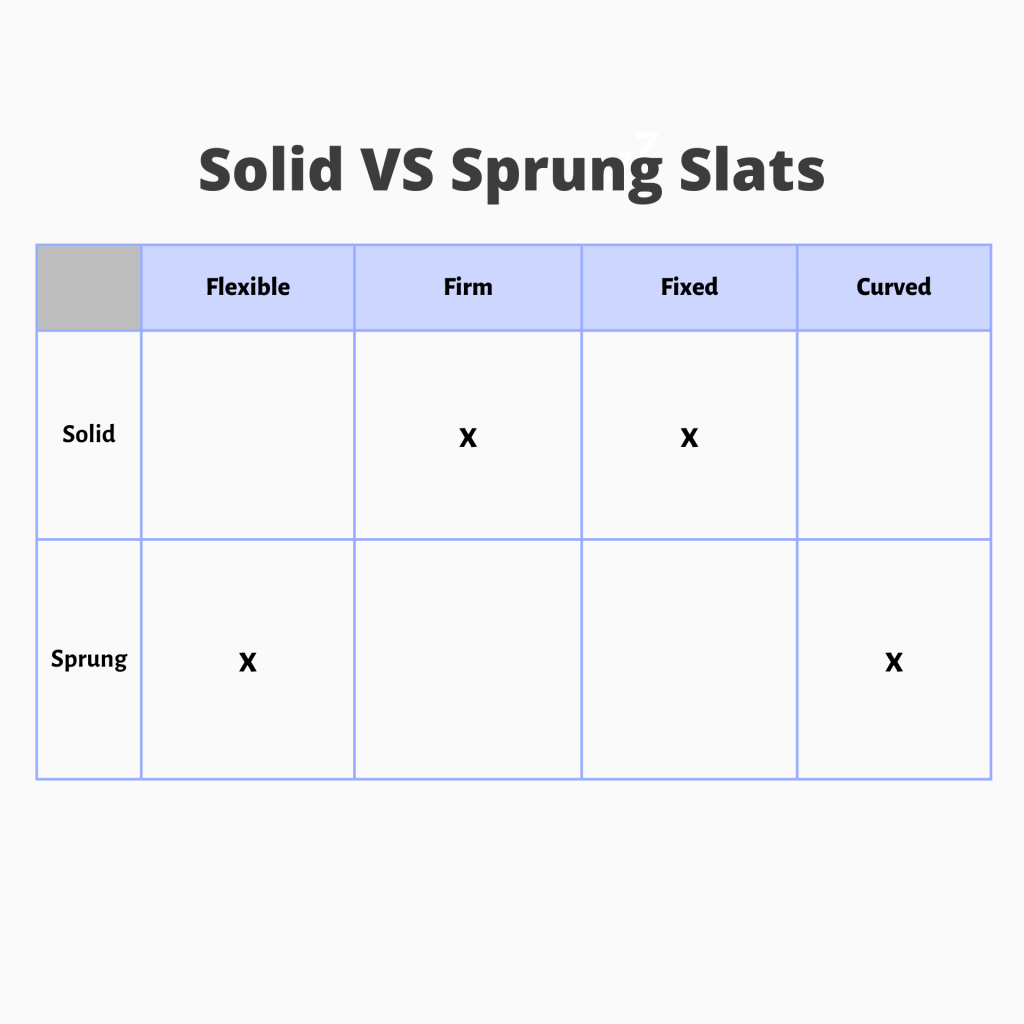
A hard mattress on a solid foundation feels even firmer. Upgrading your base can make a significant difference in comfort.
Replace Solid Slats with Sprung Ones
Swapping solid slats for sprung ones adds bounce and cushioning. Sprung slats are curved wooden or metal supports that flex under pressure, absorbing impact and reducing rigidity.
Try a Divan or Box Spring
If your frame is too stiff, switch to a box spring or divan base. These provide a softer, more responsive foundation that works especially well with memory foam or hybrid mattresses.
Pro Tip: Avoid placing a mattress directly on the floor. It limits airflow and can lead to moisture buildup or mold.
Use Heat to Soften Foam
Memory foam and latex naturally soften with body heat. If your room is cold, the mattress may feel harder at night.
Warm the Mattress Before Bed
Turn up the thermostat by 2 to 3 degrees, or use an electric blanket or hot water bottle for 15 to 20 minutes before sleeping. This warms the foam, making it more pliable. Keep your bedroom between 60 and 67 degrees Fahrenheit for optimal comfort.
Warning: Do not use space heaters or heating pads directly on the mattress. They can damage foam or create fire hazards.
Change Your Sleep Position
Switching sleep positions can help make your mattress feel softer. When you sleep on your back, the weight of your body is spread evenly across the mattress, which can reduce pressure points and make it more comfortable.
Sleep on Your Back
Side and stomach sleeping increase pressure on hips, shoulders, and neck, especially on a firm surface. Use a small pillow under your knees to maintain spinal alignment and reduce lower back strain.
Avoid Stomach Sleeping
Stomach sleeping forces your spine into an unnatural curve and pushes your hips into the mattress, increasing discomfort on firm surfaces. If you are a chronic stomach sleeper, try transitioning with a thin pillow under your pelvis.
Quick Fix: Place a folded towel under your abdomen to reduce sinking and improve alignment.
Know When to Replace the Mattress
Even with adjustments, some mattresses are simply too firm for your body. Watch for these red flags that indicate it is time to upgrade.
Signs Your Mattress Is Too Hard
Waking up with consistent back or hip pain is a major warning sign. Feeling pressure on shoulders or hips, difficulty falling or staying asleep, visible sagging or indentations over 1.5 inches deep, and a mattress older than 7 to 10 years all indicate your bed may be too firm.
Use Sleep Trials
Many eco-friendly and online mattress brands offer 100-night or longer sleep trials. Take advantage of these risk-free periods to test a softer model. Return it if it does not suit you.
Rule of Thumb: Heavier individuals over 230 pounds often need firmer support, while lighter sleepers under 130 pounds usually prefer softer beds.
Seek Professional Advice
If pain persists despite adjustments, talk to a chiropractor, physical therapist, or sleep doctor. They can assess your posture, spine alignment, and sleep habits to recommend the ideal mattress firmness for your body.
Consult a Specialist
Some clinics offer pressure-mapping tests to show how your body interacts with the mattress. Professionals may suggest specific models, sleep positions, or orthopedic pillows based on your medical history.
Expert Note: Do not self-diagnose. What feels like a mattress issue could stem from an underlying condition like sleep apnea or spinal degeneration.
Prevent Future Discomfort
Choosing the right firmness from the start prevents future issues. Use this guide to match your mattress to your body type and sleep position.
Match Mattress to Body Type
Side sleepers need medium to medium-soft mattresses to help cushion hips and shoulders. Back sleepers benefit from medium-firm support for the spine without pressure. Stomach sleepers require firm mattresses to prevent hip sinking. Combination sleepers do best with medium firmness to balance support and comfort.
Weight also matters. Those under 130 pounds typically prefer softer options. People between 130 and 230 pounds usually need medium to medium-firm. Those over 230 pounds often require firm or extra-firm support.
Maintain Your Mattress
Extend its life by using a protective cover, vacuuming regularly, avoiding sitting on the edges, and keeping pets off. Rotate every 3 to 6 months and air it out monthly to prevent odors and moisture buildup.
Frequently Asked Questions About Sleeping on a Hard Mattress
How long does it take to break in a new hard mattress?
It can take up to 30 nights before the materials fully settle and feel softer. Sleep on it consistently every night to accelerate the break-in process. Walking on your knees across the surface for a few minutes daily can also help speed things up.
Can I flip my hard mattress to make it softer?
It depends on the mattress type. Most modern memory foam and pillow-top mattresses are one-sided and should only be rotated, not flipped. Flipping these models can ruin the comfort layer and void your warranty. Check the manufacturer’s guidelines before attempting to flip.
What is the best mattress topper thickness for a hard mattress?
A 2 to 3 inch topper provides the ideal balance of softness and support. Thicker toppers over 4 inches may reduce breathability, trap heat, or affect the mattress edge stability. They can also change how the mattress feels too much, potentially reducing support.
Is a hard mattress bad for my back?
Not necessarily. Hard mattresses can provide excellent spinal support, especially for back and stomach sleepers. However, if a mattress is too firm for your body type, it can create pressure points that lead to pain. Studies show people sleeping on hard mattresses are more likely to experience neck and back pain, but overly soft mattresses can also cause joint problems.
Should I replace my hard mattress or try to make it work first?
Try the adjustments first. Adding a topper, changing your sleep position, and breaking in the mattress often work wonders. If you have tried multiple fixes for 30 to 60 days and still wake up sore or uncomfortable, it may be time to replace the mattress. Take advantage of sleep trials to test a softer model risk-free.
Key Takeaways for Sleeping on a Hard Mattress
Sleeping on a hard mattress does not have to mean poor sleep or persistent pain. With the right topper, bedding, and minor adjustments, you can transform a firm bed into a comfortable, supportive sleep haven. Start with the simplest solutions like adding a 2 to 3 inch mattress topper and upgrading to softer, breathable bedding. Give your mattress time to break in, and experiment with sleeping on your back to distribute weight more evenly. If discomfort continues after trying these methods, consult a sleep specialist or consider upgrading to a mattress with appropriate firmness for your body type and sleep position. The goal is not just to survive a hard mattress but to thrive on it.