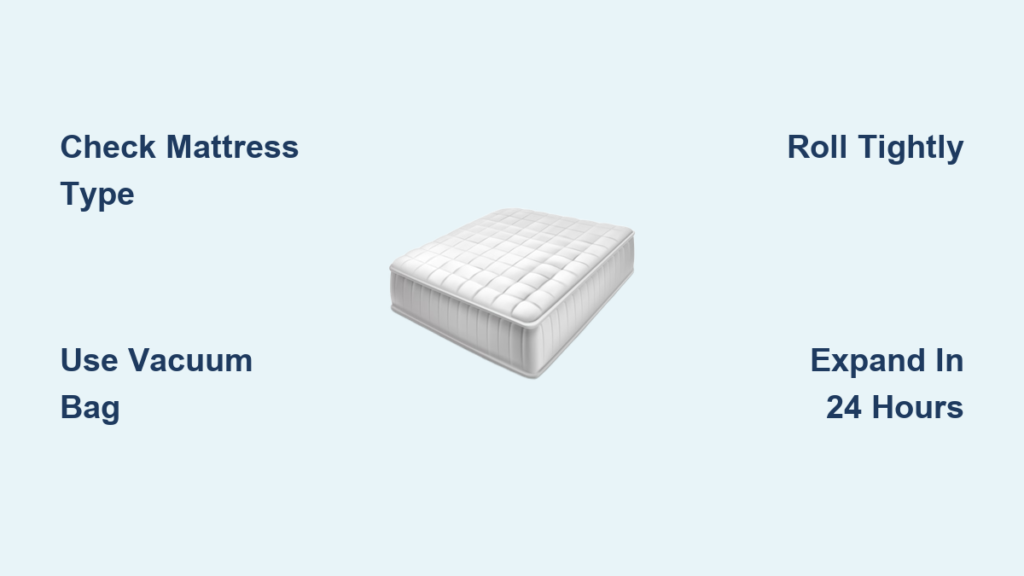
Moving a mattress doesn’t have to mean renting a truck or struggling through tight hallways. With the right technique, you can shrink a mattress by up to 80%, fitting it into a sedan or SUV with ease. The key is compression using vacuum storage and proper rolling, a method used by bed-in-a-box brands like Casper and Zinus to ship mattresses nationwide.
But not all mattresses can be safely compressed. Attempting this with the wrong type, like innerspring or natural latex, can cause permanent damage, void your warranty, or leave you with a sagging, noisy bed. So before you start rolling, it is crucial to know if your mattress is compressible and how to do it without ruining it.
Check If Your Mattress Can Be Compressed
Not every mattress survives compression. The internal structure determines whether shrinking is safe, and attempting to compress the wrong type leads to irreversible damage.
Memory Foam and All-Foam Mattresses
These are the best candidates for shrinking. Their flexible foam cells respond well to pressure and vacuum-sealing, and most bed-in-a-box models from brands like Leesa, Emma, and Tuft and Needle are designed to be compressed once more after unboxing.
Hybrid Mattresses
Hybrids combine foam with coils. If the top layer is thick memory foam and the coil system is low-density, limited compression may be possible. However, you must check manufacturer guidelines before proceeding, as coil resistance increases with density.
Latex and Innerspring Mattresses
Natural latex is too dense and non-elastic, and it does not compress well and can crack under pressure. Innerspring mattresses have metal coils that can bend or snap under pressure, leading to permanent damage and structural failure. High-density hybrids also resist compression excessively.
Never compress innerspring or natural latex mattresses at home. Doing so risks structural failure and voids warranties.
Gather the Right Tools and Materials

Using improper gear leads to failed seals, torn bags, or foam damage. Here is what you actually need for successful compression.
Heavy-Duty Vacuum Storage Bag
Choose a mattress-specific vacuum bag made from reinforced PVC or multi-layer polyethylene. Look for these essential features:
• Built-in suction valve for vacuum attachment
• Spike-seal zipper with secondary lock
• Sizes matching your mattress: Twin, Full, Queen, or King
• Recommended brands include Storage Logic, Amazon Basics, and Vacwel
Pro Tip: Bags under $20 are often too thin. Opt for thicker, puncture-resistant models priced between $30 and $60 for reliable results.
Shop Vac or High-Power Vacuum
A standard household vacuum lacks the suction needed for full compression. Use a wet or dry shop vac with 1200 or more watts for best results. Top-performing models come from brands like DeWalt, Hoover, and Ridgid. Include the hose and universal nozzle, and use an adapter if the valve does not fit snugly.
Warning: Cold foam is harder to compress. Warm the room to 68 to 77 degrees Fahrenheit for smoother results.
Sealing and Securing Supplies
• Zip ties to lock the suction valve after removing the hose
• Ratchet or buckle straps, two to three for keeping the roll tight
• Duct tape or packing tape for reinforcing seams
• Optional shrink wrap for moisture and puncture protection
Bonus: Have a helper assist. Compressing a queen or king mattress alone is difficult and risky.
Prepare the Mattress Before Compression
Skipping prep risks mold, odors, and poor sealing. Follow these steps carefully to ensure your mattress is ready for compression.
Remove All Bedding
Strip off sheets, protectors, toppers, and pillows. Compress toppers separately because they prevent even rolling and create uneven bulk.
Deep Clean and Dry
Vacuum both sides of the mattress, paying special attention to seams and edges. Spot clean stains with mild detergent and a damp cloth, but never soak the foam. For deodorizing, sprinkle baking soda over the surface, wait 2 to 4 hours, then vacuum thoroughly. Allow the mattress to air dry for 24 hours in a well-ventilated room before proceeding.
Critical: Any moisture trapped inside can cause mold, mildew, or foam breakdown during compression.
Inspect for Damage
Look for rips, sagging, or worn fabric. Repair small tears with fabric glue or patch kits before bagging to prevent further damage during transport.
Confirm Warranty Rules
Many brands allow one-time re-compression for returns or moves. Casper, Purple, and Leesa require original packaging for full refunds. Zinus and Linenspa permit re-compression but may deny warranty claims if damage occurs. Check your brand is return policy online before proceeding, as unauthorized compression can void coverage.
Vacuum-Pack and Roll the Mattress
This is the only method that achieves true size reduction, up to 70 to 80 percent smaller. Follow each step precisely for best results.
Insert Mattress Into the Bag
Lay the mattress flat on a clean floor and open the storage bag fully. Insert the mattress vertically by standing it upright and pulling the bag down over it, which reduces tearing risk. Alternatively, slide it in horizontally with two people. Position the suction valve on top, never on the side or bottom.
Tip: Label the bag with a marker, for example, Queen Master Bed, for easy identification later.
Seal the Bag Airtight
Align both sides of the zipper and press the spike-seal strip together firmly along its entire length. Run your hand over the seal to check for gaps, and close the secondary zip-lock slider if available.
Never skip this step. Even a small leak ruins compression and wastes your effort.
Attach Vacuum and Remove Air
Connect the vacuum hose to the suction cup valve, using an adapter if needed for a tight fit. Turn on the vacuum and monitor compression time, which takes about 4 to 5 minutes for memory foam, 5 to 6 minutes for latex blend, and 6 to 8 minutes for hybrids. While vacuuming, have a helper gently walk across the mattress to release trapped air from edges and corners.
Pro Move: Apply body weight or press down with knees to help flatten dense foam.
Roll and Secure the Compressed Mattress
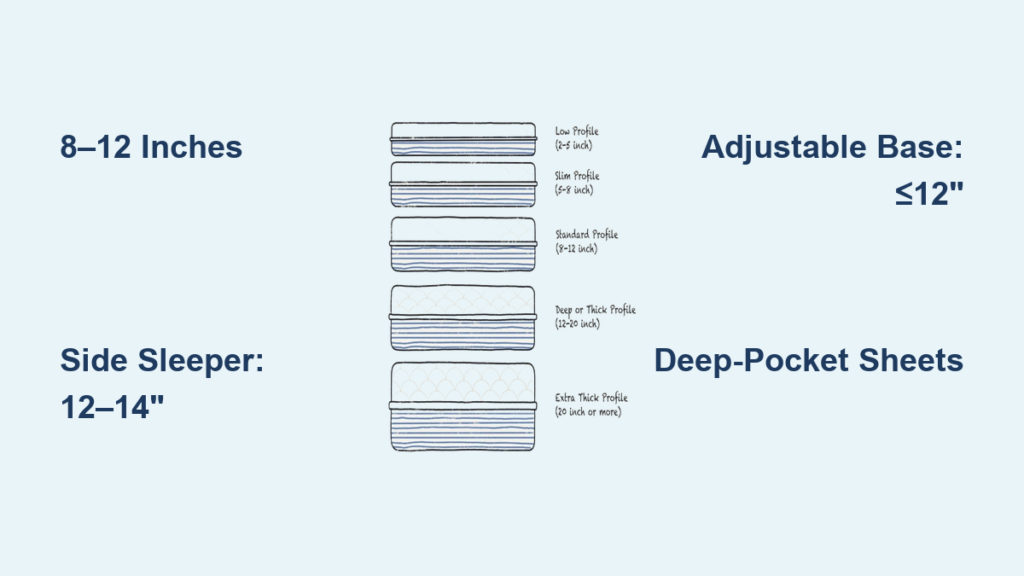
Begin rolling tightly from one end, using your knees or body weight to press as you roll, like packing a sleeping bag. For thick mattresses over 12 inches, partially roll before vacuuming to initiate compaction. Once fully compressed, secure with ratchet straps, one at each end and optionally one in the center. Zip-tie the valve immediately after removing the hose to prevent air re-entry.
Total time: 10 to 15 minutes with two people and proper tools.
Alternative: Fold Only When Necessary
Folding is not true compression but may help in tight spaces where rolling is impossible.
When Folding Is Acceptable
Folding is acceptable for narrow stairwells or doorways, short-term maneuvering under 48 hours, and thin memory foam mattresses under 6 inches thick.
How to Fold Safely
Place the mattress in a heavy-duty plastic bag and fold either lengthwise for narrower clearance or widthwise for lower height. Secure with two to three ratchet straps, but do not over-tighten.
Never fold thick or high-density foam for long periods. This causes permanent creases, foam cell collapse, and delamination.
Package for Transport or Shipping
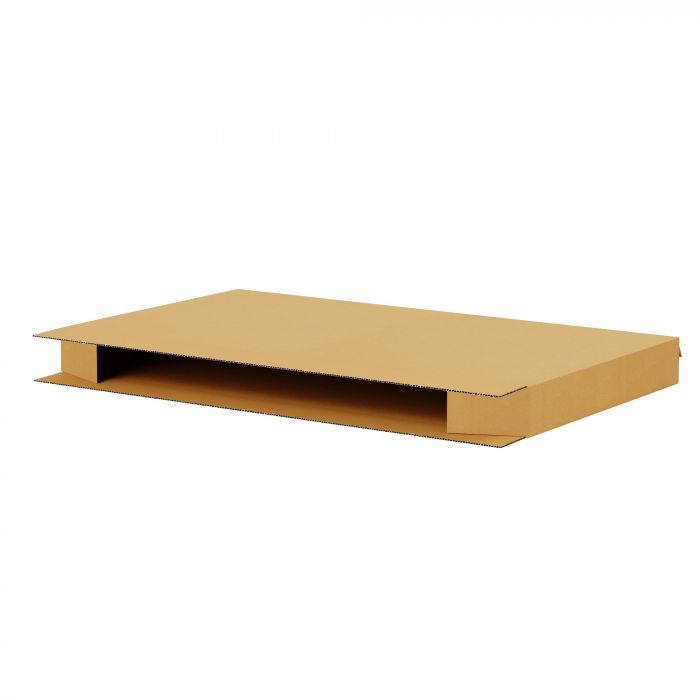
A compressed mattress needs protection against unrolling, punctures, and moisture during moving or shipping.
Use Original Box
If you still have it, the original shipping box is ideal. It is designed to protect the compressed roll and is often required for returns. Brands like Purple and Casper accept returns only if the mattress is in the original box.
Telescoped Boxes
Use two double-corrugated cardboard boxes by sliding one box onto each end of the rolled mattress. Tape seams and edges with heavy-duty packing tape and label clearly for delivery. This method mimics official return processes used by major mattress companies.
Crated or Palletized
For freight shipping or professional moves, use a wooden crate with corner protectors, pallet strapping, and waterproof shrink wrap. This protects against impact, shifting, and environmental exposure during long-distance moves.
Do Not Compress for Too Long
Even compressible mattresses have time limits. Exceeding these limits causes permanent damage.
Maximum Safe Duration: 14 Days
Extended compression damages foam cells, leading to permanent indentations, reduced support, and poor rebound. Compress the day before or morning of moving and unroll within 24 hours of arrival for best results.
Long-Term Storage
Never store a mattress compressed. Instead, store it flat and off the floor, use a breathable cotton protector, and keep it in a dry, climate-controlled, ventilated space.
Let It Expand After the Move
A compressed mattress will not be ready to sleep on right away. Proper expansion ensures you get full comfort and support.
Expansion Time: 24 to 72 Hours
Full recovery depends on foam density, which makes higher density slower to expand. Room temperature also matters, warmer temperatures speed up the process, and humidity levels can affect overall expansion.
Speed Tip: Keep the room at 70 to 75 degrees Fahrenheit to accelerate expansion.
Can You Sleep on It Immediately
Not recommended. Sleeping too soon creates premature body impressions and reduces lifespan. Wait at least 24 hours before use for optimal comfort and support.
Frequently Asked Questions About Shrinking a Mattress for Moving
Can I compress a mattress without a vacuum?
No effective way exists. Manual pressing removes little air. A shop vac is essential for real size reduction.
Can I reuse the vacuum bag?
Not advised. Bags stretch and develop micro-tears after first use, and the risk of seal failure is high.
Is it safe to store a compressed mattress?
Only for up to 14 days. Long-term storage must keep the mattress fully expanded.
Will folding damage my mattress?
Yes, especially thick or high-density foams. Folding causes cracking and permanent creasing. Use only when absolutely necessary and briefly.
Can hybrid or latex mattresses be compressed?
Hybrid mattresses can only be compressed if labeled compressible by the manufacturer. Natural latex should never be compressed, and synthetic latex has limited compression capability, so verify with the brand first.
What happens if I compress an innerspring mattress?
There is high risk of damage. Coils can bend, snap, or lose tension, leading to noise, sagging, and structural failure. Never attempt at home.
Key Takeaways for Shrinking Your Mattress for Moving
Successfully shrinking a mattress for moving comes down to using the right tools, knowing your mattress type, and following proper timing. Only memory foam, all-foam, and approved hybrid models should be compressed, while innerspring and natural latex must never be attempted at home. Use a heavy-duty vacuum storage bag with a shop vac, secure the roll with ratchet straps, and never keep the mattress compressed for more than two weeks.
For the best results, compress your mattress the day before or morning of your move, then allow 24 to 72 hours for full expansion at room temperature. Always check your manufacturer warranty before compressing, as unauthorized compression can void your coverage. With these steps, you can transport your bed in a car, avoid bulky rental trucks, and simplify your entire move.